Is Aloe Toxic To Cats
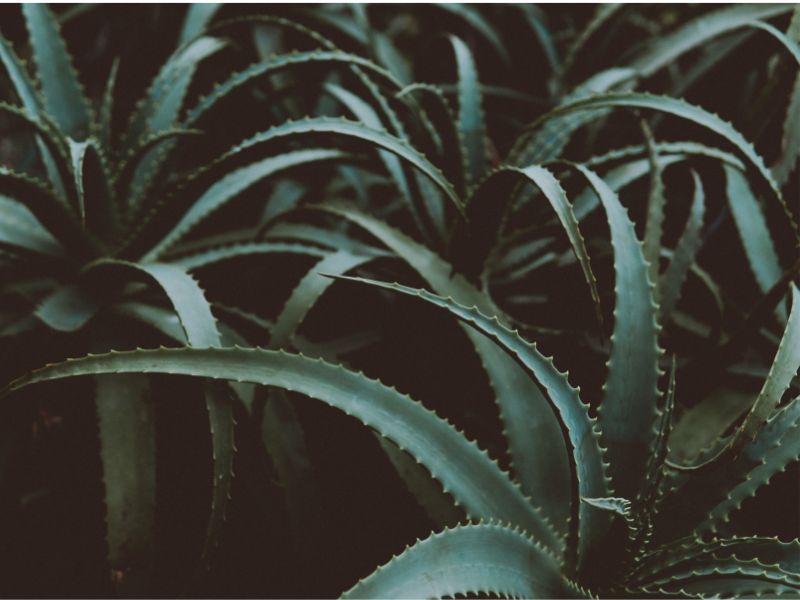
Ah, the trusty aloe vera plant. You know the one – that spiky, green wonder that sits on your windowsill, always ready to soothe a sunburn or a kitchen scrape. It’s practically a superhero in plant form, right? We love it for its healing powers, and maybe we even like its modern, minimalist vibe. But here’s where things get a little fuzzy, and not in the cute, kitten-on-a-carpet kind of way.
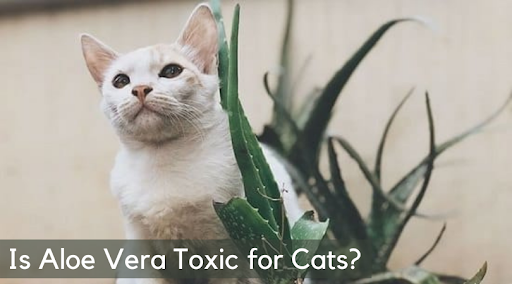
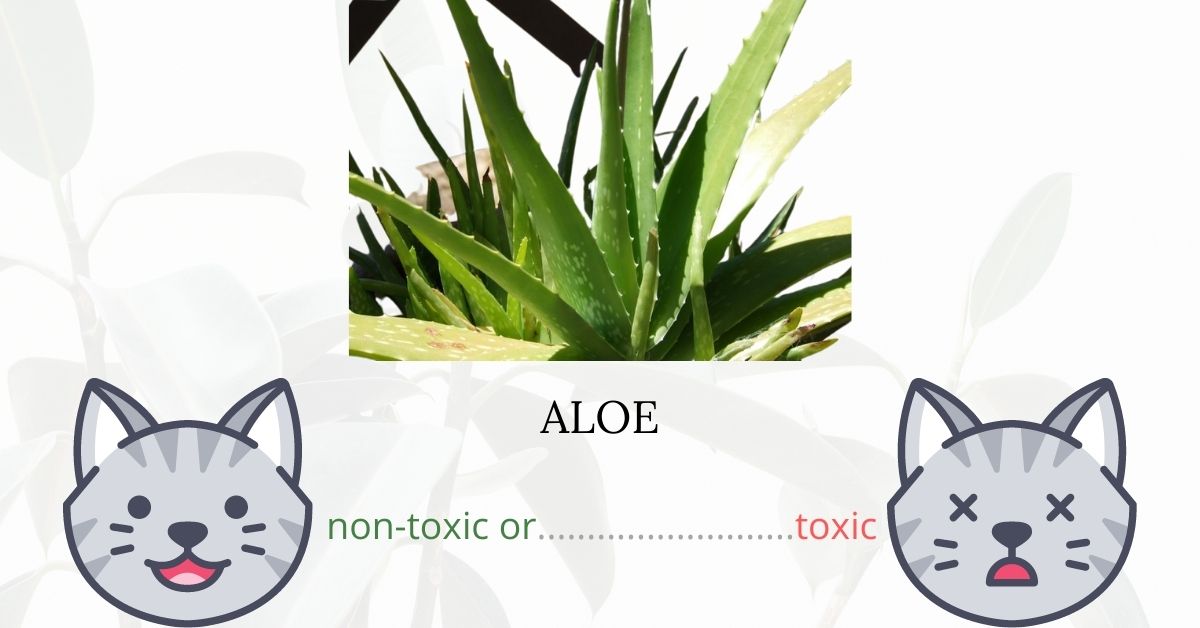
See, while we might be reaching for that gel to calm our own minor ouchies, our feline friends might be eyeing that same plant with a different kind of interest. And that’s where a big, flashing “CAUTION!” sign needs to appear, right next to your potted aloe. Because, and this might come as a bit of a shock, that friendly, desk-dwelling greenery is actually a bit of a no-go zone for your beloved cats. In fact, aloe vera is toxic to cats.
Now, before you start frantically scanning your house for every aloe plant known to humankind and imagining your cat doing a dramatic swan dive into a vat of slime, let’s take a deep breath. It’s not usually a life-or-death situation if your cat just happens to nibble a tiny bit. But it’s definitely something we want to avoid. Think of it like this: imagine your cat tasting a teeny-tiny bit of spicy salsa. It’s not going to send them to the hospital, but they’re probably not going to be begging for seconds, and they might even get a bit of an upset tummy. That’s kind of the vibe here.
Must Read
The part of the aloe vera that’s the troublemaker is the sap, the yellowish, bitter liquid you find just under the skin of the leaves. It’s not the clear, soothing gel that we love so much. This sap contains things called saponins and anthraquinones. Don't worry about memorizing those; just know they're the grumpy little gnomes in the aloe party that don't play well with kitty tummies.
So, what happens if your curious kitty decides that your aloe plant looks like the most fascinating salad bar they’ve ever encountered? Well, usually, they’ll get some pretty unpleasant symptoms. The most common ones are things like vomiting and diarrhea. You know, the joys of pet ownership, amplified. Your cat might also become a bit lethargic, perhaps more interested in napping than in their usual zoomies around the living room. Sometimes, they might even experience tremors or changes in their coordination. Imagine a cat trying to play with a laser pointer after a bit too much aloe sap – it could be a very clumsy, and slightly alarming, show.

The good news? Most cats are actually pretty smart about this. Their discerning palates often detect that bitter sap and think, “Nope, not for me!” They might take a tentative lick, decide it tastes like disappointment and despair, and scamper off to find a more appealing snack, like a dust bunny or a forgotten Cheerio. So, sometimes, all it takes is one little taste to learn their lesson.
But for those adventurous felines, or for kittens who are still figuring out the world, it’s our job to be the vigilant guardians. It’s like us making sure they don’t try to eat a crayon or chase a rogue spider into a questionable corner. We’re just extending our protective instincts to the plant world.

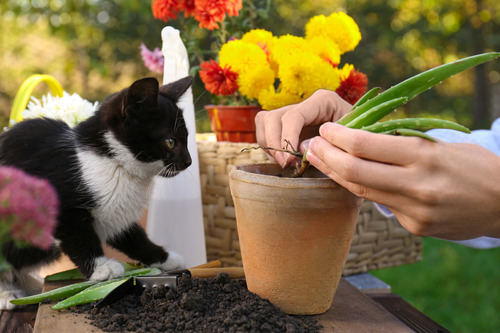
What can you do? It’s actually quite simple. The easiest thing is to just keep your aloe vera plants out of reach. If you have shelves that are too high for your cat to gracefully leap onto, that’s a perfect spot. Or, perhaps, a room that your feline overlord doesn't have full access to. Think of it as a special, VIP-only plant club. And honestly, if your cat is a known nibbler, it might be worth considering some other, cat-safe greenery. There are plenty of beautiful houseplants that won't cause any tummy troubles. Maybe a nice, leafy spider plant or a lush Boston fern? They offer all the aesthetic appeal with none of the potential puke-pocalypse.
And if you do happen to notice your cat looking a little green around the gills (pun intended!) after getting into the aloe, don’t panic. Call your veterinarian. They are the real superheroes in this scenario, equipped with the knowledge and the remedies to get your furry friend back to their purrfect selves. They’ve seen it all, from cats who have attempted to eat their weight in plastic bags to those who’ve developed a taste for electrical cords (please, don’t let your cat do that either). They’ll know exactly what to do.
So, while your aloe vera might be a superstar in your eyes, remember it’s a bit of a villain in your cat’s digestive system. But with a little bit of planning and a whole lot of love, you can keep both your plants and your pets happy and healthy. After all, a happy cat is a cat that’s not spending its afternoon contemplating the mysteries of its own vomit. And that, my friends, is a win-win for everyone.