Ah, the morning after. That fuzzy, throbbing, "never again" feeling that often accompanies a night of good times and perhaps a few too many celebratory beverages. We've all been there, right? And with this universal experience comes the age-old quest for the ultimate hangover cure. While some swear by greasy spoon breakfasts and others opt for gallons of water, a surprisingly popular contender in the recovery arena is the humble, yet powerful, sauna. So, the burning question on many a pounding head is: is a sauna actually good for a hangover?
The Sauna's Purpose and Potential Hangover Perks
Before we dive into the gory details of why your head feels like a drum solo, let's talk about what a sauna actually does. At its core, a sauna is a room designed for dry or wet heat sessions. The idea is to induce sweating, which our bodies do for a very important reason: thermoregulation. When you're hot, your body releases heat through sweat, helping to cool you down. But beyond just cooling, this process has some interesting knock-on effects that might just be your hangover's kryptonite.
So, how could this intense heat help when you're feeling less than stellar? Let's break down the potential benefits:
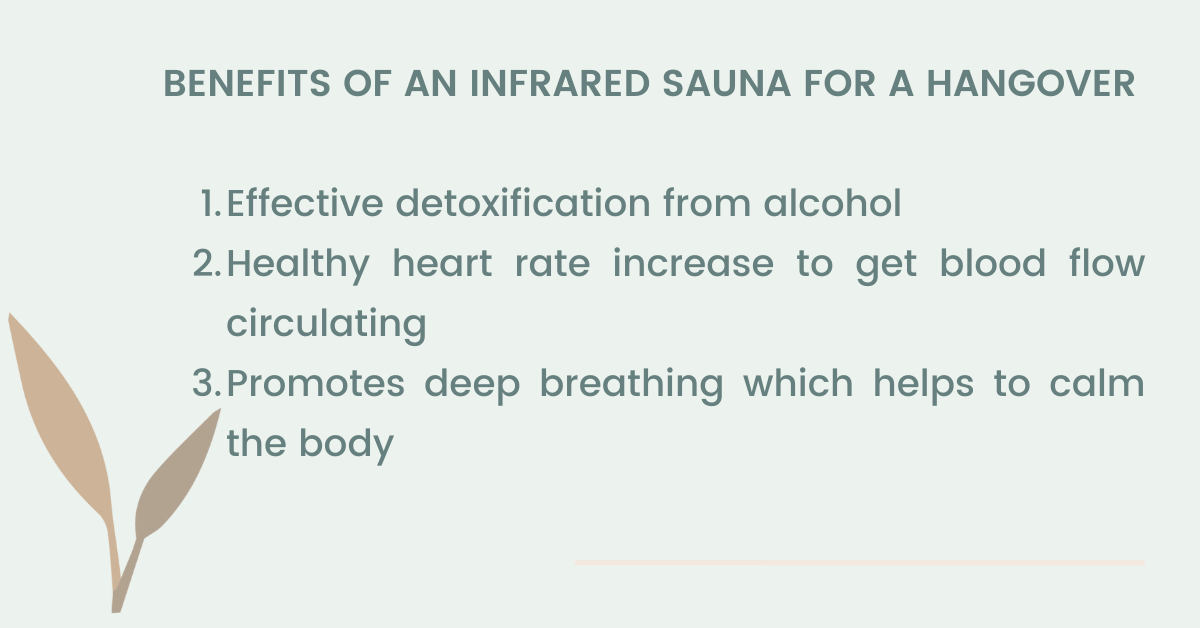
Detoxification (The Sweat Factor): This is the big one. When you drink alcohol, your body has to process it, and part of that process involves eliminating waste products. While your liver is the star player in breaking down alcohol, your kidneys and skin also play a role in flushing things out. Sweating heavily in a sauna can help expedite this elimination process. Think of it as giving your body a super-powered rinse cycle. It's believed that along with water and electrolytes, some toxins can be expelled through sweat. This can be particularly appealing when you're feeling sluggish and "full" of the remnants of your indulgence.
Improved Circulation: The heat from a sauna causes your blood vessels to dilate, leading to increased blood flow throughout your body. This enhanced circulation can help deliver oxygen and nutrients to your tissues more efficiently. For a hangover, this means your brain might get a much-needed boost, potentially easing that foggy feeling and headache. It's like giving your internal engine a tune-up!
Muscle Relaxation: Alcohol can often leave your muscles feeling tense and achy. The warmth of a sauna can work wonders for soothing these sore muscles. Imagine sinking into that comforting heat and feeling the knots of tension melt away. It’s a gentle, passive way to give your body some much-needed relief.
Stress Relief and Mood Boost: Let's be honest, hangovers are not only physically unpleasant but also mentally taxing. The act of sitting in a sauna can be incredibly relaxing. The quiet, warm environment can encourage mindfulness and a sense of calm. Furthermore, your body releases endorphins when exposed to heat and stress (even the "good" stress of a sauna). These natural mood boosters can help combat the irritability and general grumpiness that often accompany a hangover.
Potential Pain Relief: For some, the heat can have a mild analgesic effect, helping to take the edge off that pounding headache. While it's not a substitute for actual pain medication, the soothing warmth can offer a welcome distraction from discomfort.
The Caveats: It's Not a Magic Wand!
Now, before you enthusiastically book a spa day with visions of instant recovery, it's crucial to understand that a sauna isn't a miracle cure. In fact, for some people, it could even make things worse. Here's why:
Dehydration Risk: This is the biggest concern. Alcohol is a diuretic, meaning it makes you pee more, leading to dehydration. A sauna also causes significant fluid loss through sweat. If you're already dehydrated from drinking, jumping into a sauna without adequate rehydration can exacerbate your symptoms and even be dangerous. You absolutely must drink plenty of water before, during, and after your sauna session.
Electrolyte Imbalance: Along with water, you lose essential electrolytes through sweat. If you're already depleted from alcohol consumption, further electrolyte loss can lead to dizziness, nausea, and weakness. Consider replenishing with electrolyte-rich drinks or snacks.
Cardiovascular Strain: While generally safe for most healthy individuals, the heat can put a strain on your cardiovascular system. If you have any pre-existing heart conditions, or if you're feeling extremely unwell, it's best to avoid the sauna altogether. Listen to your body!
Not for Severe Hangovers: If your hangover is truly debilitating – think severe nausea, vomiting, or extreme dizziness – a sauna is probably not the best first step. Focus on rest, rehydration, and gentle recovery.
The general consensus? A sauna can be a helpful tool for mild to moderate hangovers, provided you approach it with caution and prioritize rehydration.
Is Sauna Good for Hangover: Unraveling the Truth | AnySauna
Tips for a Safer Sauna Hangover Cure:
If you're still keen to give it a go, here are some important tips:
Hydrate, Hydrate, Hydrate: We can't stress this enough! Drink water leading up to your sauna and keep sipping throughout.
Start Slow: Don't jump into a 30-minute session. Begin with shorter durations (5-10 minutes) and see how you feel.
Listen to Your Body: If you feel dizzy, nauseous, or unwell, get out immediately.
Avoid Alcohol Immediately Before: Never combine alcohol and saunas. Wait until you are completely sober.
Replenish Electrolytes: Consider a sports drink or coconut water.
Cool Down Gradually: Don't shock your system with an ice-cold shower immediately after.
So, is a sauna good for a hangover? It's a nuanced answer. For many, a gentle sauna session, combined with proper hydration and rest, can provide a welcome sense of relief and accelerate recovery. It’s a bit of a luxurious self-care ritual that might just help you bounce back from your indulgences. Just remember to be smart, listen to your body, and never underestimate the power of a good, long drink of water!