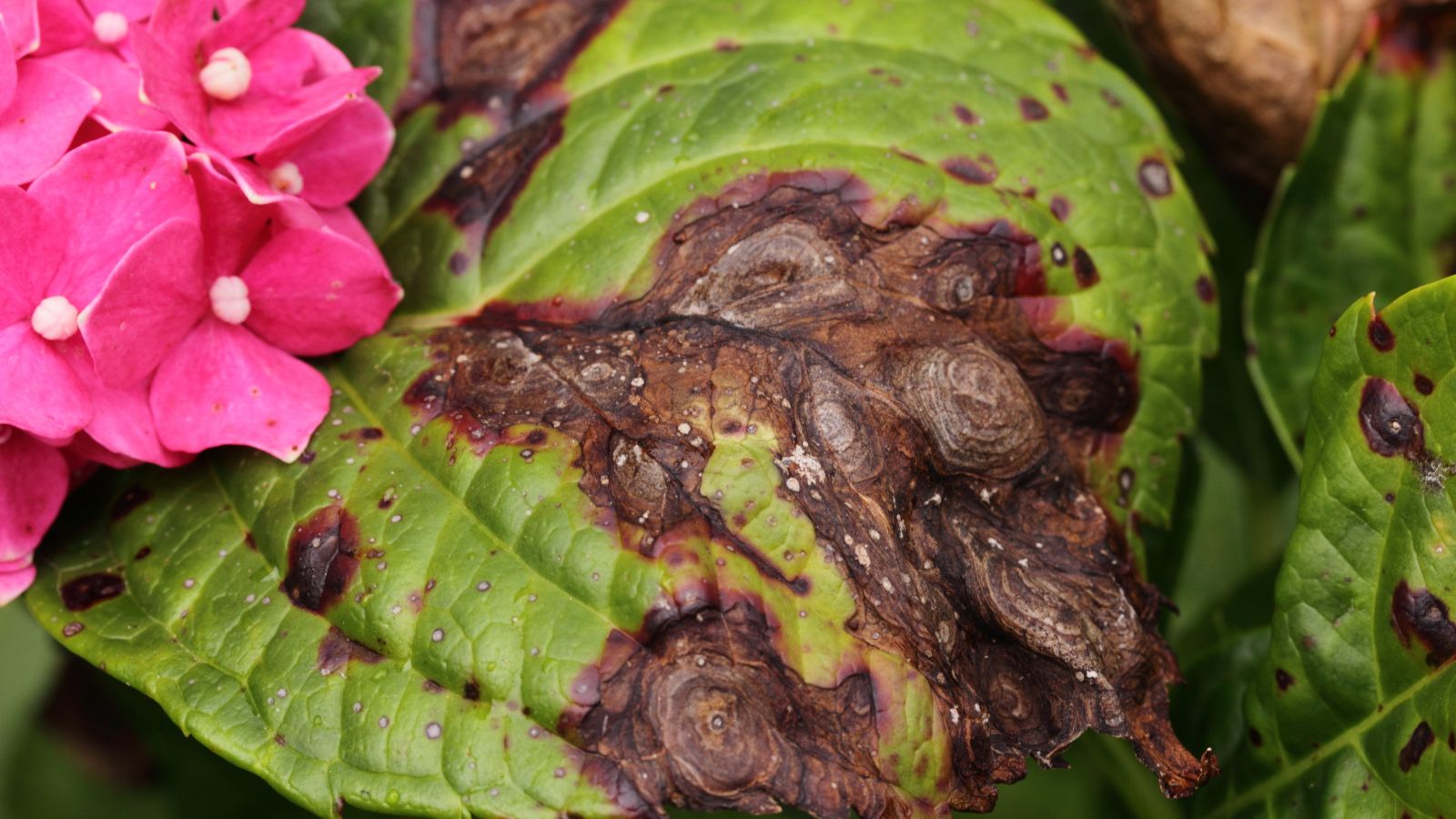
Hydrangea Leaves Turning Brown And Curling Up

Ah, the hydrangeas. Those glorious, voluminous blooms that practically scream summer vibes. They’re like the grand dames of the garden, aren't they? Soft, billowy clusters of color that can transform a shady corner into a scene straight out of a Monet painting. We adore them, we fuss over them, and then, one day, we notice it. A little bit of browning. A subtle curl at the edges. And our hearts sink a little, don't they? It’s like seeing your favorite cashmere sweater get a tiny snag – a gentle nudge that reminds us even perfection needs a little TLC.
But before you start having a full-blown garden crisis, take a deep breath. Those brown, curling hydrangea leaves are not necessarily a death knell. More often than not, they’re just your plant’s way of sending you a friendly, albeit slightly stressed, message. Think of it as a subtle hint, like when your friend texts you a single wilting emoji. You know what they mean, right? And just like with your friends, a little understanding and a few well-placed adjustments can go a long way.
Decoding the Leafy Blues: What's Really Going On?
So, what’s behind this leaf drama? It’s a multi-faceted mystery, much like trying to figure out why your Netflix queue keeps suggesting reality TV. But don't worry, we’re going to break it down, garden detective style. The usual suspects are heat, water (or lack thereof), and sometimes, just the natural cycle of things.
Must Read
The Sun-Scorched Saga: Too Much of a Good Thing
Hydrangeas, particularly the ever-popular Bigleaf varieties (you know, the ones with the big, round flower heads), are a bit like us during a heatwave. They love sunshine, but they have their limits. Too much direct, scorching afternoon sun, especially in hotter climates, can be incredibly stressful. Those pretty green leaves are trying their best to photosynthesize and keep the plant going, but when the sun is just too intense, they start to get a little… well, cooked.
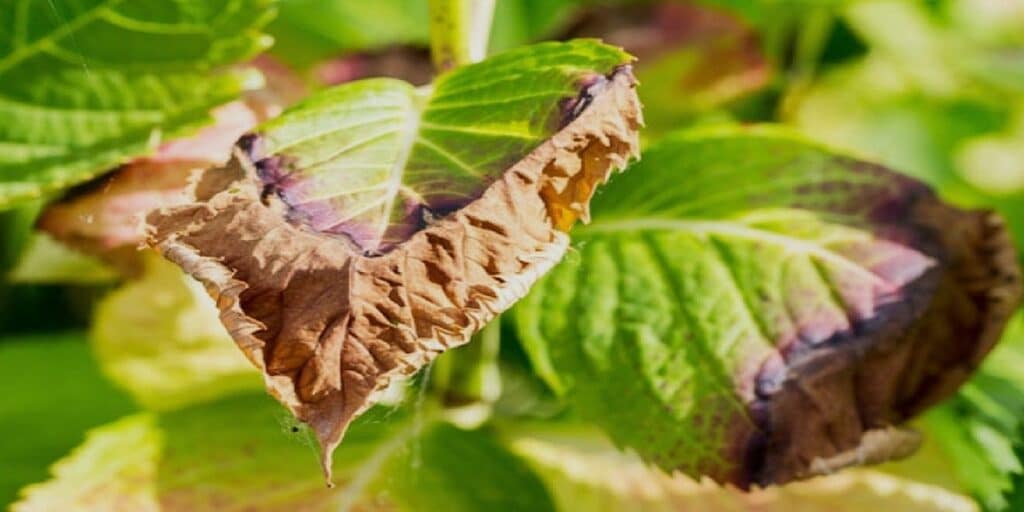
This is where you’ll often see those brown edges and a distinct curling action. The leaves are essentially trying to protect themselves by curling inward, reducing the surface area exposed to the harsh rays. It's a natural defense mechanism, like us ducking under an umbrella or diving for the air conditioning.
Think of it as your hydrangea saying: “Phew, can we dial down the solar intensity, please?”
The Thirsty Terror: When Water Woes Strike
This is, hands down, the most common culprit. Hydrangeas are thirsty plants. They’re like sponges, soaking up water to keep those big, lush leaves and abundant blooms hydrated. When they don’t get enough, especially during hot, dry spells or when they’re trying to support a massive floral show, they start to wilt. And that wilting often begins with the leaves.
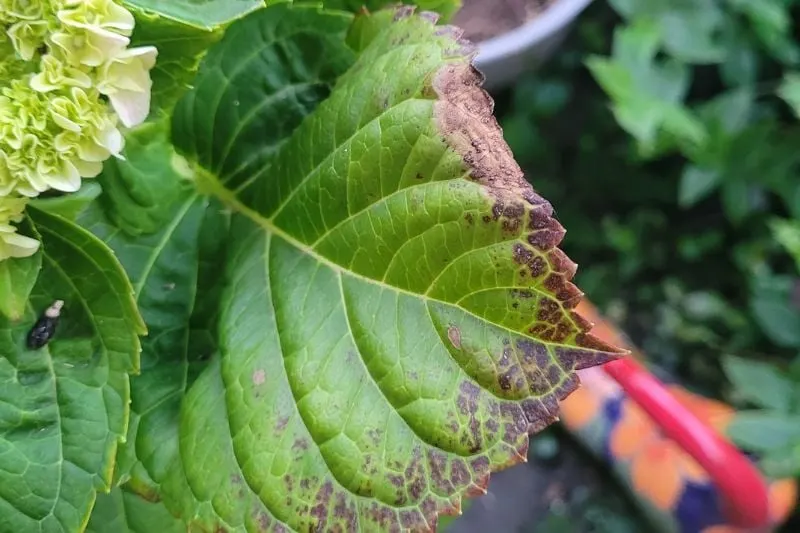
Brown spots, crispy edges, and that tell-tale curling are all classic signs of dehydration. The plant is conserving its precious moisture, and the extremities, being the furthest from the roots, are the first to feel the pinch. It’s a bit like when you’re really parched and your lips feel dry and chapped – the parts of you furthest from hydration suffer first.
The hydrangea's silent plea: “Water, please! My leaves are getting parched!”
The Pests and Diseases Plot Twist
While less common, it’s worth a brief mention. Sometimes, browning and curling can be a sign of fungal diseases like powdery mildew or leaf spot. These conditions can weaken the plant and cause leaf damage. Pests like spider mites can also suck the life out of leaves, leading to discoloration and distortion.
However, if your plant is otherwise looking robust and the issue is confined to a few scattered leaves, it’s less likely to be a major pest or disease outbreak. For these, you’d typically see more widespread symptoms, like webbing, spots with halos, or a general decline in overall plant health.
The Natural Aging Process: A Gentle Goodbye
Let’s not forget that plants, like us, have a life cycle. As the season progresses, and especially as the plant puts all its energy into blooming, some of the older leaves at the base of the plant will naturally start to yellow and eventually turn brown. This is a perfectly normal part of the process. They’ve done their job, served their purpose, and it’s time to gracefully retire.
This browning is usually slower, more gradual, and often affects the older, lower leaves first. It's a gentle fading, not a sudden crisis. Think of it as autumn arriving in miniature for your hydrangea.
Operation: Hydrangea Rescue – Practical Tips for a Happier Plant
Alright, enough with the diagnostic drama. Let’s talk solutions! We’re going to bring our hydrangeas back from the brink of leafy despair, one easy step at a time. No advanced degrees in horticulture required, just a little bit of observation and some common sense.
Mastering the Art of Watering: The Hydration Hero
This is where you can make the biggest impact. The key is consistency. Hydrangeas appreciate a good, deep soak, rather than frequent shallow sprinkles. Aim to water deeply at the base of the plant, allowing the water to reach the root zone.
The best time to water? Early morning is ideal. This allows the plant to drink up before the heat of the day sets in, and it helps prevent fungal diseases that can thrive in consistently damp foliage overnight. If you can’t water in the morning, late afternoon is a good second choice, just ensure the leaves have a chance to dry before nightfall.
How often? This depends on your climate, soil type, and the weather. A good rule of thumb is to check the soil about an inch or two down. If it feels dry, it’s time to water. During a heatwave, you might need to water daily. In cooler, more humid weather, once or twice a week might be sufficient.
Pro tip: Invest in a good watering can with a rose head or a soaker hose. These distribute water more gently, preventing soil compaction and ensuring even moisture distribution. And if you're feeling fancy, a moisture meter is a great little gadget to take the guesswork out of it!
Shade, Sweet Shade: Offering a Cool Retreat
If your hydrangeas are getting blasted by hot afternoon sun, it’s time to play architect. Even a little bit of afternoon shade can make a world of difference.
Here are some easy ways to provide it:
- Strategic Planting: If you’re planting new hydrangeas, choose a spot that gets morning sun and afternoon shade. It’s like giving them a prime beachfront property with a shaded patio.
- Companion Planting: Plant taller, sun-loving perennials or small shrubs around your hydrangeas to offer them a bit of dappled shade during the hottest part of the day. Think of it as a stylish, natural umbrella.
- Temporary Shade Structures: During extreme heatwaves, you can use temporary shade cloth or even strategically placed patio umbrellas to shield them from the harshest rays. It's a bit of DIY intervention, but your plants will thank you.
Remember: Not all hydrangeas are created equal. Hydrangea paniculata (Panicle hydrangeas) and Hydrangea arborescens (Smooth hydrangeas like 'Annabelle') are generally more tolerant of sun than the Bigleaf varieties.
Mulch Magic: The Unsung Hero of the Garden
Mulching is your best friend when it comes to maintaining soil moisture and keeping roots cool. Apply a layer of organic mulch, such as shredded bark, wood chips, or compost, around the base of your hydrangeas. Keep the mulch a few inches away from the main stem to prevent rot.

Mulch acts like a cozy blanket for your plant's roots, helping to retain moisture in the soil, suppress weeds that compete for water, and regulate soil temperature. It’s the garden equivalent of a good, thick duvet.
Fun Fact: Mulch isn't just functional; it can also add a beautiful, finished look to your garden beds!
Trimming with Tact: When and What to Snip
Those brown, crispy leaves aren't exactly a beauty contest winner. While it's tempting to snip them off immediately, it's often best to wait. As we mentioned, the plant might be trying to conserve energy, and those leaves, even if browned, can still provide some benefit.
Here's when to trim:
- For Aesthetics: Once the blooms have faded and the leaves are significantly browned and unsightly, you can trim them off. This is usually done in late fall or early spring.
- For Health: If you notice any leaves that are clearly diseased or showing signs of significant pest damage, it’s a good idea to carefully remove them to prevent spread. Use clean, sharp pruning shears.
Important Note: Be careful when pruning your Bigleaf hydrangeas (H. macrophylla and H. serrata). These varieties bloom on old wood, meaning they produce flowers on stems that grew the previous year. Pruning too aggressively in late winter or spring can remove the flower buds for the current season. For these, it’s generally best to just remove dead or damaged stems and spent blooms.
Fertilizing Follies: Less Can Be More
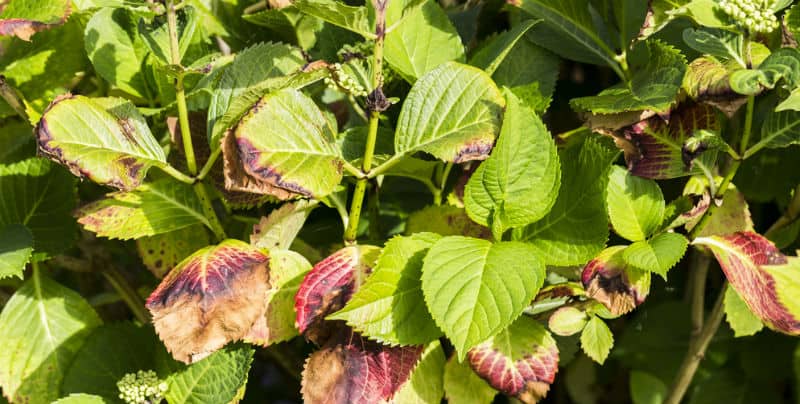
Over-fertilizing can actually stress your hydrangeas and contribute to leaf scorch, which looks very similar to heat or water stress. If your plant is otherwise healthy, it probably doesn’t need a huge amount of fertilizer.
A light application of a balanced, slow-release fertilizer in early spring, before new growth begins, is usually sufficient. If you’re unsure, a soil test can tell you exactly what nutrients your plant needs. And remember, the type of fertilizer can influence flower color in Bigleaf hydrangeas – a classic garden quirk!
The Soil Situation: A Foundation for Health
Good drainage is crucial for hydrangeas. They hate having “wet feet.” If your soil is heavy clay and holds too much water, it can lead to root rot, which can also manifest as browning and wilting leaves. Amending your soil with organic matter, like compost, can improve drainage and aeration.
Think of soil like a good foundation for a house. If it’s unstable, everything else is going to suffer.
A Gentle Reminder: Embracing Imperfection
There's a beautiful parallel to be found here, isn't there? In our own lives, we often strive for a kind of effortless perfection. We want our days to run smoothly, our relationships to be flawless, and our to-do lists to magically complete themselves. But life, much like a garden, is rarely that simple.
Those brown, curling leaves on your hydrangeas are a gentle reminder that even the most beautiful things can experience stress, require care, and have moments of imperfection. They are not a sign of failure, but an invitation to observe, to understand, and to respond with kindness and attention.
Just as we might adjust our own schedules, reach out for support, or simply allow ourselves a moment of rest when we’re feeling overwhelmed, our plants are asking for something similar. A little more water, a touch of shade, a thoughtful mulch. It’s about being present, paying attention to the subtle cues, and making those small, consistent adjustments that keep things blooming.
So, the next time you see those brown edges, don’t despair. See it as an opportunity to connect with your garden, to learn a little more about its needs, and to practice a little bit of gentle, mindful gardening. After all, a perfectly imperfect hydrangea, like a perfectly imperfect day, can still be utterly beautiful.