How To Use Straps In The Gym
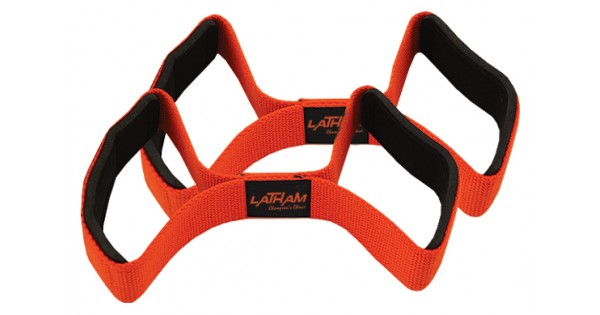
Alright, pull up a chair, grab your latte, and let's talk about something that might sound drier than a week-old cracker but is actually a secret weapon in the gym: straps. Yeah, I know, "straps" sounds like something you'd use to tie down a runaway cow or, you know, actual straps. But in the land of barbells and grunts, these bad boys are your trusty sidekicks, ready to rescue your grip from the clutches of an early defeat.
So, you're there, you're crushing a set of deadlifts, feeling like a Roman gladiator about to vanquish your foes. The weight is heavy, your muscles are screaming, and then it happens. Your hands, those noble digits that have guided you through countless thumb scrolls and snack acquisitions, decide they've had enough. They start to slip. It's like a tiny, inner betrayal. Suddenly, your epic lift turns into a frantic, "Oh no, don't drop it!" scramble. And poof! Your progress, your gains, your potential future as a professional strongman? Gone with the wind, or rather, the rapidly loosening grip.
This, my friends, is where the humble gym strap waltzes in, looking all heroic and stuff. Think of them as superhero capes for your wrists. They're not magic, but they come pretty darn close when your forearms are about to stage a full-blown mutiny. You see, sometimes, our grip strength is the weakest link in the chain. You might have the back of a bear and the leg drive of a superhero, but if your hands can't hold on, well, that's that. It’s like having a Ferrari engine but with the tires of a bicycle. Not ideal for that cross-country road trip.
Must Read
So, What Exactly ARE These Magical Straps?
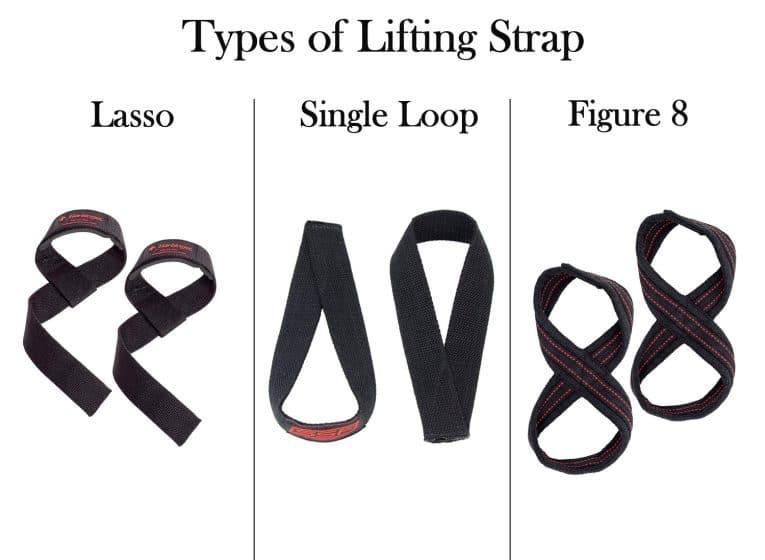
Basically, they're strips of heavy-duty fabric, usually nylon or cotton, with a loop on one end and a long tail on the other. You wrap the tail around the barbell (or dumbbell, or kettlebell, or even that ridiculously heavy medicine ball you swore you’d conquer) and then loop your wrist through the other end. Voilà! Instant grip reinforcement. It's like giving your hands a reassuring hug that says, "Don't you worry, I've got this."
Imagine this: you're trying to lift a boulder. Your arms and back are ready to heave, but your fingers are like tiny, uncooperative spaghetti strands trying to hold onto a greased watermelon. Not gonna happen. Now, imagine you have a giant, sturdy rope wrapped around that boulder and secured to your wrists. Suddenly, that boulder feels a whole lot more manageable. That’s your strap. It’s leveraging the strength of your entire arm, not just your crumbling grip.
When Should You Unleash the Strap Fury?
This is the million-dollar question, and the answer is: it depends. Straps aren't for every exercise. If you're doing bicep curls, unless you're trying to impress a medieval knight with your wrist strength, you probably don't need them. They're your secret weapon for those heavy, grip-dominant lifts. We're talking:
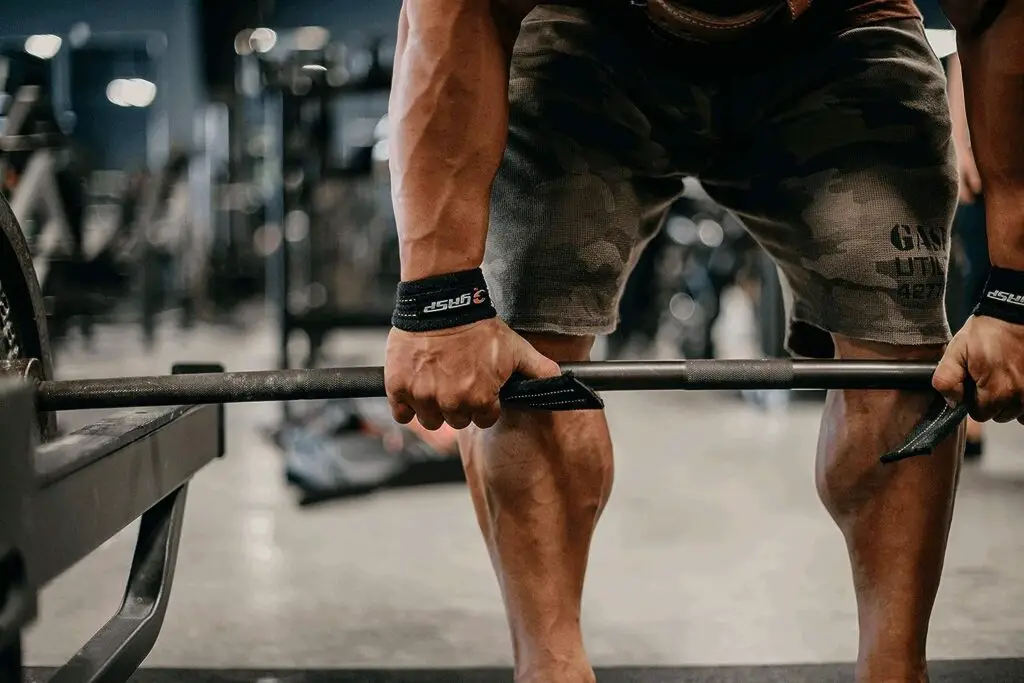
- Deadlifts (conventional, sumo, Romanian): This is their natural habitat. When the weight gets heavy enough that your grip gives out before your hamstrings do, straps are your best friend. They allow you to keep pulling with your legs and back, getting that glorious pump without your hands turning into shriveled raisins.
- Rows (barbell rows, T-bar rows): Another prime candidate. Pulling heavy weight towards your torso can absolutely fry your grip. Straps let you focus on squeezing those lats and rear delts, not on how many seconds your fingers can withstand the pressure.
- Farmer's Walks: These are essentially grip-torture exercises disguised as cardio. If you want to carry those ridiculously heavy dumbbells across the entire gym, straps are your ticket.
- Shrugs: While not as intense as deadlifts, heavy shrugs can still tax your grip. Straps can help you load up more weight and get a better squeeze.
Here's a surprising fact: Some elite athletes actually use straps strategically to overload their muscles. If their grip is the limiting factor, they'll use straps to perform more reps or lift heavier weight, thus stimulating muscle growth that they might not otherwise achieve. It's like a cheat code for your cheat code, if you think about it.
How to Actually Use These Things (It's Not Rocket Science, But It's Not Tying Your Shoelaces Either)
Okay, let's get practical. There are a couple of common ways to strap up:
The Standard Loop Method:
This is the most popular and arguably the easiest. Grab your strap. You'll see a loop on one end. Put your thumb through this loop. Now, take the long tail and wrap it around the barbell, going away from you. As you wrap, you want to create tension. Think of it like winding a tiny, muscular yo-yo. Once you've got a couple of wraps around the bar, tuck the end of the strap under itself, creating a secure knot. Then, flip the bar over, and grip it with your hands on top of the strap. The strap should be snug against your wrist, providing that lovely supportive hug.

Pro Tip: The number of wraps is crucial. Too few, and it might slip. Too many, and it can feel bulky and uncomfortable. Experiment to find your sweet spot. Usually, 2-3 good wraps are plenty.
The Lasso Method (Less Common, but Handy Sometimes):
This one’s a bit more intuitive for some. You basically create a "lasso" with the strap. You loop the strap around the bar (again, going away from you) and then pass the tail of the strap through the loop to create a cinch. Then, you put your hand through the loop, and as you grip the bar, the strap tightens around your wrist. It’s like a gentle, supportive noose, but for your grip, not for you. This method can be quicker to adjust sometimes.
Word of Caution: Be mindful of blood flow. You don't want to cinch the strap so tight that your hand starts to tingle or turn an alarming shade of purple. A little snugness is good; a tourniquet is bad.
The "Should I or Shouldn't I?" Dilemma
This is where the internet gets really chatty. Some gym purists will tell you straps are for the weak. And to a degree, they're right. You should work on your grip strength. But here's the thing: your grip is a skill, and like any skill, it needs to be trained, but it shouldn't hold your other training hostage.
Think of it this way: if you’re trying to improve your sprinting, but your ankle keeps giving out, do you just stop sprinting? No, you probably get some ankle support and keep training, while also doing specific ankle strengthening exercises. Straps are similar. Use them when your grip is preventing you from effectively training other muscle groups. And yes, do your grip strengthening exercises separately – hang boards, farmer's walks without straps, plate pinches, all that good stuff.
It's about being smart with your training. If you're doing a heavy set of deadlifts, and your grip fails at rep 6 when your back and legs could have easily pushed out rep 7, you're leaving gains on the table. That's like having a buffet in front of you and only eating one forkful. A tragedy!

A Few Final, Gleaming (and Slightly Humorous) Nuggets of Wisdom
Don't be that person who wears straps for every single exercise. You'll look ridiculous, and you'll never build a solid grip. Use them judiciously, like a fine wine or a particularly potent hot sauce.
Invest in decent straps. Cheap ones can fray, dig into your skin, or just generally be a pain. Think of them as an investment in your gains. A good pair will last you ages.
Practice makes perfect. The first few times you use straps, it might feel a little awkward. Just like learning to drive stick shift or figuring out how to fold a fitted sheet – it takes a moment. Be patient with yourself.
And finally, remember this: straps are a tool, not a crutch. They're there to help you lift more, build more, and become more awesome. So, next time your grip starts to betray you, don't despair. Just grab your trusty straps, give your wrists a supportive hug, and go crush those weights. Your muscles will thank you, and maybe, just maybe, your fingers will send you a thank-you note. Probably not, but it's a nice thought.