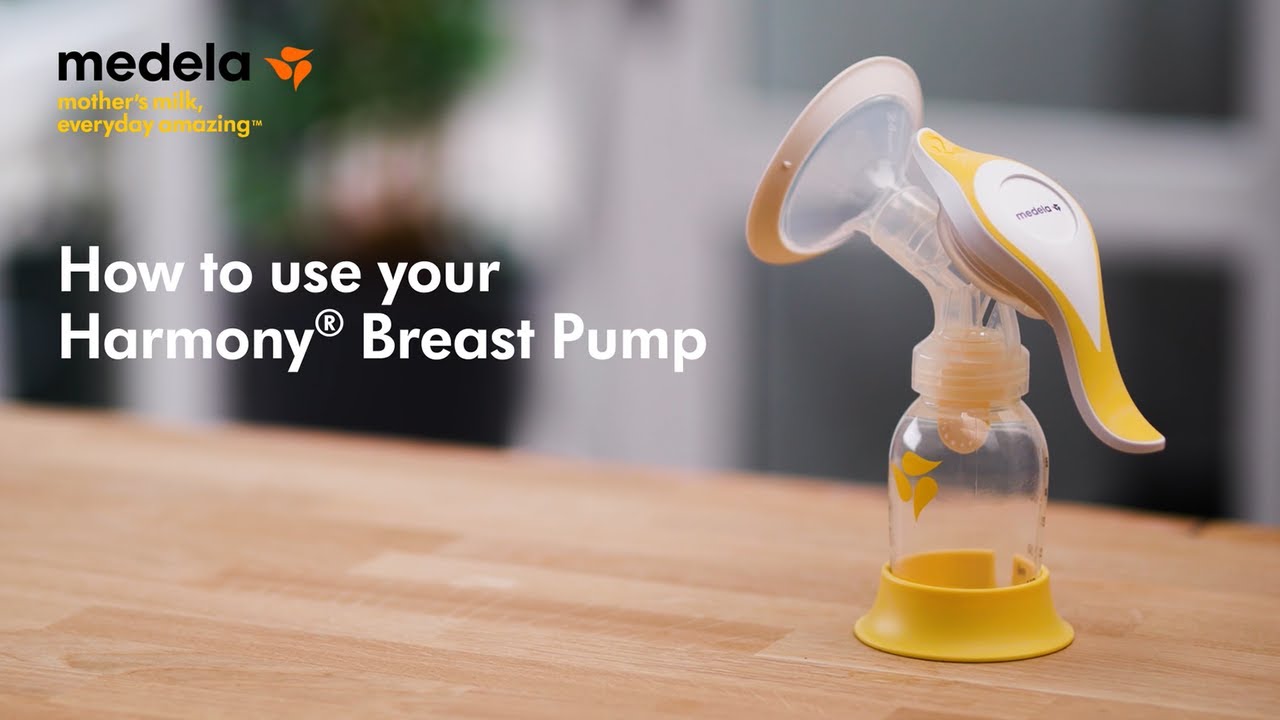
How To Use A Manual Breast Pump
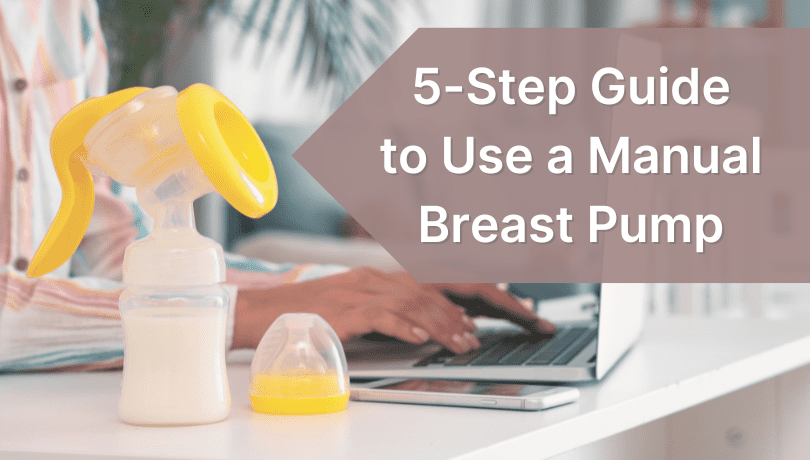
Alright, let's talk about something that's often whispered about but rarely celebrated in hushed tones. We're diving into the wonderful world of the manual breast pump. Yes, that little contraption that looks a bit like a science experiment gone cute. Get ready for some real talk, no fancy jargon here. We're going to navigate this journey together.
First off, if you're picturing a complicated machine with a million buttons, think again. Manual pumps are the OG of pumping. They're the reliable, no-frills, workhorse of milk extraction. Think of it as your personal milk whisperer, ready to do your bidding.
The Mighty Manual: Your New Best Friend
So, why a manual pump, you ask? Well, sometimes you just need a little independence. You don't want to be tethered to a wall or a loud motor. This little guy gives you freedom. Plus, it’s often way quieter. Your baby won't be startled awake by a sudden industrial whirring.
Must Read
It’s the perfect travel companion. Pop it in your bag and you’re ready. Need to express a bit of milk before heading out? No problem. Want to relieve some pressure while stuck in traffic? You got it. It's like a tiny, portable dairy farm in your purse.
And let's be honest, sometimes you just want to feel a little bit in control. With a manual pump, you dictate the rhythm. You're the conductor of this milky orchestra. It’s empowering, in its own quiet, sudsy way.
Getting Started: The Nitty-Gritty
Before you even think about pumping, let's talk about preparation. Cleanliness is key. Everything needs to be squeaky clean. Wash your hands thoroughly. Make sure all parts of your pump are sparkling. We don't want any unwanted guests joining the milk party.

Next, find a comfortable spot. Seriously, this is important. Sit down. Relax. Maybe put on some calming music or a funny show. Your body needs to feel safe and at ease to let the milk flow. No one can concentrate on squeezing when they're hunched over the kitchen sink.
Now, let's get intimate with the pump itself. You'll have a flange. This is the part that goes around your nipple. Make sure it fits well. A good seal is crucial for efficient pumping. If it feels too small or too big, it might be a bit uncomfortable. Don't be afraid to try different sizes if your pump came with options.
The Pumping Ballet: A Graceful Dance
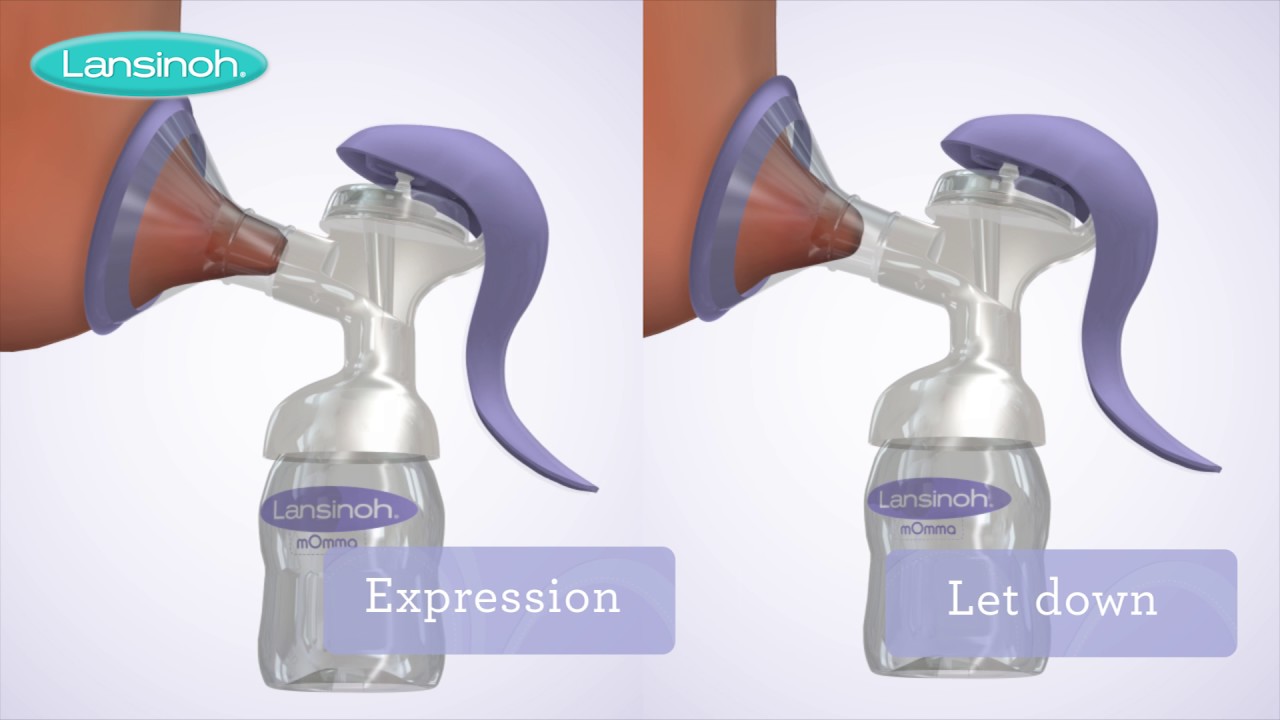
Once you're set up, it's time for the magic. Gently place the flange over your nipple. Ensure it’s centered. You want a comfortable seal, but not one that's pinching or pulling too hard. A little tenderness is expected, but pain is a sign to stop and adjust.
The handle is your best friend here. Start with a gentle squeeze. It mimics the initial sucking action of your baby. You’re essentially telling your body, “Hey, it’s time for milk!” You'll feel a slight tug or pull, that's normal.

As the milk starts to flow, you can adjust your rhythm. Some people prefer faster, lighter pumps. Others like slower, deeper pumps. Experiment a little. Think of it as finding your personal pumping groove. You're the DJ of your own milk production!
Don't be discouraged if nothing happens immediately. Sometimes it takes a little time for the let-down reflex to kick in. Just keep going gently. You can try a few light squeezes, then a slightly deeper one. You're not trying to break any speed records here. It's more of a marathon, not a sprint.
When you feel the milk start to spray, that's the let-down. You'll likely notice a difference in the flow. Now, you can continue with your chosen rhythm. Keep pumping until the flow slows down significantly. You've done a great job!
Tips and Tricks from the Trenches
Sometimes, you might only get a little bit of milk. That’s okay! Every drop is precious. If you're not getting much, try switching breasts. Sometimes one side is more cooperative than the other. Or, try stimulating your nipple a little before you start pumping.
Warm compresses can be your secret weapon. Apply a warm, damp cloth to your breast before or during pumping. It can help relax the tissues and encourage milk flow. It feels pretty good, too. A little pampering never hurt anyone.
Massage is another great trick. Gently massage your breast while pumping. This can help keep the milk flowing and ensure you're emptying your breast effectively. Think of it as giving your breast a little encouragement.
And here's an "unpopular" opinion: Don't stare intently at the milk collection bottle. Seriously. It can create anxiety. Just trust the process. Focus on your breathing. Enjoy the quiet moment. You'll be surprised how much more you can get done when you're not fixated on the numbers.
Try to pump from both breasts. Even if one is giving you more than the other. This helps maintain your milk supply. Consistency is key, my friends. Your body is an amazing machine, but it needs signals to keep working.

Post-Pump Perfection
Once you're done, carefully detach the flange. Pour your precious milk into a storage container. Label it with the date. It's like bottling liquid gold!
Clean your pump parts immediately after use. This is crucial for hygiene. Use warm, soapy water. Then, let them air dry completely. This prevents any nasty bacteria from growing.
And finally, give yourself a pat on the back. You’re doing an amazing thing. Pumping can be a lot of work. It’s an act of love, really. You’re nourishing your little one in a special way.
So, there you have it. The manual breast pump: simple, effective, and surprisingly liberating. It might not be as fancy as some electric models, but it gets the job done. And sometimes, the simplest tools are the most powerful. Embrace the manual, and may your pumping sessions be fruitful and, dare I say, even a little bit enjoyable!