How To Unclog A Drain In Shower
Ah, the shower. That sacred space where we wash away the day's stresses, belt out our favorite power ballads (off-key, of course), and generally feel like a sparkling, refreshed human. It's our personal oasis. Until, that is, you step in and realize you're basically standing in a miniature, lukewarm lake. Yep, the dreaded clogged shower drain has struck. Don't panic! This isn't a plumbing emergency that requires a superhero costume or a call to a pricey professional (unless it's really bad, then maybe, but let's try the DIY route first).
Think of your shower drain as the unsung hero of your bathroom. It silently works its magic, whisking away water, soap scum, and the occasional stray hair. But like any hero, it can get overwhelmed. And when it does, it's time for us to step in and be the hero of our own plumbing destiny. It's a little like that scene in Ghostbusters when they have to wrangle a particularly stubborn spectral entity, except instead of ectoplasm, we're dealing with… well, let's just say less glamorous stuff.
The good news is, most shower clogs are easily remedied with a few simple tools and a bit of elbow grease. We’re not talking about becoming a master plumber overnight, but rather gaining some practical skills that will save you time, money, and a whole lot of soggy annoyance. Plus, there's a certain satisfaction in fixing something yourself, a little win that can make your whole day feel a bit more put-together. It’s like finding a forgotten twenty-dollar bill in your winter coat, but for your bathroom.
Must Read
Let’s dive in (metaphorically, of course!) and explore the most common culprits behind your slow-draining shower and how to banish them. We’ll keep it light, breezy, and totally doable. So, put on some upbeat music – maybe something with a good beat, like a classic 80s track or a chill lo-fi playlist – and let’s get your shower flowing freely again.
The Usual Suspects: What’s Actually Blocking Your Drain?
Before we grab our tools, it’s helpful to understand what we’re up against. Think of it like detective work. We need to identify the perp before we can apprehend them. The most common offenders are:
Hair, Glorious Hair (and Not Always in a Good Way)
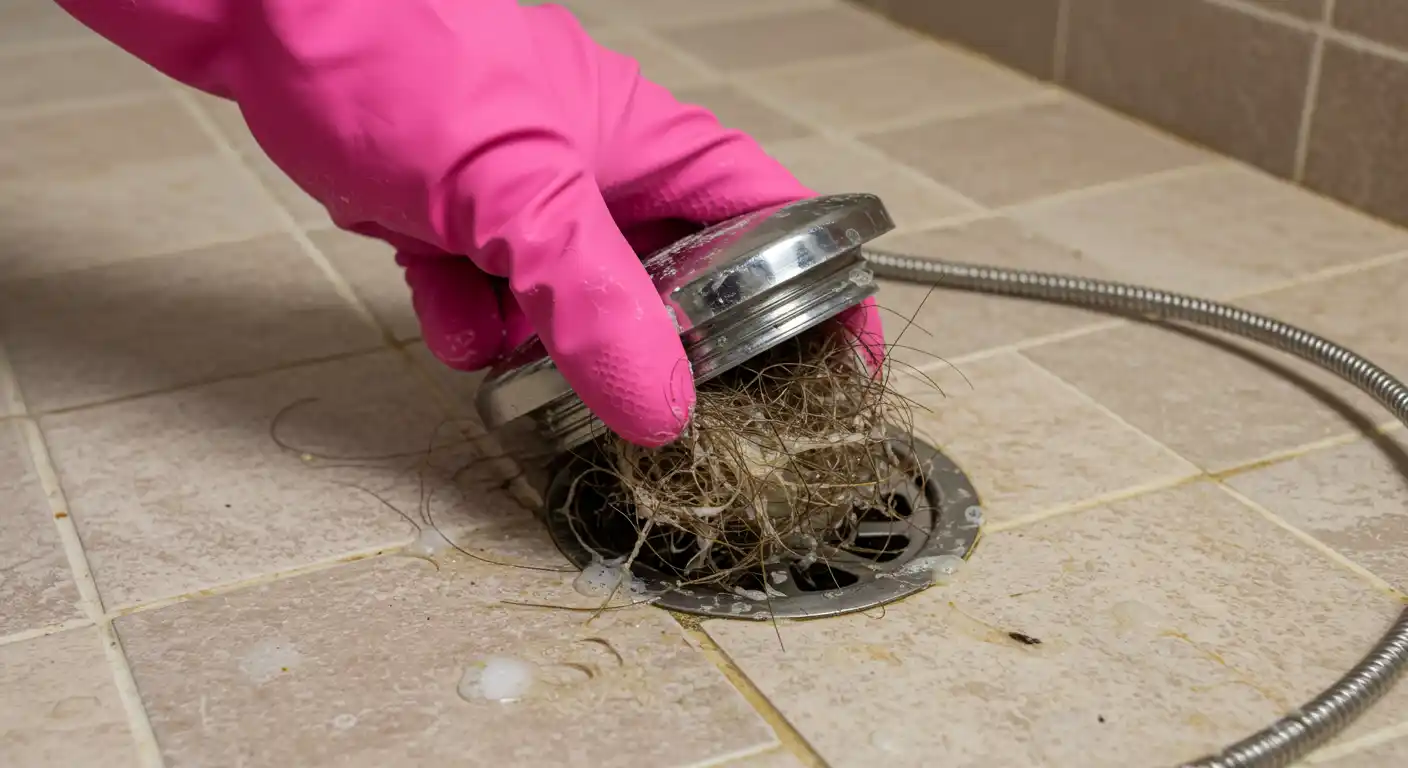
This is, by a landslide, the number one culprit. Whether it’s your luscious locks, your partner’s, or even your furry friend’s shedding session, hair is the ninja of drain clogs. It’s sneaky, it’s persistent, and it loves to weave itself into a formidable mat of blockage. Over time, this hairball accumulates soap scum and other debris, creating a formidable barrier.
Think of it like a tiny, fuzzy monster building its lair in your drainpipe. And it’s not just long hair; short hairs can also contribute to the problem, especially when combined with conditioner. If you have long hair, you’ve probably noticed that little clump of strands in your drain after every shower. Multiply that by weeks or months, and you’ve got a serious situation.
Soap Scum: The Unseen Villain
Soap, especially bar soap, contains fats and oils. When these react with the minerals in your water, they create a sticky, waxy residue known as soap scum. This scum loves to cling to the sides of your drainpipe and, you guessed it, acts as a magnet for hair and other gunk. It’s the sticky glue that holds our drain monsters together.
It’s like the bad guy in a superhero movie who uses some kind of adhesive goo to trap the hero. And it’s not just bar soap; even liquid soaps can contribute to buildup over time, though typically to a lesser extent. The warmer the water and the harder the water, the more prone you are to soap scum buildup.
Tiny Bits of… Stuff
Over time, small bits of toothpaste, dirt from your feet, product residue (think shampoo and conditioner that hasn't quite washed down), and even tiny pieces of packaging can find their way into the drain. Individually, they’re harmless. Together, and with the help of hair and soap scum, they become part of the clog collective.
It’s like a slow accumulation of junk mail in your physical mailbox. Each flyer isn’t a problem, but if you never clear it out, eventually you can’t even open the door. Your drain is the same way – a little bit of everything can add up.

Your First Line of Defense: The Simple Fixes
Before we get into anything too involved, let’s try the easiest, least-messy solutions. These are your go-to tactics for minor clogs or for preventative maintenance. Think of these as your introductory moves in the clog-fighting battle.
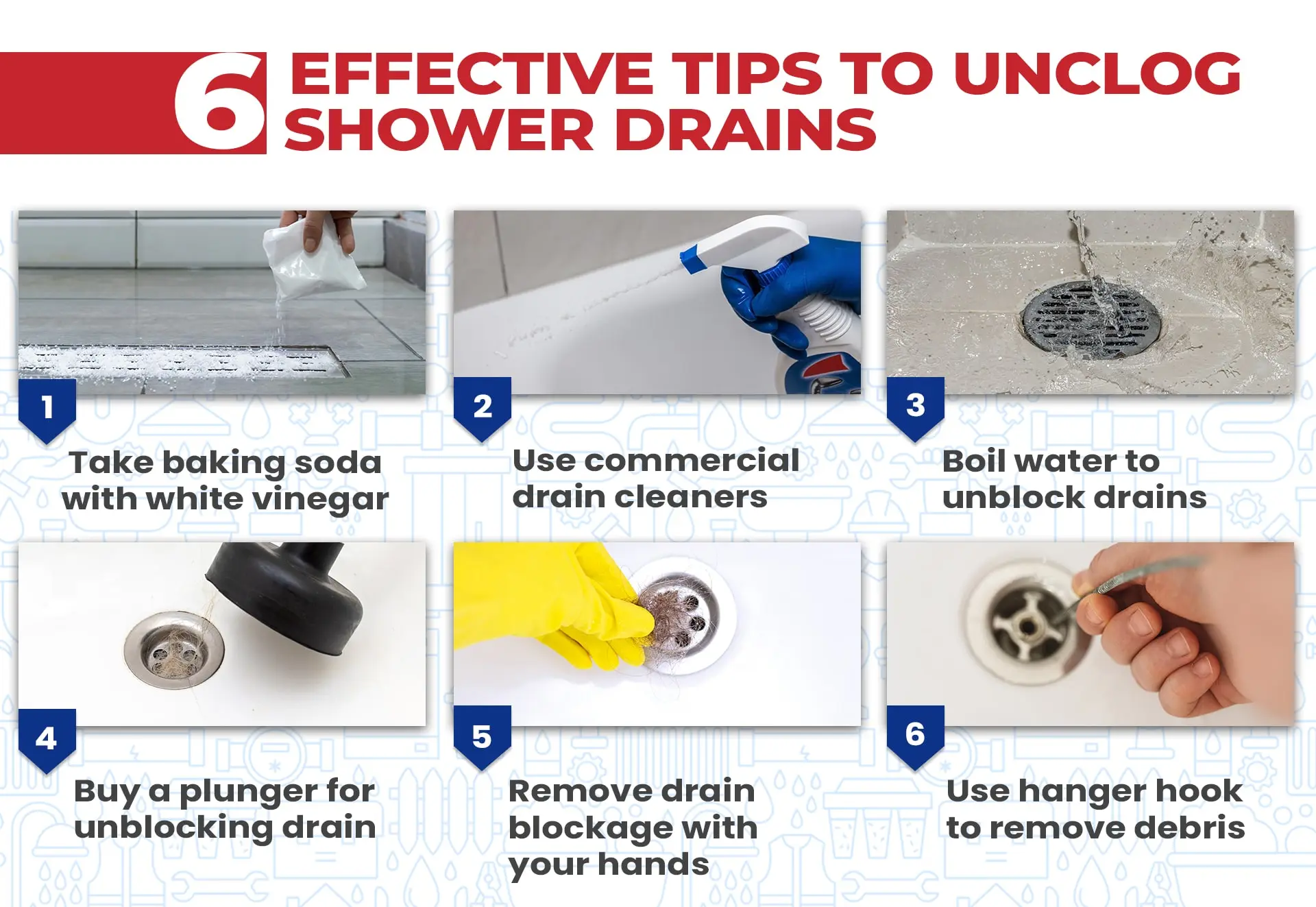
1. The Hot Water Flush (Your Morning Coffee for the Drain)
Sometimes, all your drain needs is a good, hot wake-up call. Boiling water can help to melt away grease and soap scum. This is especially effective for newer, less-stubborn clogs.
- How to do it: Boil a kettle or pot of water. Carefully pour it directly down the drain in stages. Wait a few minutes between pours to allow the hot water to work its magic.
- Pro Tip: Avoid using boiling water if you have PVC pipes, as extremely high temperatures can damage them. Very hot tap water is usually sufficient. Also, be cautious if you’ve recently poured any chemical drain cleaner down the drain, as the hot water could cause a dangerous chemical reaction.
- Fun Fact: Ancient Romans were known to use hot water to clean their plumbing systems. They understood the power of heat!
2. The Plunger: Your Trusty Sidekick
The classic plunger is an incredibly effective tool for creating suction and dislodging clogs. It’s like a mini-powered vacuum for your pipes!
- How to do it: First, make sure there’s enough water in the shower to cover the rubber cup of the plunger. If not, add some. Then, place the plunger directly over the drain, creating a tight seal. Give it a few good, forceful plunges. You’re trying to create both suction and pressure to push the clog loose.
- Pro Tip: For a better seal, you can use a bit of petroleum jelly around the rim of the plunger cup. Also, be sure to block any overflow drains in your sink or tub with a wet rag, as this can prevent the suction from escaping.
- Cultural Nugget: The plunger has been around since the 18th century! Imagine trying to unclog drains with just a stick back then.
3. The Baking Soda and Vinegar Comedy Show
This is a classic DIY solution that’s effective for mild clogs and has the added benefit of being eco-friendly and smelling… well, interesting. The chemical reaction creates bubbles that can help break down grime.
- How to do it: Pour about half a cup of baking soda down the drain, followed by an equal amount of white vinegar. It will start to fizz and bubble – let it sit for at least 30 minutes (or longer, for tougher clogs). Then, flush with hot water.
- Pro Tip: For best results, especially with hair clogs, try to remove as much visible hair as possible before you start this process. The baking soda and vinegar are great for dissolving soap scum and loosening things up.
- Science Moment: When baking soda (a base) and vinegar (an acid) mix, they create carbonic acid, which is unstable and quickly breaks down into water and carbon dioxide gas. That fizzing action is the gas escaping!
Level Two: When the Simple Stuff Isn't Enough
If the initial steps haven’t fully cleared the drain, it’s time to bring out the slightly more specialized tools. Don’t worry, we’re still not calling in the cavalry.

4. The Drain Snake (or Auger): The Professional's Secret Weapon (for Homeowners)
A drain snake is a long, flexible metal cable that you feed into the drain to physically break up or retrieve clogs. It’s like giving your drain a deep tissue massage with a metal snake.
- How to do it: Feed the end of the snake into the drain. Gently push it further in until you feel resistance (that’s likely the clog). Once you hit it, crank the handle (if your snake has one) to either break up the clog or hook onto it so you can pull it out. Be patient and work it gently.
- Pro Tip: You can often rent or purchase a basic drain snake from your local hardware store. Some newer models are designed to be very user-friendly. Remember to clean the snake thoroughly after use!
- A Little History: The concept of drain snakes dates back to the early 1900s, evolving from simple wires to the more sophisticated augers we use today.
5. The Wet/Dry Vacuum: Suction Power Unleashed
If you have a wet/dry vacuum, you can use it to suck out the clog. This is particularly effective for hair clogs.
- How to do it: Set your wet/dry vacuum to the "wet" setting. Create a tight seal around the drain with the vacuum hose. You can use a rag or a plunger head to help create this seal. Turn on the vacuum and let it run for a minute or two.
- Pro Tip: Make sure you have a good seal! This is crucial for creating enough suction. If you have an older drain with a removable cover, you might want to take that off first to get better access.
- Modern Marvel: Wet/dry vacuums are a marvel of modern convenience, tackling everything from spills to blocked drains with impressive efficiency.
6. The Bent Wire Hanger: The Improvised Hero
For a quick, on-the-spot fix for a very shallow clog (usually hair), a straightened wire coat hanger can be surprisingly effective.
- How to do it: Straighten out a wire coat hanger, leaving a small hook at one end. Gently feed the hooked end into the drain and try to snag any visible hair or debris. Pull it out carefully. Repeat as needed.
- Pro Tip: Be gentle! You don’t want to push the clog further down. This method is best for clogs that are very close to the drain opening.
- Resourcefulness: This is a classic "MacGyver" move. It’s a testament to how we can often solve problems with everyday items if we just get a little creative.
When to Call in the Big Guns
While these DIY methods are usually successful, there are times when a clog is just too stubborn or indicative of a larger issue. If you’ve tried several of these methods and your drain is still sluggish or completely blocked, it might be time to:
- Call a Plumber: If the clog persists, or if you suspect a deeper problem in your plumbing system (like a blockage in the main sewer line), it’s best to call a professional. They have specialized equipment and expertise to diagnose and fix more serious issues.
- Consider Chemical Drain Cleaners (with Caution!): These are a last resort, as they can be harsh on your pipes and the environment. If you do use them, follow the instructions very carefully and ensure good ventilation. Never mix different chemical cleaners.
Prevention is Key: Keeping Your Drains Happy
The best way to deal with a clogged drain is to prevent it from happening in the first place. Think of it as ongoing self-care for your home.
- Install a Drain Cover/Strainer: These inexpensive mesh covers catch hair and debris before they can enter the drainpipe. Clean them out regularly.
- Regular Hot Water Flushes: A weekly flush with hot water can help prevent soap scum buildup.
- Baking Soda and Vinegar Monthly: Give your drains a monthly "spa treatment" with baking soda and vinegar to keep them fresh and clear.
- Be Mindful of What Goes Down: Avoid pouring grease or coffee grounds down any drain.
And for the hair situation? If you have long hair, consider gently cleaning out the drain strainer after each shower. It might sound like a small chore, but it makes a world of difference. Think of it as a mini-meditation session, focusing on the simple act of maintaining order.
A Moment of Reflection
It’s funny, isn’t it? How a seemingly small issue like a clogged shower drain can bring our entire day to a halt. That moment of stepping into waterlogged shoes and realizing your personal oasis is more like a swamp is a stark reminder of how much we rely on the quiet, efficient workings of our homes. It’s a little like when your Wi-Fi goes out – suddenly, you remember just how much you take for granted.
But then, with a few simple steps, you restore order. You wield a plunger with confidence, or you triumphantly retrieve a hairball with a bent hanger. There’s a profound sense of accomplishment in these small victories. It’s a miniature act of self-reliance that ripples outwards, making your whole environment feel a bit more manageable and, dare I say, calm.
So, the next time your shower starts to back up, don't despair. Embrace it as an opportunity to learn a new skill, channel your inner problem-solver, and maybe even have a little fun along the way. Because in the grand scheme of things, a flowing shower is a pretty wonderful thing, and the ability to fix it yourself is a little piece of everyday magic.