How To Turn On Heater In House

So, the chill has officially set in, huh? You know that feeling – the one where your nose hairs start to freeze and your cat suddenly develops a newfound appreciation for your lap? Yep, it's heater season! And if you're staring at your thermostat like it's an alien artifact or you've just moved into a new place and the warmth is… well, not happening, then this little guide is for you. We're not going to get bogged down in super technical jargon; think of this as a friendly chat about how to bring that cozy hug back into your home.
Why is it even cool to know how to turn on your heater? It's like unlocking a secret superpower against the winter blues! Imagine being able to conjure up a warm, toasty haven with just a few clicks or turns. It’s not just about comfort; it’s about feeling in control of your own little climate. Plus, let's be honest, nobody wants to be the person shivering in a blanket fort while everyone else is wearing t-shirts indoors. Survival of the warmest, right?
Alright, let's dive in. The first and often simplest thing to check is your thermostat. This is the brain of your heating system, the maestro conducting the cozy symphony. Most thermostats are pretty straightforward, but they can sometimes look a little… intimidating. They usually have buttons or a dial, and definitely some numbers showing the temperature. Don't be shy, give it a poke!
Must Read
What are we even looking for on this magical box? Well, typically, you’ll want to set it to a "heat" or "warm" mode. Sometimes, it’s as simple as a little switch or a button that cycles through "cool," "off," and "heat." If you see "auto" and "on," you usually want auto for your heating. It lets the system decide when to kick in and when to take a breather, which is super efficient.
Then there’s the temperature setting itself. You'll see a number on the thermostat, and usually, an arrow or a plus/minus sign to adjust it. To get things heating up, you need to set the desired temperature to be higher than the current room temperature. It's like telling your heater, "Hey, buddy, it's a bit nippy in here, let's aim for a nice warm 72 degrees Fahrenheit, please!" If the number on the thermostat is already higher than the room temperature, and nothing's happening, well, that’s when we dig a little deeper.
Think of the thermostat as your home’s personal weather reporter. It's constantly checking the indoor vibe and deciding if it's time to crank up the heat. If you’ve set it to heat and the desired temperature is higher than the current temp, and still no dice, it's time to investigate other potential culprits. Don't worry, it's usually nothing scary!
One common reason for a silent heater is a tripped circuit breaker. Your home's electricity is divided into different circuits, each protected by a breaker. If a circuit gets overloaded, the breaker "trips" to shut off power and prevent damage. It's like a tiny superhero shutting down the power to save the day!
Where do you find these superhero breakers? Usually, they’re in a metal box, often in your basement, garage, or a utility closet. They’ll have a bunch of switches. You'll want to look for one that's in the "off" position or looks a little bit out of line with the others. Sometimes, they’re halfway between on and off.
To reset a tripped breaker, you’ll typically need to push it all the way to the "off" position first, and then firmly flip it back to the "on" position. It’s like giving it a firm pat on the back to get it back in the game. If a breaker trips repeatedly, though, that's a sign that something else might be going on, and it’s a good idea to call a professional. We don’t want our little superhero working overtime and getting exhausted, right?
![How to Turn On Your Basement Heater [A Complete Guide]](https://homeunderstandable.com/wp-content/uploads/2024/11/Turn-On-Your-Basement-Heater.jpg)
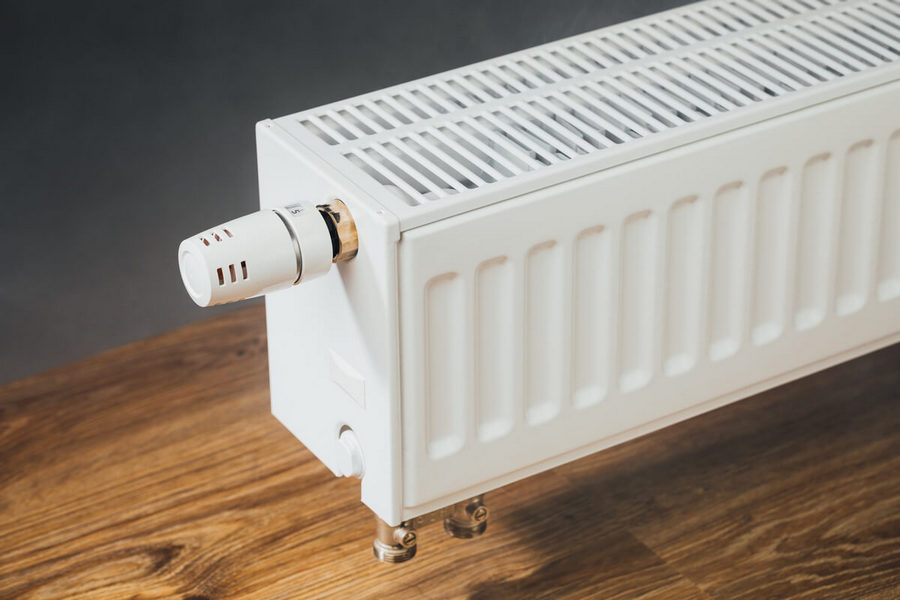
What about those other bits and bobs that make your heater work? Depending on your system, you might have different types of heating. The most common are furnaces (often gas or electric) and boilers (which heat water for radiators or baseboard heaters). They both have their own quirks.
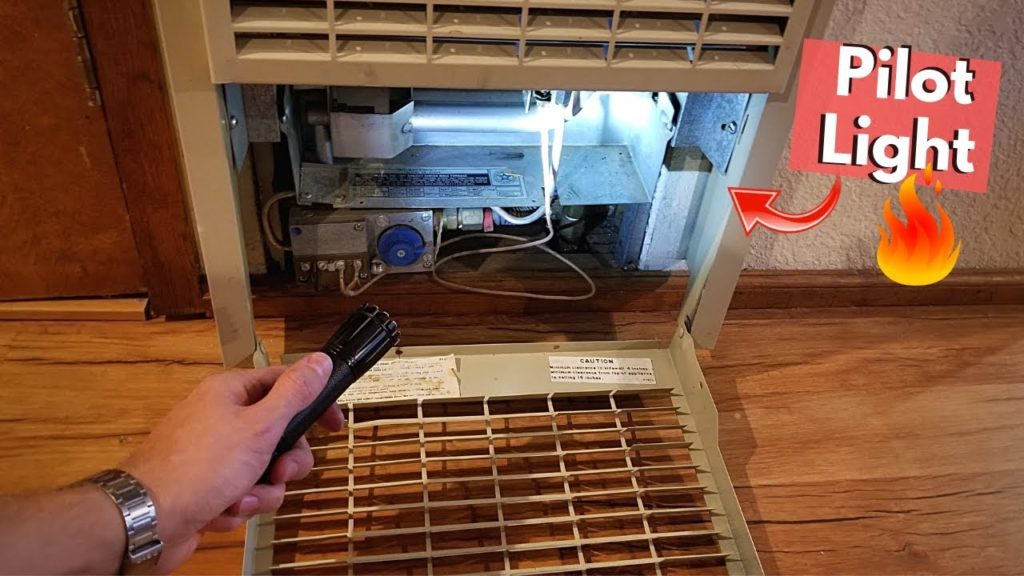
If you have a furnace, there’s often a little door or panel on it. Sometimes, you might need to check if there's a pilot light. Older furnaces might have a small, steady blue flame that’s always on. If that little flame is out, your furnace won't ignite. Modern furnaces usually have electronic ignition, so you won't see a pilot light, but there might be a switch or a button you need to make sure is in the "on" position.
For boilers and radiator systems, the process is similar. You’ll want to check for any obvious error lights or switches on the boiler itself. Most of the time, your thermostat is doing all the heavy lifting, but it’s good to know there’s a whole other system behind the scenes making the magic happen.
![How to Turn On Your Basement Heater [A Complete Guide]](https://homeunderstandable.com/wp-content/uploads/2024/11/How-to-Turn-On-Your-Basement-Heater.jpg)
Another thing to consider, and this is a biggie for keeping your system running smoothly, is your air filter. Yep, your heater needs to breathe too! A dirty, clogged air filter is like trying to run a marathon with a scarf over your mouth. It makes it harder for the air to flow, can make your system work overtime, and can even lead to it shutting down.
How do you find your air filter? It’s usually located near the furnace, often in the return air duct. It’s a flat panel, usually made of cardboard with a pleated paper material inside. It’ll have an arrow on it showing the direction of airflow.
Replacing your air filter is usually a super easy DIY job. Just slide out the old one and pop in a new one. It’s a small act of kindness to your heater that can make a huge difference. Think of it as giving your heater a fresh, clean lungful of air!

So, what if you’ve checked the thermostat, the breakers, and even peeked at the furnace, and it’s still as cold as a polar bear’s picnic? It might be time to call in the pros. There are heating technicians who are basically like the doctors for your home's warmth. They have all the fancy tools and the know-how to diagnose and fix more complex issues.
Don't feel discouraged if you can't figure it out yourself! These systems can be complicated, and that's what they're there for. Think of it like this: you wouldn't perform surgery on yourself, right? Sometimes, you need an expert. And for a warm and happy home, calling a qualified technician is a smart move.
Remember, staying warm is a fundamental part of feeling good at home, especially when the outside world is doing its best impression of an ice cube. So, whether it’s a simple thermostat adjustment or a call to your favorite HVAC person, getting your heater humming is totally achievable. It’s all about understanding the basics and not being afraid to explore a little. Happy heating, and may your home be ever cozy!