How To Turn Off Water To House
Hey there, chill vibes seekers and home-savvy adventurers! Ever had one of those days where you feel like you're juggling flaming torches while tap-dancing on a unicycle? Yeah, life can get a bit… splashy sometimes. And when it comes to our homes, that splashiness can take on a whole new, potentially flood-inducing meaning. We’re talking about water, the lifeblood of our abodes, the stuff that makes our morning coffee possible and our evening showers a dream. But what happens when that lifeblood decides to go rogue? Or perhaps you’re just embarking on a DIY project that requires a temporary water hiatus. Whatever your reason, knowing how to turn off the water to your house is a superpower every homeowner should possess. Think of it as your personal emergency brake for H2O emergencies.
Now, before you envision yourself wrestling with ancient, rusty valves like Indiana Jones battling a boulder, let's take a deep breath and channel our inner Zen masters. This isn't some Herculean task reserved for grizzled plumbers with toolbelts the size of small refrigerators. It's a totally achievable skill that can save you from a soggy disaster and a hefty plumbing bill. So, grab your favorite beverage – water, perhaps? – and let's dive in, shall we?
The Grand Shut-Off: Locating Your Water Main Valve
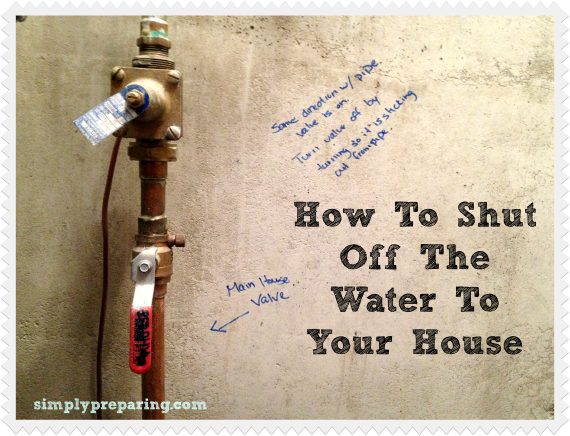
Alright, team, the first step to mastering the art of the water shutdown is like a treasure hunt, but instead of gold, you're hunting for a valve. This is your main water shut-off valve, the maestro of your entire home's water supply. Think of it as the conductor’s baton; when it stops waving, the water symphony ceases.
Must Read
Where does this mythical valve reside? Well, it’s usually hiding in plain sight, but sometimes it likes to play a little game of hide-and-seek. The most common locations include:
- Your basement or crawl space: This is prime real estate for the water meter and the main shut-off valve. Look for a pipe coming directly from the ground or wall.
- Outside your home: Sometimes, especially in warmer climates or older homes, the valve might be located in an underground box near the street, or even on an exterior wall where the water line enters the house. Keep an eye out for a small metal or plastic lid in your yard.
- Utility room or garage: These are also popular spots, particularly if your home’s plumbing originates from these areas.
Pro-tip: If you’re unsure, don't panic! Many municipalities have records of where your water meter and main shut-off are located. A quick call to your local water department might just be the shortcut you need. Alternatively, a friendly neighbor who’s a seasoned homeowner might have the intel. It’s like tapping into the wisdom of the ancient aqueduct builders, but with less toga-wearing.
Identifying the Valve Type: Handle with Care!
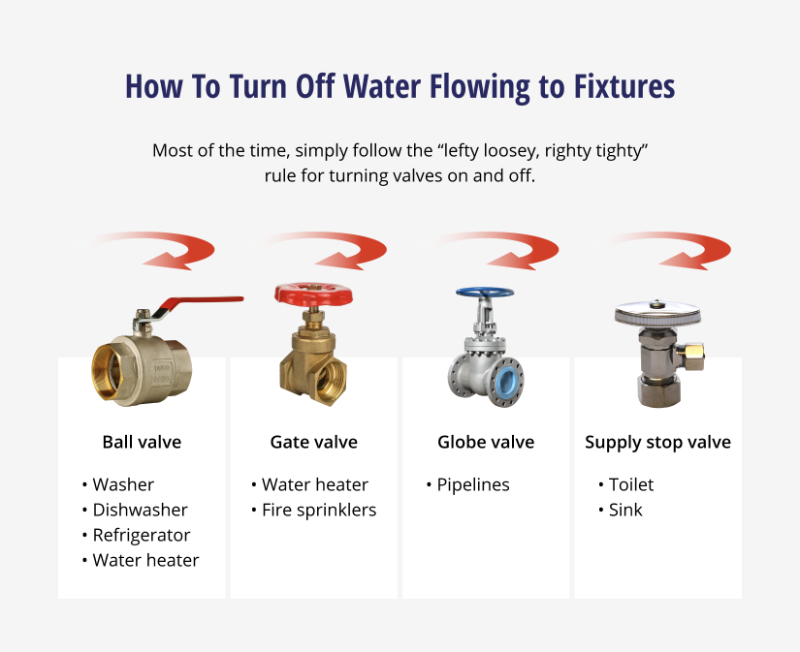
Once you've located your treasure, you'll notice that water shut-off valves aren't all created equal. They typically come in two main flavors:
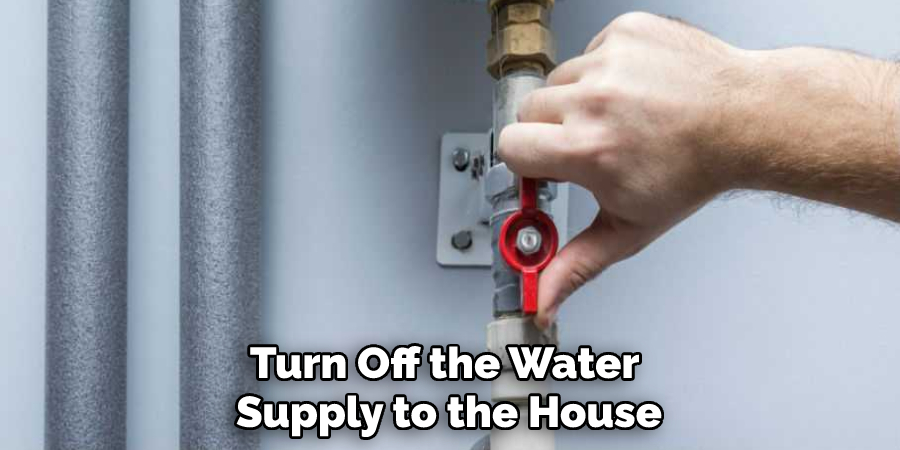
- Ball Valves: These are the modern, sleek performers. They have a lever-style handle. To turn off the water, you simply need to rotate the lever 90 degrees so that it’s perpendicular to the pipe. Easy peasy, right? It’s like flipping a light switch, but for water.
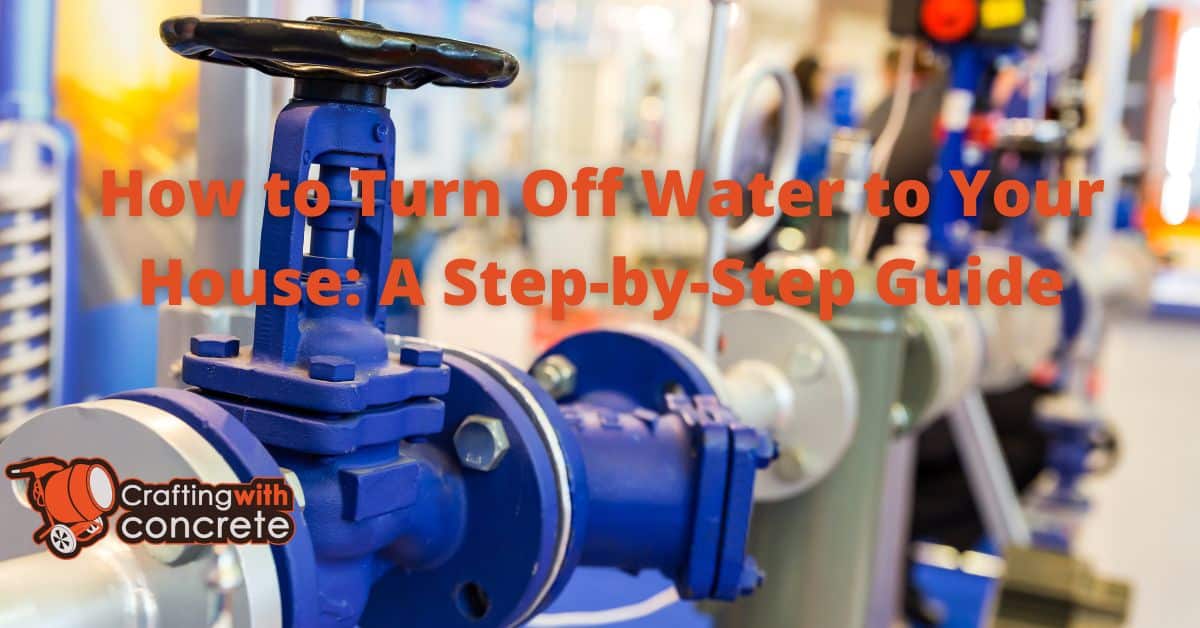
- Gate Valves: These are the vintage charmers, often found in older homes. They have a round, wheel-like handle, similar to a faucet in your kitchen. To shut off the water with a gate valve, you’ll need to turn it clockwise until it’s snug. Don't overtighten, though – we’re not trying to win a strength competition here!
A fun fact for you: The concept of plumbing itself dates back to ancient civilizations like the Romans and Egyptians. Imagine them, trying to figure out how to control water flow without modern valves! We’ve come a long way, baby.
When Disaster Strikes (or When You Just Want a Vacation from Dripping Faucets)
So, why would you ever need to perform this water-stopping feat? Let’s brainstorm a few scenarios, shall we?

- The Dreaded Leak: A burst pipe, a leaky faucet that’s driving you mad, or a toilet that’s decided to go on a perpetual flushing spree. These are the classic emergencies where immediate action is key to preventing a watery apocalypse in your living room.
- Home Renovations: Embarking on a bathroom remodel or a kitchen overhaul? You’ll likely need to shut off the water to that specific area, or sometimes the entire house, to work safely. Think of it as prepping your home’s circulatory system for surgery.
- Winterizing Your Home: If you live in a region prone to freezing temperatures, shutting off the water and draining your pipes before winter is crucial to prevent them from bursting. It’s like tucking your home into a cozy, water-free blanket for the cold months.
- Extended Absences: Going on a globetrotting adventure for a few weeks or months? It’s a smart move to turn off the main water supply to prevent any unexpected leaks from causing chaos while you’re off sipping mojitos on a beach somewhere. Peace of mind is priceless.
Imagine the iconic scene from "Singin' in the Rain," but instead of joyous splashing, it's controlled and deliberate. We're channeling Gene Kelly's spirit, but with less umbrella and more utility.
Step-by-Step Guide: Your Water-Off Checklist
Ready to put your newfound knowledge into action? Here’s a simplified, no-stress guide to turning off your house water:
- Locate the Main Shut-Off Valve: We've covered this! Go on a little expedition.
- Identify the Valve Type: Ball or gate? Handle with care.
- Turn Off the Valve: For ball valves, rotate the lever 90 degrees. For gate valves, turn clockwise until snug. Remember, righty-tighty is your friend here.
- Check That It Worked: Open a faucet (preferably the lowest one in your house, like in the basement or an outdoor spigot) and let it run. If no more water comes out (or just a trickle that quickly stops), congratulations, you've succeeded! This also helps drain any residual water from the pipes, which is especially important if you're winterizing.
A little cultural tidbit: The Romans were masters of water management, building impressive aqueducts and intricate plumbing systems. They even had public fountains and baths! Our modern plumbing is a direct descendant of their ingenious work.
When to Call in the Pros: Knowing Your Limits
While knowing how to turn off your water is a fantastic skill, it’s also important to recognize when you’re venturing into the territory of the plumbing pros. Here are a few situations where you might want to pick up the phone:
- Can't Find the Valve: If you’ve searched high and low and still can’t locate your main shut-off valve, it’s better to call a plumber than to risk damaging something or wasting precious time.
- Stuck or Damaged Valve: If the valve is corroded, stuck, or looks like it's about to give up the ghost, forcing it can cause more problems than it solves. Let a professional handle it.
- You Need to Turn Off Water to Specific Fixtures: For more localized plumbing issues (like a single leaky sink), you’ll often need to turn off the shut-off valves located directly behind the fixture itself. If you’re not comfortable with that, a plumber is your go-to.
- You've Turned It Off, But Water Still Flows: If you’ve followed the steps and water is still gushing, there might be a more significant issue at play. Don’t play hero; call for backup.
Think of plumbers as the highly skilled surgeons of your home's water system. They have the specialized tools and knowledge to handle complex procedures. It’s like comparing a home cook making a simple pasta dish to a Michelin-starred chef preparing a five-course tasting menu. Both are cooking, but the skill level and complexity are vastly different.
The Sweet Relief: Turning the Water Back On
Once your plumbing adventure is complete, or your renovation is finished, it’s time to let the water flow again! The process is just as straightforward:
- Ensure All Faucets Are Off: This is a crucial step! You don't want a sudden surge of water to create a miniature water park in your bathroom.
- Locate the Main Shut-Off Valve: You know the drill!
- Turn On the Valve: For ball valves, rotate the lever back parallel to the pipe. For gate valves, turn the wheel counter-clockwise until it’s fully open.
- Slowly Open Faucets: Start with one faucet, preferably a lower one. Let the water run for a minute or two to clear out any air that might have been trapped in the pipes. You might hear some sputtering and gurgling – that’s totally normal!
- Check for Leaks: As the system fills up, keep an eye out for any new leaks that might have appeared during your work.
It’s a moment of quiet satisfaction, isn't it? The gentle hum of running water, the ability to flush a toilet without a second thought. It’s the small, often overlooked comforts of modern life.
A Moment of Reflection
In our fast-paced world, it’s easy to take for granted the simple yet essential systems that keep our homes running smoothly. The ability to turn off the water to your house might seem like a small thing, but it’s a practical skill that grants you a sense of control and preparedness. It’s about being a little more self-sufficient, a little more connected to the inner workings of your living space. Like knowing how to change a tire or whip up a basic meal, it’s a small piece of independence that makes a big difference when you need it.
So, the next time you hear that unsettling drip or embark on a DIY dream, remember your water-stopping superpower. It’s not just about preventing a flood; it’s about understanding and managing your home, one valve at a time. And that, my friends, is a truly empowering feeling. Now go forth, and may your plumbing always be in your favor!