How To Trim A Palm Tree Plant

Hey there, fellow plant parent! So, you've got yourself a palm tree, huh? Lucky you! Those tropical vibes are just chef's kiss. But maybe yours is starting to look a little… raggedy? Yeah, I've been there. Those brown fronds can really cramp your style, can't they? Don't worry, though. Trimming your palm isn't some super-secret horticultural ritual only learned in a jungle shaman school. It's totally doable, even for us mere mortals who sometimes forget to water our succulents (no judgment, I swear!).
Let's get real for a sec. Your palm tree isn't going to keel over if you don't trim it. It's pretty self-sufficient, right? That's part of their charm! But sometimes, nature needs a little nudge, a gentle prune. Think of it like giving your friend a stylish haircut – it just makes them look that much better. And honestly, a well-groomed palm is a happier palm, and a happier palm means a more fabulous yard, or living room, or wherever your leafy friend resides.
So, what are we even talking about when we say "trimming a palm tree"? We're mostly talking about those sad, crispy, brown fronds. You know the ones. They're usually hanging low, looking like they've seen better days. They've done their job, absorbed all that glorious sunshine, and now it's time for them to gracefully… well, fall off. Or for us to help them along their way.
Must Read
The Brown Frond Situation: A Sad Saga
These brown fronds are the main event. They're like the fallen leaves of autumn, but for your tropical superstar. And they're not just an eyesore, oh no. They can actually harbor pests and diseases. Eek! Imagine tiny little creepy crawlies setting up shop in your beautiful palm's dead bits. Not ideal, right? So, trimming them is like giving your palm a little protective shield. Think of yourself as a tiny, green-thumbed bodyguard.
Now, you might be tempted to just go in with scissors and snip away at any brown bit you see. Hold up there, cowboy (or cowgirl!). We need to be a little more strategic than that. We're not aiming for a bald look here, unless that's your avant-garde tropical aesthetic. We're talking about dead or dying fronds. There's a difference, and it's an important one.
How to Spot a Truly Deceased Frond
This is where the detective work comes in. You've got to be a bit of a palm whisperer. Look for fronds that are completely brown. Not just a little yellowing at the tips, but a full-on, all-over brown situation. They'll likely feel brittle and papery. If you gently tug on it, and it feels like it's just hanging on by a thread, that's a good sign it's ready for retirement.
Sometimes, a frond might be mostly brown but still have a tiny bit of green. In these cases, it's usually best to leave it. That little bit of green might still be trying to do its thing. We're not trying to be too brutal here. Remember, it's a living thing! We want to help it thrive, not send it into early retirement.
Another clue? The angle. Dead fronds often start to droop lower than the healthy green ones. They might be practically kissing the ground. If you see a frond doing a dramatic swan dive, it's probably time for it to go. Unless, of course, your palm is trying to make a statement. Who are we to judge its artistic expression?
Tools of the Trade: What You'll Need
Okay, so you've identified your targets. Now, what do you actually use to get the job done? You're not going to wrestle it to the ground, are you? (Please tell me you're not wrestling your palm tree.) We need some proper tools. And by "proper," I mean things that are actually designed for this. No using your kitchen knives, for goodness sake! You'll end up with a very unhappy palm and possibly a trip to the ER.
The Pruning Shears of Power (for smaller palms)
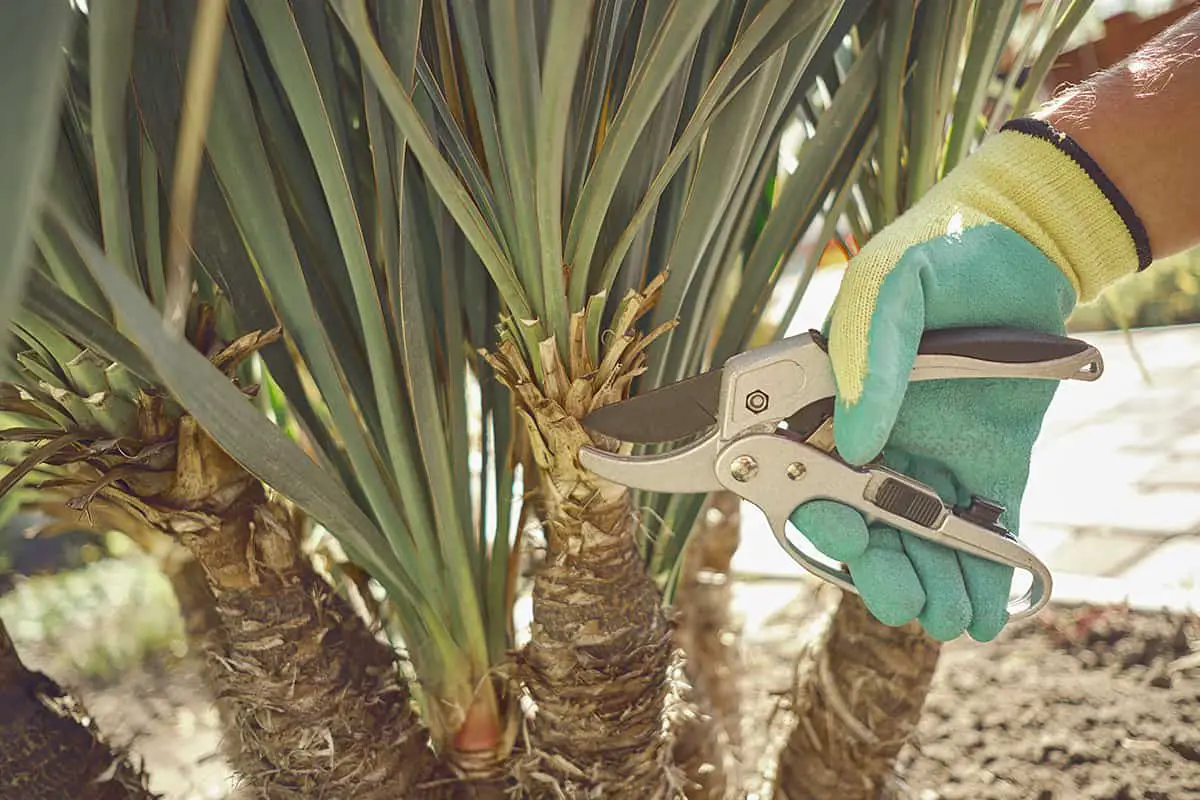
For smaller palms, or for those pesky lower fronds that are within easy reach, a good pair of bypass pruners will be your best friend. These are like fancy scissors for plants. They make a clean cut, which is crucial for healthy healing. Think of it as a surgical strike, but with less blood and more chlorophyll. Make sure they're sharp! Dull blades can tear and damage the plant, which is the opposite of what we're going for.
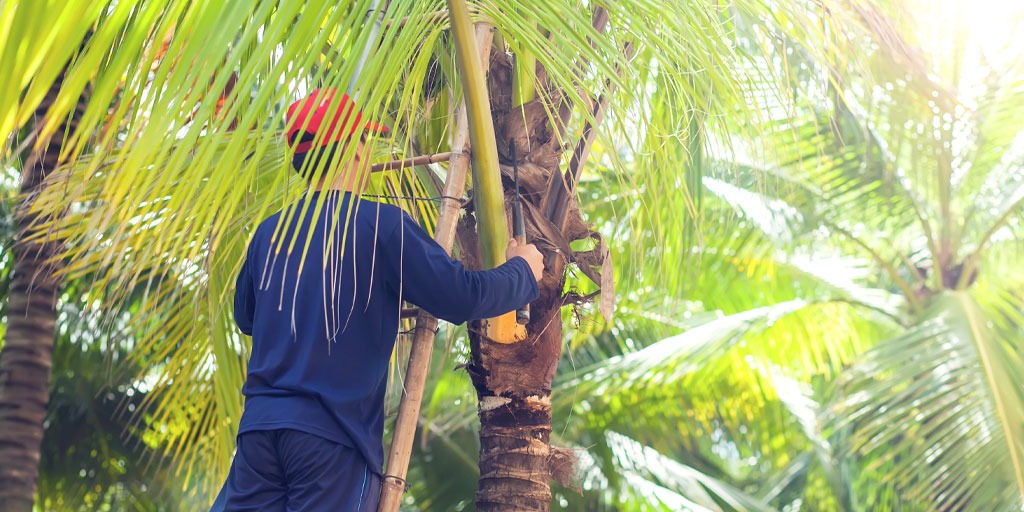
When you're using your pruners, aim for a clean cut as close to the trunk as possible without actually cutting into the trunk itself. We're not trying to give it a lobotomy! Just remove the dead frond at its base.
The Lopper's Long Reach (for those slightly higher fronds)
If your fronds are just a little out of reach, or if you're tackling a slightly larger palm, you might need a pair of loppers. These have longer handles, giving you that extra leverage and reach. It's like giving your arms superpowers. Suddenly, those slightly higher fronds are no longer a challenge. Just be careful not to overextend yourself. You don't want to be doing the splits in your backyard trying to reach a leaf, unless that's your cardio of choice.
Again, sharp blades are your friend. And aim for that clean cut. We're trying to be neat and tidy here, like a well-dressed palm at a garden party.
The Pole Saw's Majesty (for the tall and mighty palms)
Now, if you have a truly majestic, towering palm, the kind that scrapes the sky, you're going to need something more substantial. Enter the pole saw. This is basically a saw attached to a long, extendable pole. It's the ultimate tool for reaching those high-up fronds. It's like having a professional tree-trimming service at your fingertips. Pretty cool, right?
Using a pole saw can be a bit more involved. You'll need to be comfortable with heights (or at least with holding something tall and potentially wobbly). Make sure you have a good, stable stance. And for the love of all that is green, be aware of your surroundings. No sawing off power lines, no whacking unsuspecting neighbors, and definitely no accidentally pruning your own head. Safety first, folks!
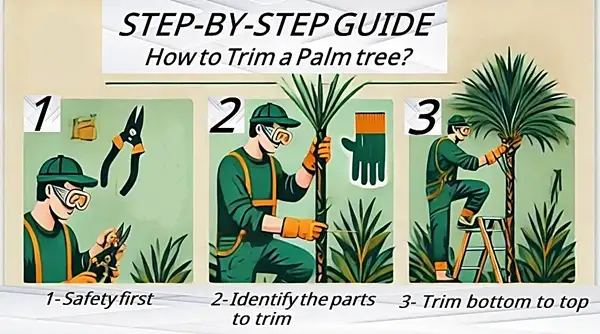
The Trimming Technique: A Step-by-Step Guide
Alright, let's get down to business. We've got our tools, we've identified our targets. Time to get snipping!
Step 1: Assess and Plan
Before you even pick up a tool, take a good look at your palm. How many dead fronds are there? Which ones are the most obvious candidates? Are there any that are diseased or look particularly suspicious? Make a mental map (or a literal one, if you're feeling organized!) of what you're going to tackle.
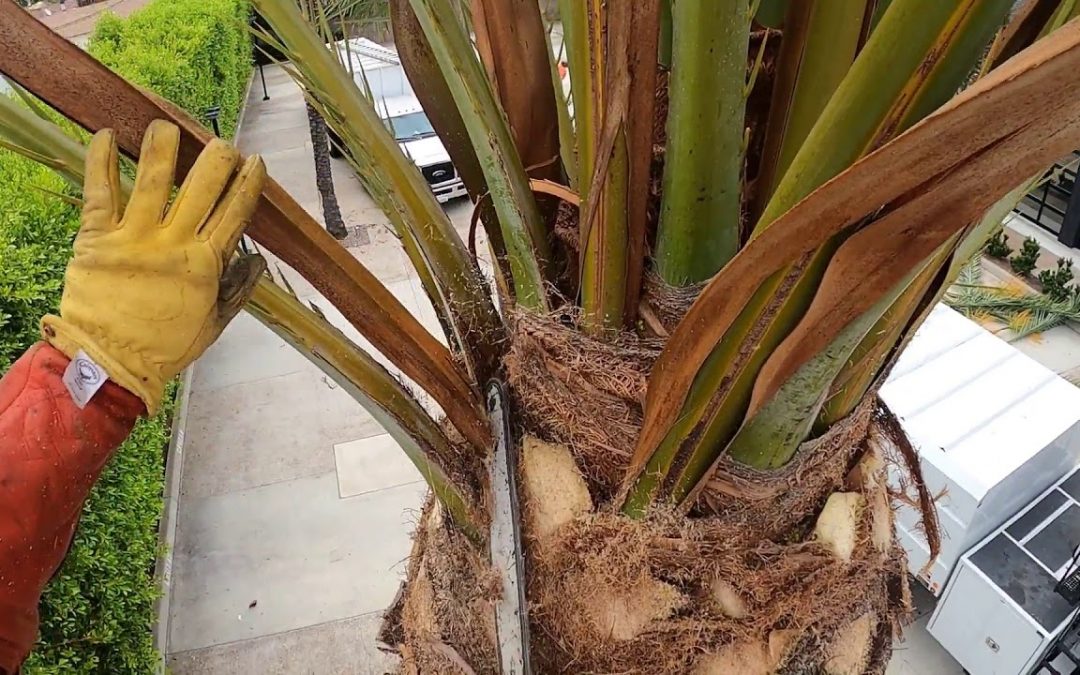
It's also a good idea to decide if you're going to do it all at once or in stages. Sometimes, for very large palms, it's better to tackle a few fronds at a time to avoid overstressing the plant. Think of it as a spa day, not an endurance test.
Step 2: Safety First (Seriously!)
Put on some sturdy gloves. Palm fronds can have sharp edges, and you don't want to end up with a hand full of splinters. If you're using a pole saw, consider safety glasses. You never know when a bit of debris might fly off. And if you're on a ladder (which, by the way, is often not recommended for palm trimming unless you're a pro), make sure it's secure and someone is spotting you. Better safe than sorry!
Step 3: The Clean Cut is Key
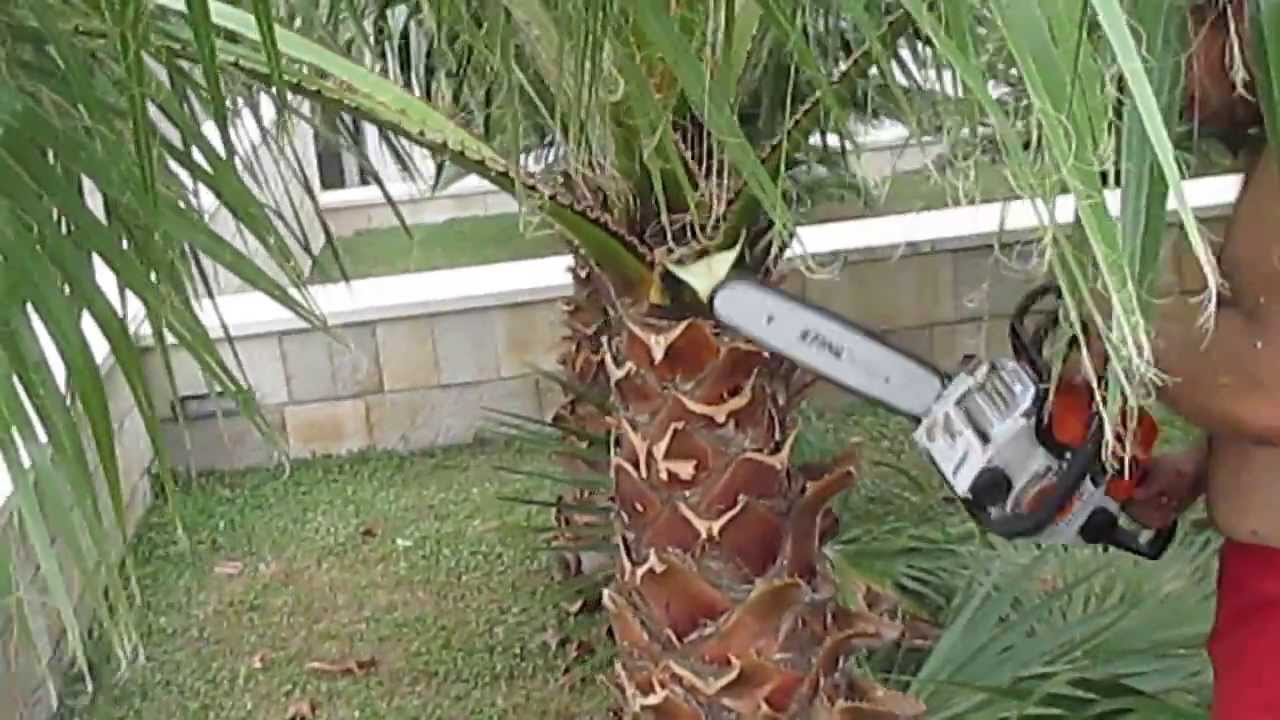
Now for the actual trimming. For fronds that are easy to reach, use your pruners or loppers. Find the base of the frond where it meets the trunk. Aim for a clean cut right at that point. You want to remove the entire frond, but again, don't cut into the trunk. The bark of the palm is its protective layer, and we don't want to compromise that.
Think of it like trimming a dead branch off a regular tree. You're removing the dead part, not digging into the healthy wood. A clean cut will help the wound heal faster and reduce the risk of infection. It's like giving your palm a little band-aid, but way more natural.
Step 4: Dealing with the Stiff Stuff
Sometimes, those dead fronds can be surprisingly stiff and tough. You might need to give them a good tug to help them detach after you've made your cut. If a frond is really stubborn, you might need to make a couple of small cuts to get it free. Just be patient and don't force it. If it's fighting you that hard, it might not be quite as dead as you thought!
Step 5: What About the Spiky Bits? (Petiole Bases)
Some palms have these rough, spiky bits at the base of their fronds, called petiole bases. They can be pretty sharp! While you can trim these off for aesthetic reasons, it's not strictly necessary for the health of the palm. In fact, some argue that leaving them on can provide a bit of natural protection for the trunk. If you do decide to trim them, make sure you do it carefully and cleanly, again, without damaging the trunk.

This is where those really sharp pruners come in handy. You're essentially trimming away the hardened part of the leaf stem. It's a bit like trimming away calluses, but for your palm. Just go slow and steady.
When NOT to Trim Your Palm
Just as important as knowing when to trim is knowing when to leave it alone. Trimming your palm at the wrong time or in the wrong way can actually harm it. Who knew pruning could be so nuanced?
Don't Go Overboard!
This is a big one. Never remove more than one-third of the green fronds at any given time. This is for the palm's survival! Those green fronds are its food factories, producing energy through photosynthesis. If you remove too many, you're essentially starving your plant. That's like going on a crash diet and expecting to feel great. Not a good look for anyone, especially your palm.
So, if your palm looks like it's wearing a leafy halo with a few brown bits hanging down, that's probably its natural state. We're just tidying up the edges, not giving it a buzz cut.
Avoid Cutting Into the Trunk
I've said it before, and I'll say it again because it's that important: Do not cut into the trunk. The trunk is the palm's lifeline. Cutting into it creates wounds that can lead to disease and pest infestations. It's like giving it a papercut, but way worse. The trunk is where the vascular system is, where all the good stuff flows. Keep your tools strictly on the fronds.
Timing is Everything (Usually)
For most palms, trimming is best done in the late spring or early summer. This is when the palm is actively growing and can heal from any wounds more effectively. Avoid trimming in the fall or winter when the plant is entering a period of dormancy. It's like trying to have a heart-to-heart with someone who's already fast asleep – not very productive.
However, this can vary depending on your specific palm species and your climate. If you have a particularly unusual palm, it's always a good idea to do a quick search for its specific needs. There are entire books dedicated to palm trees, so a little research goes a long way!
What to Do with the Trimmings
So, you've got a pile of dead palm fronds. What do you do with them? Throwing them in the bin feels a bit… sad. These are the remnants of your palm's hard work, after all!
Compost Power!
Palm fronds are fantastic for your compost pile. They break down pretty well, adding valuable organic matter to your soil. Just chop them up into smaller pieces to speed up the decomposition process. It's like giving them a second life, but this time, they're helping your garden grow!
Mulch Magic
You can also use chopped-up fronds as mulch around your other plants. They help retain moisture in the soil, suppress weeds, and add a nice, natural look to your garden beds. Just be aware that they can take a while to break down, so if you're using them as a surface mulch, you might want to mix them with other, faster-decomposing materials.
Decorative Dreams
Some people even find creative uses for dried palm fronds, like in crafts or arrangements. So, before you toss them, get a little creative! You never know what beautiful things you can make.
A Final Word of Encouragement
See? Trimming your palm tree isn't so scary, is it? It's just a little bit of maintenance to keep your tropical beauty looking its best. With the right tools and a little bit of know-how, you can keep your palm happy and healthy for years to come. And who doesn't want a perfectly pruned palm gracing their space? It's a win-win!
So, go forth and prune with confidence! Your palm tree will thank you for it. And hey, if you mess up a little bit, it's not the end of the world. Plants are surprisingly resilient. Just remember to breathe, take your time, and enjoy the process. Happy trimming!