
How To Treat White Spot On Fish
Ever peeked into your fish tank and noticed tiny, shimmering salt-like specks clinging to your finned friends? Don't panic! It's probably just that little mischievous troublemaker known as White Spot Disease, or the super fun, but not-so-fun-to-deal-with, Ich. Think of it as your fish getting a tiny, temporary glitter bomb attack from Mother Nature. It's a surprisingly common little drama unfolding in aquariums everywhere, and honestly, watching your fish bounce back from it can be quite the captivating spectacle.
Now, while it might sound a bit alarming, dealing with White Spot is actually a pretty straightforward adventure. It’s like solving a little aquatic puzzle, and the reward is a tank full of happy, healthy, and sparkly fish again. It’s the kind of thing that makes you feel like a fish doctor, a super-sleuth, and a champion all rolled into one. So, let's dive in and explore how we can help our little underwater pals shake off these unwelcome visitors.
The Tiny Invaders
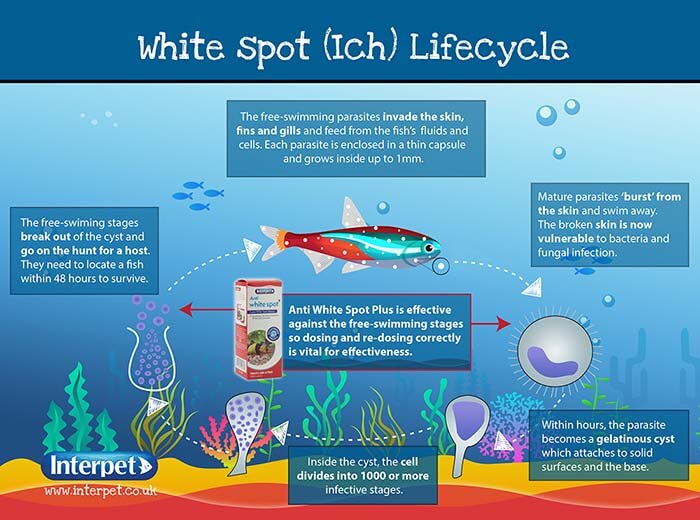
So, what exactly are these little white specks? They're not actually salt. They're tiny parasites called Ichthyophthirius multifiliis. They latch onto your fish, looking for a comfy spot to grow and multiply. It’s a bit like a microscopic house party happening on your fish’s scales. Pretty wild, right?
Must Read
When you see those little white dots, it's your signal that the party has begun. The parasites are in their "trophont" stage, burrowing into the skin and gills. This is the most visible stage, and it’s your cue to spring into action. Don't let them get too comfortable!
Spotting the Signs
Besides the obvious white spots, your fish might start acting a little peculiar. They might be scratching themselves against objects in the tank, looking like they’re trying to shed a bad outfit. They could also be breathing faster or seem generally less energetic. Imagine feeling itchy all over and not being able to scratch effectively – that’s probably how they feel!
Some fish might lose their appetite, which is a big red flag. They might also clamp their fins, making them look sad and droopy. It's like they're trying to tell you, "Help me, I've got glitter stuck to me and I can't get it off!" Recognizing these subtle changes is key to early intervention.

The Treatment Expedition
The good news is that White Spot is totally treatable. There are a few different ways to tackle this, and it often involves a combination of approaches. It's not just about throwing a magic potion in; it's about understanding the life cycle of the parasite and disrupting it. This makes the whole process quite educational, in a fun, hands-on way.
One of the most common and effective methods involves using a special medication. These are readily available at your local fish store. They're specifically designed to target the parasite and help your fish get back to their dazzling selves. Think of it as a spa treatment for your fish, but with a medicinal twist.
Medication Magic
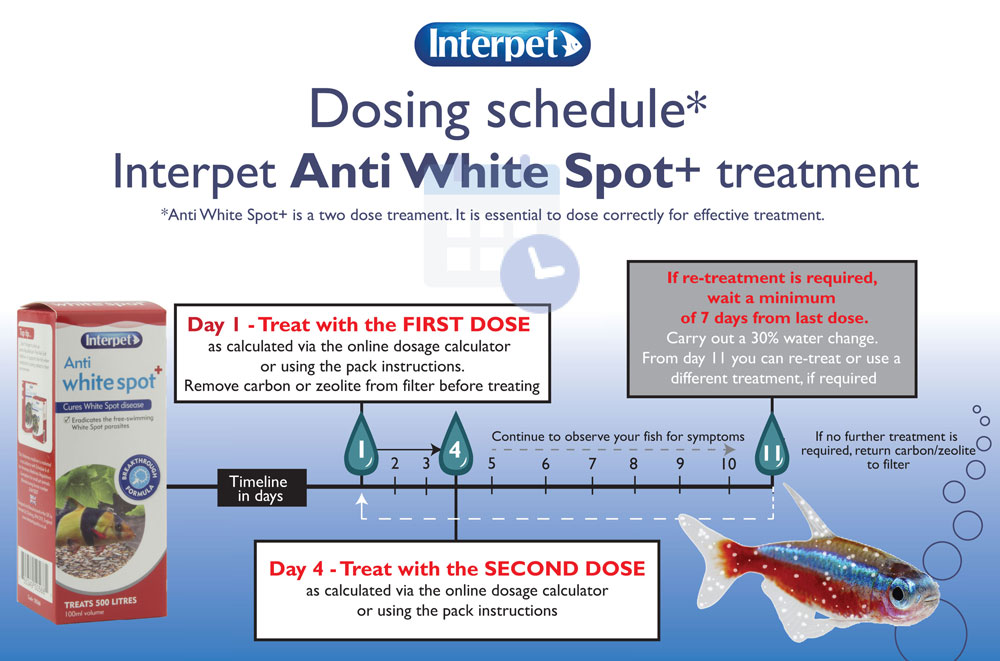
When you opt for medication, it’s usually a liquid that you add to your aquarium water. You’ll need to follow the instructions carefully, as dosages are important. Overdosing can be harmful, and underdosing might not be effective. It's like being a meticulous scientist for a short period.
These medications work by killing the free-swimming stages of the parasite. The ones that have attached themselves to the fish are harder to kill, which is why consistent treatment is crucial. You’re essentially waging war on an invisible enemy, and your fish are the brave soldiers.

The Temperature Tactic
Another fantastic and often complementary tactic is to slightly raise the aquarium temperature. Now, don’t go thinking you’re turning your tank into a tropical sauna overnight! It’s a gradual increase. A few degrees Fahrenheit can really speed up the parasite's life cycle.
Why is this so cool? Because when the parasite’s life cycle speeds up, it means it reaches the vulnerable free-swimming stage faster. This makes it much easier for your medication to do its job. It's a brilliant example of working with nature, even when nature throws a little curveball at you. This step is surprisingly satisfying to implement.
The Power of Water Changes
Don't underestimate the humble water change! Regular, partial water changes are your best friend when battling White Spot. They help remove the free-swimming parasites from the water column, reducing the overall "infection" load. It's like giving your tank a good spring cleaning, but with a specific purpose.
This is also a great opportunity to check on your fish and the effectiveness of your treatment. It’s a moment to observe their progress and feel that surge of satisfaction as they start to look healthier. Plus, it keeps your water parameters in tip-top shape, which is always a win for any aquarium owner.
A Tank Full of Hope
Dealing with White Spot can feel like a bit of a race against time, but it’s also incredibly rewarding. Watching your fish go from looking a bit rough to their usual vibrant selves is a truly special experience. It’s a testament to your dedication and the resilience of these amazing creatures.
Remember to be patient. Treatment can take a week or more. Keep the medication going, continue with your water changes, and observe your fish closely. You're on a mission to restore their sparkle, and that's a pretty exciting quest.
Prevention is Key
Once you’ve successfully treated White Spot, you’ll want to prevent it from making a comeback. The best defense is a good offense, as they say! This means maintaining excellent water quality and avoiding unnecessary stress on your fish.
Quarantining new fish before introducing them to your main tank is a game-changer. It's like a little VIP waiting room for new arrivals. This way, if they happen to be carrying any unwelcome guests, they can be treated discreetly without affecting your established community. This preventative measure is almost as satisfying as the cure!

The Joy of a Healthy Tank
There’s a unique kind of joy in having a thriving aquarium. When your fish are darting around, their colors are bright, and they’re interacting playfully, it’s a miniature world of wonder right in your home. White Spot is just a temporary hiccup on the path to that perfect aquatic paradise.
So, the next time you notice those tiny white dots, don’t despair. Embrace the challenge! It’s an opportunity to learn, to engage, and to become an even better fish guardian. The journey from spotting White Spot to celebrating its absence is a testament to your commitment and a truly entertaining display of aquatic healing. It’s a story of survival and a celebration of a healthy, happy tank!
Remember: Always research the specific needs of your fish species and consult with a veterinarian or experienced aquarist if you're unsure about any aspect of treatment.

