How To Thicken Icing

Okay, fellow dessert enthusiasts and kitchen adventurers! Let’s talk about a situation that has probably sent a shiver down your spine, a situation so dire it could ruin a perfectly good cupcake. I’m talking, of course, about icing that’s thinner than a politician’s promise! You know the drill. You’ve spent ages whipping up that glorious, sugary masterpiece, dreaming of fluffy clouds of sweetness to crown your baked goods. You pull out the piping bag, full of anticipation, and then… splat! A sad, runny puddle that drips sadly down the side of your creation, looking less like elegant decoration and more like a sugary tear. Don't you just want to throw the whole thing out the window and order a pizza? Well, hold on to your spatulas, because I'm here to tell you that a thin icing situation is NOT the end of the world. In fact, it's often just a minor hiccup, a little speed bump on the road to icing perfection. And guess what? Fixing it is ridiculously easy!
Think about it. You’ve just baked the most amazing cookies, maybe some chewy chocolate chip wonders or delicate sugar cookies that are practically begging for a sweet embrace. Or perhaps you’ve tackled a magnificent cake, a multi-layered marvel that deserves a crown of pure joy. You’ve got your trusty bag of frosting, ready to go. And then – BAM! – the consistency is all wrong. It’s so thin, it’s practically see-through. It slides off your spoon like it’s auditioning for an Olympic diving team. It’s a disaster zone, a confectionary catastrophe waiting to happen. But before you descend into a spiral of frosting-related despair, let me whisper a little secret into your sugary ear: there are magical ways to thicken that runny mess into something that will make your taste buds sing opera!
First things first, let's acknowledge the culprit. Most of the time, your icing is just a little too much liquid. Whether it’s milk, cream, or some other delightful liquid you’ve added to get that perfect texture (or what you thought was the perfect texture), sometimes you just add a smidgen too much. It’s like adding too much water to your coffee – suddenly it’s not coffee anymore, it’s… vaguely brown water. And that’s what’s happening to your precious icing!
Must Read
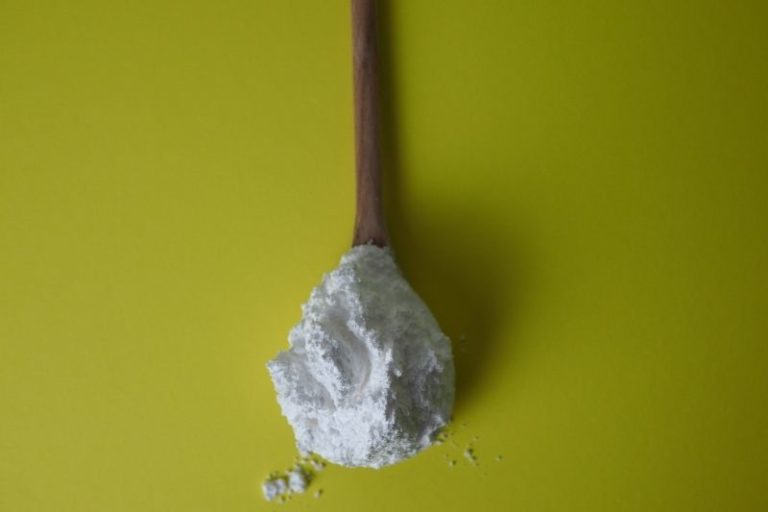
So, what’s the superhero that swoops in to save the day? It’s usually something you already have lurking in your pantry. The undisputed champion, the heavyweight contender in the world of icing thickening, is none other than good old powdered sugar. Yes, that magical, dusty stuff that makes everything taste like childhood dreams! Imagine your icing is a shy little seedling, not quite strong enough to stand up tall. Adding a tablespoon or two of powdered sugar is like giving it a super-powered energy drink. It’s not an instant fix, mind you, but a gradual, glorious transformation. Just start with a little, stir it in gently, and watch the magic unfold. It’s like watching a caterpillar become a butterfly, but much, much faster and tastier.
You might be thinking, "But what if I'm out of powdered sugar?" Fear not, my fellow bakers! We have backup! Another trusty sidekick in the fight against thin icing is cornstarch. Now, cornstarch can be a little feisty. It’s like that friend who needs a gentle nudge to get going. You can’t just dump a whole cup in there and expect miracles. Start with a teaspoon, whisk it in really, really well. You want to make sure it’s completely dissolved. If you don’t, you might end up with little ghostly white flecks in your otherwise beautiful icing. And nobody wants that. It’s a subtle but effective way to give your icing that much-needed backbone. It’s like giving your icing a tiny, invisible support structure. Who knew science could be so delicious?

And then there’s the slightly more advanced, but still super-easy, move: a little more of the main ingredient. If you're making a buttercream, for example, and it's too thin, a bit more butter might be the answer. If it's a cream cheese frosting that's gone rogue, a little more cream cheese could be your savior. This one is a bit trickier because you have to make sure you’re adding the right thing. You don't want to throw in a whole block of butter if you’re making a meringue-based frosting. It’s like trying to fix a leaky faucet with a hammer – generally not the best idea! But when it’s the right ingredient, it’s like a perfectly tailored suit for your icing.
“The only thing worse than a cake with no frosting is a cake with runny frosting!” – A Wise Person (Probably Me, Just Now)
Here’s a little trick that works wonders, especially for those icings that are just slightly off. Sometimes, all your icing needs is a little bit of time. Just let it sit. Let it chill. Think of it like a perfectly ripe avocado; sometimes it just needs a moment to reach its peak potential. Pop it in the fridge for about 15-20 minutes. That coolness can work wonders, firming things up and making your icing behave. It’s like giving your icing a spa day. It comes out refreshed, rejuvenated, and ready to rock!

And for those of you who are feeling a little more adventurous, or perhaps have a frosting that’s really gone off the rails, you can try a combination! Maybe a tablespoon of powdered sugar and a quick 10-minute chill. Or a whisk of cornstarch and a little more of the main ingredient. It’s all about experimenting and finding that sweet spot. Don't be afraid to get your hands a little sticky. After all, we're talking about making something delicious. It's a noble cause!
So, the next time you find yourself staring at a puddle of despair where frosting should be, don't panic! Take a deep breath, grab your trusty powdered sugar or your stealthy cornstarch, and get ready to transform that runny mess into a frosting masterpiece. You’ve got this! Your cupcakes, cakes, and cookies will thank you, and your taste buds will shower you with a standing ovation. Happy frosting, my friends!