How To Test Your Iron At Home
So, picture this: I was about a year into being a vegetarian, feeling all smug about my ethical choices and my newfound love for kale smoothies. Then, one day, I’m walking up a flight of stairs and suddenly, it feels like I’m climbing Mount Everest. My heart’s pounding like a drum solo at a rock concert, I’m out of breath, and I have this weird, metallic taste in my mouth. I’m thinking, "Is this it? Am I just naturally this unfit?" Turns out, my kale smoothies weren’t quite cutting it, and I was heading for a full-blown iron deficiency. Who knew, right?
It got me thinking, and probably a little paranoid, about how many of us might be running on low without even realizing it. We hear about checking our blood pressure, our cholesterol, but what about our iron levels? It’s like the unsung hero of our energy levels and overall well-being. And let's be honest, dragging ourselves out of bed when you feel like you’ve wrestled a bear all night isn't exactly a recipe for a productive day. Or a happy one, for that matter.
The good news is, you don't always need to book a doctor's appointment and endure the dreaded finger prick (although, let's be real, sometimes that's the most accurate way). There are actually some pretty neat ways you can get a rough idea of your iron levels from the comfort of your own home. Think of it as a preliminary detective mission. Are you experiencing any of these subtle (or not-so-subtle) signs? Let’s dive in!
Must Read
The "Am I Iron-Deficient?" Feeling: Decoding Your Body's Clues
Before we even think about home tests, let's talk about what your body might be screaming at you. Because, trust me, it’s usually not subtle. It's more like a persistent whisper that you can’t quite ignore.
The biggest tell-tale sign, and the one that sent me spiraling, is unexplained fatigue. This isn't just "I stayed up too late watching Netflix" tired. This is the kind of exhaustion that hits you like a ton of bricks, no matter how much sleep you’ve gotten. You feel drained, sluggish, and just generally blah. You might find yourself reaching for that third cup of coffee before lunch, which, let’s face it, is rarely a good sign.
Then there's the shortness of breath. Remember my Mount Everest moment? Yeah, that’s a classic. Even minor physical exertion can leave you gasping for air. It’s like your body is trying to compensate for the lack of oxygen-carrying red blood cells by making you breathe faster. Pretty dramatic, right?
And that metallic taste I mentioned? It’s called dysgeusia, and it can be a strange but true symptom of iron deficiency. It's like you've been sucking on a penny. Weird, I know, but it happens.
Other common culprits include:
- Pale skin: Your skin might look a bit washed out, especially on your face, inner eyelids, and even your gums. Less iron means less hemoglobin, which gives your blood its red color. So, less red = paler you.
- Headaches and dizziness: Lack of oxygen to the brain can definitely mess with your head, literally.
- Brittle nails: You might notice your nails becoming weak, chipping, or even spoon-shaped (that's called koilonychia, if you want to sound fancy).
- Sore or swollen tongue: Your tongue might feel smooth, red, and a bit painful.
- Cold hands and feet: Poor circulation due to lack of iron can leave you feeling like an ice cube, even in warm weather.
- Cravings for non-food items (pica): This is a really odd one, but some people with severe iron deficiency crave things like ice, dirt, or chalk. It's thought to be the body's way of trying to get iron from unusual sources. Don't say I didn't warn you about the weirdness!
Now, I’m not a doctor, and this is not a substitute for professional medical advice. If you’re experiencing any of these, please, please see your doctor. But if you’re just curious, or want to get a preliminary idea before that appointment, there are a couple of at-home approaches you can try.

The Mirror Test: A Peek at Your Inner Glow (or Lack Thereof)
This is one of the simplest, no-cost ways to get a quick snapshot. Grab a mirror, good lighting is key here, and let’s do some investigating.
Checking Your Lower Eyelids
This is probably the most well-known at-home indicator. You’ll want to gently pull down the skin beneath your eyes. This area is called the conjunctiva.
If your conjunctiva is a healthy, rosy red, that’s a good sign. It means you likely have enough iron circulating to produce a decent amount of hemoglobin. However, if it appears pale pink or even whitish, it could be a sign that your iron levels are low. Think of it like this: the blood vessels in that area are reflecting the overall color of your blood. Less red blood means less vibrant color.
Now, a word of caution. This isn't foolproof. Things like lack of sleep, allergies, or even just being naturally paler can affect the color. But if you’re seeing that distinct paleness consistently, and you’re also experiencing some of those other symptoms we talked about, it’s definitely worth noting.
Looking at Your Nails
Remember those brittle nails? We can get a visual cue here too. Take a look at your fingernails.
Healthy nails are usually firm and have a slight pinkish hue. If you’re iron deficient, you might notice a few things:

- Paleness: The nail bed might be paler than usual.
- Brittleness: They break or peel easily.
- Spoon-shaped nails (Koilonychia): This is a more advanced sign. The nails might actually curve upwards and have a scooped-out appearance. It looks like a tiny spoon, hence the name. It's quite striking when you see it.
Again, this isn't a definitive diagnosis. Other things can cause brittle nails, like overexposure to water or certain nail polish removers. But combined with other symptoms, it's another piece of the puzzle.
The Spoon Test (Yes, Really!): A More "Hands-On" Approach
This one sounds a bit quirky, but it’s actually based on the idea of blood volume and oxygenation. You’ll need a clean spoon and a bit of light.
How to Do the Spoon Test
Take a clean metal spoon and hold it above your head, with the concave side facing you. Look for the reflection of your face in the spoon.
The idea here is to observe the color of your reflection and the surface of your tongue. If your iron levels are good, the reflection of your face in the spoon should appear a healthy color, and your tongue should also look a healthy, reddish-pink. You might also see a bit of shine on your tongue, indicating good hydration and circulation.
However, if your iron levels are low, your reflection in the spoon might appear paler than usual. Additionally, your tongue might look pale or even slightly bluish. This is because low iron can affect the oxygenation of your blood, which can manifest as paleness or a slight blue tinge.
This test is a bit more subjective than the eyelid test, and it’s definitely more of a visual indicator. It’s not something you’d use to make a medical decision, but it can give you another hint if you’re already suspicious.
The Iron Taste Test (or Lack Thereof): What Your Mouth is Saying
This is the one that got me. The metallic taste. It's not exactly a "test" in the traditional sense, but it's a really strong indicator for some people.

If you consistently find yourself experiencing a strange, metallic, or coppery taste in your mouth, and you can't pinpoint it to eating or drinking something that would cause it, it might be your body’s way of telling you something.
This taste is thought to be related to low hemoglobin levels and the way your body is trying to compensate. It’s a weird one, but if it’s happening to you, pay attention!
DIY Iron Checkers: Kits You Can Buy
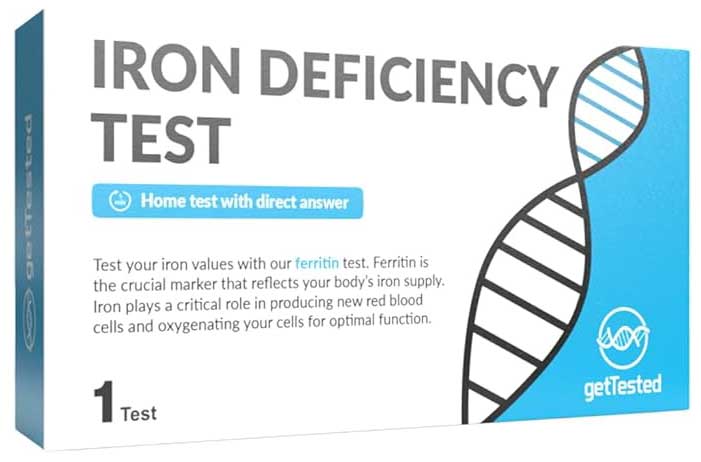
Okay, so the mirror and spoon are fun little experiments, but if you want something a bit more… official-looking, you can actually buy at-home iron test kits. These are usually available at pharmacies or online.
What Are They and How Do They Work?
These kits typically involve a finger prick to get a small sample of blood. The blood is then placed on a test strip or in a small well, and a chemical reaction occurs that indicates your iron levels.
They usually measure something called ferritin, which is a protein that stores iron in your body. Low ferritin levels are often one of the earliest signs of iron deficiency, even before anemia sets in.
The results are usually presented as a color chart or a numerical value, which you can then compare against a reference range. Think of it as a mini-lab in a box.
Pros of at-home kits:
- Convenience: You can do it anytime, anywhere. No waiting for lab appointments.
- Privacy: If you’re a bit shy about discussing health concerns, this offers a discreet way to check.
- Early detection: Some kits can pick up on lower iron levels before they become a serious problem.
Cons of at-home kits:
- Accuracy: While generally reliable, they might not be as precise as a laboratory test. Factors like user error or the quality of the kit can influence results.
- Interpretation: You still need to understand what the results mean, and it’s always best to discuss them with a healthcare professional.
- Cost: They aren’t free, so there’s an upfront expense.
If you go the kit route, make sure to read the instructions very carefully. Don't be like me and skip a step because you think you know better. Spoiler alert: you probably don't.
When to Definitely See a Doctor
Look, I’m all for a bit of DIY health detective work. It’s empowering, and it can help you understand your body better. But it’s crucial to remember that these at-home methods are not a replacement for professional medical diagnosis.
Here are the red flags that mean you absolutely need to schedule that doctor’s visit:
- Persistent and severe symptoms: If you’re constantly exhausted, dizzy, or having trouble breathing, don’t just rely on your mirror test.
- Abnormal at-home test results: If your at-home kit shows low iron, or if you're seeing concerning signs with the mirror or spoon tests, get it confirmed by a professional.
- Suspected iron deficiency anemia: This is a more serious condition where your body doesn't have enough healthy red blood cells. It requires medical treatment.
- High-risk groups: Pregnant women, young children, vegetarians and vegans, people with heavy menstrual bleeding, and those with digestive disorders are at higher risk of iron deficiency and should get regular check-ups.
- Sudden, unexplained changes: If you notice a sudden onset of these symptoms, it's always best to get it checked out.
Your doctor can perform a blood test (the good old venipuncture, which is much more accurate) to measure your iron levels, ferritin, hemoglobin, and other relevant markers. They can then determine if you have a deficiency, its severity, and the best course of treatment, which might include dietary changes, iron supplements, or addressing an underlying medical condition.
So, while these home "tests" can be a useful starting point for awareness, they are just that – a starting point. Think of them as your friendly nudges to pay closer attention to your body. If you're feeling run down, noticing pale skin, or experiencing any of the other symptoms, take it as a cue to investigate further. Your body is pretty amazing at telling you what it needs, you just have to learn to listen!