
How To Tell If U Have Scoliosis
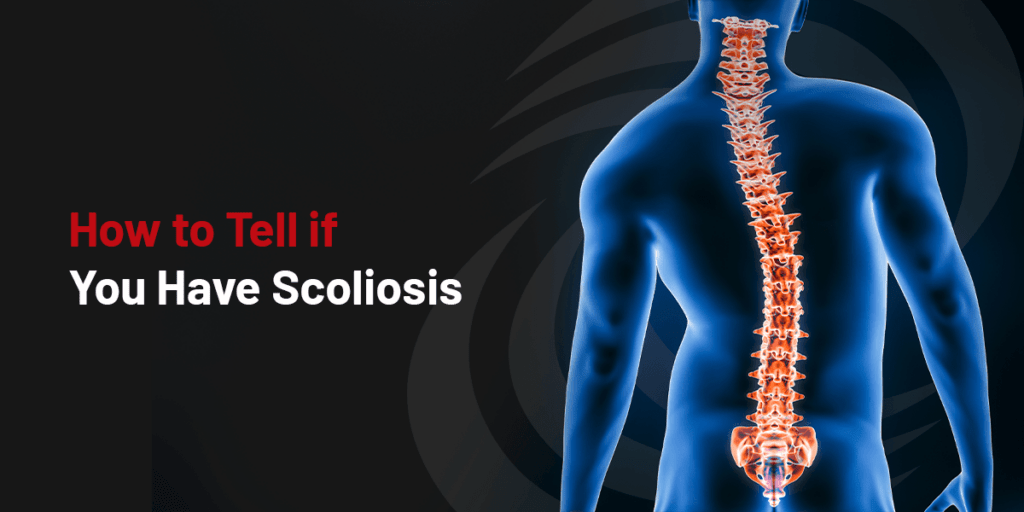
Hey there, super sleuths of your own bodies! Ever get that sneaky feeling that something’s a little… off? Like your spine’s decided to take a little detour, a wobbly little jig instead of standing tall and proud? Well, you’re in the right place! We’re diving into the fascinating world of scoliosis, and trust me, it’s way more interesting than it sounds. Think of it as your spine’s secret identity, and we’re here to help you uncover it!
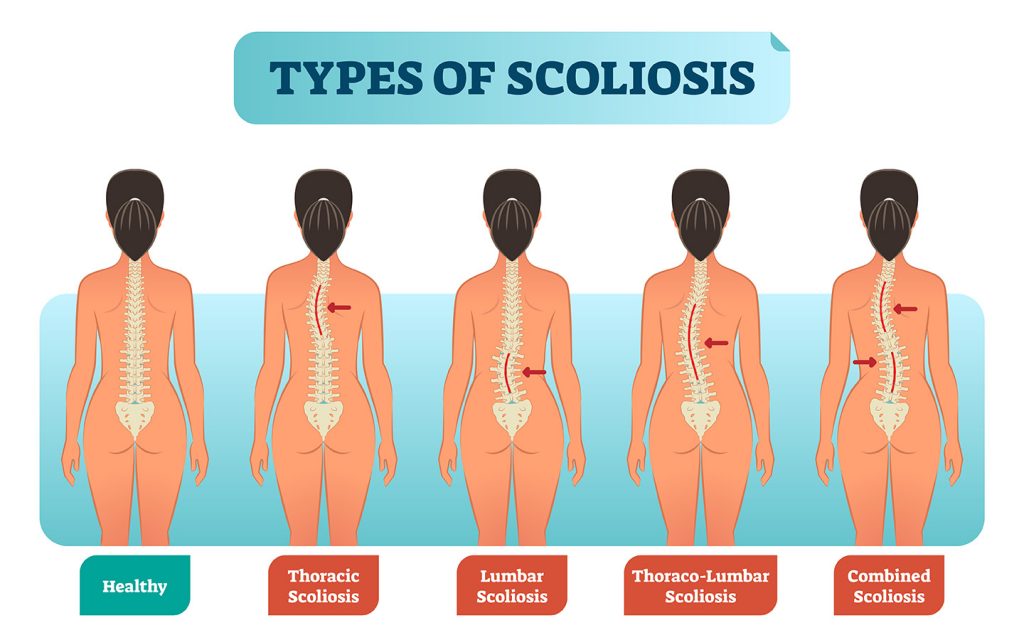
So, what exactly is this mysterious scoliosis thing? Imagine your spine, that amazing, bendy structure that keeps you upright and awesome. Usually, it’s a nice, straight superhero. But sometimes, for reasons we’ll get into, it decides to curve. Not just a little slump, but a more pronounced, sometimes even S-shaped or C-shaped, curve. It’s like your spine decided to do a graceful, albeit slightly quirky, dance move. And guess what? It’s pretty darn common, especially as you’re growing. So, if you’re feeling a bit curious, you’re not alone!
Is My Spine Doing a Tango? Let’s Find Out!
Okay, ready for the fun part? How do you actually tell if your spine’s got a bit of a bend to it? It’s not like you can whip out a measuring tape and eyeball it perfectly. But there are some super simple, totally non-scary ways to get a good idea. First up, the classic “Adam’s Forward Bend Test.” This sounds dramatic, right? Like something from a superhero movie. But it’s actually super easy. Just stand up tall, then gently bend forward at your waist as if you’re trying to touch your toes. Keep your legs straight. Now, have a friend, a family member, or even a mirror (if you’re feeling particularly agile) take a peek at your back. What are you looking for? A difference in height between your shoulders. Is one shoulder blade sticking out more than the other? Does one side of your rib cage seem to jut out a bit? These are your subtle clues!
Must Read
Think of it like this: if your spine is perfectly straight, when you bend forward, your back should look pretty symmetrical. But if there’s a curve, one side might be a bit higher or more prominent. It’s like a little hill and valley forming on your back. Don’t worry if it’s not super obvious at first. Sometimes these curves are gentle ninjas, sneaking in unnoticed. That’s why a good peek from a different angle is key.
Another cool thing to check is your waist. When you’re standing up straight, does one side of your waist look higher than the other? Or does it seem like your hip on one side is sticking out more? Again, these are little whispers from your spine, letting you know it might be doing its own thing. It’s like your body is giving you a secret code, and you’re becoming fluent in spine-speak!

Let’s talk about clothing for a sec. Sometimes, scoliosis can make clothes fit a little… interestingly. Does one pant leg seem to hang a bit lower? Does a shirt pull or bunch up on one side? These might be subtle hints that your body’s alignment is a tad different. It’s like your clothes are trying to tell you a story about your posture. Pretty wild, huh?
Why is This Spine Stuff So Intriguing?
You might be thinking, “Okay, so my spine might be a bit bendy. Big deal?” Well, it’s a big deal because it’s your body! And understanding how it works, and what makes it unique, is seriously cool. Scoliosis isn’t about being “broken” or “wrong.” It’s just a variation, a quirky characteristic that makes you, you. Think of it like having freckles or a unique laugh – it’s a part of your personal story. And the more you know about your story, the better you can take care of yourself.

What makes scoliosis so special is that it often shows up during those whirlwind years of growth spurts. It’s like your body is under construction, and sometimes, the blueprints get a little smudged. But even though it can be detected during these times, it can also pop up later in life. So, no matter your age, a little spinal self-awareness is never a bad thing. It’s all about being in tune with your body’s amazing capabilities.
The journey of discovering scoliosis is actually quite empowering. It’s about becoming an active participant in your own well-being. It’s not just something that happens to you; it’s something you can understand and manage. And the medical professionals who deal with scoliosis are like spine detectives, armed with knowledge and tools to help you on your way. They’re not just doctors; they’re guides on your spinal adventure.
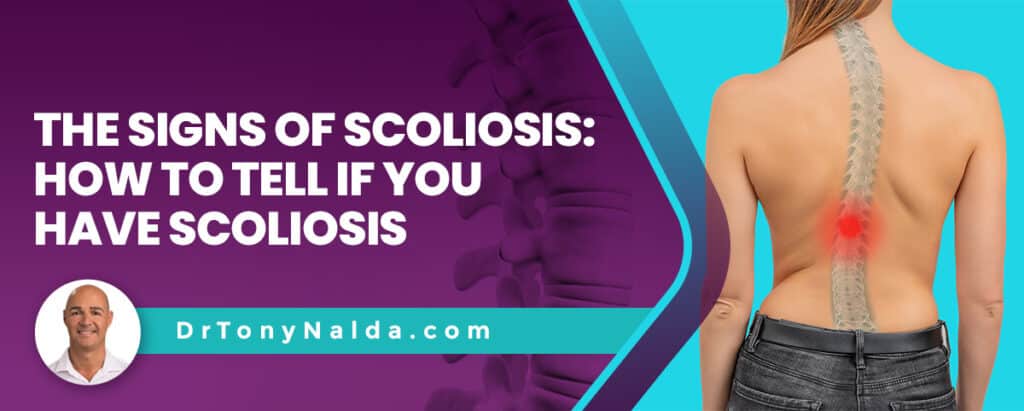
And here’s the really encouraging part: even if you do find out you have scoliosis, it doesn’t mean your life is suddenly going to be all dramatic poses and back pain. For many people, especially those with mild curves, it’s simply a condition they live with, a part of their physical makeup. It’s about learning what works best for your body and how to keep it strong and happy. It’s about embracing what makes you unique and celebrating the incredible resilience of the human body.
When to Call in the Experts (The Spine Superheroes!)
Now, while these at-home checks are super useful for sparking curiosity, they’re not a definitive diagnosis. If you notice any of those tell-tale signs – the uneven shoulders, the prominent rib cage, the funny waistline – it’s a fantastic idea to chat with a doctor. They have the tools and knowledge to do a proper assessment. They might do a more thorough physical exam and possibly even order an X-ray, which gives them a clear picture of your spine’s amazing architecture. Think of them as the ultimate spine-ographers!
Getting checked out by a professional is like getting the official stamp of approval on your spine’s journey. It allows for a clear understanding and ensures you’re on the right path for your health. It’s not about fear; it’s about knowledge and empowerment. So, if you’re feeling that spark of curiosity, don’t hesitate to fan that flame and explore it further with the help of some friendly medical experts. Your spine will thank you for it!
:max_bytes(150000):strip_icc()/scoliosis-lateral-curve-of-the-spine-2548780-color-V1-c044832970b94ee1ac37556aa3e3e8f9.png)
:max_bytes(150000):strip_icc()/HDCInlineIllustration-ScoliosisSymptoms-v1-353f648963b54504b3f8d0501373f18b.png)