How To Tell If Oat Milk Is Bad
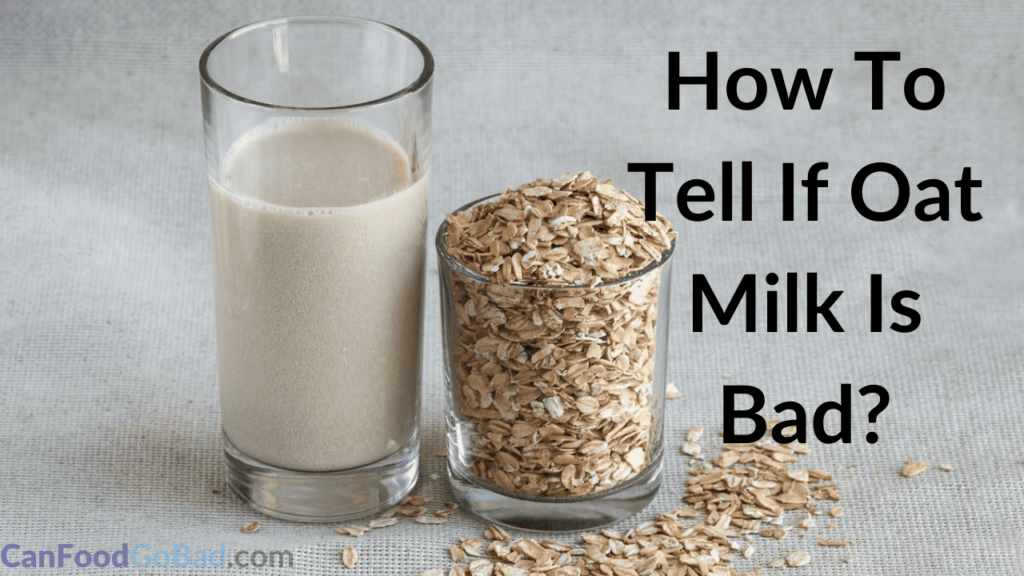
Ah, oat milk. The creamy, dreamy darling of the dairy-free world. It’s gone from a niche alternative to a regular fixture in our fridges, brightening up our morning coffees, adding a smooth finish to our smoothies, and generally making our cereal bowls feel a little more special. But, like all good things, oat milk doesn't last forever. And when it’s past its prime, it can go from delightful to… well, let’s just say less-than-delightful.
We’ve all been there, right? You’re reaching for that carton, perhaps a little bleary-eyed and still half-asleep, ready to pour that glorious white liquid into your much-anticipated latte. But then, a little nagging doubt pops into your head. “Is this still good?” It’s that age-old question, the one that separates a perfect morning from a slightly questionable culinary adventure. Don't worry, we're here to help you navigate the murky waters of oat milk freshness.
The Smell Test: Your First Line of Defense
Let’s start with the most obvious, shall we? Your nose is a powerful tool, and it’s usually the first to tell you when something’s gone rogue. Think of it like a friendly bouncer at a party, letting you know who’s welcome and who’s definitely not. When you unscrew that cap, give it a good sniff.
Must Read
What are you looking for? Well, a fresh carton of oat milk should smell pretty neutral, maybe with a very faint hint of oats or a slight sweetness. It should be clean and inoffensive. Now, if you’re met with a smell that reminds you of… hmm, let’s see… maybe a damp gym sock that’s been left in a locker for a week? Or perhaps something a little bit sour, like forgotten yogurt that’s decided to embark on a bacterial rave? Then, my friend, it’s time to say goodbye.
Sometimes, it’s not an aggressive "nope," but more of a subtle "ehhh, maybe not." A slightly off or fermented smell is your cue to err on the side of caution. It's like when your favorite song suddenly has a few off-key notes – it just doesn't feel right anymore, and it's best to turn it off before it ruins the whole album.
The Visual Clues: What to Look For (and What to Avoid)
Beyond the smell, your eyes can also give you some pretty solid hints. Before you even take a whiff, have a quick peek inside the carton. Imagine you're a detective, looking for any suspicious activity.

Normally, oat milk should be a smooth, creamy white. If you see anything that looks… well, lumpy, that’s usually a red flag. We're not talking about the natural settling that can happen with some brands – a quick shake should sort that out. We're talking about distinct clumps or curds, almost like tiny cottage cheese formations. That’s your oat milk staging a rebellion, and it’s time to disarm it (by pouring it down the drain).
Another visual cue can be the texture. If it looks unusually thick, gloopy, or has a strange sheen to it, that might be a sign of spoilage. Think of how fresh milk pours – it’s usually fluid. If it’s behaving more like thick glue, it’s probably time for it to retire. It’s like watching a graceful ballerina suddenly turn into a clumsy toddler – something’s not quite right.
The Taste Test: The Last Resort (and Use Your Judgment!)
Now, if you’ve sniffed and you’ve looked, and you’re still on the fence, you could do a tiny taste test. But this should be your absolute last resort, and you need to be brave! Imagine you're a food critic, but instead of a Michelin star, you're just trying to avoid a tummy ache.
Take just a tiny sip. Seriously, just a little dribble. What you're looking for is that familiar, pleasant oat milk flavor. If it tastes sour, bitter, or just plain wrong, spit it out immediately and rinse your mouth. Don’t be a hero! If it tastes anything less than normal, consider it a sign it’s time to part ways.
Think of it like tasting a new dish at a friend's house. You take a small bite. If it’s delicious, you go back for more. If it tastes like… well, let’s just say something your grandma might have accidentally burned on the stove and tried to pass off as "artisan toast," you politely put your fork down. Your taste buds are your ultimate guide here.
Why Should We Even Care? The Not-So-Scary Reasons
Okay, so why all the fuss? It's not just about avoiding a bad taste in your mouth. Drinking spoiled oat milk can lead to an upset stomach, nausea, or even food poisoning. It’s like wearing socks with sandals – it’s not the end of the world, but it’s definitely not a good look (or feeling!).
When oat milk goes bad, it's because bacteria have started to multiply. These little critters, while sometimes helpful in things like yogurt and cheese, are not our friends when they’re having a party in a carton of oat milk we’re about to chug. They can produce toxins that make us feel pretty miserable. So, it’s really about protecting your well-being and ensuring your dairy-free adventures are always enjoyable, not regrettable.

It’s also about being mindful and reducing waste. While it’s important to throw away bad food, understanding spoilage can help us buy just what we need and use it before it turns. Think of it as being a good steward of your kitchen – making sure your delicious oat milk gets to fulfill its destiny in your coffee, not its untimely demise in the bin.
The Expiration Date: A Helpful, But Not Always Final, Word
Most oat milk cartons have a "best by" or "expiration" date. This is a good starting point, but it’s not the absolute gospel. These dates are usually about quality, not necessarily safety. Oat milk might still be perfectly fine to drink for a few days, or even a week, past its date if it’s been stored properly. Conversely, it could go bad before the date if it’s been left out or handled improperly.
Think of it like your car's suggested maintenance schedule. It's a good guideline, but if you hear a strange knocking sound from the engine, you’re going to get it checked out regardless of whether you’re “due” for an oil change. The date is a hint, but your senses are the real detectives.
Proper Storage: The Secret to Longevity
The best way to ensure your oat milk stays fresh for as long as possible is to store it correctly. Keep it in the refrigerator, and make sure the cap is sealed tightly after each use. This prevents air from getting in, which can speed up spoilage and introduce unwanted bacteria. It’s like putting a lid on a treasure chest – you want to keep your precious cargo safe and sound!
And remember, once you’ve opened a carton, it’s generally best to consume it within a certain timeframe, usually around 5-7 days, even if it’s still within the printed expiration date. This is because opening the carton exposes it to air and potential contaminants.
In Conclusion: Trust Your Gut (and Your Nose!)
So, there you have it! Telling if your oat milk has gone bad is pretty straightforward once you know what to look for. A quick sniff, a visual check, and a judicious taste test (if you're feeling brave) should be your go-to methods. It’s all about using your senses and trusting your instincts.
Don't let a spoiled carton ruin your morning or your day. A little awareness goes a long way in ensuring your oat milk experience is always the creamy, delicious delight it’s meant to be. So, go forth, be vigilant, and enjoy your oat milk with confidence!