
How To Tell If Its Real Gold
Okay, so picture this: I’m rummaging through my grandma’s attic, you know, that magical place where forgotten treasures and questionable fashion choices go to… well, be forgotten. I stumble upon this old, tarnished box, and inside, nestled amongst moth-eaten lace and sepia-toned photos, is this blingy looking bracelet. It’s heavy, it gleams (even through the grime), and my inner magpie is doing a happy dance. Immediately, my brain goes: “Is this… is this GOLD?”
It’s a feeling most of us have probably had, right? That little spark of excitement, followed by a healthy dose of skepticism. Because let’s be honest, the world is full of shiny things that look like gold but are about as valuable as a chocolate teapot. So, how do you actually tell if that dazzling piece you’ve unearthed, or that suspiciously cheap ring you found online, is the real deal? Stick around, because we’re about to dive down the rabbit hole of gold verification, and trust me, it’s more interesting than it sounds. Mostly.
The Sparkle Test (And Why It’s Not Enough)
First off, let’s address the obvious. The way something looks is your first clue. Real gold has a certain warmth, a richness to its sheen that fakes often struggle to replicate. Think of that buttery yellow gleam versus a brassy, almost orange hue. Fakes might be too bright, too uniform, or even have a slightly greenish tinge if they're plated with copper or other alloys.
Must Read
But here’s the kicker: a lot of fake jewelry is designed to look pretty convincing. They use clever plating techniques, and some metals can even tarnish in a way that mimics aged gold. So, while the visual appeal is a starting point, it’s definitely not the finish line. Relying solely on appearance is like judging a book by its cover; you might get lucky, but you could also end up with a really disappointing story.
Seriously, that initial glint can be so deceiving. I’ve seen some costume jewelry that could make a seasoned jeweler do a double-take. So, we need to dig a little deeper, eh?
Hallmarks: The Tiny Signposts of Authenticity
Okay, this is where things get a bit more official. Many real gold items, especially those made in reputable workshops or countries with established jewelry standards, will bear a hallmark. Think of these as tiny little stamps of approval.
What are you looking for? The most common hallmarks indicate the purity of the gold. This is usually expressed in karats (K) or parts per thousand. So, you might see:
- 24K: This is considered pure gold (99.9% or more). It's very soft and rarely used for jewelry on its own.
- 22K: 91.7% gold. Still quite soft, often used for intricate Indian jewelry.
- 18K: 75% gold. A very popular choice for jewelry because it’s a good balance of durability and color.
- 14K: 58.3% gold. This is super common, especially in North America, as it's more durable than higher karats.
- 10K: 41.7% gold. The minimum legal standard for gold jewelry in the US.
You might also see numbers like 750 (for 18K), 585 (for 14K), or 417 (for 10K). These represent the gold content in parts per thousand. So, 750 means 750 parts out of 1000 are gold. Easy peasy, right?
Besides purity, hallmarks can also indicate the manufacturer’s mark or the assay office. These little symbols can be incredibly helpful in dating and authenticating a piece. You might need a magnifying glass for these, so don't be afraid to whip out your phone's zoom function or, if you're feeling fancy, a jeweler's loupe.
But here’s the catch: Not all real gold has hallmarks. Older pieces, handmade items, or jewelry from certain regions might not be stamped. Also, and this is a biggie, hallmarks can be counterfeited. So, while a hallmark is a strong indicator, it’s not a foolproof guarantee.
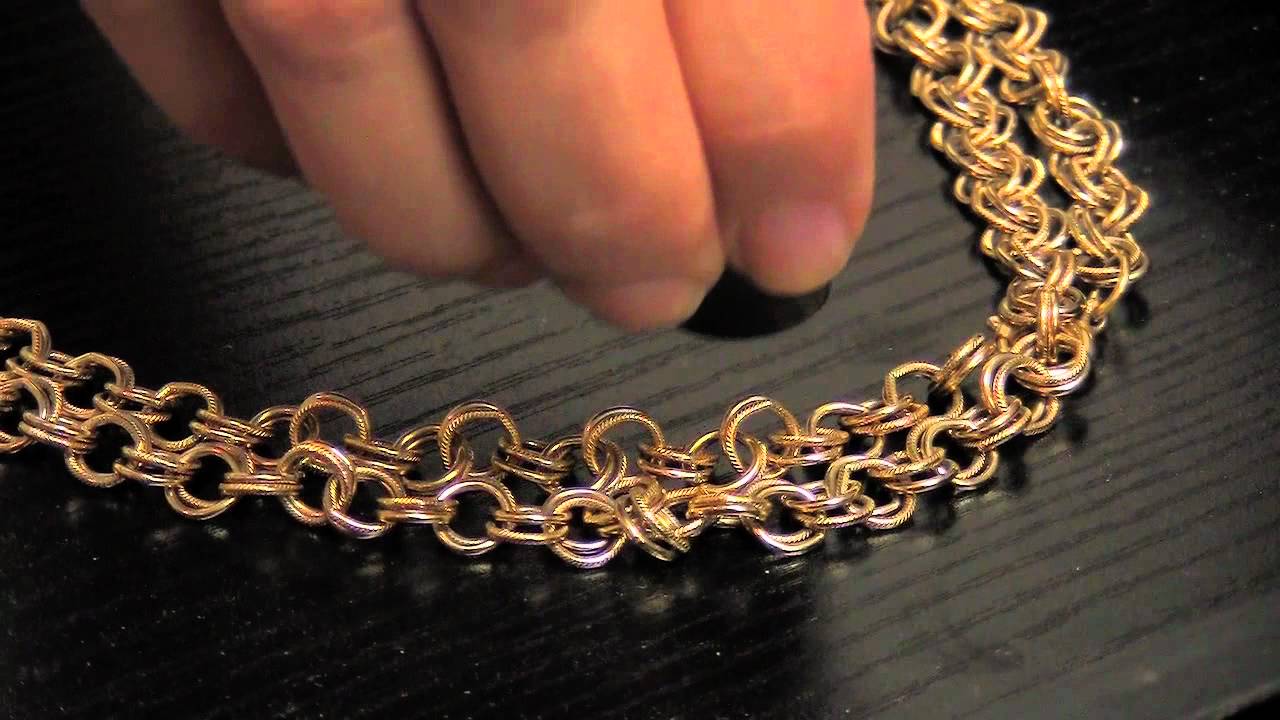
Don't just take my word for it, go squint at your jewelry right now. See any little marks? Let me know!
The Magnet Test: A Simple but Revealing Trick
This is one of the easiest and most accessible tests you can do at home. Gold, in its pure form and most common alloys, is not magnetic. So, if your suspected gold item jumps to a magnet like a hyperactive puppy, it's almost certainly not real gold.
Grab a reasonably strong magnet. Refrigerator magnets probably won't cut it; you need something a bit more substantial. Think of a magnet from a craft store, or even a strong neodymium magnet. Now, hold the magnet close to your jewelry. If it sticks, red flag. If it doesn't, that's a good sign, but remember, it’s not definitive.
Why not definitive, you ask? Well, some fake gold pieces are made from non-magnetic metals like brass, copper, or aluminum. So, the fact that it's not magnetic doesn't automatically mean it's gold. It just means it's not made of a magnetic metal. Still, it’s a great way to rule out a lot of the cheaper fakes out there.
Pro tip: Pay attention to clasps and other components, as these are sometimes made of different materials that might be magnetic, even on real gold jewelry. You’re looking for the main body of the piece to show no magnetic attraction.
This is the kind of test that makes you feel like a bit of a detective. Sherlock Holmes, eat your heart out. Well, maybe not quite.
The Float Test: Another Homegrown Clue
This one is a bit more niche and relies on density. Gold is a very dense metal. So dense, in fact, that it will sink quickly in water. Most other metals and alloys, especially the ones used in fake jewelry, are less dense and might float or sink more slowly.
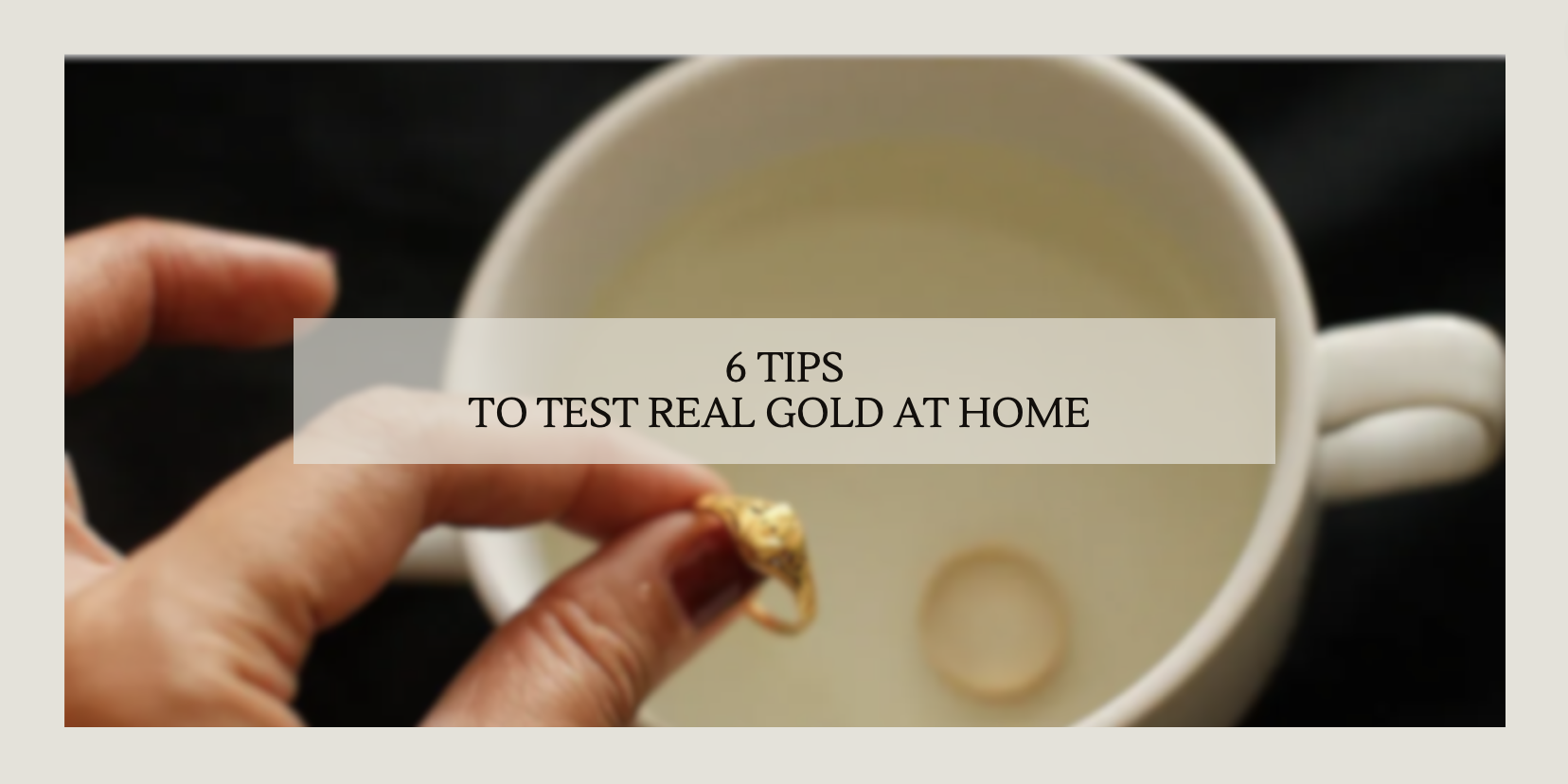
Here's how you do it: Get a bowl of water. Drop your item in. If it sinks straight to the bottom, that’s a good sign. If it floats, or if it sinks very slowly, it’s likely not solid gold.
The caveat here is: This test is really only useful for solid pieces. If you have a hollow item, its density will be lower due to the air inside, and it might not sink as rapidly as a solid piece of gold of the same size. Also, some very lightweight but dense metals might still sink quickly. So, like the magnet test, it's a good indicator but not conclusive on its own.
It’s a fun little experiment, though! And hey, if it floats, you probably have a very expensive cork. 😉
The Ceramic Scratch Test: Proceed with Caution!
Okay, this is where we start getting into tests that can potentially damage your item. The ceramic scratch test involves rubbing your gold against an unglazed ceramic surface. Real gold will leave a gold streak. Fake gold will leave a black or gray streak.
You need to find an unglazed ceramic tile or the unglazed bottom of a ceramic piece. Then, gently drag your item across it. If it leaves a yellow/golden mark, that’s a positive sign. If it leaves a black or gray mark, it's likely not real gold.
BIG WARNING: This test can scratch your jewelry. If you’re dealing with a valuable or antique piece, do not do this test. It’s best reserved for pieces you’re less concerned about marking, or when you suspect something is definitely fake. Think of it as a last resort for home testing. You want to be sure it’s fake before you potentially damage it, right?
Honestly, the thought of scratching my grandma’s bracelet gives me hives. So, I tend to skip this one unless I’m absolutely convinced I have a dud on my hands.

The Acid Test: For the Truly Dedicated (or Desperate)
This is where we enter the realm of professional testing, or at least tests that require specialized kits and a good understanding of what you're doing. Acid tests involve using nitric acid (or other acid solutions) of varying strengths to determine the purity of gold. Different karats react differently to specific acids.
You'll typically buy a gold testing kit that includes several small bottles of acid and a testing stone (similar to the ceramic scratch test, but often more refined). You rub a small amount of the metal onto the stone, then apply a drop of acid to the streak. The reaction (or lack thereof) tells you the karat.
For example, 10K acid will etch away anything less than 10K, but should leave 10K gold intact. Higher karat acids are used to test higher karats. It’s a bit of a scientific process, and you need to be very careful with the acids, as they are corrosive.
This is not a casual home test for the faint of heart. If you're considering this, I strongly recommend watching detailed tutorials and understanding all the safety precautions. It’s effective, but definitely requires more commitment than the magnet test.
I’ve seen videos of this, and it’s fascinating to watch the reactions. But for my attic treasures? Nah, I’ll pass on the acid baths for now.
The Loupe and The ‘Feel’ Test: A More Experienced Approach
As you become more familiar with gold, you start to develop a sense for it. A jeweler’s loupe (a small magnifying glass) is essential here. Looking closely at the item, you can often spot inconsistencies in plating. For instance, you might see a different colored metal peeking through at the edges or in worn areas. This is especially common with gold-plated items.
You're also looking for the quality of the craftsmanship. Real gold jewelry tends to be well-made. Soldered joints should be neat, and settings for stones should be secure. Fakes might have rough edges, visible glue, or poorly set stones.

And then there’s the weight. Gold is dense, remember? A good piece of gold jewelry will feel hefty for its size. If something looks substantial but feels surprisingly light, it’s a good indicator that it might be hollow or made of a lighter, less valuable metal. Comparing the weight of a suspected piece to a known real gold piece of similar size can be very telling.
This is really about developing your eye and your feel for the material. It comes with experience, and honestly, it’s where the real fun (and potential heartbreak) lies in treasure hunting.
When in Doubt, Ask a Professional!
Look, all these home tests are great for giving you an educated guess. They can help you weed out the obvious fakes and give you confidence in genuine pieces. But when it comes down to it, the most reliable way to know for sure is to take your item to a reputable jeweler or a gold buyer.
They have the proper equipment (like electronic testers and XRF scanners) and the expertise to give you a definitive answer, often for free or a small fee. They can tell you not just if it’s real, but also its exact purity and even its market value.
Seriously, if you have something you’re genuinely curious or concerned about, this is the best route. It’s worth the peace of mind, and it saves you the potential heartache of thinking you’ve struck gold, only to find out it’s just gilded lead. (Can you imagine?!) I learned this the hard way with a "gold" watch once. It looked the part, felt okay, but when I took it to a guy, he just chuckled and showed me the brass underneath.
So, there you have it! A whirlwind tour of how to suss out real gold. From the hopeful gleam to the scientific acid tests, there are plenty of ways to investigate. Just remember, the best approach is often a combination of these methods, and when in doubt, a professional opinion is your golden ticket to certainty.
Now, go forth and test your treasures! And if you find anything amazing, you know who to tell. 😉

