How To Tell If Duck Is Cooked

Duck! Oh, the glorious, succulent, and sometimes a little tricky bird. Learning to cook duck is like unlocking a secret level in the culinary world. It's not just about nourishment; it's a whole adventure.
There's something inherently special about duck. It's got that rich, deep flavor that makes even a simple meal feel fancy. And the skin! Ah, the skin is where the magic truly happens.
But here's the thing, duck can be a bit mysterious. Unlike a quick chicken breast, it needs a little more attention. The biggest question on everyone's mind is: "Is my duck cooked perfectly?"
Must Read
It’s a common concern, right? You’ve put in the effort, maybe roasted a whole bird or seared some lovely duck breasts. Now you’re staring at it, a little nervous.
You want that juicy, tender meat. You definitely don't want it tough and dry. And nobody, I repeat, nobody, wants undercooked duck. That's a recipe for disappointment.
So, let's dive into the fun part: discovering the secrets to knowing when your duck is just right. It’s less of a chore and more of a delightful investigation. Think of yourself as a duck detective.
The most reliable tool in your detective kit is a meat thermometer. Yes, it sounds technical, but it’s surprisingly simple to use. It takes the guesswork out of the equation.
For a whole duck, you'll want to insert the thermometer into the thickest part of the thigh. Make sure you avoid touching the bone. The bone can give you a false reading, and we don't want that.
What temperature are we aiming for? For duck, it's generally around 165°F (74°C). This temperature ensures it's safe to eat and beautifully cooked.

If you're cooking duck breasts, the target temperature can be slightly lower, around 135-140°F (57-60°C) for a medium-rare, which is often preferred for duck. This is where the beauty of duck really shines.
But what if you don't have a thermometer handy? Don't fret! There are other ways to tell. They require a bit more intuition and a good eye.
One of the classic methods is the "juices test." This is a fun one, especially when you're watching the juices run clear. It's like a little performance by your duck!
When you pierce the thickest part of the thigh with a fork or a skewer, the juices should run clear. If the juices are pink or bloody, your duck needs a little more time in the oven or on the stove. Patience is a virtue here.
Clear juices are a strong indicator that your duck is almost there, or all the way there. It’s a visual cue that’s surprisingly satisfying. Imagine the anticipation!
Another visual clue is the color of the meat itself. When duck is cooked through, the meat will generally be opaque. You won't see any pinkish hues in the thickest parts.
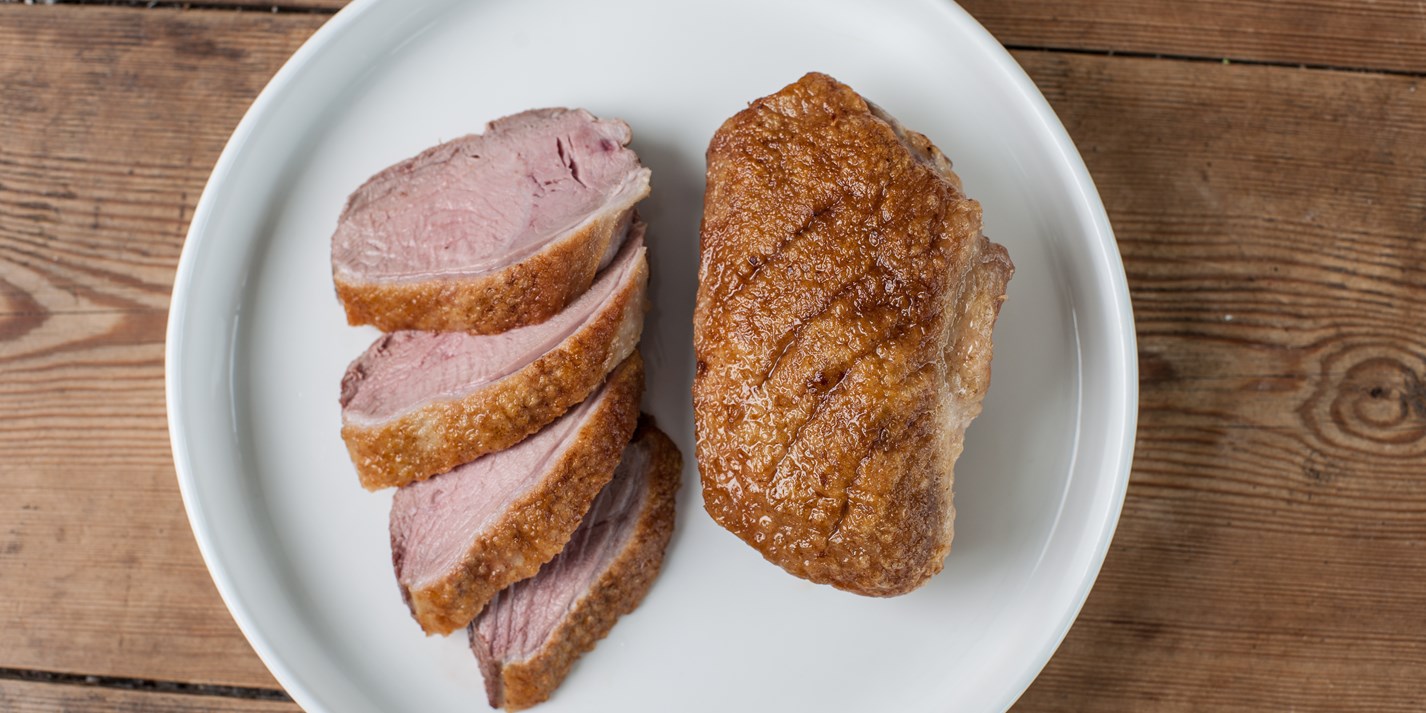
Of course, duck is a bit special because many people enjoy it slightly pink in the center, especially duck breasts. This is where the temperature guide becomes even more helpful. It's all about your preference!
For those of you who love crispy duck skin, this is where the fun really escalates. The skin should be beautifully golden brown and crackly. It's like edible stained glass.
While the skin crispiness doesn't directly tell you the meat is cooked, it's a sign that the cooking process is reaching its peak. You're getting close to duck perfection!
Let's talk about resting the duck. This is a crucial step, and it’s not just for show. Resting allows the juices to redistribute throughout the meat.
So, after you've taken your duck out of the heat, let it rest for at least 10-15 minutes. This makes a huge difference in how tender and moist your duck will be. It’s a little pause that yields big rewards.
Think of it like letting a star performer take a bow before the final curtain. The duck needs a moment to collect itself. This resting period is part of the magic.
When you cut into a rested duck, you’ll notice the juices stay within the meat. This is what makes every bite a delight. It’s the difference between a good duck and an unforgettable duck.
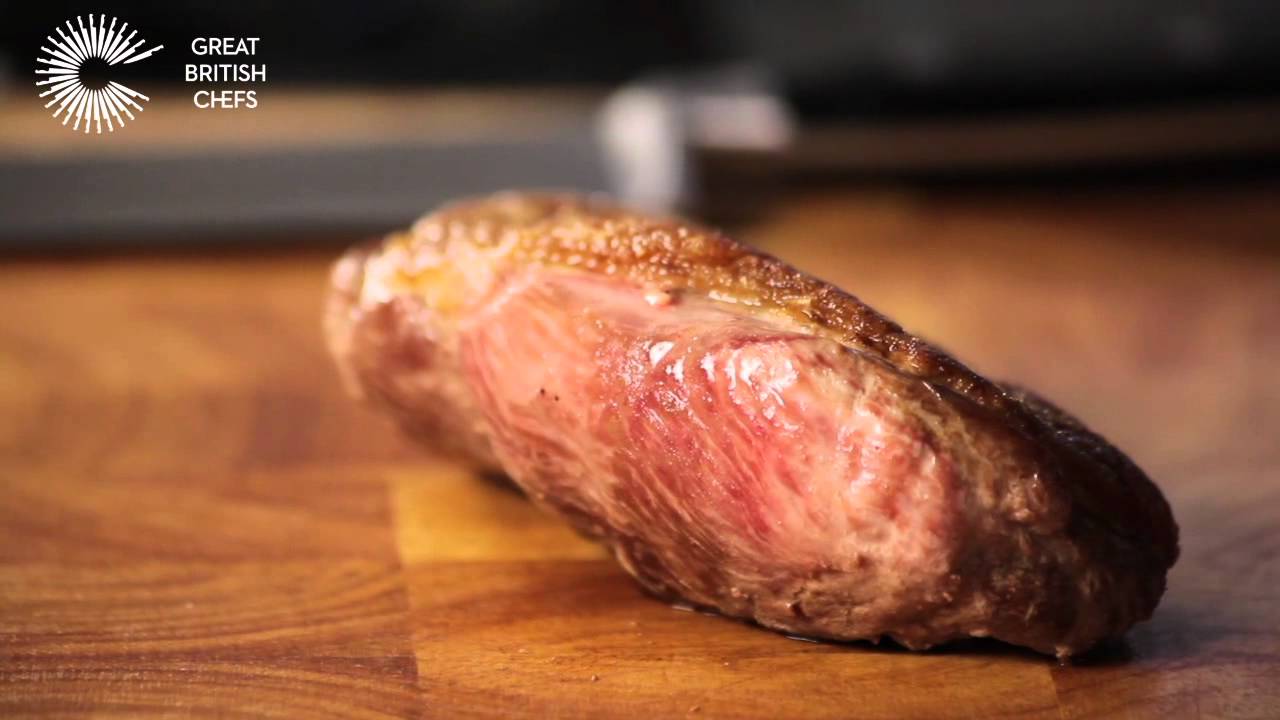
For duck breasts, you might be able to tell they are done by the texture. Gently press the meat. If it feels firm but still has a slight give, it's likely in the perfect zone.
Overcooked duck breast can become quite tough and chewy. We definitely want to avoid that. It’s like a rubber band instead of a tender bite.
The color of the meat in a duck breast is also a good indicator. A perfectly cooked duck breast will have a lovely pink center. This is where the richness of the duck flavor truly shines through.
If the edges are cooked through and the center is still slightly pink, you've probably achieved duck nirvana. It's a beautiful balance of textures and flavors.
Sometimes, you can even tell by the sound your knife makes when you cut into it. A perfectly cooked piece of duck will yield easily to the knife. It shouldn’t feel like you’re sawing through a log.
This is a more subtle cue, of course. It takes a little practice to get a feel for it. But it's a fun detail to notice as you become more experienced.

Remember, duck is an occasion. It’s a dish that invites you to slow down and savor the experience. The cooking process is part of the joy.
So, whether you’re roasting a whole bird or pan-searing individual pieces, these tips will help you achieve duck perfection. Don't be intimidated. Embrace the process!
The goal is to create something delicious and memorable. And knowing when your duck is cooked is a huge part of that. It's about confidence in the kitchen.
Experiment with different cooking methods. Try roasting, pan-searing, or even confiting. Each method offers a unique way to enjoy duck.
And with each attempt, you'll get better at recognizing the signs. Your duck detective skills will sharpen!
So, next time you’re embarking on a duck culinary journey, remember these simple checks. A thermometer is your best friend, but your senses are powerful tools too.
Enjoy the process of cooking duck. It’s an art, a science, and a delicious reward all rolled into one. You’ve got this!