
How To Tell If Cod Is Cooked

Ah, cod. That flaky, white fish that graces so many dinner plates. It’s a classic for a reason, isn’t it? But the real magic, the moment it transforms from a raw possibility into pure deliciousness, hinges on one crucial skill: knowing when it’s just right.
Think of it like a first date. Too little time, and things are awkward, unfinished, maybe even a little alarming. Too much time, and well, it’s just not the same anymore. The same goes for our beloved cod. We want that perfect moment of tender perfection, where the flavors sing and the texture is just... chef’s kiss.
So, how do we achieve this culinary nirvana? Let’s dive into the surprisingly simple secrets to telling if your cod is cooked to perfection. No fancy thermometers needed, just your trusty senses and a little bit of culinary intuition.
Must Read
The Visual Clues: It's All About the Opaque
The first and perhaps easiest way to tell if your cod is cooked is by looking at it. Raw cod, as you know, is sort of translucent. It has a bit of a glassy, almost see-through quality to it. You can imagine light passing through it, can’t you?
But as cod cooks, it undergoes a beautiful transformation. It becomes opaque, like a frosted window. The color shifts from that watery translucence to a lovely, milky white. This is your first big hint that the fish is starting to say, “I’m ready!”
Imagine a little fishy friend peeking out from under a cozy white blanket. That’s what cooked cod looks like. If you’re pan-searing it, you’ll see that opaque white creeping up the sides from the bottom. For baked cod, the entire fillet will start to take on this beautiful, opaque hue.
The Flake Test: The Gentle Art of Persuasion
Now for the moment of truth, the true test of a perfectly cooked cod fillet: the flake. This is where your fork becomes your best friend, a gentle interrogator of the fish’s readiness.

Grab a fork, any fork. Gently press down on the thickest part of the cod fillet. If it’s cooked just right, it should flake apart easily. Think of it like separating delicate layers of parchment paper. The flesh should separate into distinct, moist flakes.
If you have to really dig in, and the cod resists your fork’s gentle persuasion, it’s probably not quite there yet. It’s still a bit too tightly bound, a bit too shy to reveal its inner deliciousness. Give it a little more time to relax and soften.
On the flip side, if your cod disintegrates into mush the moment your fork touches it, well, you might have gone a tad too far. It’s like over-fluffed cotton candy; it loses its delightful texture. The goal is that perfect, tender flake, not a fishy puddle.
The Internal Glow: A Peek into the Heart of the Matter
Sometimes, you need to get a little closer to the action. If you’re unsure, a quick peek into the center of the fillet can be incredibly revealing. This is especially true for thicker pieces of cod.
![How do you tell if your cod is fully cooked? [2025] | QAQooking.wiki](https://qaqooking.wiki/public/cdn/how-do-you-tell-if-your-cod-is-fully-cooked.jpg)
Carefully insert your fork or a small knife into the thickest part of the fillet and gently pull the flesh apart. You’re looking for that change from translucent to opaque. If there's still a hint of that raw, glassy look in the very center, it needs a little more cooking time.
However, if the entire center has turned that beautiful milky white, and it flakes apart easily, you’ve struck gold! This little internal check is like a secret handshake between you and your perfectly cooked cod. It's a private moment of confirmation.
Remember, this is a gentle inspection, not an autopsy! We’re just looking for that visual cue of doneness. Think of it as a quick wink from the fish, saying, “Yes, I am ready to be devoured!”
The Temperature Tango: When Numbers Might Be Helpful
Now, I promised no fancy gadgets, but sometimes, in the grand scheme of things, a little help can go a long way. If you're really struggling, or just want to be absolutely, positively sure, a simple kitchen thermometer can be your trusty sidekick.
You don’t need a high-tech culinary device. A basic instant-read thermometer will do the trick. The sweet spot for cooked cod is around 145°F (63°C). That’s when the magic is truly complete.
:max_bytes(150000):strip_icc()/228319-perfect-ten-baked-cod-mfs-step1-099-aeb48cf6dbf349ea980beee3dfb14def.jpg)
Insert the thermometer into the thickest part of the fillet. If it reads 145°F, your cod is cooked to perfection. It's a reliable way to ensure you're not under or overdoing it. Think of it as the fish's official graduation certificate.
But don’t let the numbers intimidate you. These other methods are perfectly effective. The thermometer is more like a trusty friend you can call on when you’re in doubt, a reassuring voice in the kitchen.
The Aroma of Success: The Smell Test
Our noses are incredibly powerful tools, and they can offer surprising clues in the kitchen. As cod cooks, its aroma changes. Raw fish has a subtle, briny smell. It's fresh, but not exactly enticing on its own.
As it cooks, however, that smell transforms. It becomes richer, more savory, and distinctly cooked. It’s a warm, inviting aroma that tells you the fish is reaching its flavorful peak. It's the smell of dinner dreams coming true.
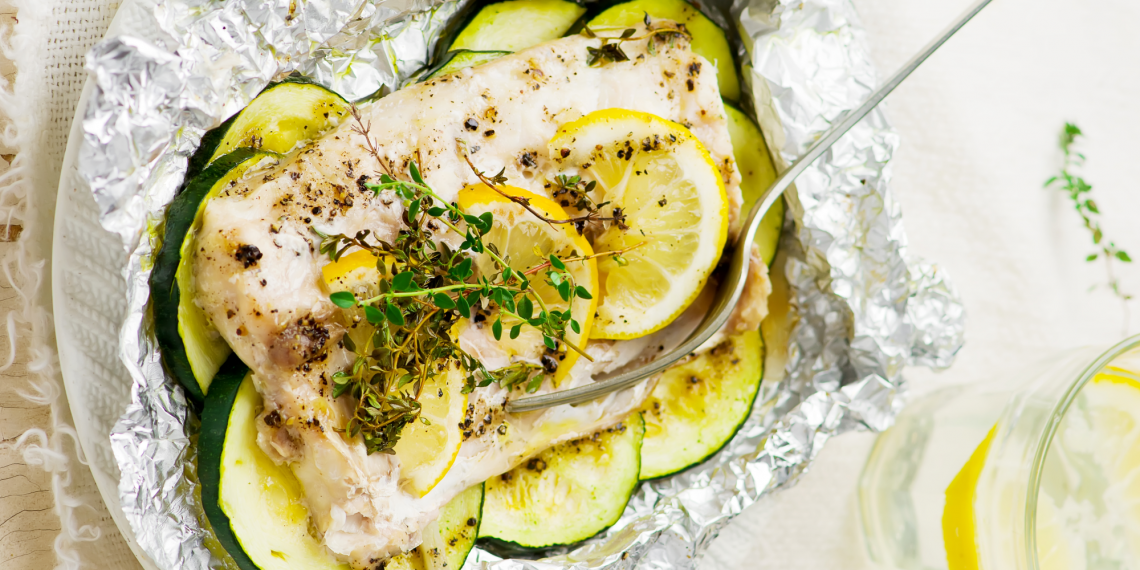
If your cod still smells overwhelmingly raw, it needs more time. If it starts to smell a bit… off, or overly fishy in a way that isn’t pleasant, you might be heading into overcooked territory. The perfect aroma is a sweet spot, a delightful balance.
So, take a deep breath! Let the scents guide you. The aroma of perfectly cooked cod is subtle, delicious, and promises a wonderful meal. It's the olfactory equivalent of a contented sigh.
The Journey of a Fillet: From Raw Potential to Delicious Reality
Cooking cod is a journey, a delicate dance between heat and time. It’s about respecting the ingredient and understanding its subtle cues. The raw fillet starts as a canvas, full of potential, and the heat is the artist’s brush.
We’re aiming for that moment where the canvas is no longer raw but beautifully rendered. Where the flakiness is just right, the opacity complete, and the aroma a promise of deliciousness. It's a transformation that’s both simple and incredibly satisfying.
So, the next time you’re cooking cod, don’t be afraid. Trust your eyes, your touch, and even your nose. You’ve got this! Your cod is about to be the star of the show, perfectly cooked and ready to bring smiles to the dinner table. Happy cooking!

