
How To Tell If Clutch Is Going

So, picture this. It was a crisp autumn Saturday, the kind where the leaves are doing their fiery dance and you’ve got that perfect playlist going. I was heading out for a leisurely drive, windows down, feeling like I owned the road. Then, I tried to pull away from a particularly stubborn traffic light. Normally, my trusty old Civic glides. This time, though? It felt like I was trying to drag a grumpy badger out of a hole. My engine revved, the car made a noise that sounded suspiciously like a dying whale, and I barely inched forward. A wave of panic, followed by a healthy dose of annoyance, washed over me. “What the heck is happening?!” I thought, glancing at the bewildered faces of drivers around me. Yeah, my clutch was definitely sending me a very loud, very public message.
That, my friends, is your classic “clutch is saying goodbye” moment. It’s not always a dramatic, movie-scene kind of failure, but sometimes it’s a slow, insidious decline. And if you’re not paying attention, you can find yourself stranded, just like I almost was, contemplating the merits of walking home in the falling leaves (spoiler alert: there aren't many). So, let’s dive into the not-so-glamorous but super-important world of clutch failure and how to spot the warning signs before your car decides to stage a rebellion.
The Subtle Art of Clutch Whispers (Before They Become Shouts)
Think of your clutch like the intermediary between your engine’s power and your wheels. It’s that magical bit that lets you shift gears smoothly, or at least, it should. When it starts to go south, it’s like a relationship breaking down. At first, it’s just little annoyances, things you might brush off. Then, it escalates. And nobody likes an escalated car problem, right?
Must Read
1. The Slipping Sensation: When Your Engine Revs But the Car Doesn’t Cooperate
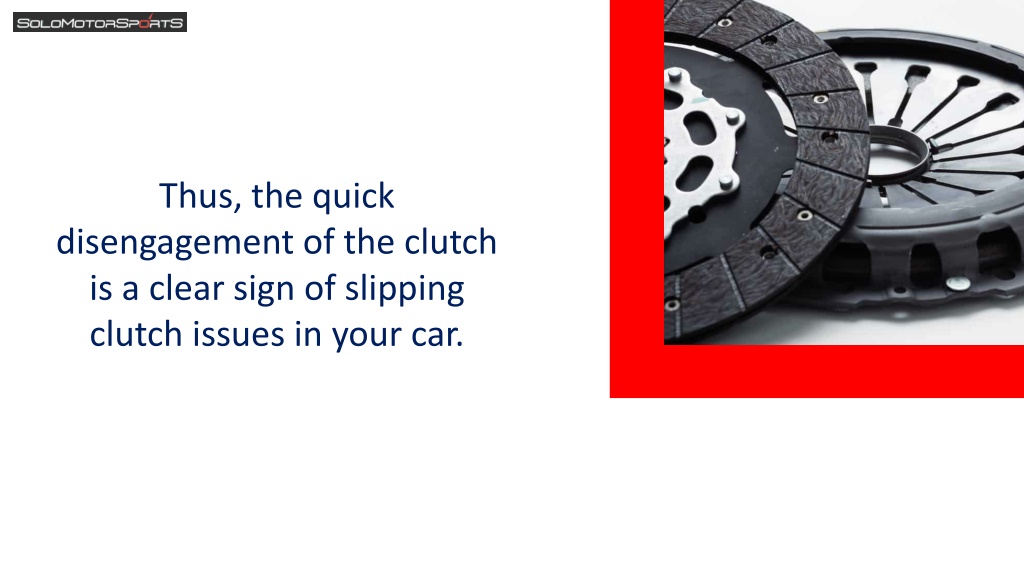
This is probably the most common and often the first obvious sign. You’re on the gas, giving it a good squeeze, and the engine’s RPMs shoot up, but your car’s speed doesn’t increase accordingly. It feels like your engine is working overtime, but the wheels are just lazily following along. It's like trying to run a race with your shoelaces untied – lots of effort, not much forward momentum. You might notice this most when going uphill or trying to accelerate from a stop. That’s your clutch slipping, folks. The friction material on the clutch plate is worn down and can’t get a good grip on the flywheel anymore. Imagine trying to hold onto something with greasy hands – it just won’t stick.
And let me tell you, that’s a sensation that makes your stomach drop. You’re expecting a nice, firm engagement, and instead, you get… nothing much. If this is happening, it’s not a “maybe someday” issue. It’s a “deal with it soon, or else” situation. Ignoring it is like ignoring a leaky faucet; it might seem small now, but it’ll eventually cause a much bigger mess (and a hefty water bill, or in this case, a hefty repair bill).

2. The Grinding Gears: When Shifting Becomes a Combat Sport
Ah, the joyous sound of gears grinding. It’s the automotive equivalent of nails on a chalkboard, isn’t it? If you’re finding it increasingly difficult to get your car into gear, or when you do shift, there’s a distinct grind or clunk, your clutch might be the culprit. This often happens when the clutch isn't fully disengaging. This means that even though you’ve pushed the clutch pedal in, the engine is still somewhat connected to the transmission. It’s like trying to pull two magnets apart when they’re stuck together – you have to exert a lot more force, and it’s not a smooth separation.
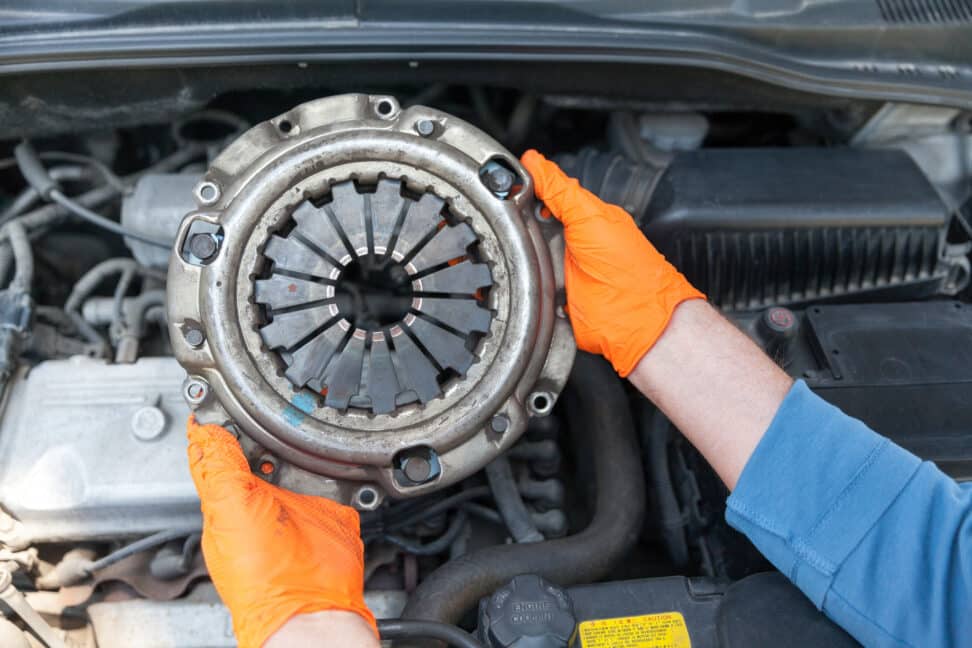
Sometimes, this is a sign of worn-out clutch components, like the clutch disc or pressure plate. Other times, it could be related to the hydraulic system that operates the clutch. If your clutch pedal feels spongy or goes to the floor without much resistance, that could also be a contributing factor to those grinding noises. Don’t force it! Seriously, if you’re wrestling with the gear stick, that’s a big red flag. You’re not trying to break a world record for gear-shifting strength; you’re trying to drive your car.
3. The Strange Smells: That "Burning" Feeling (Literally)
This one is a bit more dramatic, but just as important to note. Ever caught a whiff of something that smells like burning toast, but… worse? Like acrid, metallic burning? That’s often the smell of your clutch burning. When the clutch is slipping excessively, the friction material on the clutch disc generates a ton of heat. This heat can actually cause the material to burn. It’s like rubbing two sticks together really, really fast – eventually, you get fire (or in this case, a really unpleasant smell and a damaged clutch).
This is usually a sign that your clutch has been slipping for a while and is now reaching a critical point. If you notice this smell, pull over as soon as it's safe. Don't just roll your windows down and hope it goes away! That smell is your clutch’s desperate plea for help. It means significant damage is likely occurring, and continuing to drive could lead to a complete clutch failure, leaving you utterly stuck.
4. The High-Pitched Squeal or Whine: Music to Nobody's Ears
Another auditory clue that your clutch might be on its last legs is a high-pitched squeal or whine. This sound often occurs when you press the clutch pedal in or release it. It can be caused by a few things, but a common culprit is a worn-out clutch throw-out bearing (also known as the release bearing). This bearing is what allows the clutch to disengage smoothly. When it’s worn, it can start to make noise.

Sometimes the noise might be constant when the clutch pedal is depressed, or it might only happen during the moment of engagement or disengagement. It’s like a little orchestra of doom happening in your car. If you hear it, pay attention to when it happens. Does it happen when the clutch is in? Out? During the shift? This information can be super helpful when you’re trying to explain the problem to a mechanic. And let’s be honest, nobody wants their car to sound like it’s perpetually in a horror movie chase scene.
5. The Clutch Pedal Feels "Off": Spongy, Stiff, or Inconsistent
Your clutch pedal is your direct interface with the clutch system. If it starts to feel different, that’s a pretty strong indicator that something’s up. A clutch pedal that feels overly soft or spongy might mean there's air in the hydraulic clutch system, or a leak somewhere. Conversely, a pedal that feels unusually stiff or requires a lot of effort to press could indicate a problem with the clutch linkage, pressure plate, or even a worn-out clutch cable in older vehicles.
Another tell-tale sign is an inconsistent pedal. Maybe it grabs high one day and low the next. This variability is rarely a good thing. It means the clutch isn’t operating within its normal parameters. It’s like your car is having a mood swing. If you’re used to where your clutch engages and suddenly that engagement point changes drastically, that’s a significant clue that it’s time to investigate further. Don’t just get used to it; that’s the path to ignoring a problem until it’s too late.
When in Doubt, Get It Checked Out!
So, you’ve noticed one or more of these symptoms. What’s the next step? Well, if you’re comfortable working on cars, you could do some of your own diagnostics. But for most of us, the smartest move is to head straight to a trusted mechanic. They have the tools and the expertise to accurately diagnose the issue and recommend the best course of action.
Don’t wait until it’s an emergency. A failing clutch isn’t just an inconvenience; it can be a safety hazard. If your car suddenly loses power or you can't shift into gear in a critical situation, that’s a recipe for disaster. Plus, the longer you ignore a clutch problem, the more likely it is that other related components will be damaged, leading to a more expensive repair bill. Think of it as preventive maintenance for your wallet and your peace of mind.
Replacing a clutch is a significant job, and it's not cheap. But it's a whole lot cheaper than dealing with the fallout of a catastrophic failure on the side of the road. So, pay attention to those whispers from your car. Listen to the sounds, notice the smells, and feel how your clutch pedal behaves. Your car is trying to tell you something, and by understanding these signs, you can save yourself a lot of trouble (and maybe avoid that embarrassing badger-dragging moment I had!). Happy (and safe) driving!

