How To Tell If Chorizo Is Bad
Alright, spice lovers, gather ‘round! We’re about to dive into the wonderfully pungent, gloriously vibrant world of chorizo. This isn't just any sausage; it's a flavor explosion waiting to happen, a fiesta in your mouth! But, like any delicious adventure, sometimes things can go a little… sideways. Today, we’re talking about how to make sure your chorizo is ready to party, not pass out in the corner. Think of me as your culinary guardian angel, armed with sniff tests and visual cues!
First things first, let’s talk about the smell. This is your nose’s time to shine! Chorizo is supposed to have this amazing, spicy, paprika-rich aroma. It’s like a warm hug from a Spanish grandmother who’s just baked you a mountain of deliciousness. If, however, you open that package and are greeted by a smell that’s less "fiesta" and more "forgotten gym socks," it’s probably time to say adios to that chorizo. We’re talking about a sour, musty, or just plain “off” smell. Your nose knows, folks! Don't argue with it. It's your body's built-in alarm system, and it's usually pretty darn accurate when it comes to food that’s past its prime. Imagine sniffing something and your brain immediately conjures up images of a swamp – that’s your cue!
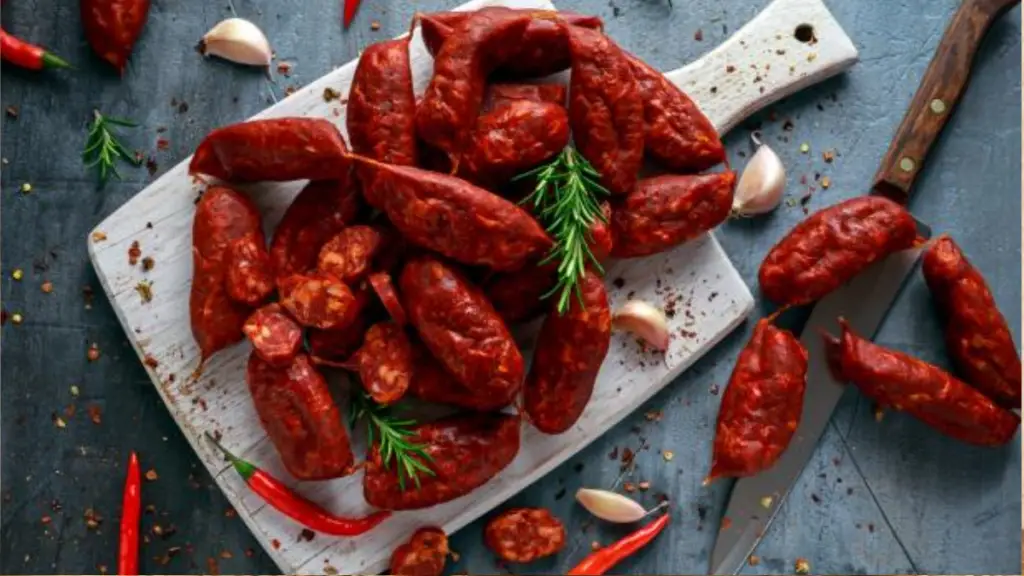
Next up, the visual inspection. Before you even get to the smell test, take a good, long look at your chorizo. Fresh chorizo, whether it’s the crumbly kind for tacos or the firm kind for slicing, should have a vibrant color. Think deep reds, sometimes with flecks of orange or darker paprika. It should look plump and inviting. Now, if your chorizo is looking pale, dull, or has developed a weird, slimy sheen, that’s a red flag waving faster than a matador’s cape. Slime is rarely a good sign in the food world, unless you’re talking about edible slime for kids’ parties, which is a whole different topic. If it looks like it’s sweating an unusual amount of oil or has started to turn a grayish or brownish color where it shouldn’t be, that’s a sign that the good times are over.
Must Read
Let’s get a little more specific. For fresh, uncured chorizo (the kind you usually cook up), pay attention to the texture. When it’s good, it’s firm but yielding. It should feel substantial, not mushy or strangely sticky. If you press it gently and it feels like it’s giving way in an unpleasant, watery sort of way, or if it’s got that sticky, almost tacky feel that makes you want to wash your hands immediately, that’s another warning sign. Think about what good raw meat feels like – it has a certain integrity to it. If your chorizo has lost that, it’s probably best to let it go. We’re aiming for that satisfying ‘squish’ of raw meat, not the ‘goo’ of something that’s seen better days.
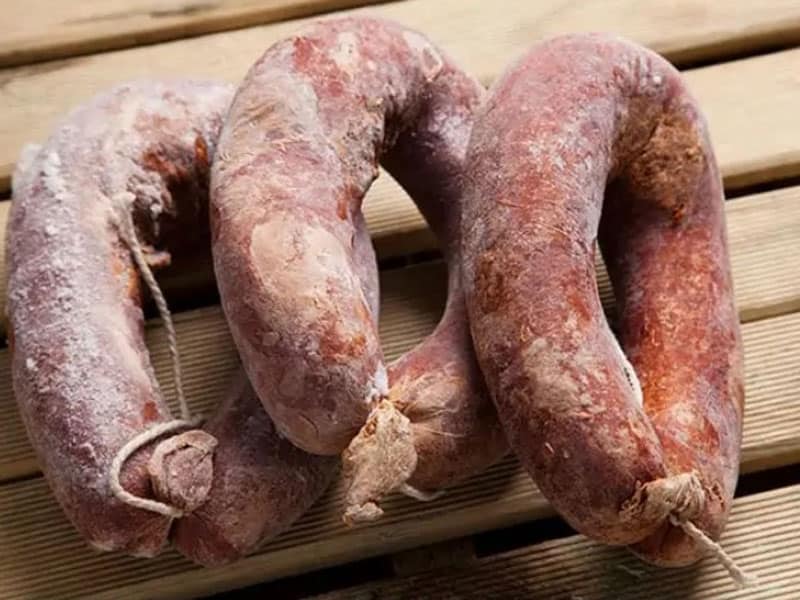
Now, what about that lovely, cured chorizo, the kind you can slice and add to your pasta or charcuterie board? This stuff is generally more forgiving, but it’s not invincible! Cured chorizo will often have a slightly drier texture and might develop a bit of a white mold on the outside. This is often natural and part of the curing process, especially if it’s a traditional, air-dried chorizo. It’s like the wise wrinkles on a seasoned traveler. However, if you see any fuzzy, green, blue, or black mold – the kind that looks like it's planning world domination – that’s a definite no-go. That’s not charmingly aged; that’s actively decomposing. Also, if the casing feels unusually sticky or the meat inside seems slimy or discolored, even on cured chorizo, it’s time for it to hit the compost bin. The aroma test is still crucial here too; a foul or ammonia-like smell means it's officially on vacation from your kitchen.
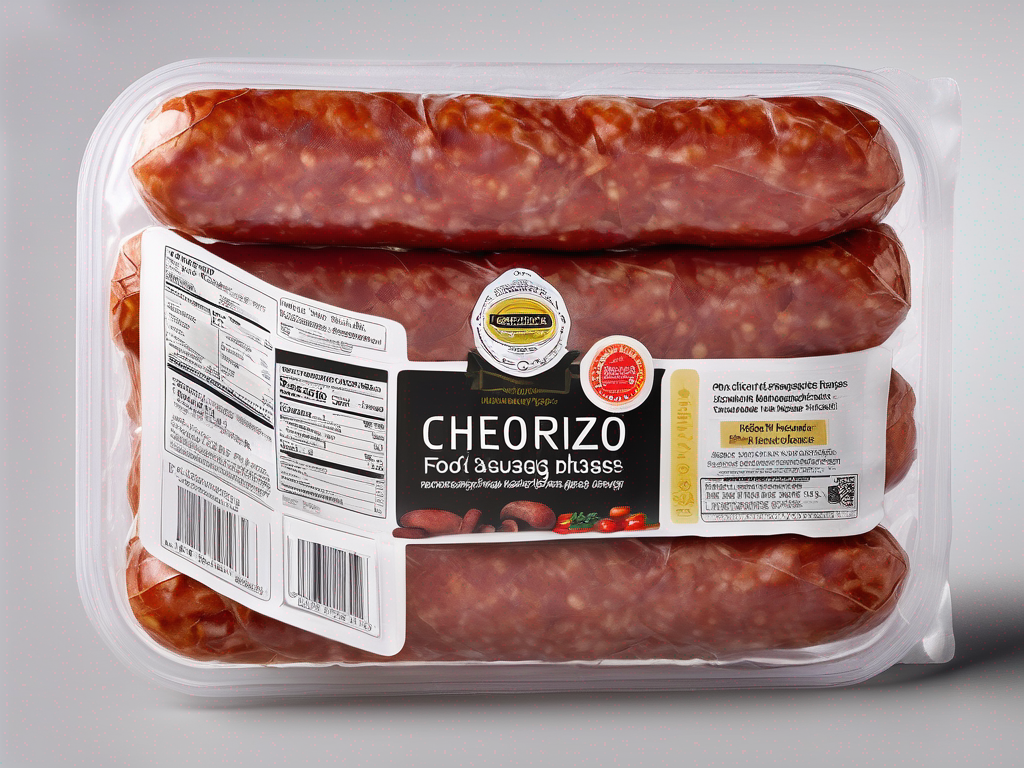
Don't forget to check the packaging! When you first buy your chorizo, make sure the packaging is intact. If it’s torn, leaky, or the vacuum seal is broken (for pre-packaged chorizo), it’s been exposed to the elements, and that’s never ideal. This can speed up spoilage and introduce unwelcome bacteria. Think of the packaging as a superhero’s cape, protecting the precious chorizo within. If that cape is ripped, the superhero might be compromised!
![How Long Does Chorizo Last? [Shelf Life Guide] [2025]](https://ca8534d4.delivery.rocketcdn.me/wp-content/uploads/2021/06/how-to-tell-if-chorizo-is-bad.jpg.webp)
And here’s a little tip for the adventurous cooks: If you're unsure, and you've done all the checks, but you're still on the fence, it's always better to err on the side of caution. Your stomach will thank you. A tiny bit of blandness might be disappointing, but a full-blown foodborne illness is a party you definitely don't want to attend. Remember, when in doubt, throw it out! It’s the golden rule of food safety, and it applies to all our beloved spicy sausages.
So, to recap: Trust your nose. Give it a good sniff. Look for vibrant colors, not dullness or slime. Feel the texture – firm and substantial, not mushy or sticky. And keep an eye out for those nasty molds on cured varieties. Your chorizo should inspire joy and delicious meals, not a trip to the emergency room. Happy cooking, and may your chorizo always be flavorful and safe!
Let’s keep those chorizo dreams alive and well, and make sure every bite is a celebration!