How To Tell If A Dog Is Cold

Ah, our furry best friends! They bring so much joy into our lives, with their wagging tails and goofy grins. But sometimes, our canine companions might be trying to tell us something important, and we just aren't picking up the signal. One of those things is that they're feeling a bit chilly.
It sounds simple, doesn't it? A dog is cold. But just like humans shiver, dogs have their own unique ways of letting us know their paws are starting to feel like ice cubes. And honestly, some of these signs are just too darn cute (or hilariously obvious) to ignore.
Think about your dog. Are they usually a super-active, zoomie-loving kind of pup? If suddenly they're content to just lie around, maybe even a little too content, that could be a clue. It's like they're saying, "My usual high-energy self is currently on a coffee break, and the coffee is just too cold to enjoy."
Must Read
One of the most heartwarming (and sometimes slightly embarrassing) signs is when your dog starts to seek out your warmth like a tiny, four-legged furnace. They’ll burrow under blankets, snuggle up so close you can barely breathe, or even try to wedge themselves into the armpit of your sweater. It’s like they’re auditioning for the role of your personal, very fluffy scarf.
The Obvious, the Subtle, and the Just Plain Funny
Let’s start with the no-brainers, the signs that even your sleep-deprived self can’t miss. You know how you get goosebumps when you’re cold? Well, dogs get something similar, though it's less about bumps and more about a change in their fur.
Ever notice those little hairs on their back standing up? It's not because they're suddenly terrified of a rogue dust bunny. This is called piloerection, and it's their body's way of trying to trap more air to create an insulating layer. Think of it as their natural puffer jacket getting its fluff on.
Another classic sign is the good old-fashioned shiver. Yes, dogs shiver just like we do when they’re cold. It’s their muscles rapidly contracting and relaxing, generating heat. It’s pretty much the canine equivalent of a frantic little dance to stay warm.
But it's not always about the dramatic shivers. Sometimes, it's more subtle. Have you noticed your dog tucking their tail between their legs more often? This isn't just about feeling scared; it's also a way to conserve body heat. Their tail is a bit like an extension cord for their warmth, and when it's cold, they want to keep all that precious heat contained.
Then there are the behaviors that are just plain funny. Some dogs, when they’re really cold, will start to pace around their bed, circling and circling. This is an old instinct, from when their wild ancestors would trample down snow or grass to create a cozy nest. So, when your dog is doing their nightly pre-sleep spin cycle, they might just be preparing for a frosty slumber.
And let’s not forget the "sploot"! You know, when they lie down with their back legs stretched out behind them? While they often do this to cool off in warmer weather, some dogs will also do a cold-weather sploot in an attempt to get their belly, which is less furry, directly onto a warm surface. It's a strategic move, really.
Beyond the Wags and Whines
Sometimes, the signs are less about physical manifestations and more about their overall demeanor. A normally playful dog might become lethargic. They might lose their enthusiasm for their favorite squeaky toy or that thrilling game of fetch.
Their appetite might also change. Some dogs might eat a little less when they're feeling the chill, as their bodies are focusing on staying warm rather than digesting a big meal. Others, in a weird twist, might seem to want to eat more, thinking extra fuel will help them generate more body heat. It’s a bit of a metabolic mystery.
Pay attention to their ears and nose. If they feel cold to the touch, it’s a pretty clear indication that your dog is feeling the cold too. Their extremities are usually the first to feel the brunt of the dropping temperatures. Think of them as tiny, furry thermometers.
And what about their ears? If their ears are drooping more than usual, or seem a bit stiff, that could be another sign. It's their way of reducing surface area, trying to keep as much warmth as possible close to their core. It's like they’re giving their ears a little hug.
You might also notice them becoming more clingy than usual. They’ll follow you from room to room, their eyes practically begging you to let them join you on the sofa. It’s not just because they love you; it’s because you’re a walking, talking source of warmth.
Some dogs will even try to find the warmest spots in the house. This means that sunny patch on the floor (even if it’s minuscule), the spot right next to the heater, or even your warm lap will become their ultimate destination. They’ve basically become tiny, furry solar panels or heat-seeking missiles.
The Role of Breed and Age
Now, it’s important to remember that not all dogs are created equal when it comes to cold tolerance. A fluffy Siberian Husky is going to have a very different experience in a chilly wind than a hairless Chinese Crested. It's all about their built-in insulation.
Short-haired breeds, toy breeds, and older dogs, or puppies, are generally more susceptible to the cold. Their thin coats offer less protection, and their smaller bodies lose heat faster. So, if you have one of these special pups, you’ll need to be extra vigilant.
Even a healthy dog can get too cold. If they've been outside for a while, especially in wet conditions, they can lose body heat much faster. That's why a quick potty break in a blizzard is different from a leisurely stroll in a frosty park.
Think about a baby. They can't regulate their temperature as well as an adult. Dogs, especially very young or very old ones, have a similar vulnerability. It’s our job as their loving humans to be their warmth-detecting radar.

What to Do When Your Pup is Feeling the Freeze
So, what do you do when you’ve identified your furry friend as a little chilly? It's simple: provide them with warmth! This might mean bringing them inside if they’re playing outdoors, or providing them with an extra blanket.
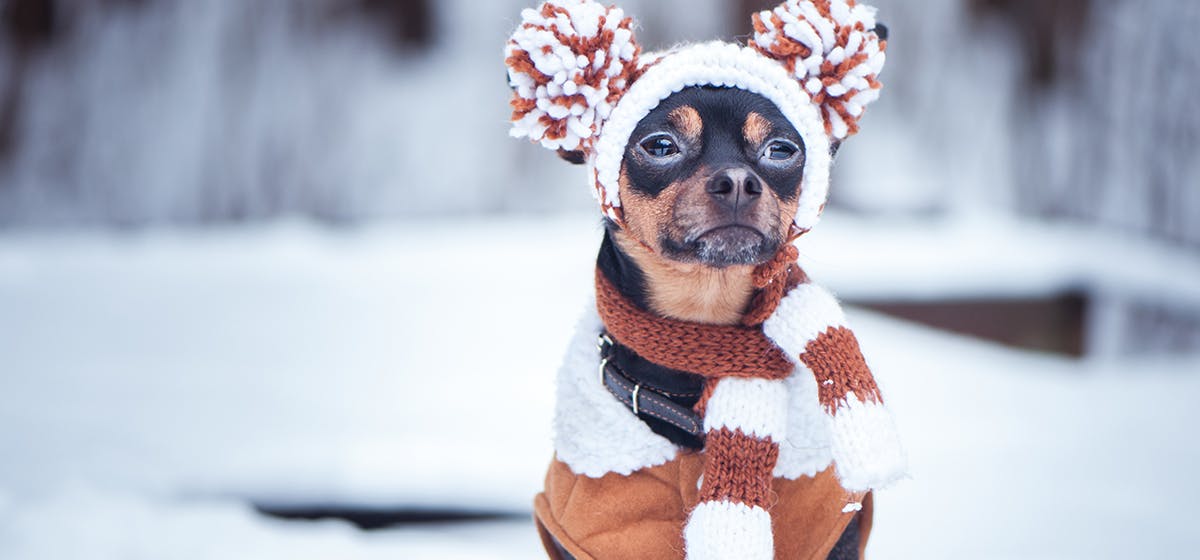
For those of us with more cold-sensitive breeds, consider a cozy dog sweater or a jacket for outdoor excursions. It’s not just about fashion; it’s about comfort and health. It’s like dressing a tiny human in their winter gear, just with more fur.
Make sure their bed is in a draft-free location. A warm, snuggly bed can make all the difference. Maybe even consider a self-warming mat if you live in a particularly frigid climate.
And if your dog is shivering uncontrollably, or seems extremely lethargic and unresponsive, it's always best to consult your veterinarian. While a little chill is normal, extreme cold can be dangerous for our canine companions. They’re relying on us to be their ultimate protectors.
Ultimately, learning to read your dog’s subtle (and not-so-subtle) cues is a wonderful way to deepen your bond. It’s like learning a secret language, a language of wags, whines, and surprisingly, shivering. So, keep an eye out, and make sure your best friend is always feeling warm and fuzzy.