How To Tell If A Dog Has Worms

Alright, fellow dog lovers! Let's dive into a topic that might sound a little… slimy. But hey, understanding your furry friend's inner workings is part of the amazing adventure of dog parenthood, right? Think of it as unlocking a secret level in the game of "Awesome Dog Owner." Today, we're going to chat about how to tell if your beloved canine companion might be hosting some uninvited microscopic guests: worms!
Now, before you start picturing your perfectly wiggly, tail-wagging buddy as some sort of internal parasite convention, take a deep breath. Most of the time, dogs are total troopers, and worm issues are totally manageable. Plus, knowing the signs is like having a superpower that keeps your pup happy and healthy. And a happy, healthy pup means more zoomies, more cuddles, and more hilarious doggy antics. Who wouldn't want more of that?
The Sneaky Signs: What to Look For
So, how do you become a doggy detective and spot these sneaky little critters? It’s not like they’ll leave tiny footprints on the carpet, but they do leave clues. Let’s break down the common giveaways.
Must Read
Changes in Their Poop: The Ultimate Clue
Okay, this is probably the most direct way to know. And let's be honest, you're already scooping the poop, so you're practically a pro at this! If you notice any of these changes, it’s time to put on your Sherlock Holmes hat:
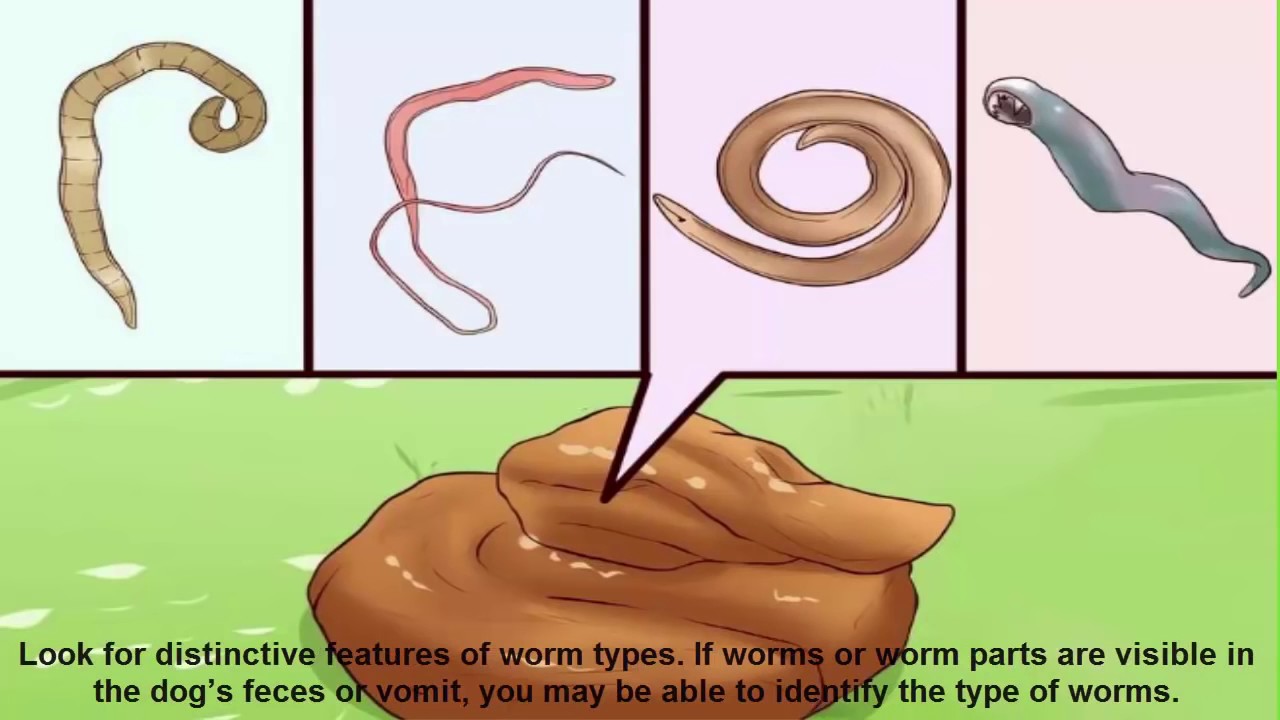
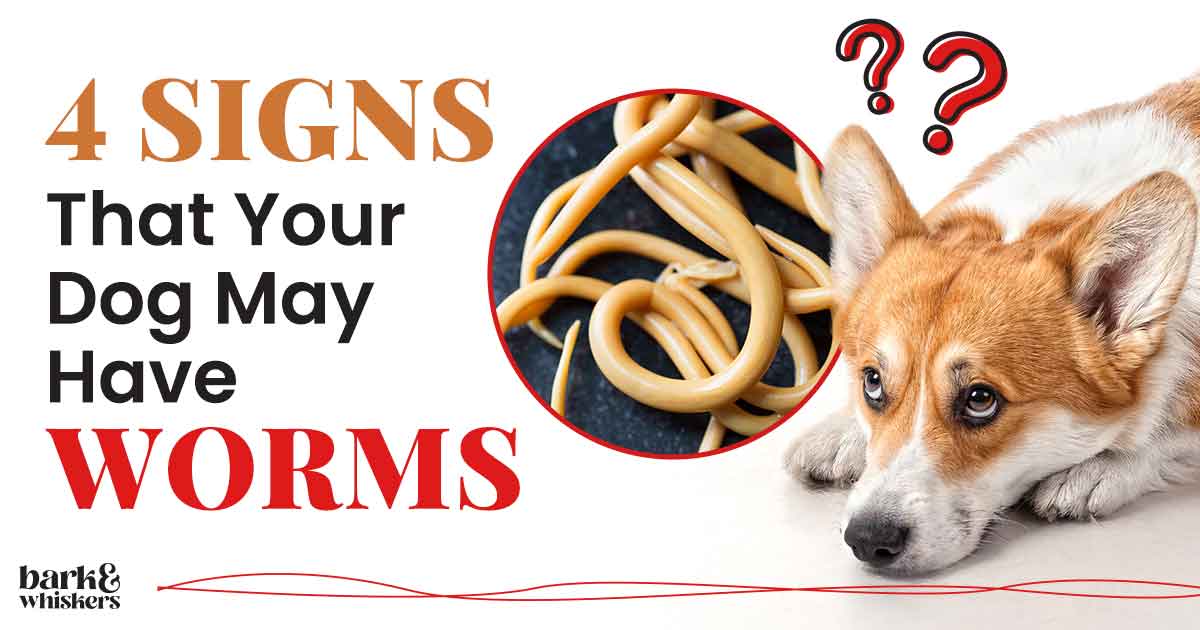
Visuals: Sometimes, you can actually see the worms. It's not glamorous, but it’s definitive. You might see tiny, rice-like segments (that’s tapeworms, folks!) wiggling around in fresh poop, or even sticking to the fur around your dog's backside. Or, you might see spaghetti-like strands (roundworms), especially in puppies. Shudder. But remember, it’s better to know!
Consistency: Is your dog’s poop suddenly looking like a mudslide when it used to be firm and well-formed? Or maybe it's unusually watery and frequent? Diarrhea can be a sign of irritation caused by worms.
Blood or Mucus: Seeing a little pink or red tinge, or stringy mucus in your dog's poop? That’s a red flag. Worms can irritate the intestinal lining, leading to these less-than-ideal additions to their… offerings.
:strip_icc()/common-canine-intestinal-parasites-1117426_final-7b48e1a58b5d4f3cac91d450b5eb7e8c.png)
Weight Loss: This one can be subtle. If your dog is eating normally, or even more than usual, but seems to be getting thinner, it's definitely worth investigating. Worms are essentially stealing nutrients from your dog, so they might not be able to absorb everything they need, leading to weight loss despite a good appetite. Think of it as a very unwanted roommate who keeps raiding the pantry!
Coat and Energy Levels: More Than Just a Bad Hair Day
Sometimes, the signs aren't as… direct. They manifest in your dog’s overall appearance and demeanor:
Dull Coat: Has your dog’s normally shiny, lustrous coat started looking a bit… lackluster? Like it's forgotten how to sparkle? Worms can affect nutrient absorption, which in turn impacts the health of their skin and fur. A dull coat is like a doggy fashion statement saying, "Something's not quite right!"
Lethargy: Is your typically energetic pup suddenly more interested in napping than playing fetch? Are those enthusiastic greetings at the door a bit more subdued? A general lack of energy or seeming more tired than usual can be a sign of internal issues, including worms. They might just be feeling a bit drained from battling those tiny invaders.
Pot-Bellied Appearance (Especially in Puppies): This is a classic sign, particularly in young dogs. Puppies with a round, distended belly, even if they’re otherwise quite thin, might be dealing with a heavy worm burden, especially roundworms. It's like their little tummies are staging a protest!
Behavioral Clues: When Your Dog Starts Acting Quirky
Your dog can't exactly tell you they have worms, but they can sure try to communicate in their own special ways. Pay attention to these:
Scooting: The "I'm So Uncomfortable!" Dance
This is a biggie! Does your dog regularly drag their butt across the floor? While it could be an anal gland issue (which vets can check), it’s also a common sign of intestinal irritation caused by worms, especially tapeworms. They’re essentially trying to scratch an itch that’s driving them bonkers!
It’s a universal doggie language for “something is irritating my backside!”
Increased Appetite (or Lack Thereof)
This one is a bit of a two-parter. As we mentioned, some dogs with worms might eat more because they aren't absorbing nutrients effectively. They're always hungry because they're never truly getting what they need. On the flip side, some dogs might lose their appetite altogether due to nausea or general discomfort. Either extreme warrants a closer look!

Vomiting: The Unpleasant but Informative Act
While vomiting can have many causes, seeing worms in the vomit is, of course, a dead giveaway. Even without visible worms, persistent or unexplained vomiting can be a symptom of a worm infestation irritating the digestive tract.
Why This "Slimy" Topic is Actually Fun!
Okay, I know "fun" and "worms" don't usually go hand-in-hand. But hear me out! When you can identify these signs, you’re not just dealing with an unpleasant situation; you’re empowering yourself to keep your best friend thriving. Think about it:
You’re a Hero! You’ve recognized a problem and are taking steps to fix it. That’s heroic stuff! Your dog might not be able to give you a medal, but they’ll show their appreciation with extra wags and snuggles.
More Playtime, Less Worry. Once any worm issues are sorted out, you can get back to all the fun stuff! More park visits, more fetch sessions, more epic adventures. Knowing your dog is feeling their best means they can give 110% to all the activities you both love.
Deepening Your Bond. Understanding your dog’s health on this level strengthens your connection. You’re not just a provider of food and shelter; you’re a true guardian of their well-being. That’s a pretty special thing, wouldn't you agree?
Knowledge is Power (and Peace of Mind!). The more you know, the less you have to worry. You’ll feel more confident and prepared to handle whatever comes your way. And that peace of mind is truly priceless.
The Takeaway: Be Prepared, Be Proactive!
The most important thing is to be observant. Your dog trusts you implicitly, and you are their advocate. If something seems off, even if it’s just a gut feeling, it’s always a good idea to consult your veterinarian. They are the ultimate experts and can perform simple fecal tests to confirm any suspicions and prescribe the right treatment.
Regular deworming is also a key part of preventative care, and your vet can guide you on the best schedule for your dog based on their age, lifestyle, and location. So, don’t be shy about this topic! It's an essential part of being a responsible and loving dog parent.
By being a little bit of a detective, you’re ensuring countless more happy, healthy, and worm-free years of fun with your four-legged family member. So go forth, my fellow dog enthusiasts, armed with knowledge and ready to embrace the wonderful, sometimes messy, but always rewarding journey of dog ownership. You've got this, and your dog thinks you're the best human ever, worm or no worm!