How To Tell A Masonry Drill Bit
Ever stared at a toolbox, completely baffled by the sheer number of drill bits? It's like a tiny metal jungle in there, right? And then you spot those chunkier, more imposing ones. You know, the ones that look like they mean business when it comes to tackling something tougher than a piece of soft pine. Yep, we're talking about masonry drill bits. But how, you ask, do you actually tell one apart from the rest of the drill bit crew?
It’s not exactly rocket science, but there are a few tell-tale signs that’ll have you feeling like a seasoned pro in no time. Think of it like learning to spot a particular bird in your backyard – once you know what to look for, they just pop out at you.
So, what’s the big deal? Well, imagine trying to hammer a nail into a brick with a butter knife. It’s just not going to work, is it? Masonry drill bits are designed specifically for the heavy-duty lifting of drilling into hard stuff like concrete, brick, stone, and yes, even tile. They’re the superheroes of the drilling world when you need to hang a shelf on that sturdy brick wall or mount something in your garage.
Must Read
Let’s dive into the fascinating world of these specialized bits and unlock their secrets. It's actually pretty cool when you start noticing the details!
The Pointy End of the Matter
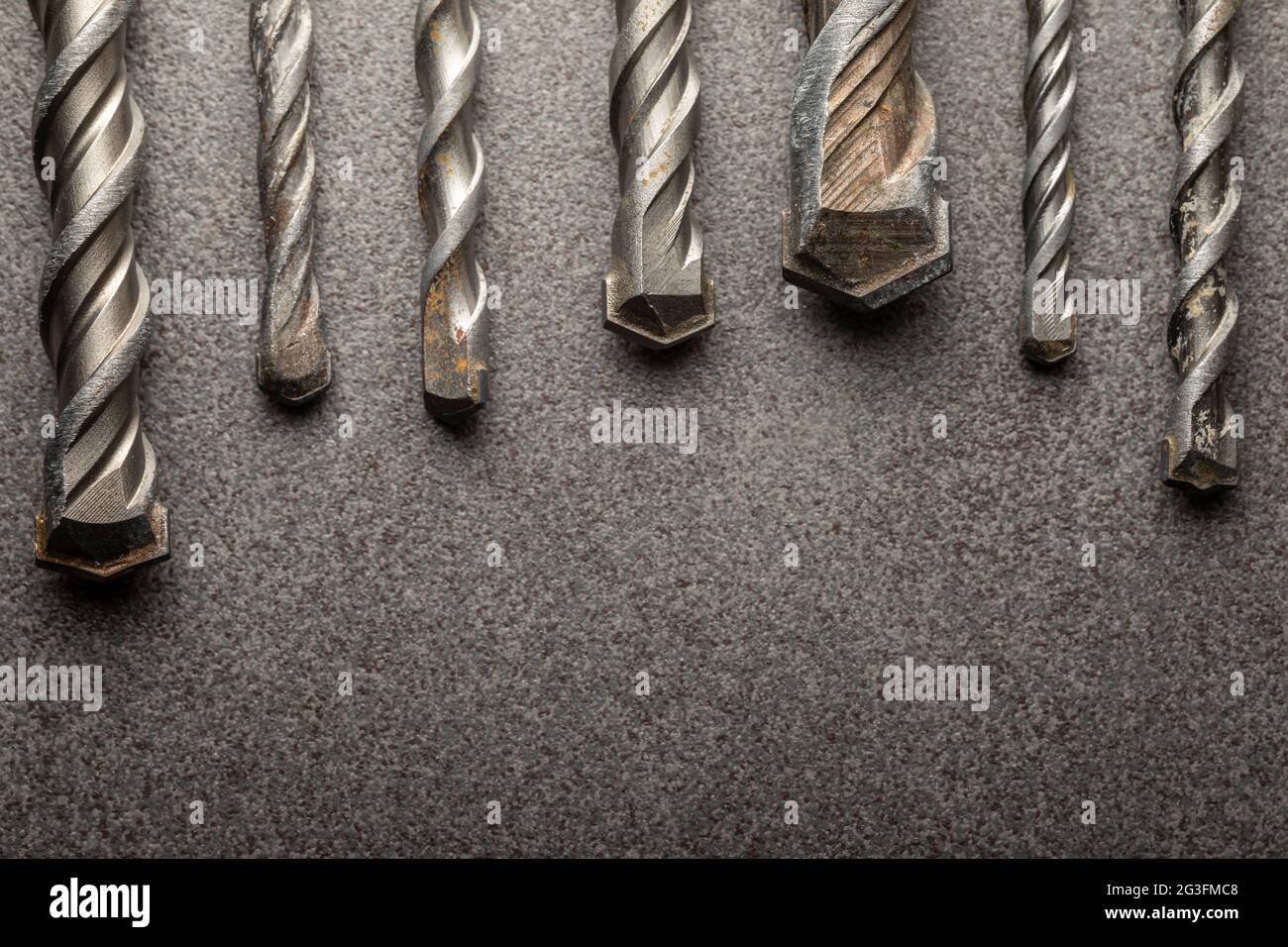
The first, and arguably the most obvious, thing to look at is the tip. This is where all the magic happens. Masonry drill bits have a very distinctive tip that’s unlike your standard wood or metal bits.
See that little carbide tip on the very end? It’s usually wider than the rest of the bit and looks almost like a small, flattened arrowhead or sometimes a chisel. This isn’t just for show, my friends. That hardened carbide is incredibly tough, designed to grind away at dense materials like concrete without wearing down too quickly. It’s like giving your drill a tiny, super-powered jackhammer for its tip!
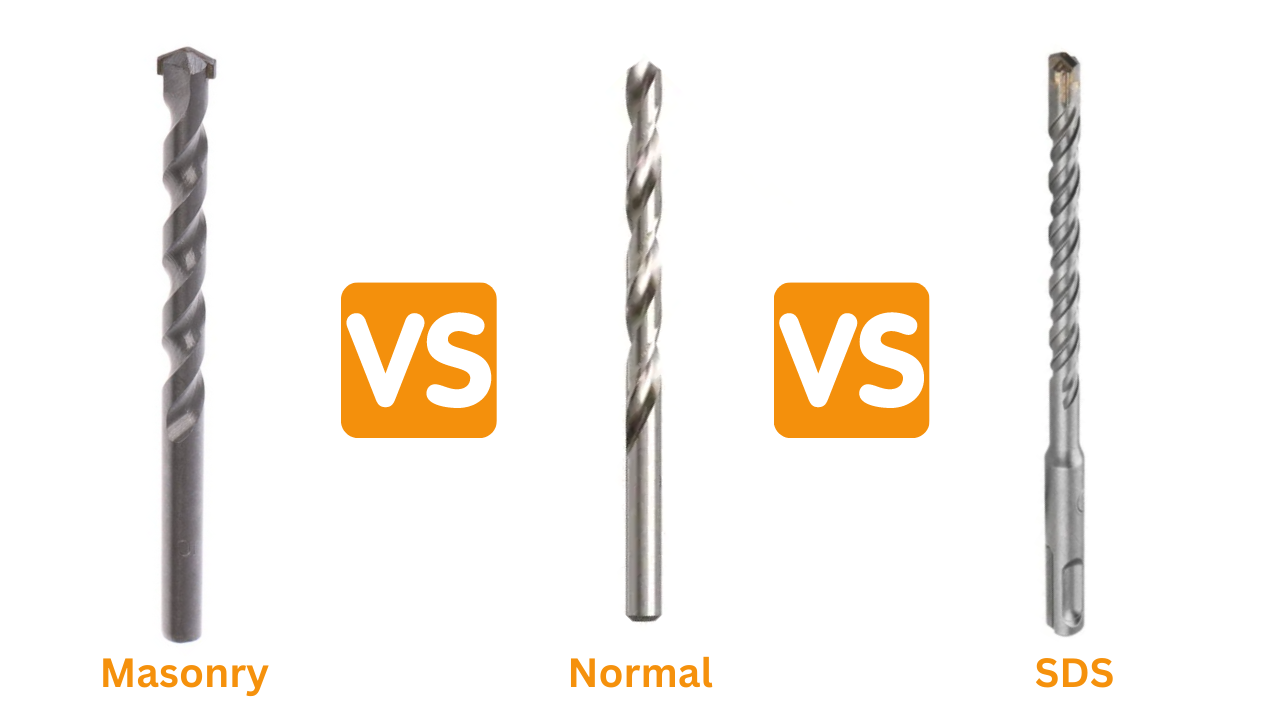
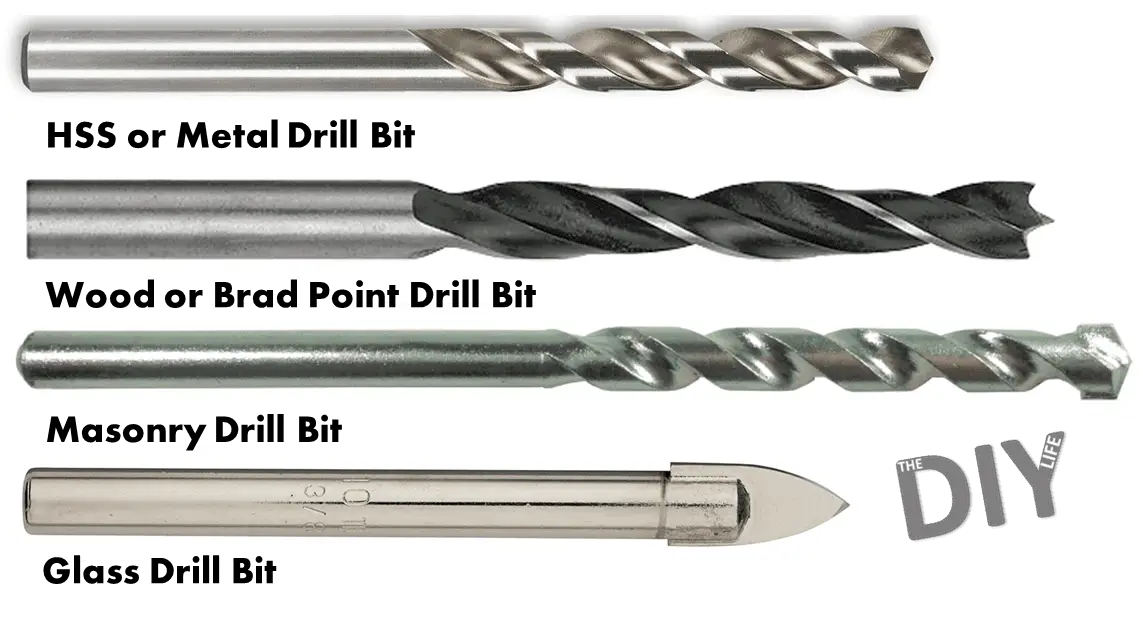
Compare that to a regular drill bit, which usually has a sharp, pointed tip designed to cut through softer materials. Masonry bits are more about crushing and grinding than slicing. It’s a subtle but crucial difference.
The Carbide Caper
Now, let’s talk about that carbide. It’s usually a darker color than the rest of the bit, often grey or almost black, and it’s bonded to the metal shank. You might even see a slight line where the carbide meets the steel. This is the key indicator that you’re holding a masonry bit. If there’s no distinct, hardened tip like that, it’s probably not your go-to for tackling brick.
Why carbide? Think of it this way: imagine trying to carve a statue out of granite with a plastic spoon. Not going to happen, right? Carbide is one of the hardest man-made materials, making it perfect for this kind of rough and tumble drilling.
The Body Language: Flutes and Features
While the tip is the star of the show, the rest of the bit has some interesting characteristics too. Masonry drill bits typically have wider, deeper flutes compared to other drill bits.
What are flutes, you ask? They’re those spiral-shaped grooves that run up the body of the drill bit. Their job is to help clear away the dust and debris created by drilling. With masonry, you're creating a lot of fine particles, especially with concrete. Those deep, wide flutes are essential for efficiently evacuating this material, preventing the bit from getting clogged and overheating.

It’s like a tiny, efficient dust removal system built right into your drill bit! Without them, your hole would fill up with dust, and your drill would just be spinning its wheels.
Grooves with a Purpose
The shape of these flutes can also give you clues. They’re often more U-shaped or have a more aggressive spiral than, say, a bit designed for metal. This design helps to channel that gritty dust away more effectively.
So, when you’re inspecting your drill bit, take a look at those grooves. Are they wide and spacious? Do they look like they’re built to handle a lot of material being pushed out? If so, you’re on the right track.
The Shank: Where the Grip Matters
The shank is the part of the drill bit that goes into your drill chuck. For masonry bits, you'll often find they have a straight shank, just like many other bits. However, some heavy-duty masonry bits might have a SDS shank, especially if you're using a hammer drill or a rotary hammer.

An SDS shank looks different. It has grooves or notches that allow the bit to lock securely into the drill and also enables a hammering action. If you see those distinctive notches, you’re looking at a bit designed for serious masonry work and a specific type of drill that complements it.
But for most general DIY tasks with a standard drill, a straight shank masonry bit will be what you’re looking for. The key thing to remember is that the shank has to be able to handle the power and torque needed for drilling into hard materials.
Special Mentions: Hammer Drill Bits
Now, for a little extra detail that might pop up. Sometimes you'll see bits specifically labeled as "hammer drill bits" or ones that are designed for use with a hammer drill. These are often masonry bits with that special carbide tip and robust flutes.
A hammer drill is different from a regular drill. It adds a rapid hammering motion to the rotation, which is incredibly effective for breaking up and drilling through concrete and stone. Masonry bits are essential for these tools because they can withstand the extra force and the abrasive nature of the drilling.

So, if you see a bit that looks like a masonry bit and you know you'll be using a hammer drill, it’s likely a perfect match. Just make sure the bit is rated for hammer drilling if that's your intention!
Putting it All Together: The Quick Check
So, to recap, how do you tell a masonry drill bit? Keep an eye out for these:
- The Tip: That distinctive, often wider, carbide tip is your biggest clue.
- The Flutes: Look for wide, deep grooves designed for clearing debris.
- The Material: The carbide tip will usually be a different, harder material than the rest of the bit.
- The Label: If all else fails, check the packaging or the bit itself for labels like "Masonry," "Masonry Bit," or "Concrete."
It's really about understanding what makes them special. They’re not just fancy metal sticks; they're engineered tools designed to conquer materials that would laugh at a regular drill bit. Pretty neat, huh?
Next time you’re faced with drilling into something tough, you'll know exactly which bit to grab. Happy drilling!