
How To Teach A Dog To Roll Over
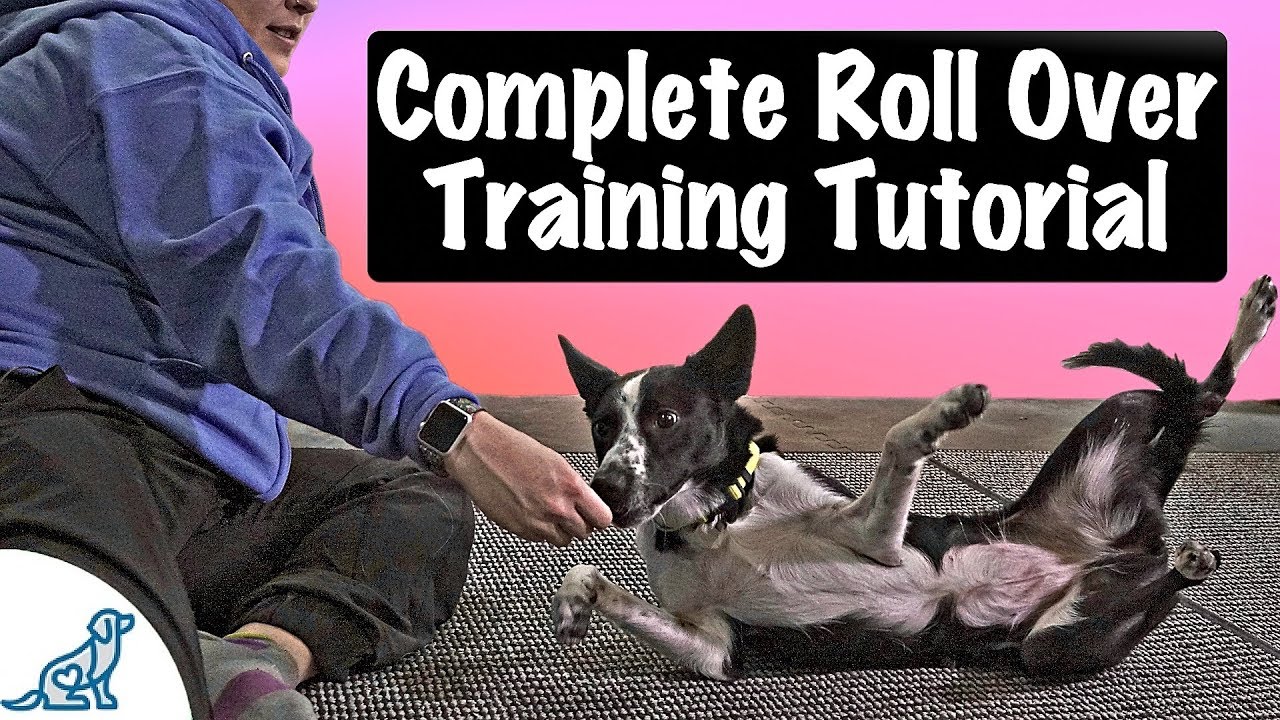
Ever watch those amazing dog videos online where pups seem to defy gravity, performing impressive tricks like a furry Olympian? While some tricks might seem out of reach for the average pet parent, teaching your dog to roll over is a fantastic goal that’s surprisingly achievable and incredibly rewarding. It’s a classic dog trick, a real crowd-pleaser at park gatherings, and a wonderful way to strengthen the bond you share with your canine companion. Think of it as a little dance you do together, a secret language of wags and treats that speaks volumes about your connection.
Beyond the sheer entertainment value of seeing your dog spin through a full rotation, teaching "roll over" offers a surprising number of benefits. For starters, it’s a fantastic mental workout for your dog. Learning new things keeps their brain sharp, prevents boredom, and can even help curb some less desirable behaviors that stem from a lack of mental stimulation. Think of it as cross-training for their canine intellect! Physically, while not an intense workout, it does encourage flexibility and coordination. It’s a gentle way to get them moving in a different way, promoting healthy joints and a lithe physique. Plus, the act of learning and successfully performing a trick builds your dog's confidence. Every successful roll is a little victory, reinforcing their ability to understand and please you, which is incredibly empowering for them.
The process of teaching "roll over" is all about breaking down a complex movement into small, manageable steps. It requires patience, positive reinforcement, and a good understanding of your dog’s individual personality and learning style. This isn't about forcing your dog into a position; it's about guiding them, rewarding them for every little bit of progress, and making it a fun game for both of you. We’ll be using a method that involves luring your dog with a tasty treat, gradually shaping the behavior until they understand the full motion. Remember, every dog learns at their own pace, so celebrate the small wins and don't get discouraged if it takes a few sessions. Consistency is key!
Must Read
Before you even begin, make sure you have the right tools for success. You'll need a handful of high-value treats. These should be small, soft, and incredibly appealing to your dog – think tiny pieces of cooked chicken, cheese, or those irresistible commercial training treats. The higher the value, the more motivated your dog will be. You’ll also want a quiet space with minimal distractions. A living room or a fenced backyard where your dog feels comfortable and safe is ideal. Ensure you have plenty of treats ready to go, and let's get started!
Getting Started: The Initial Roll
Begin by having your dog lie down on their side. You can achieve this by gently coaxing them or rewarding them for naturally lying in a relaxed position. Once they are comfortably on their side, hold a treat near their nose. The goal is to get them to follow the treat with their nose, turning their head. As they turn their head, slowly move the treat in an arc, encouraging them to follow with their body. You want to lure them from their nose, over their shoulder, and eventually towards their backbone. This is the initial luring phase, teaching them to shift their weight and begin the rolling motion.

When your dog’s head follows the treat, and their body starts to shift, offer immediate praise and a treat. Don't worry if they don’t complete the full roll at this stage. Even a slight shift or a turn of the head is a step in the right direction. We are building a foundation, associating the motion with positive reinforcement. Keep the sessions short, around 5-10 minutes, to prevent your dog from getting bored or frustrated.
The key here is to make it feel like a game. If your dog is enjoying themselves, they'll be much more eager to learn and repeat the behavior.
Once your dog is consistently following the lure and starting to shift their weight, you can begin to refine the movement. As they begin to turn their head and shoulder, continue the arc of the lure with your hand, encouraging them to continue the roll onto their back. Imagine you are drawing a circle in the air above their head with the treat. As their body follows, you are guiding them through the motion. If at any point they get stuck or seem confused, go back a step. Celebrate any progress, even if it’s just them lifting their head or shifting their hips.

Building Momentum: The Full Roll
As your dog becomes more comfortable with the partial roll, you can increase the arc of your lure to encourage them to complete the full 360-degree turn. Once they are following the lure and beginning to turn onto their back, continue the movement with your hand to guide them over to the other side. This might take some practice. You are essentially guiding their nose with the treat in a continuous motion that encourages their body to follow. Remember to keep your movements smooth and consistent.
When your dog successfully rolls over, even with a bit of help from your lure, offer enthusiastic praise and a high-value treat. This is the moment we’ve been working towards! Repeat this process, gradually making your lure less of a physical guide and more of a hand motion. Eventually, you'll be able to transition the lure into a verbal cue.
Adding the Cue and Fading the Lure
Once your dog is reliably rolling over with the hand lure, it's time to introduce the verbal cue. Say your chosen command, such as "Roll Over!" or "Spin!," right before you begin the hand lure. Do this for several repetitions. The goal is for your dog to associate the sound of the word with the action they are performing.

After a few sessions of pairing the word with the lure, you can start to fade the lure. Begin by making your hand motion smaller and less obvious. You might hold your hand slightly higher or move it in a less pronounced arc. Continue to say the verbal cue first. If your dog starts to roll over, praise them and give them a treat. If they hesitate or don’t understand, make your lure slightly more prominent again for that repetition, then try fading it back in the next one.
The ultimate goal is for your dog to perform the "roll over" solely on your verbal cue, with little to no hand motion required. This takes time and consistent practice. Celebrate every success, keep training sessions positive and fun, and you'll soon have your dog performing this impressive trick with ease!
Troubleshooting Tips for Success
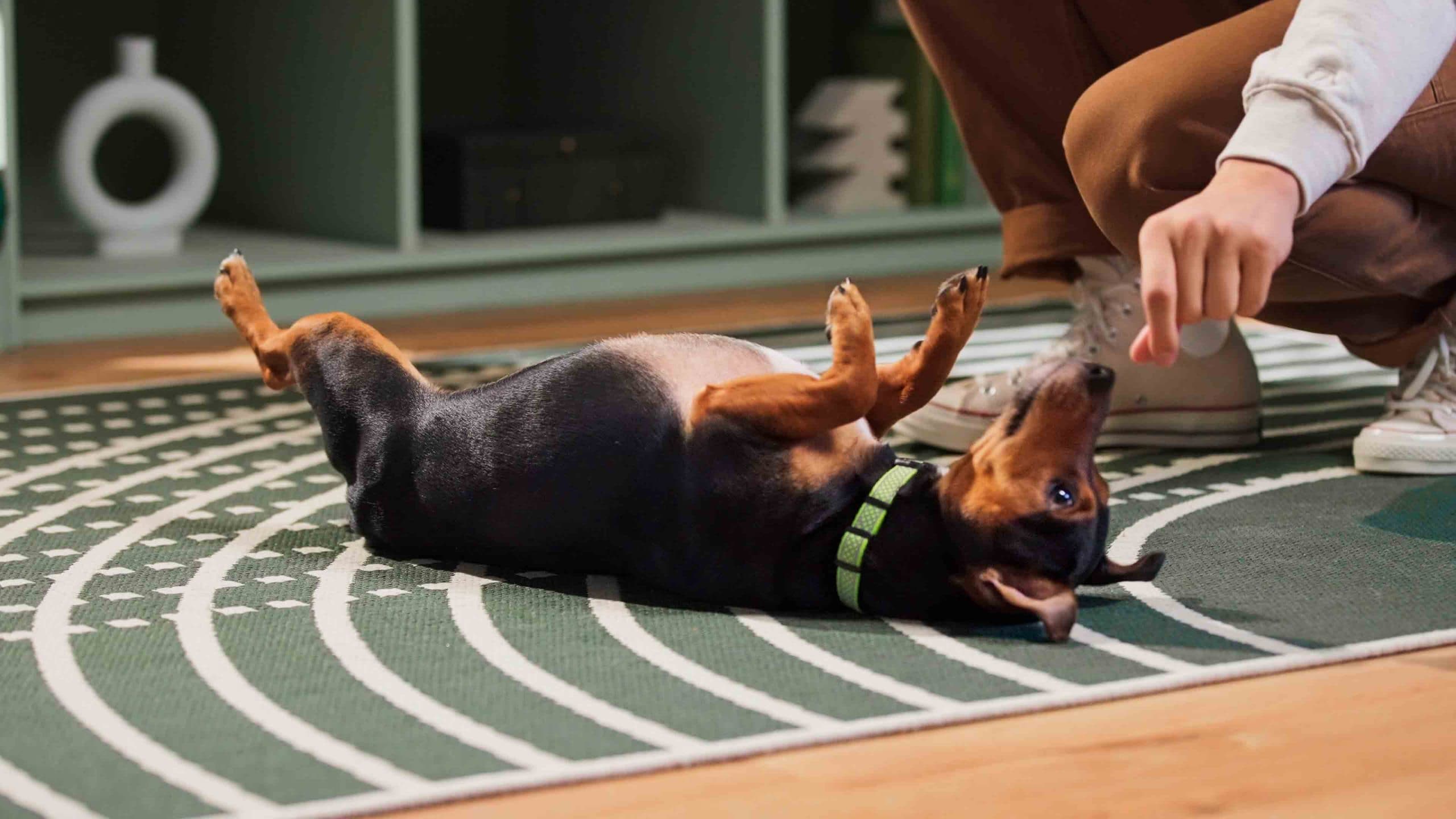
Some dogs are naturally more flexible and agile than others, so don't be discouraged if your dog seems a bit hesitant. If your dog is struggling to get onto their back, you can try making the surface slightly softer, like a rug or a yoga mat, to make them feel more secure. Some dogs might also be a bit uncomfortable with the feeling of being on their back, so keep those sessions short and extremely positive.
If your dog only rolls halfway, it could be that they are not quite understanding the full motion. Try going back to the initial luring phase and breaking it down even further. Reward them for just shifting their weight or getting onto their side. Gradually build up to the full roll. Patience is your best friend here. Another common issue is dogs getting up once they start to roll. This usually means they aren't quite motivated enough to complete the action. Ensure you are using those high-value treats!
If your dog seems to be getting frustrated, take a break. End the session on a positive note, perhaps with an easier trick they know well, and try again later or the next day. The most important thing is to keep the training experience enjoyable for both you and your dog. A happy dog is a dog that’s eager to learn!

