How To Take Care Of A Bird
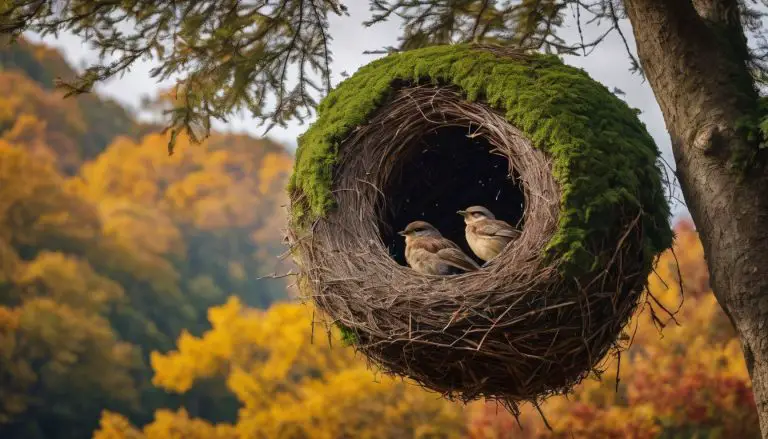
There's something incredibly special about sharing your life with a feathered friend. For many, the chirps and songs that fill their homes are more than just pleasant sounds; they're a daily dose of joy and connection. Bringing a bird into your life isn't just about having a pretty creature to admire; it's about embarking on a rewarding journey of care and companionship. Whether you're a seasoned birder or a curious newcomer, understanding how to properly care for your avian housemate can transform your experience into something truly wonderful.
The benefits of having a pet bird extend far beyond simple entertainment. For one, birds can be remarkably interactive and intelligent. Many species enjoy engaging with their owners, learning tricks, and even mimicking speech, which can be a source of endless amusement and a way to foster a unique bond. Beyond the personal enjoyment, caring for a bird can also instill a sense of responsibility and routine. The daily tasks of feeding, cleaning, and providing enrichment can be grounding, especially in our busy lives. It's a gentle reminder to slow down and focus on the needs of another living being.
You see birds in all sorts of environments, from small finches flitting in decorative cages to larger parrots in spacious aviaries. Common examples include budgies, canaries, cockatiels, and lovebirds – all popular choices for their manageable size and generally friendly dispositions. But no matter the species, the core principles of good care remain the same. The ultimate goal is to provide an environment that mimics their natural habitat as closely as possible, ensuring their physical health and mental well-being.
Must Read
So, how do you ensure your feathered friend thrives? Let's dive into some practical tips to make bird care even more enjoyable. First and foremost, diet is crucial. Research the specific nutritional needs of your bird's species. A balanced diet usually consists of high-quality seeds, pellets, fresh fruits, and vegetables. Avoid feeding them harmful human foods like avocado, chocolate, or anything high in salt or sugar. Variety is key to keeping their meals interesting and ensuring they get all the essential vitamins and minerals. Think of it as preparing a gourmet meal, just for a much smaller, fluffier client!
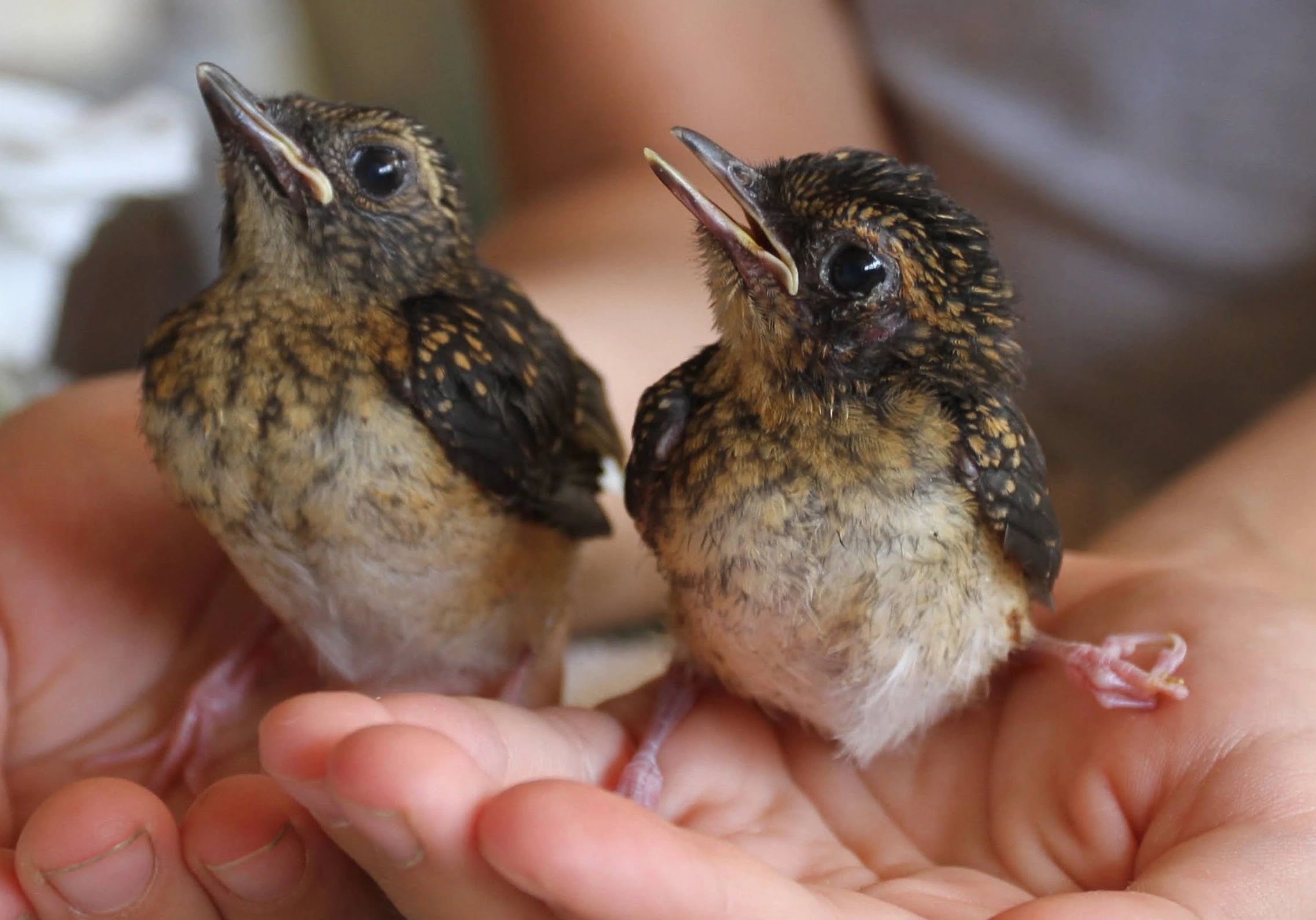
Next, consider their living space. A cage should be spacious enough for the bird to stretch its wings and move comfortably. For smaller birds, ensure the bar spacing is appropriate so they can't slip through. Provide a variety of perches of different textures and diameters to promote healthy foot health. Enrichment is just as important as sustenance. Birds are curious creatures! Offer them a rotating selection of toys, including foraging toys, chew toys, and puzzle toys. This mental stimulation helps prevent boredom and can curb undesirable behaviors.
Finally, don't underestimate the power of social interaction and observation. Spend time with your bird daily, talking to them, singing, or gently offering treats. Observe their behavior closely; changes in appetite, droppings, or activity levels can be early indicators of illness. If you notice anything concerning, don't hesitate to consult an avian veterinarian. By committing to these simple yet vital practices, you'll not only ensure your bird is healthy and happy but also deepen the incredible bond you share. It's a partnership built on trust, care, and the sweet melody of a happy bird.