
How To Stop A Puppy From Crying
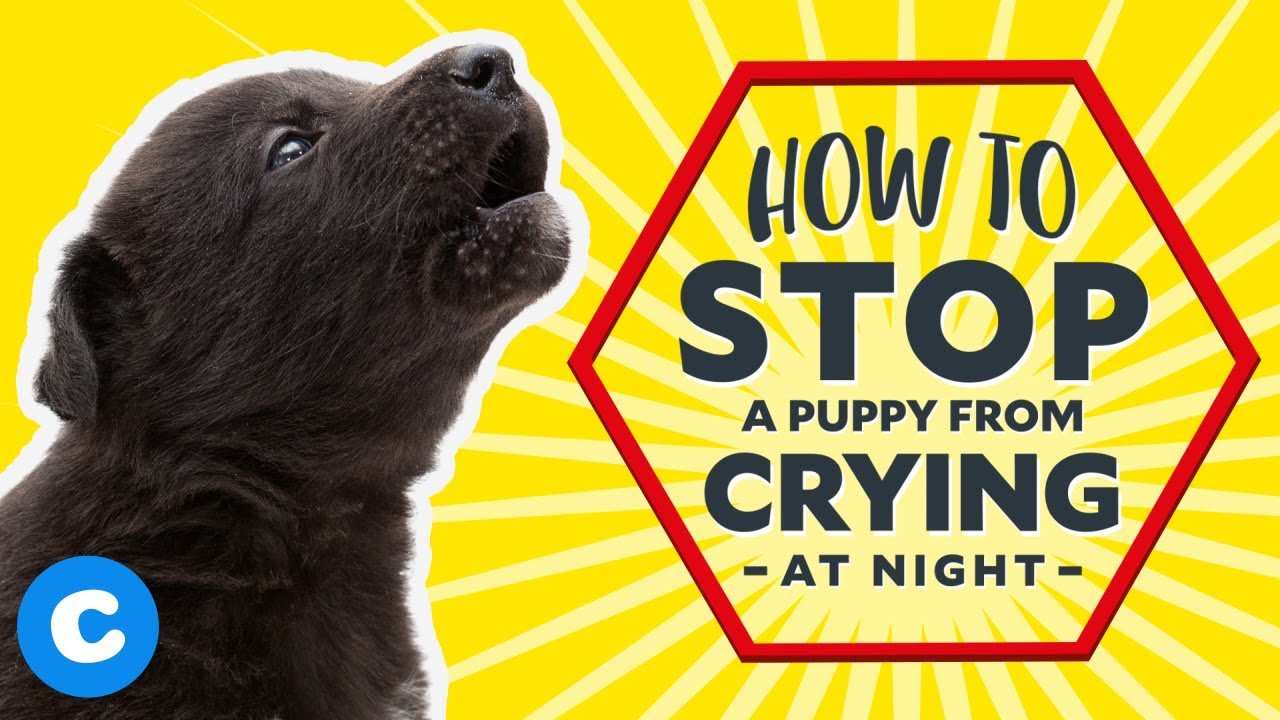
Oh, that little whimper! It's the soundtrack to every new puppy parent's life, isn't it? That tiny, adorable creature, all floppy ears and boundless energy, suddenly lets out a mournful sound that tugs at your heartstrings. It's enough to make you want to scoop them up and cuddle them until they stop. And hey, that's a great start! But when the crying continues, and you're wondering what on earth to do, it's time to get a little more strategic. Think of it as a puzzle, a fun challenge to understand your furry little roommate.
Puppies cry for all sorts of reasons, and figuring out the 'why' is half the battle, and honestly, half the fun! It's like deciphering a secret language. Are they hungry? Is their tummy rumbling with the need for some kibble? Maybe they just need a little potty break outside. Don't underestimate the power of a quick trip to the garden. Even if they don't do their business, the fresh air and change of scenery can be a real mood booster. Sometimes, it’s as simple as needing a drink of water. That little pink tongue might be a bit dry!
Then there's the comfort factor. Imagine being a tiny being, suddenly thrust into a big, new world. Everything is loud, strange, and you miss your mom and siblings. That's where you come in, your new best friend! A little bit of gentle petting, a soft voice, and maybe even a warm blanket can go a long way. Some pups love to be held, snuggled close. Others might prefer to have their favorite toy nearby. It’s all about learning their individual preferences, which is part of the delightful discovery process.
Must Read
One of the biggest reasons for puppy crying, especially at night, is separation anxiety. They’ve never slept alone before! It’s a big adjustment. The trick here is to create a safe and cozy den for them. A crate can be a wonderful tool. Make it a happy place, not a punishment. Put soft bedding inside, maybe a chew toy, and feed them treats when they go in. Initially, you might need to be close by. Perhaps sleeping on the couch near their crate for the first few nights. This helps them feel secure. As they get more comfortable, you can gradually increase the distance.
Another common culprit is sheer boredom or a need for mental stimulation. Puppies have a lot of pent-up energy and a curious mind. If they’ve been left to their own devices for too long, they might start to cry just to get your attention. This is where playtime comes in! Short, frequent play sessions throughout the day are perfect. Think fetch, tug-of-war (with rules, of course!), or even just a good old-fashioned romp around the living room. Interactive toys that dispense treats can also be a lifesaver when you need a moment to yourself.

Don't forget about training! Teaching your puppy basic commands like 'sit' and 'stay' not only helps them learn to be a well-behaved companion but also provides mental exercise. A tired puppy is a quiet puppy, as the saying goes! Even a few minutes of training can make a big difference in their overall calmness. And when they do something right, especially during training, a good dose of praise and a tasty treat is like magic. They’ll be eager to please you even more.
Sometimes, the crying can be a sign that something isn't quite right physically. If your puppy is crying constantly, seems lethargic, or is showing any other worrying symptoms, it’s always best to consult your veterinarian. They can rule out any underlying health issues and offer specific advice for your puppy's needs. It's always better to be safe than sorry when it comes to your little one's well-being.

Consistency is key. Whatever method you choose, stick with it. Puppies thrive on routine and predictable behavior. If you’re constantly changing your approach, it can be confusing for them and make the crying worse. Think of it as building a strong foundation of trust and understanding. They’re learning the rules of the pack, and you’re the pack leader!
And let's talk about that moment when the crying finally stops. It's a little victory! That quiet, contented sigh, or the peaceful breathing as they drift off to sleep – it’s so rewarding. It’s proof that you’re doing a good job, that you’re understanding their needs, and that they’re starting to feel safe and loved in their new home. This journey of a puppy’s first few months is truly special. You’re not just stopping crying; you’re building a bond that will last a lifetime.
So, the next time you hear that little whimper, don’t despair. See it as an opportunity to connect, to learn, and to grow together. It’s a chance to witness firsthand the incredible transformation of a tiny, sometimes vocal, ball of fluff into a confident, happy, and well-adjusted member of your family. Embrace the challenge, enjoy the process, and get ready for a lifetime of wagging tails and unconditional love. It’s a journey filled with hilarious moments, sweet cuddles, and yes, even a few well-timed cries that ultimately lead to something truly wonderful.

Remember: Patience and love are your most powerful tools. Every puppy is different, so what works for one might not work for another. It’s all about finding your puppy’s unique rhythm and responding with kindness and understanding. Enjoy every bork, every wag, and yes, even every whimper – it’s all part of the amazing adventure of puppyhood!
It’s fascinating how quickly they learn. One minute they’re a bundle of nerves and noise, and the next, they’re confidently exploring, playing, and settling down with just a little guidance. This process of learning to self-soothe and feel secure is crucial for their development. When you help them through their crying spells, you’re teaching them that they can rely on you, that their needs will be met, and that their new environment is a safe and welcoming place. It’s a subtle but powerful lesson in trust.

Consider the sheer entertainment value of it all! Watching a puppy try to figure things out, their little faces full of concentration, their ears perked at every new sound – it’s pure joy. Even their cries can be endearing in their own way, a testament to their vulnerability and their desire for connection. It’s a reminder of how much they depend on us, and how much we can do to enrich their lives. This is where the magic happens, in those moments of shared understanding and effort. The rewards are immense, far beyond just a quiet house.
Think about the unique personality that starts to shine through as you get to know your puppy better. One might be a cuddler, another a playful explorer, and some might be a little more sensitive. Understanding their individual crying triggers helps you appreciate these differences and tailor your approach. It’s like getting to know a new friend, learning their quirks and preferences. This deepens the bond between you and makes the entire experience even more special and rewarding. You’re not just training a dog; you’re forging a lifelong partnership.
So, the next time you find yourself with a crying puppy, take a deep breath. Remember all the wonderful reasons you brought this little creature into your life. Embrace the journey, the challenges, and the incredible moments of connection. Because in learning to stop that cry, you’re building a foundation of love, trust, and understanding that will make your relationship with your puppy truly extraordinary. It’s an investment of time and effort that pays dividends in pure, unadulterated joy and companionship.

