How To Stop A Dog From Howling
:max_bytes(150000):strip_icc()/stop-your-dog-from-barking-3877988-FINAL-5c8a554346e0fb0001cbf62c.png)
Alright, so you’ve got yourself a dog. Congrats! You’ve officially invited a furry, four-legged comedian/destroyer/soulmate into your life. Most of the time, they’re a bundle of joy. But then, there are those moments. The moments when your dog decides they’re the lead singer of the world’s most depressing opera, and their chosen instrument is your eardrum.
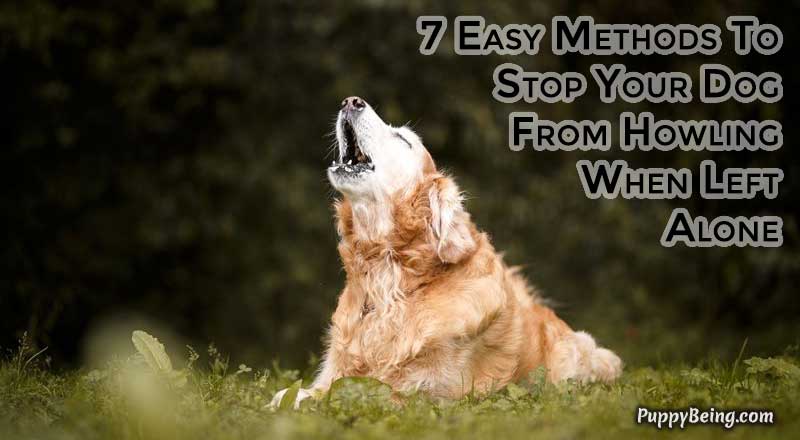
We’re talking about the howling. Oh, the howling! It’s not just a little “woof woof,” is it? It’s a full-blown, operatic lament that could make a statue weep. You’ve probably experienced it. Maybe it’s when you leave the house (your dog thinks you’ve been abducted by aliens and is mourning your loss). Maybe it’s when the ice cream truck rolls by (they’re convinced it’s a giant, mobile siren calling to their primal wolf ancestors). Or maybe, just maybe, they’re critiquing your questionable taste in reality television. Who knows!
Whatever the reason, it’s enough to drive a saint to drink… or at least to Google “how to stop dog howling” at 3 AM. Fear not, fellow dog parent! We’re about to embark on a quest, a heroic journey through the wilds of canine communication, to silence those mournful melodies. Think of me as your Gandalf, but with fewer robes and more questionable dog treat recommendations.
Must Read
So, Why All the Wailing?
Before we can silence the siren song, we need to understand why our furry friends are channeling their inner rock stars. It's not just because they're dramatic (though some breeds might argue that point). Dogs howl for a whole bunch of reasons, and figuring out the culprit is your first step to a quieter life.
The Attention Seeker's Symphony
Is your dog a seasoned performer? Do they unleash their vocal talents the second you so much as glance at your phone? Bingo. This is the classic “pay attention to me, human!” howl. They’ve learned that their vocalizations get a reaction. And let’s be honest, sometimes a stern “QUIET!” is still a form of attention, albeit negative. They might be bored, lonely, or just really, really want that belly rub you’re withholding.
Separation Anxiety: The Lone Wolf Blues
This is a big one. If your dog goes full Pavarotti the moment the door clicks shut, they might be suffering from separation anxiety. It’s like they believe you’ve vanished from the face of the earth and are preparing for a lifetime of solitary contemplation. This can manifest as howling, pacing, destructive chewing, and an overall air of existential dread. Poor pups!

The "I Hear Things You Can't" Club
Ever notice your dog howling at seemingly nothing? They might be picking up on sounds far beyond our puny human hearing range. Sirens, distant thunderstorms, the neighbor’s really enthusiastic polka practice – it all goes into their sonic cocktail of concern. They’re basically your furry, early warning system for… well, anything that makes a noise. Some dogs are even believed to howl in response to specific frequencies, kind of like they're tuning into a secret dog radio station.
Breed-Specific Serenades
Some dogs, bless their melodious hearts, are just built to howl. Think Huskies, Beagles, and Bassets. They’re descended from working dogs who used their voices for communication over vast distances. It’s in their DNA, like your tendency to hoard old Tupperware. You can’t really stop a breed’s natural inclination, but you can certainly manage it.
Medical Mayhem
Okay, this is less funny and more important. Sometimes, excessive howling can be a sign of a medical issue, like pain, cognitive dysfunction (especially in older dogs), or sensory loss. If the howling is a sudden change in behavior, or if it’s accompanied by other worrying symptoms, it’s time for a chat with your vet. They’re the real superheroes, armed with stethoscopes instead of capes.

Operation: Silence the Siren!
Alright, enough with the diagnostics. Let’s get down to brass tacks. How do we shut this thing down without resorting to industrial-strength earplugs or moving to a soundproof bunker?
1. The Power of Distraction and Engagement
Remember how we said boredom can lead to howling? Well, guess what cures boredom? FUN! When you’re leaving, make it less of a dramatic exit. No sad goodbyes, no extended petting. Just a calm departure. And when you get back? Same thing. No immediate fanfare. Let them settle down first.
Before you go, leave them with something to do. A puzzle toy stuffed with treats? A favorite chew toy? These are like doggy Xanax, but way tastier. Think of it as providing them with their own personal entertainment system. And when they are home, make sure they’re getting enough exercise and mental stimulation. A tired dog is a quiet dog. It’s practically a universal law, right after “socks will always disappear in the laundry.”
2. Desensitization: The Gradual Goodbye
This is for our separation anxiety sufferers. The goal is to teach them that you leaving isn’t the end of the world. Start small. Grab your keys, but don’t leave. Put on your coat, then take it off. Do this repeatedly throughout the day. The idea is to make these pre-departure rituals boring and unremarkable. They’ll start to think, “Oh, keys? Coat? That doesn’t mean anything anymore.”

Then, try leaving for very short periods. Five minutes. Ten minutes. Gradually increase the time. If they start howling, you’ve gone too long. Come back, let them calm down, and try again with a shorter duration. It’s like training for a marathon, but instead of running, you’re practicing the art of not being completely abandoned.
3. "Quiet" Command: The Voice of Reason
You can teach your dog a “quiet” command. This requires a bit of patience and a whole lot of treats. When your dog is howling, wait for a brief pause. The second they stop, say “Quiet!” and give them a high-value treat and praise. If they howl again, ignore it. The key is to reward the silence, not the noise. It’s like teaching a toddler to use their indoor voice – challenging, but eventually rewarding.
Some trainers even advocate for making them howl a little first, then rewarding the silence. You can try it by imitating a howl yourself (try not to sound too ridiculous… I failed spectacularly at this). The moment they stop to look at you, bingo! “Quiet!” and treat.

4. Environmental Adjustments: Soundproofing the Soul
If external sounds are the trigger, try to minimize them. Close curtains to block visual triggers. Play calming music or white noise to mask other sounds. Some dogs even respond well to dog-specific calming music. It’s like their own personal spa day, but without the cucumber slices on their eyes (though that would be adorable).
5. The "No Reward for Noise" Rule
This is crucial. If your dog is howling for attention, do not give them attention. No yelling, no soothing, nothing. Wait until they are quiet for at least a few seconds, then give them the attention they crave. It’s tough, I know. It feels like you’re ignoring a tiny, furry dictator. But consistency is key. They need to learn that howling doesn’t get them what they want, but silence does.
A Word of Caution (and Encouragement!)
Stopping a dog from howling isn’t an overnight fix. It takes time, patience, and a whole lot of understanding. Think of it as learning a new language – theirs! You’re deciphering their distress signals and teaching them a better way to communicate. And remember, sometimes a little howl is just… well, a little howl. A brief burst of excitement or a passing acknowledgment of a distant squirrel.
The goal isn’t to turn your dog into a silent statue. It’s to build a stronger bond, understand their needs, and bring some peace and quiet back into your life. So, grab those treats, put on your patient hat, and get ready to train your canine opera singer. You’ve got this!