How To Start A Stihl Chainsaw Step By Step

There's a certain satisfaction that comes with mastering a new skill, and firing up a Stihl chainsaw for the first time can be surprisingly rewarding. It’s not just about getting a job done; it’s about tapping into a bit of power and capability that can make tackling outdoor projects a whole lot easier and, dare we say, a little bit fun! Whether you're finally ready to clear that overgrown brush, chop some firewood for cozy evenings, or just want to feel more self-sufficient around your property, knowing how to start your Stihl safely and effectively is the first step to unlocking all sorts of possibilities.
So, who is this little guide for? Well, beginners who might be a bit intimidated by that eager-looking engine will find comfort in these clear, step-by-step instructions. For families who are taking on larger yard maintenance projects, being able to confidently start the saw means less reliance on others and more hands-on involvement in keeping your outdoor spaces tidy and beautiful. And for the hobbyists out there, whether you're crafting with wood or clearing land for a new garden bed, a smoothly running Stihl is your trusty sidekick, ready to help bring your vision to life.
Think of it like learning to ride a bike. At first, it seems a bit wobbly, but with a few practice runs and a bit of confidence, you're off and cruising. The process of starting a Stihl chainsaw is very similar. While most Stihl models share the core starting principles, you might find slight variations between, say, a homeowner-friendly model like the MS 170 and a more professional-grade saw. The key is understanding the fundamental steps that apply to nearly all of them.
Must Read
Let's get down to business with some simple, practical tips to get your Stihl purring:
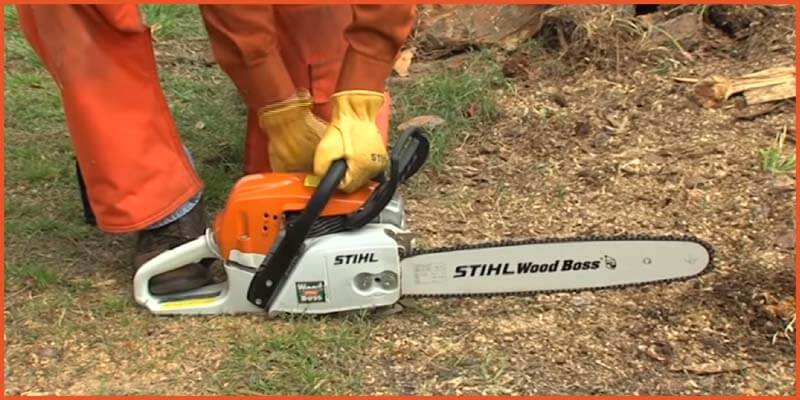
- Safety First, Always: Before you even think about pulling a starter cord, ensure you're wearing the right protective gear. That means a hard hat, eye protection (safety glasses or goggles), hearing protection (earplugs or earmuffs), heavy-duty gloves, and chainsaw chaps or sturdy trousers. Also, make sure the area around you is clear of any debris or flammable materials.
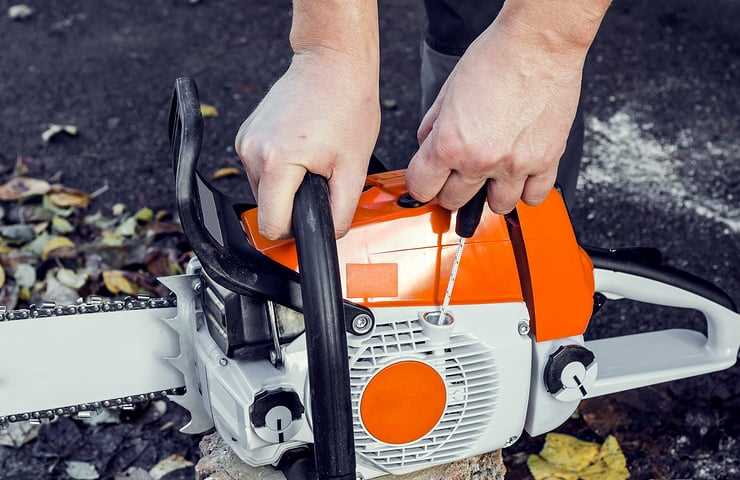
- Prime Time: Most Stihl chainsaws have a primer bulb. This is a small, clear rubber bubble. Press it about 5-10 times until you see fuel move back and forth inside. This helps get fuel into the carburetor, which is crucial for starting.
- Choke It Up: Locate the choke lever. For a cold start, you'll typically move the choke to the "full choke" or "winter" position. This enriches the fuel-air mixture. If the engine has recently been running, you might only need to use the "half choke" or "summer" setting.
- Engage the Chain Brake: This is a vital safety feature! Make sure the chain brake is engaged (pushed forward). This prevents the chain from spinning when you pull the starter cord.
- Find Your Stance: Place the chainsaw firmly on the ground. Put your right foot through the rear handle (or brace it firmly) and use your left hand to grip the top handle. This provides stability.
- The Pull: Now, with a firm grip, give the starter cord a strong, steady pull. You might hear a "cough" or a sputter. This is good! It means the engine is trying to start.
- Adjust the Choke: Once you hear that first sputter, immediately move the choke lever to the "half choke" or "run" position. Then, give the starter cord another pull. The engine should now start and idle.
- Disengage the Brake: Once the engine is running smoothly, you can disengage the chain brake by pushing it back towards the handle.
And there you have it! You've successfully started your Stihl chainsaw. It's a feeling of accomplishment that translates directly into being able to take on those outdoor tasks with more confidence and independence. The hum of that engine, once a bit daunting, now signifies your readiness to get things done and enjoy the fruits of your labor.