How To Smoke Fish In A Smoker
Hey there! So, you've been eyeing that fancy smoker, huh? Or maybe you just snagged some beautiful, fresh fish and thought, "You know what? This would be way better with a smoky twist." I get it. It's like a siren song of deliciousness calling your name. And let me tell you, smoking fish is totally doable. Easier than you might think, actually. Forget those intimidating chef shows; we're talking good old-fashioned, low-and-slow deliciousness. Like, Sunday afternoon, porch-sitting, "what's that amazing smell?" kind of delicious. You ready to dive in? Because I am!
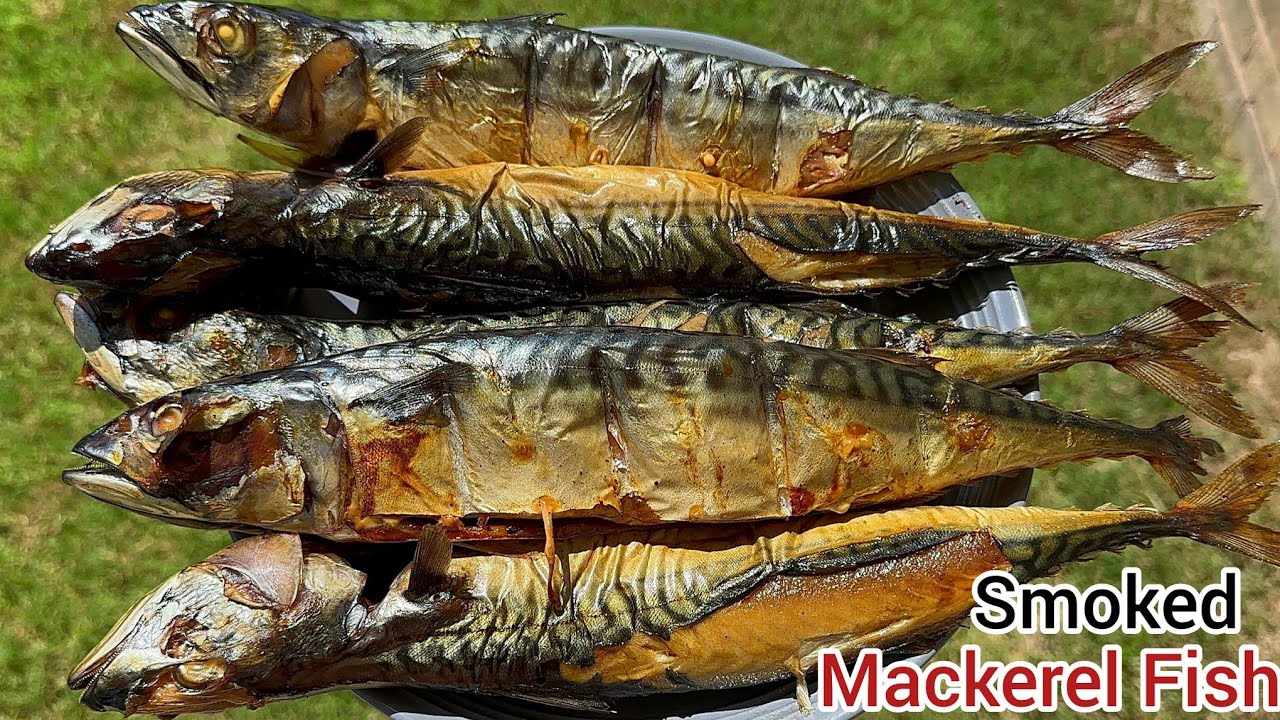
First things first. What kind of fish are we talking about? This is kinda important, you know? You wouldn't put a delicate trout in the same smoker for the same amount of time as a big, fatty salmon, right? No way. Think of it like dating – some are a quick fling, others are a lifelong commitment. For beginners, I always, always recommend starting with something fatty. Like salmon. Oh, salmon! It's forgiving, it’s got that glorious fat that just loves to soak up smoke. Plus, it’s just so darn tasty. Other good bets? Mackerel, trout, even some types of herring if you're feeling adventurous. Lighter, leaner fish? They can work too, but they're a bit more finicky. More on that later, maybe. For now, let's stick with the fatty champions.
So, you've got your fish. Now what? It's time for the magic words: brining. Don't skip this step! Seriously. It's not just about adding salt; it's about infusing flavor and getting that fish perfectly moist. Think of it as giving your fish a spa treatment. You can do a dry brine or a wet brine. A dry brine is basically rubbing your fish with a salt mixture. Simple, effective. A wet brine is immersing it in a salty liquid. My personal favorite for fish is a wet brine, and here’s why: it’s super effective and you can add all sorts of fun stuff to it. Garlic! Herbs! A little bit of sugar to help with that gorgeous, caramelized crust. Yum!
Must Read
Let’s talk brine ratios. For a basic wet brine, aim for about 1/4 cup of kosher salt per quart of water. That’s a good starting point. You can totally play with this. More salt means a saltier fish, less salt means… well, less salty. Who wants that? For every quart of water, I like to add maybe a tablespoon of sugar. Brown sugar is great for color and depth. And then, the flavor boosters! A few crushed garlic cloves? Yes, please. A sprig of dill or thyme? Absolutely. Peppercorns? Why not? Get creative! The goal here is to make your brine taste good on its own. Because if it tastes good in the brine, it's gonna taste amazing on the fish.
Now, how long do you brine? This is where it gets a little more science-y, but don't worry, it’s not rocket surgery. For most fish fillets, especially salmon, 4 to 8 hours in the fridge is a sweet spot. Thicker cuts? Maybe a bit longer. Smaller, thinner fillets? A little less. You don't want to over-salt it. That’s the biggest mistake beginners make. Over-salting. It's like showing up to a party with way too much enthusiasm; it just overwhelms everything. So, err on the side of caution. You can always add more salt later, but you can’t take it away. Tragic, I know.
Once your fish has had its brine bath, it's time for a rinse and a dry. This is crucial. You need to rinse off all that excess brine. Don't be shy! Gently run it under cold water, making sure to get any gooey bits off. Then, and this is key, you need to dry it thoroughly. Use paper towels. Pat it down. Seriously, get it as dry as you possibly can. Why? Because moisture is the enemy of smoke adhesion. It's like trying to stick a sticker to a wet surface – it just slides right off. A dry surface grabs onto that smoky goodness like a limpet on a rock. Plus, a dry surface helps create that beautiful, crispy skin if you're smoking with the skin on.
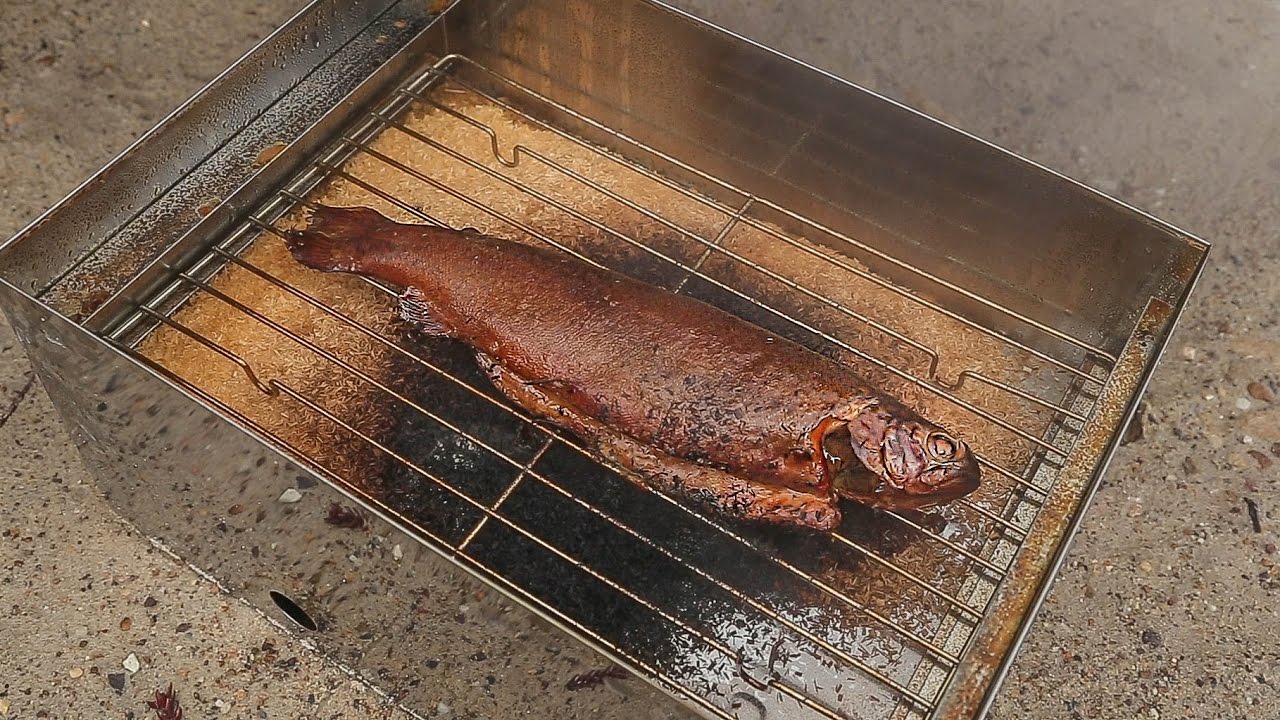
Okay, the fish is brined, rinsed, and dried. What’s next? It’s time to think about the smoker itself. What kind of smoker are we working with? Electric? Charcoal? Pellet? They all do the job, just in slightly different ways. For a beginner, an electric smoker can be super user-friendly. You set the temperature, you add your wood chips, and it pretty much does its thing. Charcoal smokers? They require a bit more attention to temperature control, but they can give you a fantastic smoky flavor. Pellet smokers are a fantastic all-rounder, offering convenience and great smoke. Whichever you have, the principle is the same: low and slow.
And by low and slow, I mean we're talking about temperatures in the range of 180°F to 225°F (82°C to 107°C). Forget searing, forget high heat. We're gently coaxing the smoke into the fish and slowly cooking it through. This is not a race, people. This is a marathon of deliciousness. High heat will cook your fish too quickly, drying it out before it can even begin to absorb that lovely smoke. Imagine trying to read a good book while someone is shouting at you – not ideal, right? Your fish needs a calm, quiet environment to soak up all that smoky goodness.

Now, about the wood. This is where the flavor really happens! What kind of wood should you use? For fish, I tend to lean towards milder woods. Fruit woods are fantastic. Applewood? Cherrywood? They give a sweet, subtle smoke that complements fish beautifully. Alder is another classic for fish, very delicate and almost buttery. Hickory and mesquite? They can be a bit overpowering for fish, especially if you're not used to them. They’re more for heartier meats. Think of it as pairing wine with food. You wouldn't pair a heavy cabernet with a delicate sole. So, for fish, stick with the lighter, fruitier notes. Unless you really love a bold smoke, then go for it, you rebel!
You can use wood chunks or wood chips. Wood chunks last longer and provide a more consistent smoke. Wood chips burn faster and give you a quicker burst of smoke. For most home smokers, especially electric ones, wood chips are often used. You'll typically need to soak your wood chips for about 30 minutes before using them. This helps them smolder rather than just flaming up. You want a nice, consistent smoke, not a raging bonfire. Put those soaked chips in the designated smoker box or directly on the coals if you're using charcoal. You want to see that thin, blue smoke. That's the good stuff. If you see thick, white smoke, that's usually a sign of incomplete combustion and can make your food taste bitter. So, aim for that delicate, bluish haze.
How much wood? This is another area where you can experiment. For a few fillets, a handful of chips thrown in every hour or so is a good starting point. You want a consistent, gentle smoke. Over-smoking can also be a thing, leading to a bitter taste. It's a balance, folks! It's all about finding that sweet spot where the smoke enhances, not overwhelms, the natural flavor of the fish. Think of it as background music – it sets the mood, but it doesn’t drown out the conversation.

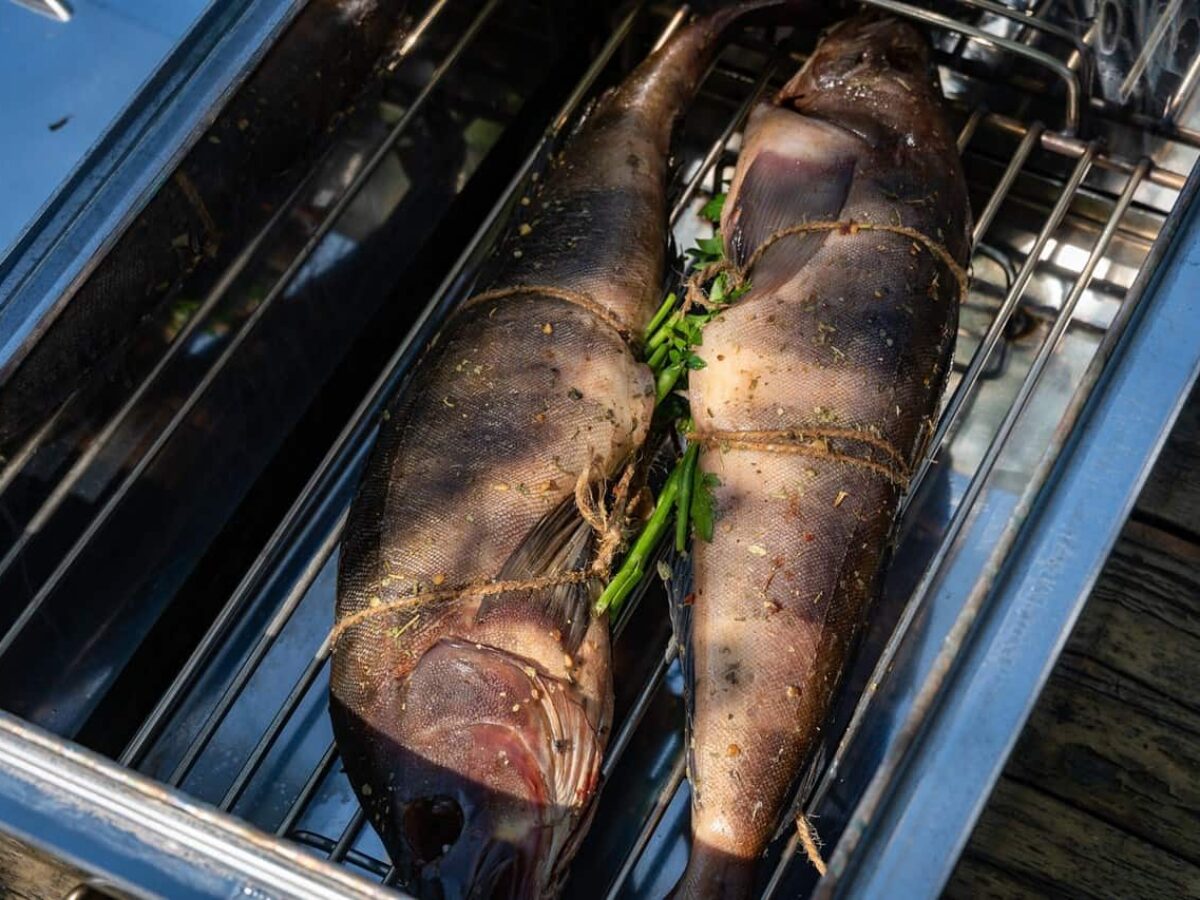
So, the smoker is preheated to that magic 180-225°F range. The wood is smoldering, producing that beautiful, thin, blue smoke. It's time to put your fish in! Lay your fish fillets directly on the smoker racks. If you’re smoking whole fish, same principle. Make sure there’s a little bit of space between them so the smoke can circulate. Airflow is your friend! If you’re using skin-on fillets, place them skin-side down. This helps protect the flesh from direct heat and allows the skin to get nice and crispy. And it makes it way easier to remove from the smoker later!
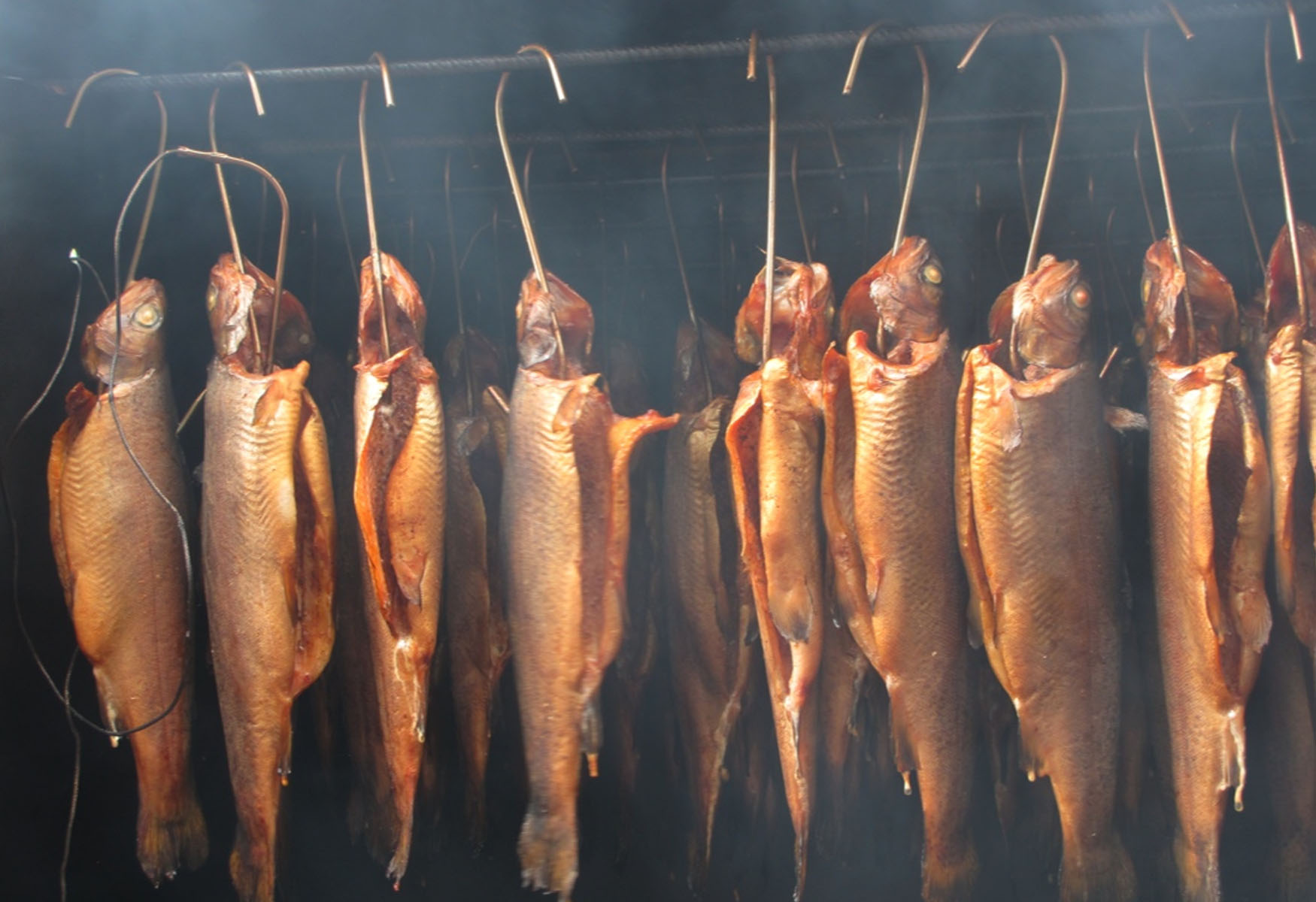
Now, the waiting game begins. And yes, it is a game. A delicious, smoky game. How long does it take? This is where the real variability comes in. It depends on the thickness of your fish, the temperature of your smoker, and the type of fish. For salmon fillets, you're probably looking at somewhere between 2 to 4 hours. Thicker cuts will take longer. Whole fish? Even longer. The best way to tell if your fish is done is to use an instant-read thermometer. You’re looking for an internal temperature of about 140°F to 145°F (60°C to 63°C). The flesh should be opaque and flake easily with a fork. Don't overcook it! That’s the other cardinal sin of fish smoking. Mushy, overcooked fish is just… sad.
Some people like to glaze their fish towards the end of the smoking process. This can add an extra layer of flavor and a beautiful sheen. A simple glaze of honey, butter, and a little soy sauce or maple syrup can be amazing. Brush it on during the last 30 minutes or so. Just be mindful that sugary glazes can burn, so keep an eye on it. This is where that low temperature really comes in handy; it allows the glaze to caramelize without incinerating your precious fish.
Once your fish reaches that perfect internal temperature and flakes beautifully, it's time to take it out. Let it rest for a few minutes before serving. This allows the juices to redistribute, making it even more moist and flavorful. And then? Dig in! You did it! You smoked your own fish. High five! You can serve it hot, or it's absolutely divine served cold. Smoked salmon is fantastic on crackers, in salads, on bagels… the possibilities are endless. And the pride? Oh, the pride is immense. You'll be the star of any potluck or barbecue. Just be prepared for people to beg for your secret. And you can just smile, wink, and say, "It's all about the smoke, baby."
A quick word on safety, because no one wants to get sick from deliciousness. Make sure your smoker is clean before you start. Any old gunk can impart off-flavors. And of course, once the fish is cooked, it needs to be handled and stored safely. Refrigerate any leftovers promptly. Don't leave it sitting out for too long, tempting as it may be. You know the drill. Food safety is not a suggestion; it's a commandment. Especially when dealing with raw fish that's been sitting in a warm environment. So, play it safe, and then enjoy your smoky spoils!
So there you have it. Smoking fish. It's not some mystical culinary art reserved for pros. It’s a fun, rewarding process that yields some truly incredible results. Start simple with fatty fish, get your brine game strong, choose your wood wisely, and respect that low and slow temperature. You’ll be turning out perfectly smoked fish like a seasoned pro in no time. And who knows? Maybe you’ll get so good, you’ll start experimenting with different fish, different brines, different wood combinations. The smoky journey is a long and delicious one, my friend. Now go forth and smoke!