How To Set Up A Dart Board

So, you've seen darts played in pubs, maybe watched a professional match on TV, and thought, "Hey, that looks like fun!" Well, you're not alone! Setting up a dartboard at home is a fantastic way to inject some friendly competition and a bit of classic pub charm into your own space. It’s more than just a game; it’s an opportunity for laughs, friendly banter, and maybe even discovering a hidden talent you never knew you had.
Why bother setting one up? For beginners, it's an accessible and engaging way to learn a new skill. It’s a great way to improve hand-eye coordination and can be incredibly satisfying as you see your accuracy improve. For families, a dartboard is a fantastic source of entertainment that can bring generations together. Imagine a relaxed evening where grandparents are challenging grandkids, all while enjoying some snacks and good conversation. It's a break from screens and a chance to create memorable moments. And for the dedicated hobbyists, a home dartboard is your personal practice ground. You can hone your skills, try out different games, and truly immerse yourself in the world of darts.
The classic setup involves a standard dartboard, usually made of sisal fiber, and a set of darts. But there are variations! You can get electronic dartboards which make scoring a breeze – perfect for those who find the mental math a bit daunting. These often come with built-in games and sound effects, adding another layer of fun. For a more rustic feel, some people even opt for wooden dartboards, though these are less common for serious play. And don't forget the surround! This is a crucial accessory, usually made of foam or rubber, that goes around the board to protect your walls from stray darts. It’s a practical investment that saves you a lot of potential headaches (and repair bills!).
Must Read
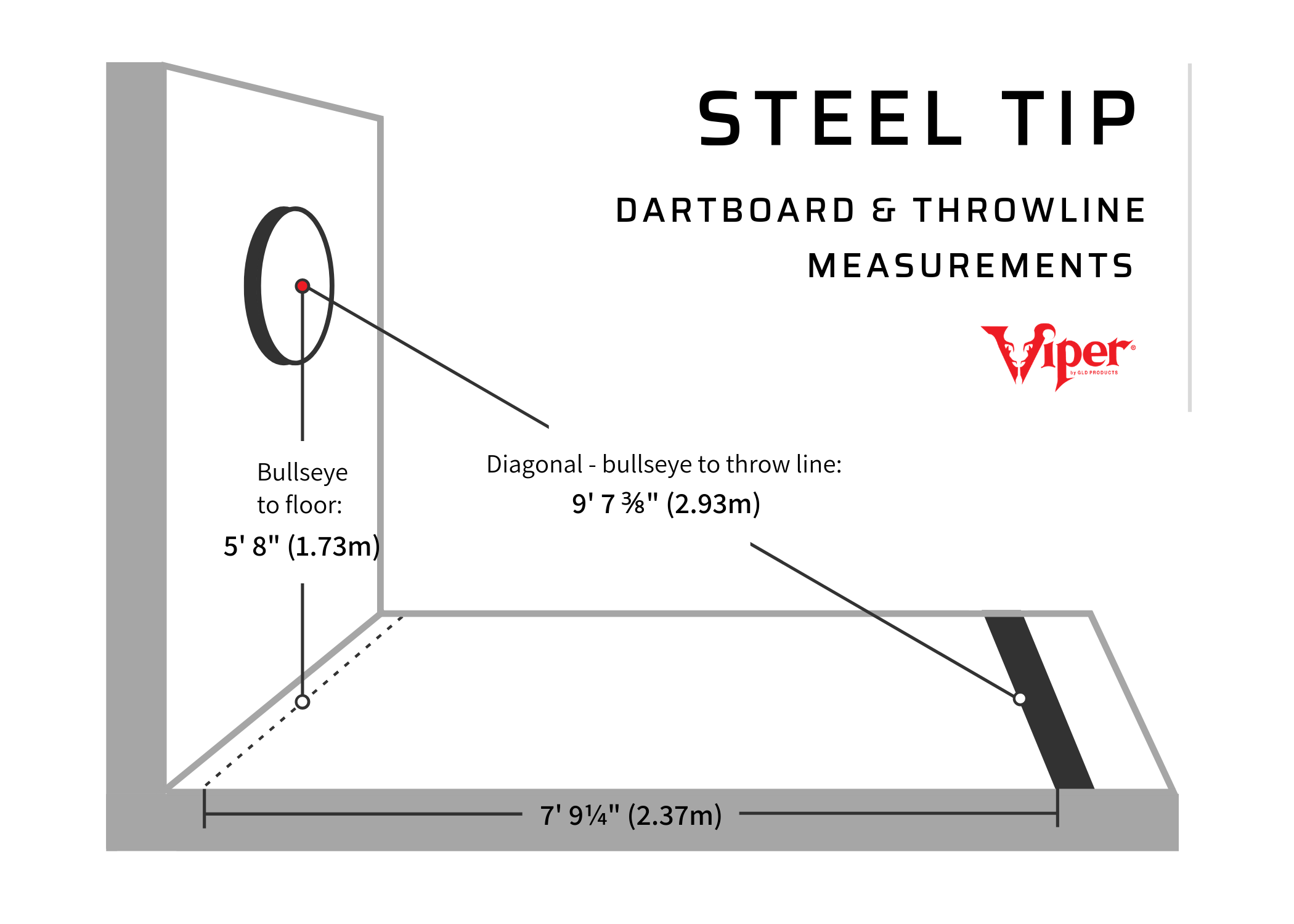
Getting started is surprisingly simple. First, you'll need to choose a location. Look for a wall that's sturdy and has enough space around it. You’ll need at least four feet of clear space in front of the board for throwing, and ideally, some space on the sides too, just in case of errant throws. Next, the height. The standard height for the bullseye is 5 feet 8 inches (1.73 meters) from the floor. You can use a measuring tape for this. Then comes the distance. The oche, or throwing line, should be 7 feet 9.25 inches (2.37 meters) from the face of the board. Again, a measuring tape is your best friend here. Most dartboards come with mounting hardware, making the actual attachment to the wall straightforward. If you're using a surround, attach that first, then mount the board inside it.
Once your board is up, grab your darts, step up to the oche, and let your first few throws fly! Don't worry about perfection right away. The joy of darts lies in the process of playing, improving, and sharing the experience. It’s a fantastic way to unwind, socialize, and add a touch of playful challenge to your home life.