How To Serve Notice On A Tenant
Ah, the joys of being a landlord! While it might sound a little daunting, serving notice on a tenant is actually a rather empowering and surprisingly useful skill to have in your landlord toolkit. Think of it as the polite, official way to navigate those tricky situations where a lease needs to end. It’s less about confrontation and more about clear communication and following the proper steps, which can save you a whole lot of headaches down the line. So, let's dive into this essential landlord skill in a way that’s anything but dry!
For beginners stepping into the world of property ownership, understanding how to serve notice is like learning to drive – you need to know the rules of the road before you hit the gas. It ensures you’re acting within the law, protecting both your property and your tenant's rights. Families who might be renting out a spare room or a property to supplement their income will find this knowledge invaluable for maintaining a good relationship with their lodgers while ensuring their own peace of mind. Even those who consider themselves hobbyist landlords, managing a small portfolio of properties, will appreciate the efficiency and professionalism that comes with knowing the ins and outs of tenant notice. It’s all about smooth sailing and avoiding unnecessary drama.
Let's look at some common scenarios. You might need to serve a 'notice to quit' if a tenant hasn't paid rent, or perhaps a 'notice of lease termination' if you simply wish to end the tenancy at the end of the lease term (provided your lease agreement and local laws allow it). Some situations call for a 'notice to cure or quit', giving the tenant a chance to fix a lease violation, like having unauthorized pets, before they have to leave. The exact terminology and notice periods will vary greatly depending on your location and the specifics of your lease, so always check your local regulations.
Must Read
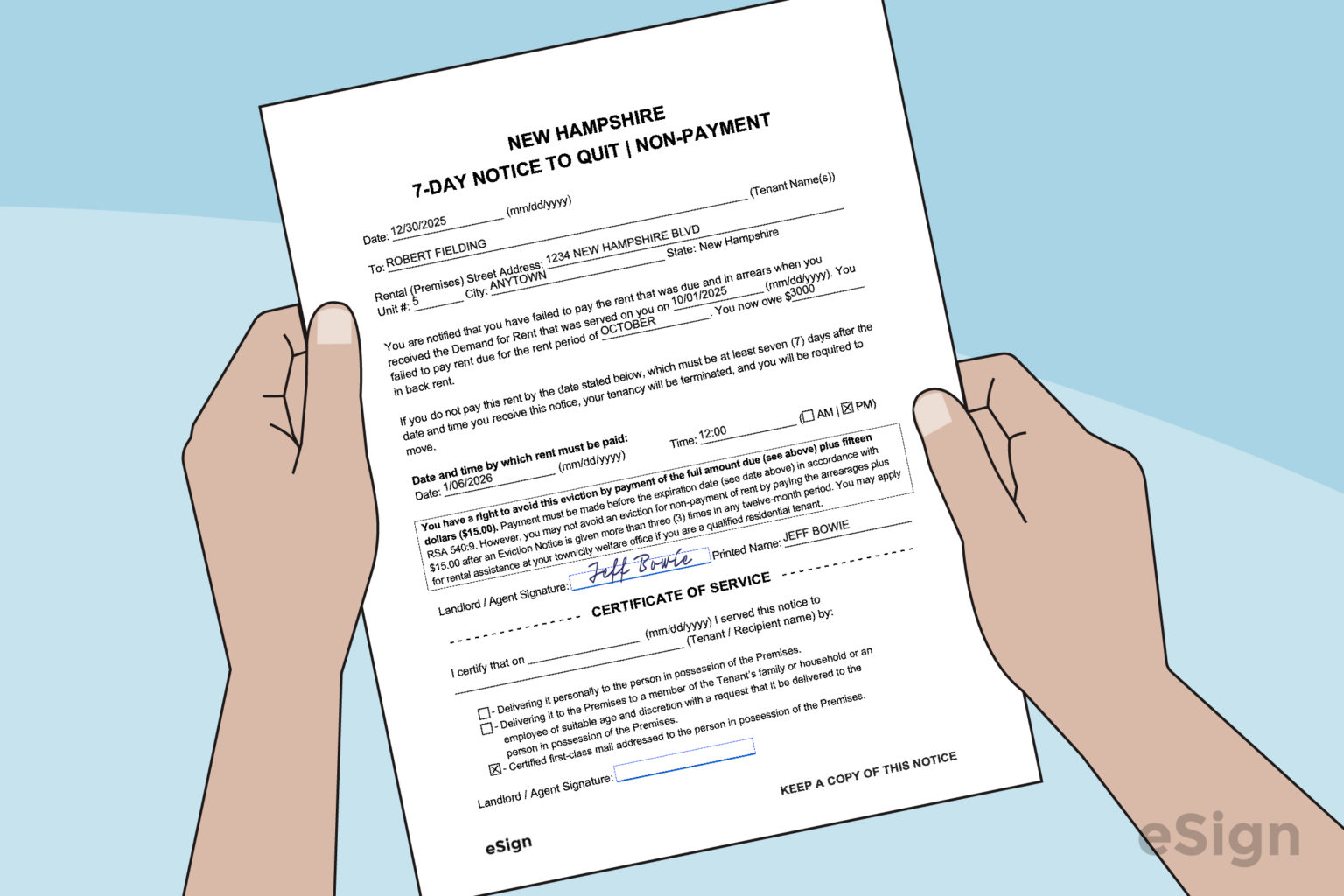
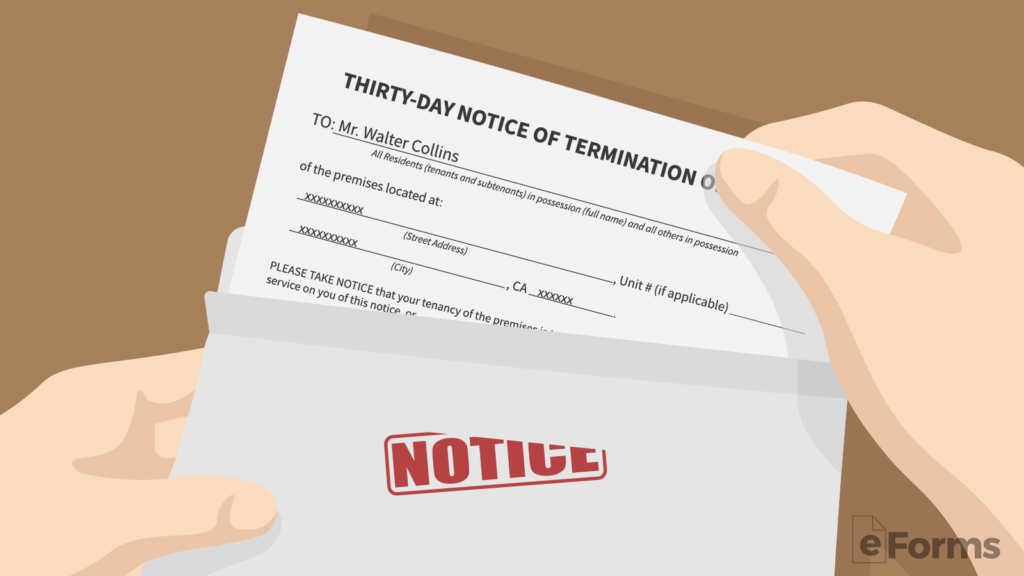
Getting started is simpler than you might think. First, get your facts straight. Understand exactly why you are serving notice and what type of notice is appropriate for your situation. Read your lease agreement carefully – it often outlines the required notice period and methods of delivery. Next, draft the notice clearly and professionally. Include the tenant's name, the property address, the date the notice is being served, the reason for the notice (if applicable), and the exact date by which the tenant must vacate the property. Keep it polite and factual; avoid emotional language.

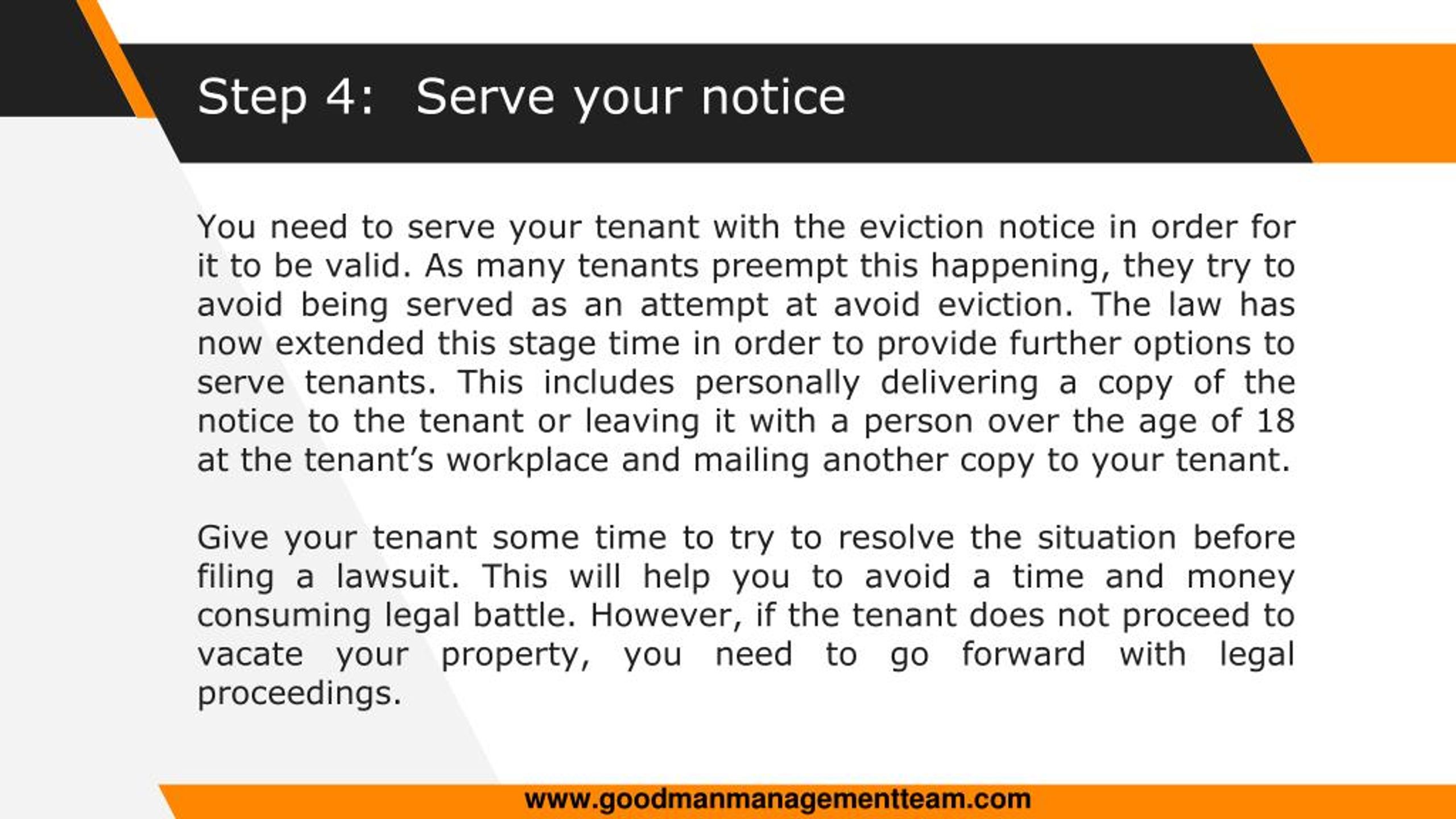
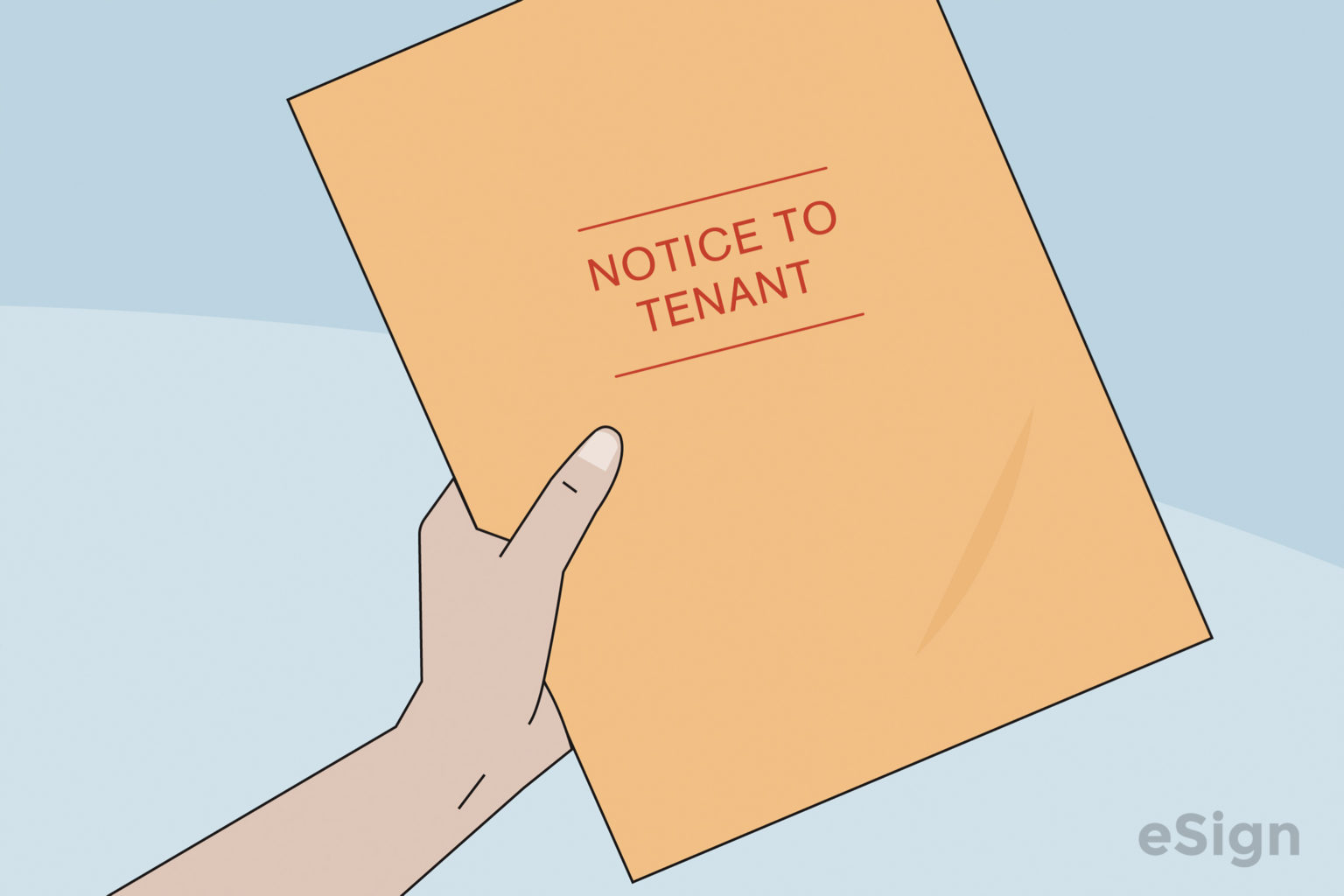
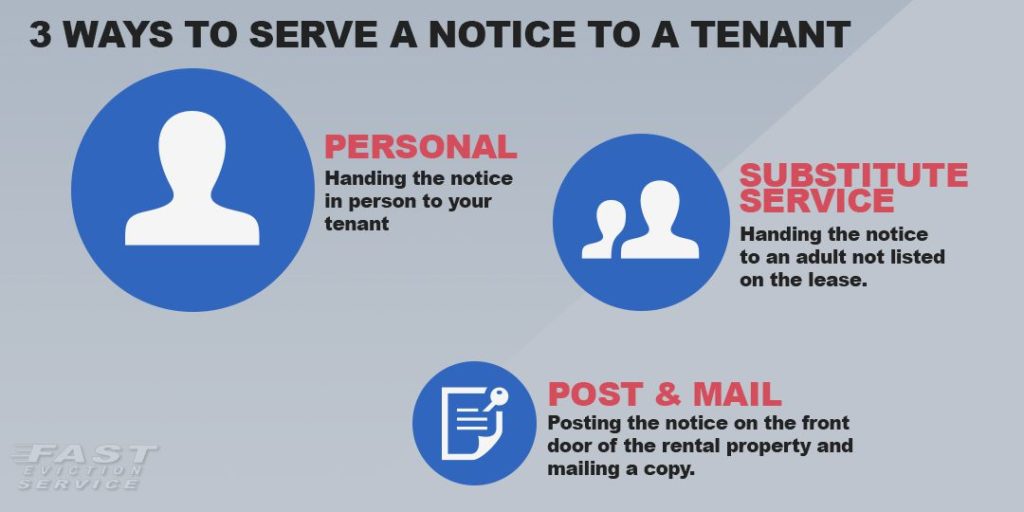
The crucial part is serving the notice correctly. Common methods include personal delivery (handing it directly to the tenant), posting it on the tenant's door and mailing a copy, or sending it via certified mail with a return receipt requested. Document everything! Keep a copy of the notice for your records and proof of when and how it was served. This documentation is your best friend if any disputes arise later.
Mastering the art of serving notice is a rewarding part of being a responsible landlord. It equips you with the confidence to handle common tenancy issues with fairness and legal compliance. It's not just a task; it's a vital step towards maintaining order and protecting your investment, all while fostering respectful landlord-tenant relationships. Enjoy the peace of mind that comes with knowing you’ve got this covered!