
How To Remove Pen Ink From Wood
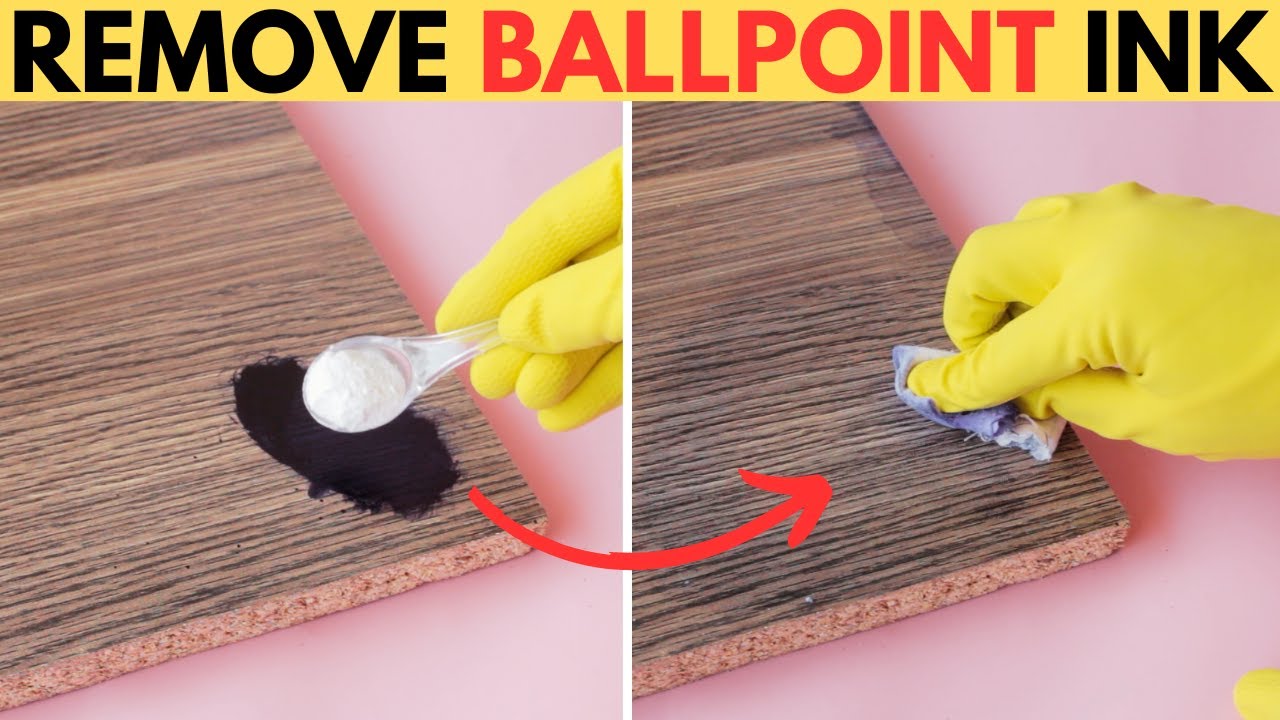
Oh no, did you just have a little "oopsie" moment with a pen and your beautiful wooden furniture? I've been there, believe me! It's like a tiny little villain has decided to leave its permanent mark. Don't you just hate it when that happens? One minute you're jotting down a brilliant idea, the next you're staring at a blue or black squiggle that totally ruins the vibe. But fear not, my friend! We're going to tackle this ink situation together, with a little bit of patience and a whole lot of common sense. Think of me as your friendly neighborhood ink-removal guru, here to save the day. So grab your favorite beverage – coffee, tea, whatever floats your boat – and let's dive in. We've got this!
First things first, what kind of wood are we dealing with? Is it that fancy, sealed-up kind that looks like it's been lacquered by a team of tiny, meticulous fairies? Or is it more of a rustic, unfinished vibe? This is actually important, you see. The finish on the wood can make a big difference in how easily that ink decides to budge. If it's got a really tough, shiny finish, you might have a bit more luck. If it's raw, unsealed wood? Well, that ink probably sank in like a submarine. So, a little intel on your wood is a good starting point.
Now, before we go all in with the heavy artillery, let's try the gentlest approach. Seriously, we don't want to accidentally make things worse. Have you ever tried to scrub something too hard and ended up with, like, a bigger problem? Yeah, been there too. So, let's start with something super mild. Think of it as a gentle nudge to the ink, rather than a full-on wrestling match.
Must Read
The Gentle Giant Method
Okay, so for our first line of defense, we're going to whip up a little concoction. Nothing too crazy, I promise! You'll need some mild soap – like dish soap, but not the super-duper degreasing kind. We're not trying to strip the wood, remember? Just something to help lift the ink. And, of course, some water. Warm water is usually best, it just feels a bit more… cooperative. Like it's more willing to help out.
Grab a soft cloth or a sponge. And I mean soft. No brillo pads here, folks! We're aiming for something that feels like a kitten's whisper against the wood. Dip the cloth into your soapy water, but don't make it dripping wet. You want it just damp enough to do the job. Squeeze out any excess water. This is key! We don't want to introduce too much moisture to the wood, especially if it's not sealed.
Now, here comes the delicate part. Gently dab the ink stain with your damp cloth. Don't rub like you're trying to win the lottery with your forearm. Just dab, dab, dab. Think of it as coaxing the ink to move. Sometimes, just a little bit of gentle pressure and the soap will start to lift it. You might see a tiny bit of ink transferring to your cloth. Hooray! Progress!
Keep dabbing, and switch to a clean section of your cloth as it picks up ink. You might have to do this a few times. Patience is your best friend here. If you're seeing some improvement, even a little bit, keep at it! It’s like watching a slow-motion movie; you know there’s a climax coming, but you gotta wait for it.

Once you've done as much dabbing as you can, and you've got most of the visible ink off, grab a clean, damp cloth (just with plain water this time, no soap!) and gently wipe away any soap residue. Then, and this is super important, grab a dry, soft cloth and gently pat the area dry. We want to get rid of any lingering moisture. You don't want your wood to get all… soggy.
When Gentle Isn't Enough: Stepping It Up a Notch
So, the mild soap and water didn't quite do the trick. The ink is still peeking out, isn't it? Don't despair! We have other tricks up our sleeves. It’s like when you’re trying to open a stubborn jar, and you need to try a few different angles. That ink is a tough cookie, but we’re tougher!
Let's talk about some common household items that can be surprisingly effective. These are things you probably already have lurking in your kitchen or bathroom. No need for a special trip to the store, which is always a win in my book! Who needs another excuse to wander the aisles of a shop when we have perfectly good stuff at home?
First up, let's consider rubbing alcohol. Yes, the stuff you use to clean wounds. It's a pretty powerful solvent, so we need to be careful with it. Again, we're not going to soak the wood! Think of it as a precision strike. Grab a cotton swab or a corner of a soft cloth. Dip it lightly into the rubbing alcohol. Just a little bit! You don't want it to be dripping. Squeeze out any excess.

Now, very carefully, dab the ink stain with your alcohol-dampened swab or cloth. Again, gentle dabbing is the name of the game. You'll likely see the ink start to transfer to the swab or cloth. Keep moving to a clean part of the swab or cloth as the ink comes off. This might take a bit of back-and-forth. You’re essentially dissolving that ink, little by little.
Be sure to work in a well-ventilated area when using rubbing alcohol. It’s not toxic, but the fumes can be a bit much. Also, be mindful of the finish. On some very delicate finishes, alcohol can cause a bit of dulling. So, test it on an inconspicuous spot first if you're worried. You know, that secret little corner where nobody will ever see. It's like a hidden oasis of testing!
After you've successfully dabbed away the ink with the alcohol, you need to clean up. Use a clean, damp cloth (with just water) to wipe away any alcohol residue. Then, dry the area thoroughly with a soft, dry cloth. Gotta make sure all that moisture is gone. We're aiming for a happy, dry piece of wood.
Another kitchen staple that can work wonders is baking soda. Yes, that humble box of white powder you use for baking and, apparently, ink removal! It's a mild abrasive, which can help lift stains without being too harsh. Think of it as a gentle exfoliator for your wood.
Here's how we do it: Make a paste. Mix baking soda with a little bit of water until you get a consistency like toothpaste. Not too runny, not too thick. Just a nice, spreadable paste. Now, carefully apply a small amount of this paste directly onto the ink stain. You don't need to go crazy with it.

Let the paste sit on the stain for a few minutes. This gives it time to work its magic. Like a tiny, baking-soda-powered superhero fighting the ink. After it's had its little moment, take a soft cloth or a soft-bristled toothbrush (seriously, a clean one!) and gently rub the paste into the stain. Use small, circular motions. Remember, gentle! We’re not trying to sand down your furniture.
Wipe away the baking soda paste with a damp cloth, making sure to get all the gritty bits. Then, dry the area thoroughly with a clean, dry cloth. Voila! Hopefully, that ink has decided to call it quits. Baking soda is a great option because it’s so accessible and generally safe for most finishes, but always a quick test in a hidden spot is a good idea, just in case.
The "Uh Oh, It's Really Stubborn" Solutions
Okay, so you've tried the gentle methods, you've tried the household heroes, and that ink is still stubbornly clinging on for dear life. It's like it’s written a lease on your wood! Don't panic! We've got a couple more options, and these are a bit more potent, so we need to be extra careful. Think of these as the special forces of ink removal.
One option is hairspray. Yes, hairspray! The kind you use to keep your fabulous hair in place. Apparently, the alcohol content in many hairsprays can help break down ink. Who knew our trusty hairspray had such a dual purpose? It’s like finding out your dog can also do your taxes. Amazing!

Spray a small amount of aerosol hairspray onto a soft cloth. Again, we’re not hosing down the wood. Just a light mist on the cloth. Then, gently dab the ink stain. You should see the ink starting to lift onto the cloth. Keep dabbing, switching to clean parts of the cloth as needed. This can be surprisingly effective, but again, test on an inconspicuous area first. Some hairsprays might leave a sticky residue, so be prepared to clean that up afterwards with a damp cloth and then dry thoroughly.
Another common culprit for stubborn stains is nail polish remover. Now, this is definitely one of the stronger options. Nail polish remover, especially the acetone kind, is a powerful solvent. You absolutely, positively must test this in a hidden spot first. It can easily damage or strip the finish of your wood. We're talking a tiny drop on a cotton swab, dabbed carefully onto the ink. If you see any dulling or damage, stop immediately!
If you decide to proceed, use a cotton swab very sparingly and dab only the ink. Do not let it spread. Work quickly and have a damp cloth ready to wipe away any residue immediately. Then, dry the area thoroughly. This is for emergencies only, people! It’s the nuclear option, so use it with extreme caution.
When All Else Fails: Professional Help?
Look, sometimes, despite our best efforts, that ink stain just won't budge. It’s a tough stain, a fighter. And that’s okay! You haven't failed. You've given it your best shot. In those rare cases, it might be worth considering a professional furniture restorer. They have specialized tools and knowledge that can often tackle even the most stubborn issues without damaging your cherished wood. It’s like calling in the cavalry when you’ve done all you can.
Remember, the key to removing pen ink from wood is usually a combination of patience, gentle technique, and using the right cleaning agent for the job. And always, always, always test in an inconspicuous area first. It’s that little voice of reason that saves you from making a bigger mess. So, next time you have an ink mishap, don't panic. Just take a deep breath, grab your coffee, and tackle it like the capable, wood-saving hero you are! You’ve got this!

