
How To Read A Gas Meter Uk

Ever found yourself staring at your gas meter, a little mystified? It’s one of those things in our homes we kind of take for granted, right? Like the plumbing or the Wi-Fi. But have you ever stopped to think, "What exactly is this thing telling me?"
Honestly, reading your gas meter isn't exactly rocket science. But for a lot of us, it feels a bit like deciphering an ancient code. And if you're anything like me, you’ve probably just squinted at it, shrugged, and then remembered you’re supposed to submit a reading to your energy company. So, let's demystify this little box of numbers, shall we? It’s actually kind of cool once you get the hang of it, and knowing how it works can even save you a few quid. Plus, think of it as a little peek into the inner workings of your home!
So, why bother? Well, mainly to make sure you're being billed accurately. If you don't give your supplier a reading, they'll just estimate it, and that can sometimes lead to surprises on your bill – either a higher one than you expected, or sometimes, less commonly, a lower one. Regular readings mean you're in control, and you know exactly how much gas you’re actually using. It's like checking your bank balance to make sure everything’s in order, but for your heating!
Must Read
First off, let’s find the thing. Most gas meters in the UK are usually located on an external wall of your house, often near where the gas pipe comes in. You might find them in a little metal box, or sometimes they’re just mounted on the brickwork. Some older properties might have them inside, perhaps in a cupboard or utility room, but outside is the most common spot these days.
Once you’ve located your meter, you’ll see a set of dials or a digital display. The older style meters have those classic round dials, you know, like the ones on an old-fashioned clock? These have little pointers that move as the gas is used. Then there are the more modern ones, which have a digital display, a bit like a calculator or a digital watch.
The Dials: A Blast from the Past
Let's start with the dial meters, because they’re the ones that often cause the most confusion. Imagine a set of small clocks lined up. Each dial represents a different digit, starting from the rightmost dial, which usually represents units of gas (like cubic meters or feet). The dial to its left represents tens, then hundreds, and so on.

Here’s the slightly quirky part: the direction the pointers move. Some dials go clockwise, and some go anti-clockwise. It’s like a little game of "which way is up?" You have to pay attention to the arrow on each dial. It shows you the direction it’s supposed to be spinning.
When you're reading the dials, you’re only interested in the whole numbers. So, if a pointer is between two numbers, you always round down to the lower number. Think of it like this: if you’re at 3 and haven’t quite reached 4 yet, you’re still at 3. It's not about guessing or estimating; it’s about reading what’s already passed.
There’s usually a dial that’s a different colour, often red, which shows tenths or fractions of a unit. You can usually ignore this one for your readings. Your energy company typically only wants the whole numbers. So, focus on the main row of dials.
Let’s say you have five dials. You’d read them from left to right. If the pointer on the first dial (the leftmost one) is on 8, you write down 8. If the next one is on 2, you write down 2. If the third one is on 0, you write down 0. If the fourth one is on 5, you write down 5. And if the last one is on 1, you write down 1. So, your reading would be 82051. Easy peasy, right?
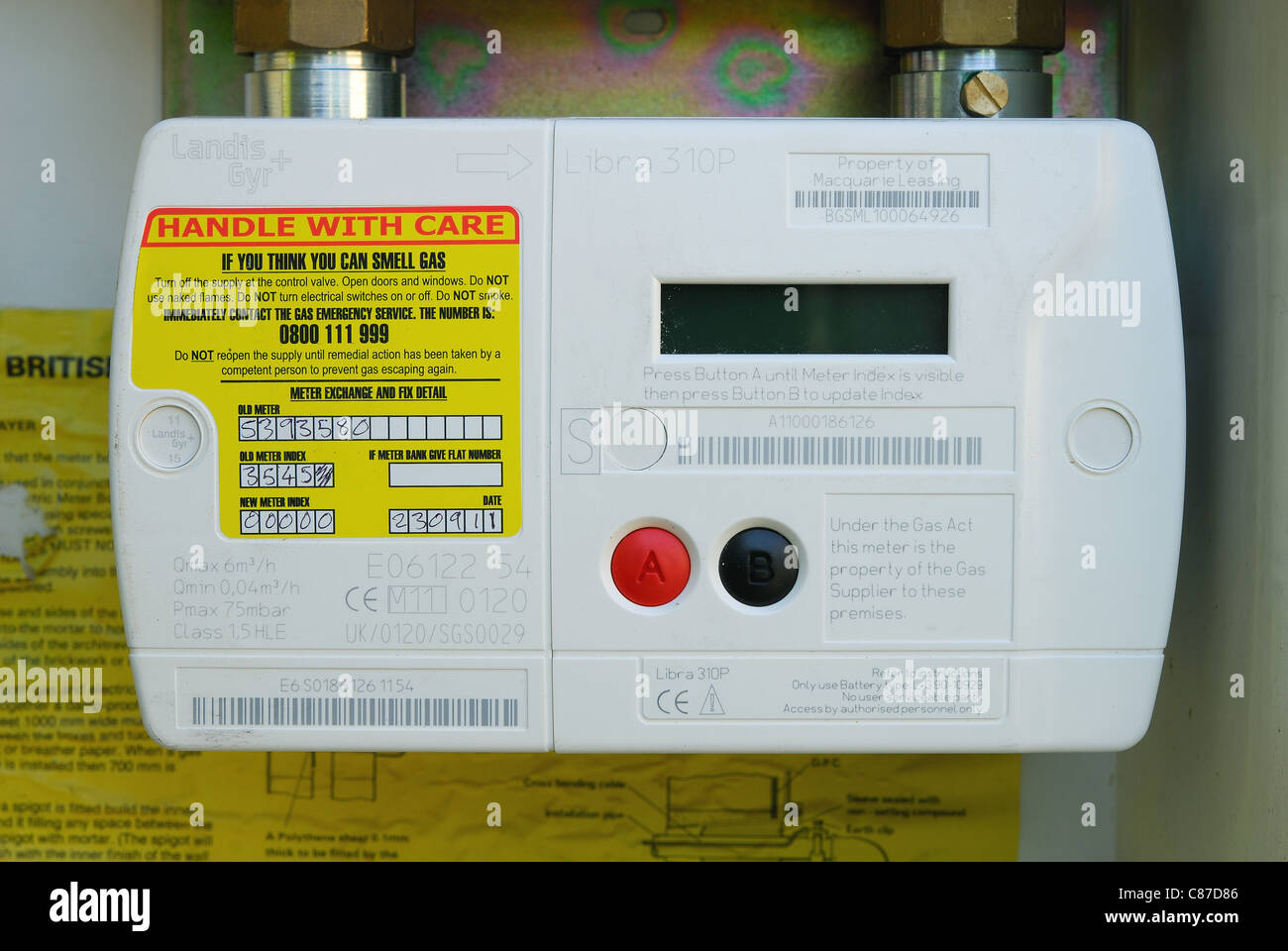
What if a pointer is exactly on a number? Well, that means it’s completed that unit. You’d still read the number it’s on. But if it’s, say, halfway between 5 and 6, you read it as 5. It's always the last complete number it’s passed.
Sometimes, the pointers can be a bit wobbly, especially if the gas is being used at that very moment. Try to take your reading when the gas isn't on, if possible. Or just take a quick glance and jot down what you see, and don’t stress too much about a tiny bit of movement. Your supplier knows these things can be a bit fiddly.
The Digital Display: The Future is Here
Now, for the digital meters. These are generally much simpler! They just show you a series of numbers, usually on an LCD screen. Think of it like reading the mileage on your car’s odometer.
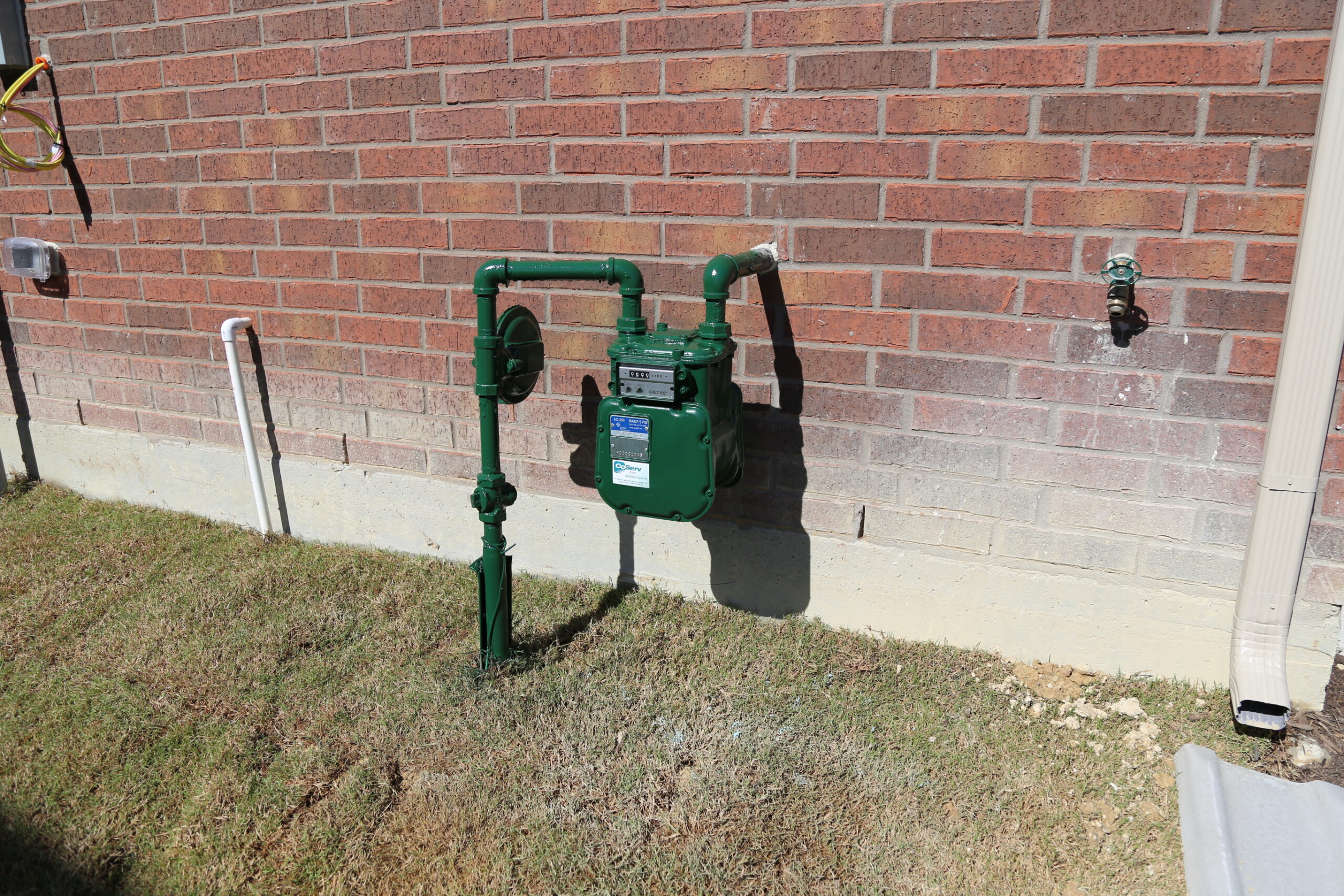
You’ll see a string of digits. These represent the total amount of gas that has been used, usually in cubic meters (m³). All you need to do is write down the numbers as you see them, from left to right. Again, you’re only interested in the whole numbers. There might be a decimal point, and sometimes a few small digits after it. You can usually ignore those. Just take the main set of digits.
So, if your digital display shows: 0012345.67, your reading is simply 12345. Easy! You don't need to worry about dials or spinning pointers with these. It's all laid out for you in plain sight.
Some of the newer digital meters might have a button you need to press to cycle through different readings, like gas, electricity, and water. If you have one of these, just press the button until you see the gas reading appear. It will usually be labelled with "Gas" or "m³".
Why is this Cool? Let's Get Real.
Okay, so maybe "cool" is a strong word for a gas meter. But hear me out! It's kind of like being a detective in your own home. You’re uncovering a secret language, the language of energy consumption.
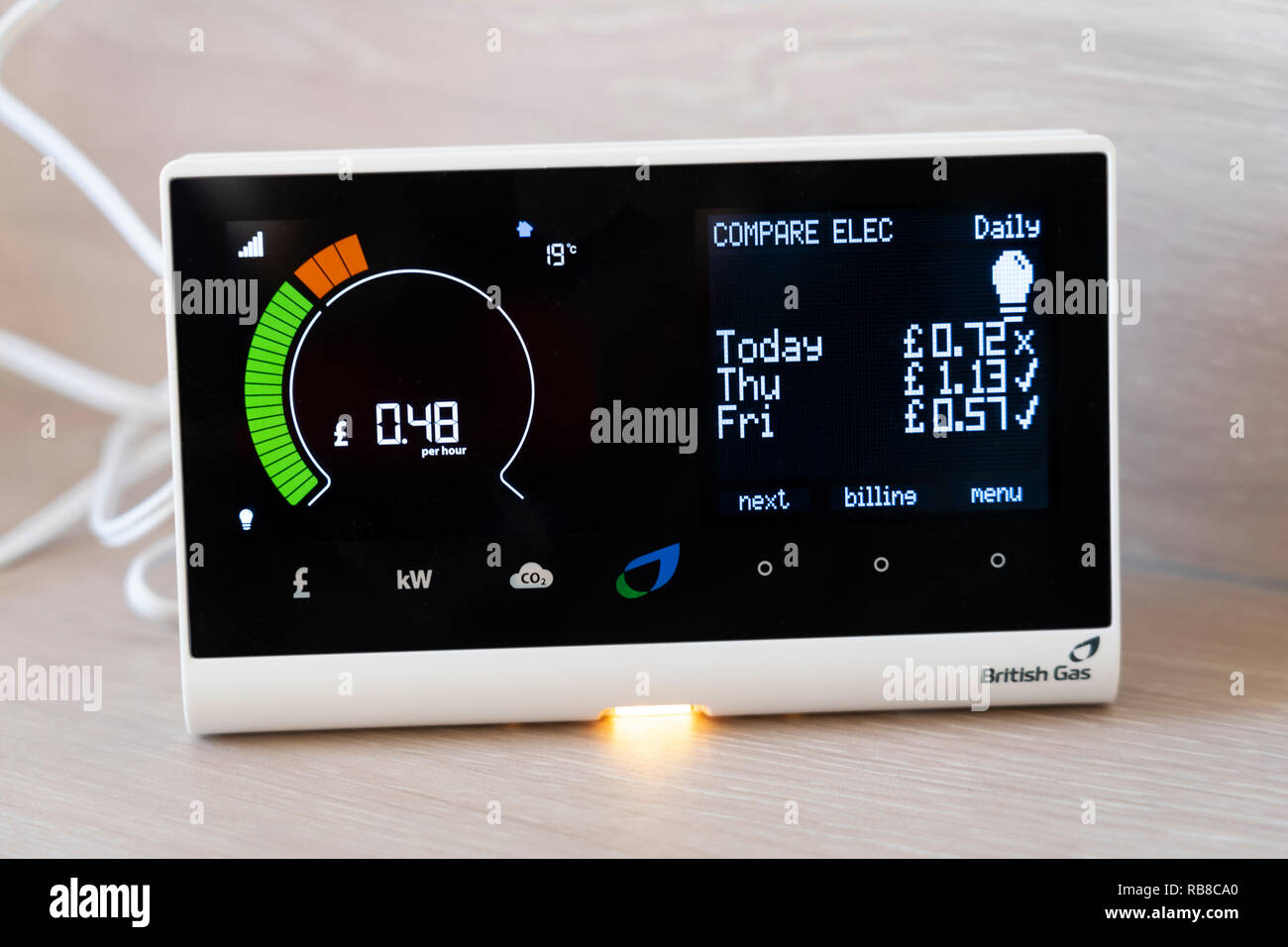
Imagine you're trying to cut down on your energy bills. By reading your meter regularly, you can see how much gas you're using each day or week. Did you have the heating on for an extra hour yesterday? You can see it reflected in the numbers! It’s instant feedback. It's like playing a video game where you're trying to beat your high score – but instead of points, you're aiming for lower usage.
And what about those times when you think you're being really energy efficient, but your bill still seems high? A quick check of your meter reading against your previous ones can help you pinpoint if there’s a problem. Maybe a boiler is malfunctioning, or a pipe is leaking (though that’s less likely with gas, but you get the idea!). It’s a way to spot potential issues before they become big problems.
Think of your gas meter like your personal energy scoreboard. It’s a silent observer, diligently recording every puff of heat your home uses. And by understanding its language, you gain a little more power over your home's expenses and efficiency.
So next time you see your gas meter, don’t just walk past it with a bewildered sigh. Take a moment, have a look, and try to read it. It’s a simple skill, but it gives you a little more insight into your home and your finances. And who knows, you might even find it strangely satisfying. Happy meter reading!

