How To Put Property In A Trust
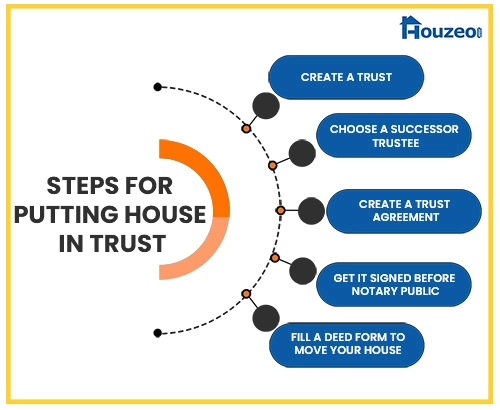
Ever find yourself wondering about those fancy legal maneuvers that seem to happen behind the scenes, protecting fortunes and ensuring smooth transitions? Well, let's pull back the curtain a bit and chat about something called a trust, specifically when it comes to putting your property into one. It might sound a tad complicated, but at its heart, it's a pretty neat way to manage and pass on your assets, and understanding it can be surprisingly empowering.
So, what's the big idea behind a trust? Think of it as a special box, legally speaking, where you (the grantor or settlor) place your property. You then appoint someone (the trustee) to manage that property according to your specific instructions, for the benefit of others (the beneficiaries). The primary purpose is often to avoid probate. Probate is the court-supervised process of distributing a deceased person's assets, and let's just say it can be a bit of a drawn-out, public, and sometimes expensive affair. By putting your property in a trust, it generally bypasses this process, meaning your beneficiaries can receive their inheritance more quickly and privately.
The benefits don't stop there! Trusts can offer asset protection, shield your property from certain creditors, and provide for beneficiaries who might not be ready to manage a large sum of money on their own, like minor children. Imagine setting up a trust to cover your child's college education. You can stipulate that the funds are released directly to the university, ensuring the money is used exactly as you intended. Or perhaps you have a beloved vacation home you want to ensure stays in the family for generations, without the hassle of constant re-titling. A trust can make that happen with grace and clarity.
Must Read
Think about everyday situations where this might be useful. Maybe you own a business and want to ensure a smooth handover to the next generation. Or perhaps you have a collection of valuable art or antiques you want to pass on with specific care instructions. Even simpler assets, like your home or investment accounts, can be placed in a trust to ensure they go to your intended loved ones without unnecessary complications. It’s about peace of mind and intentionality.

Now, how do you actually dip your toes into this? The first and most crucial step is to talk to a legal professional, like an estate planning attorney. They are the wizards who can guide you through the specifics, understanding your unique situation and helping you choose the right type of trust. You don't need to understand all the legal jargon upfront. Start by simply reflecting on your assets and who you want to benefit from them. Think about what's important to you for the future. Many attorneys offer introductory consultations, which can be a low-pressure way to learn more. You can also find plenty of reputable websites and books that explain trusts in more detail, but always remember that this information is general, and personalized advice is key.
Putting property in a trust is a thoughtful way to ensure your wishes are honored. It's about taking control of your legacy and providing for those you care about with a degree of foresight and simplicity.