How To Put In A Hearing Aid
So, you’ve decided to join the ranks of the audibly enhanced. Welcome! It’s a big step, and sometimes, a slightly fiddly one. Putting in a hearing aid can feel like a tiny, high-stakes operation. Forget brain surgery; this is the real frontier for some of us.
First things first, let’s talk about the star of the show. Your hearing aid. It might be sleek and futuristic, or it might look suspiciously like a miniature robot ear. Either way, it’s your new best friend. And like any good friend, it needs a little coaxing to get into position. Think of it like trying to coax a shy kitten into its carrier. Gentle persuasion is key.
You've got it in your hand. It feels… small. And possibly a little slippery. This is where the drama often begins. Especially if you’re doing this in the dim light of a bathroom mirror, or worse, while simultaneously trying to wrangle a breakfast cereal box that’s decided to stage a rebellion. Deep breaths. We’ve all been there.
Must Read
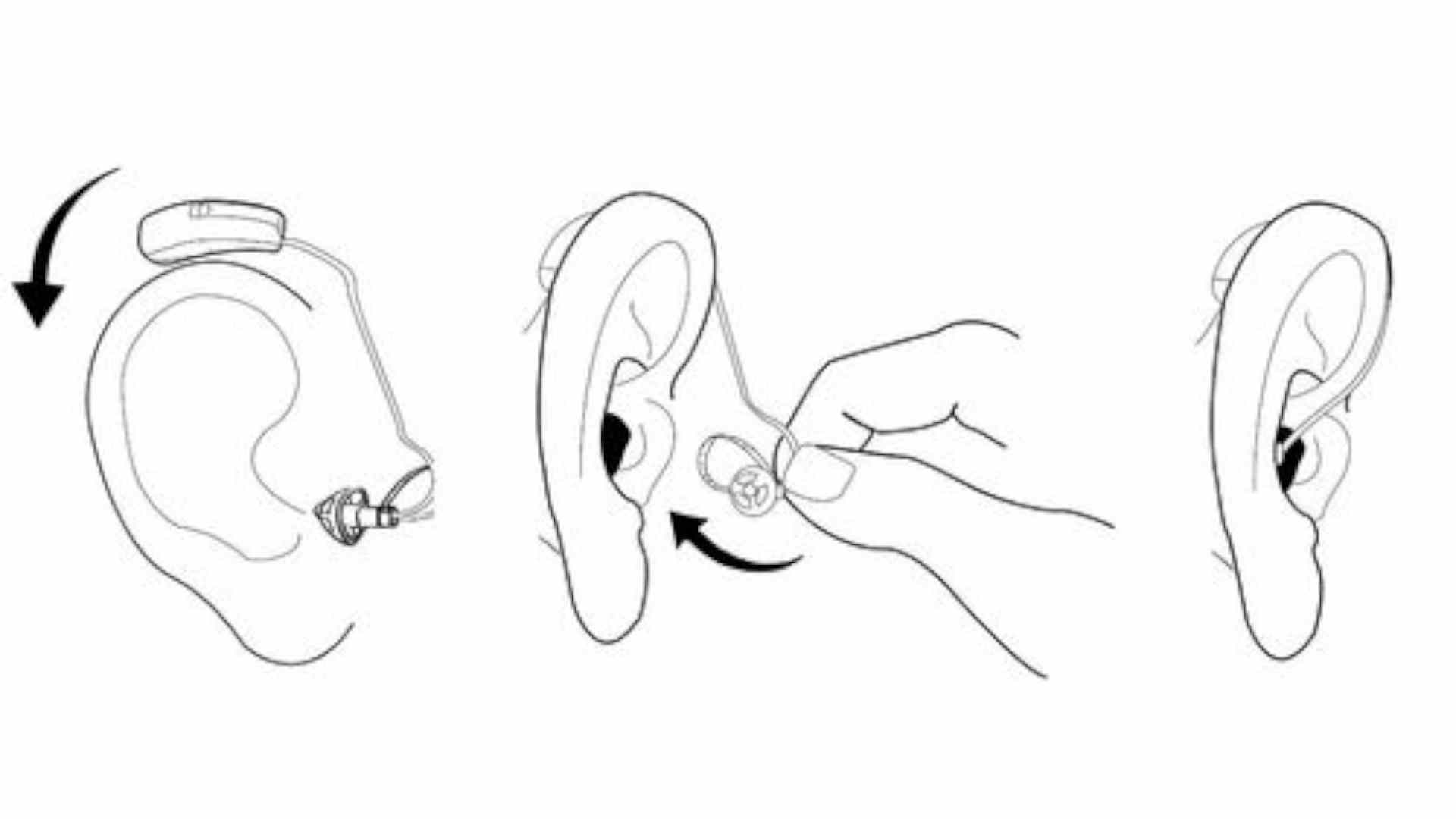
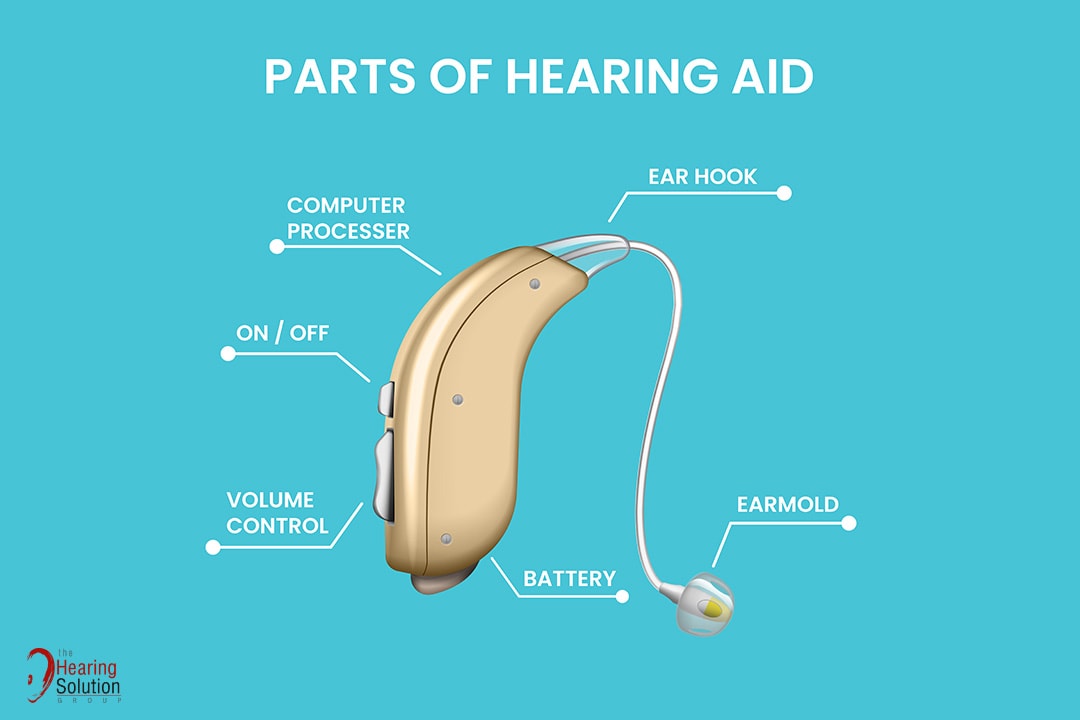
The most common type, the behind-the-ear model, is like a tiny boomerang that likes to perch behind your ear. The main body of the device sits discreetly (or not so discreetly, depending on your hair situation) behind your ear. Then, a thin tube, often called a "dome" or an "earmold", snakes its way into your ear canal.
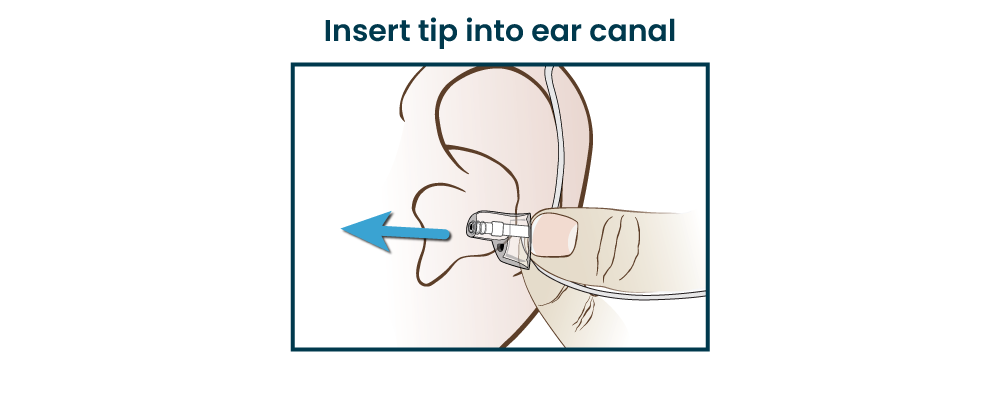
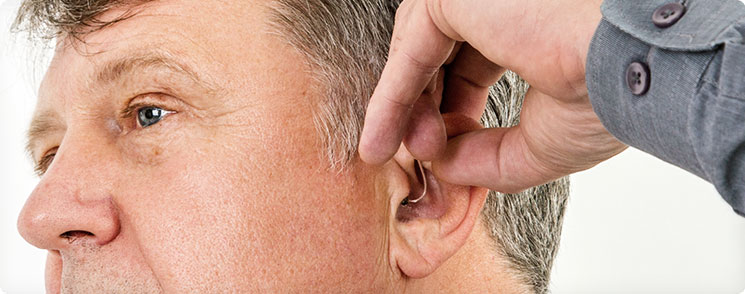
Now, for the insertion part. This is where the magic (and sometimes, the mild frustration) happens. You’ll want to gently take that little dome or earmold and guide it into your ear canal. Imagine you’re tucking in a tiny, very well-behaved baby. It needs to go in smoothly, without any forcing. If it feels like you’re trying to push a square peg into a round hole, you’re probably doing something wrong. Or, you've got the wrong size dome. Which, let's be honest, is a very real possibility in the hearing aid universe.

Some people find it helpful to gently pull their earlobe upwards and outwards. This is like opening a secret doorway for the dome. It widens the entrance. Think of it as giving your ear canal a polite nudge to say, “Excuse me, important guest arriving!” This little maneuver can make a world of difference. It’s a classic trick, so if your audiologist hasn’t told you, consider this your secret handshake into the world of easier hearing aid insertion.
Once the dome is snugly in place, you can then gently position the main body of the hearing aid behind your ear. It should feel secure, like it belongs there. It shouldn't be dangling precariously, nor should it feel like it's trying to escape. If it feels like it’s about to embark on an adventure, double-check its placement. Sometimes it just needs a little scootch.
There’s also the in-the-ear (or ITE) variety. These are a bit more… integrated. They sit more directly in the outer part of your ear. Think of them as tiny, very personal opera singers, ready to belt out the sounds of the world directly to you. These are often a bit easier to manage, as there's no separate tube to wrangle. You just pop them in. Like a fancy earring, but with a purpose.
And then there are the tiny, almost invisible marvels: the completely-in-canal (CIC) or invisible-in-canal (IIC) models. These are the ninjas of the hearing aid world. So small, so discreet. Putting these in can feel like threading a needle. You need a steady hand and good lighting. Sometimes they come with a little string or hook for removal, which is a lifesaver. Without it, you might find yourself doing a frantic ear-fishing expedition, which is never a good look.
The key, my friends, is practice. That’s the unpopular opinion, isn’t it? Everyone makes it sound so effortless in the brochures. But in reality, the first few times (and let’s be honest, maybe the first few dozen times), it’s a bit of a ballet of fumbling fingers and contorted ear positions. Don’t be discouraged if it takes you a minute. Or five.

Sometimes, the hearing aid just doesn’t want to cooperate. It feels… resistant. Like it’s staging a tiny protest. This is when you might want to take a break. Step away from the ear. Have a sip of water. Do some deep breathing. And then try again with fresh eyes and a calmer spirit. A hurried approach is the enemy of good hearing aid insertion.
Remember, your hearing aid is designed to help you. It’s a tool. And like any tool, it requires a bit of learning and a lot of patience. Don’t be afraid to ask your audiologist for a demonstration. Watch them. Ask them to show you again. They’ve seen it all. They know the struggle is real. And they’re there to help you conquer it.
So, the next time you find yourself in a wrestling match with your ear, just remember: you’re not alone. Millions of us are out there, subtly (or not so subtly) adjusting our little sonic sidekicks. It’s a rite of passage. A badge of honor, even. And with a little practice, you’ll be popping them in so fast, you’ll wonder what all the fuss was about. Until then, embrace the mild chaos. It’s all part of the adventure.