How To Put A Hearing Aid In
Alright, let’s talk about something that might seem a little… fiddly. You know, those little gadgets that help you catch all the juicy gossip at your book club, or, you know, the actual important stuff like your grandkids telling you about their day? Yep, we’re talking about putting in your hearing aids. It might feel like trying to thread a needle in the dark at first, but trust me, it’s way simpler than assembling that flat-pack furniture your cousin insisted was a “fun weekend project.”
Think of your hearing aid like a tiny superhero for your ears. It’s there to rescue you from the land of mumbling and missed punchlines. And just like any superhero, it needs to be put in the right place to do its best work. So, let’s break it down, nice and easy. No capes required, but a little bit of patience might be your superpower today!
The Pre-Game: Getting Ready for Action
Before you even think about popping it in, there are a couple of little things to do. First off, wash your hands. Nobody wants a surprise party of earwax and general grime making friends with their delicate hearing aid. A quick scrub with soap and water is like giving your superhero a clean suit before its mission.
Must Read
Next, grab your hearing aid. It might be a small beige thing, a flashy metallic number, or something so discreet you could hide it from a squirrel. Whatever its style, hold it gently. Think of it as a tiny, precious bird you’re cradling. We don’t want any “oops, dropped it!” moments. I once dropped mine under the sofa, and spent a good ten minutes convinced a rogue dust bunny had made off with it. It turned out to be quite the adventure for my cat, Bartholomew, who seemed to think it was a new toy.
Behind the Ear (BTE) Buddies: The Classic Choice
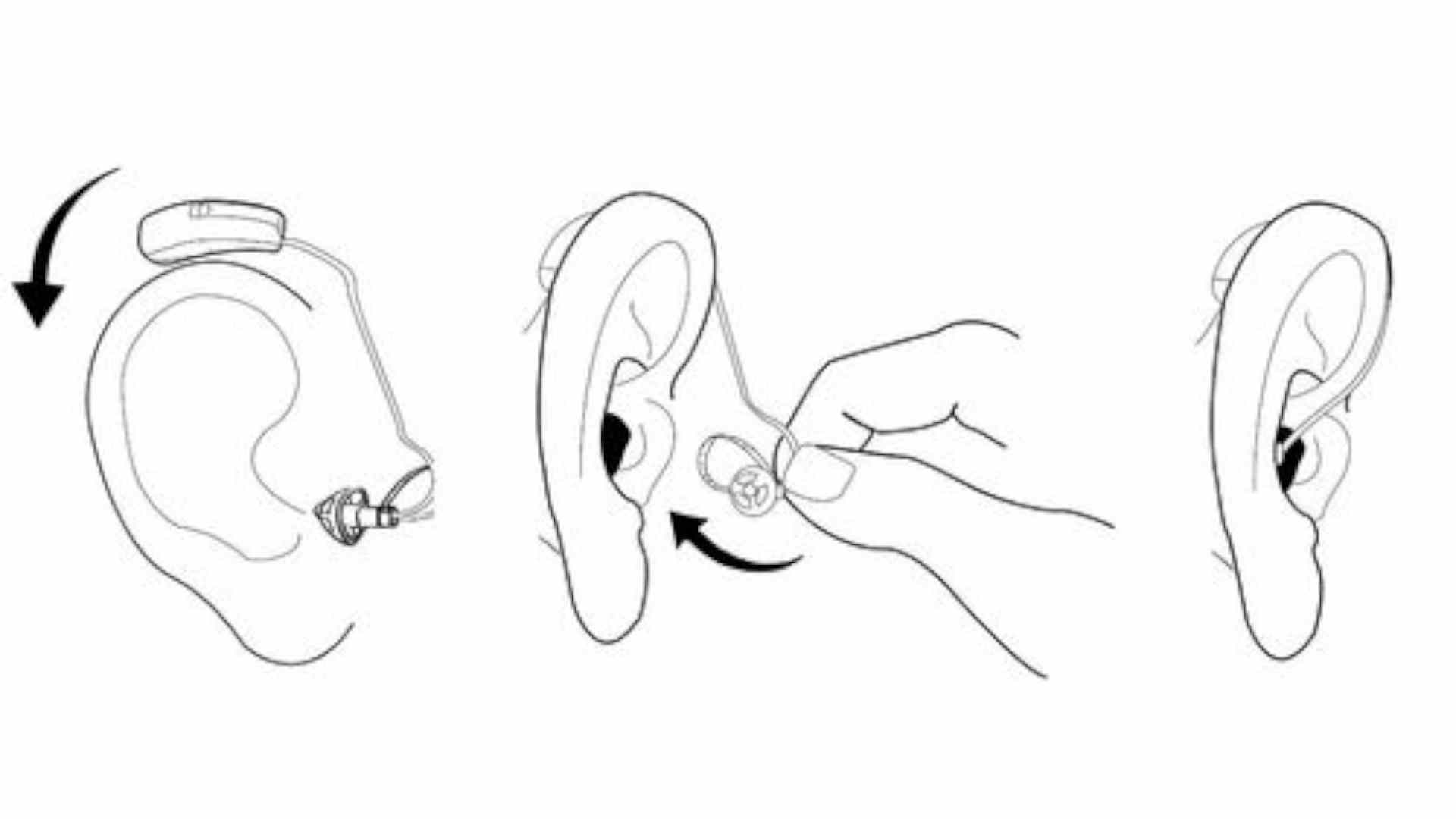
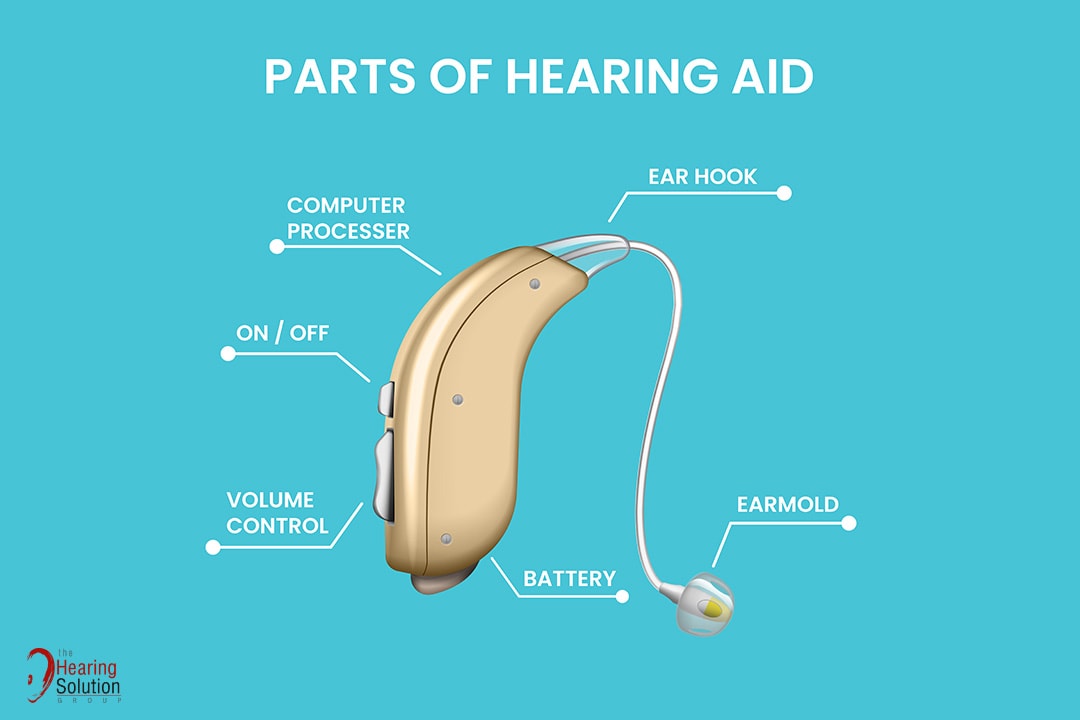
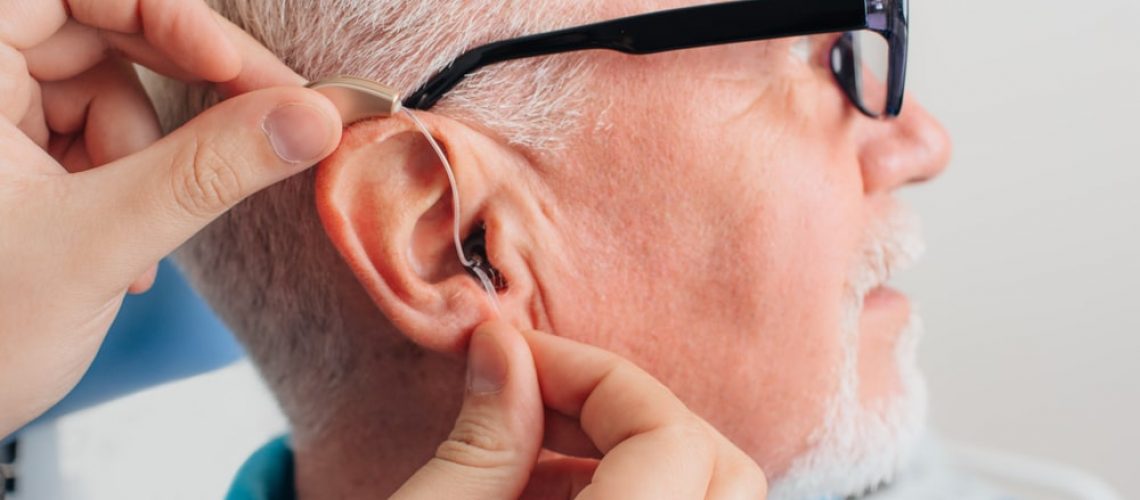
So, you’ve got a BTE hearing aid. These are the ones that sit behind your ear and have a little tube or wire that goes into your ear canal. This is probably the most common type, like the trusty old reliable car in the driveway.
First, locate the little earmold. This is the part that actually goes into your ear. It might be clear, or it might be colored. If it’s clear, you’re looking for the part that looks like it’s designed to snugly fit into your ear canal, not just randomly dangle.
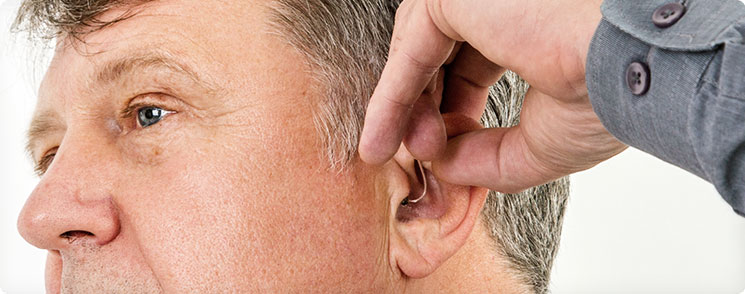
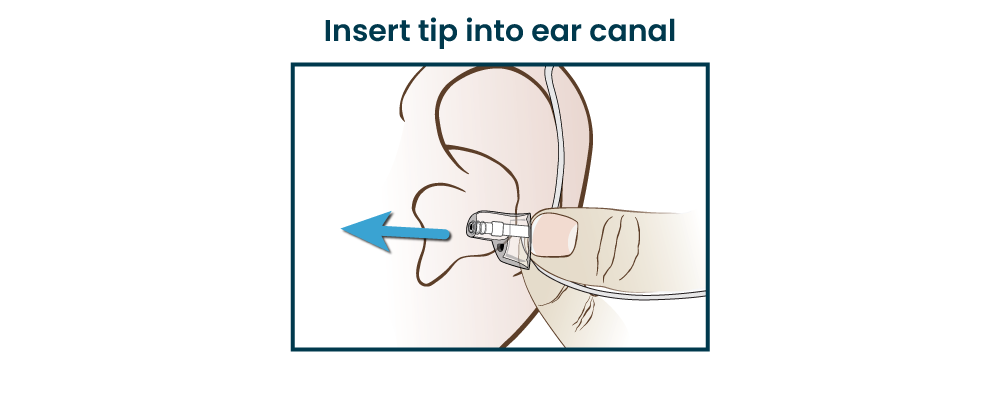
Now, take that earmold and gently guide it into your ear. It’s a bit like trying to coax a shy cat into its carrier – you don’t want to force it. Sometimes, a little wiggle or a slight tilt can help it slide in smoothly. Imagine you’re gently pushing a tiny, perfectly shaped earplug into place. You might need to pull your earlobe down slightly with your other hand to open up the ear canal a bit. It’s like creating a little welcoming path for your hearing aid.
Once the earmold is in, you’ll want to make sure the main part of the hearing aid, the bit that sits behind your ear, is sitting comfortably. It should rest snugly against your head, not digging in or feeling loose. If it feels a bit wonky, just readjust it. It’s like putting on your favorite comfy sweater – it should feel just right.
A little trick some folks use is to gently press the earmold further in with their finger. This can help it feel more secure. It’s like giving it a gentle “pat” to let it know it’s in the right spot. And voilà! Your BTE buddy is ready to work its magic.
In-the-Ear (ITE) and Other Inside-the-Ear Wonders: The Discreet Detectives
Now, for the ITEs, or the ones that are even smaller and tuck right into your ear canal, like RIC (Receiver-In-Canal) or CIC (Completely-In-Canal) models. These are the ninjas of the hearing aid world – small, quiet, and effective.
These can be a bit trickier because, well, they’re smaller! The principle is the same, though. You’re looking for the part that’s meant to go into your ear. Sometimes, they have a tiny little tail or a little wax guard that you can hold onto.

Again, gentle guidance is key. Don’t shove! You might need to use your other hand to gently pull your earlobe down or back to straighten out your ear canal. Imagine you’re trying to get a very delicate piece of jewelry to sit perfectly. A little finesse goes a long way.
For the super tiny ones that go all the way into your ear canal, it’s often about finding the right angle. Think of it like plugging in a USB stick – it only goes in one way. You might need to twist or angle it slightly until it feels like it’s seated correctly. It should feel snug and secure, but definitely not painful. If it hurts, take it out and try again. No pain, no gain, but definitely no pain!
Some people find it helpful to look in a mirror, especially when they’re first starting out. It’s like learning a new dance move – sometimes you need to see yourself to get it right. Seeing where it needs to go can make all the difference. Remember that first time you tried to put in contact lenses? It felt impossible, right? But with a little practice, it became second nature. Hearing aids are similar!
The “Why Should I Care?” Section: More Than Just Hearing
Okay, so you’ve managed to get the little gizmo in. High five! But why is this whole song and dance so important? Well, let’s be honest. Life’s too short to miss out on things. Think about it: that hilarious joke your friend tells, the subtle nuance in your partner’s voice when they’re happy, the important instructions from your doctor, or even just the soothing sound of rain.
When your hearing aids are in correctly, it’s like turning up the volume on life’s soundtrack. It’s not just about hearing; it’s about connecting. It’s about being present. It’s about not having to constantly say, “What was that?” or pretending you heard when you really didn’t.
Think of it like this: if you have glasses, you put them on to see clearly, right? Your hearing aids are the same for your ears. They help you navigate the world, enjoy conversations, and stay engaged. They’re not a sign of weakness; they’re a tool for empowerment.
And the better they’re placed, the better they work. A well-placed hearing aid will sound clearer, be more comfortable, and give you the best possible sound quality. It’s like a perfectly tuned instrument – it produces beautiful music. A wonky one? Not so much.
Troubleshooting: When Things Get a Bit Tricky
Sometimes, even superheroes have a bad day. If your hearing aid feels loose, keep falling out, or just doesn’t sound right, don’t despair!
First, take it out and check for any earwax buildup on the earmold or the hearing aid itself. A little cleaning with a soft brush or a special cleaning tool can work wonders. Think of it as clearing the cobwebs.
Make sure you’re inserting it correctly. Go back to those gentle wiggles and tilts. Sometimes, it just takes a slightly different angle. Imagine you’re trying to get a stubborn puzzle piece into place – you might have to try a few spots before it clicks.
If you’re still having trouble, don’t be shy! Your audiologist or hearing healthcare professional is your best friend in this situation. They’re the wizards who can make adjustments, offer tips, and ensure your hearing aids are fitting perfectly. They’ve seen it all, from the simplest insertion to the most complex ear shape, so they can definitely help you out. It’s like having a mechanic for your car – they know how to make it run smoothly.
Putting in your hearing aids might feel like a new skill to learn, but with a little practice, it’ll become as natural as brushing your teeth. And the reward? A richer, fuller, and more connected life. So, go ahead, give it a try. Your ears will thank you, and you might just find yourself catching all those missed jokes and sweet whispers you’ve been longing to hear!