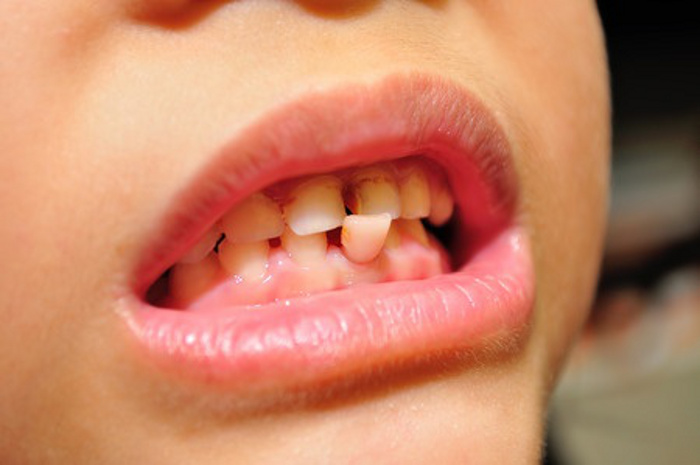
How To Pull A Wiggly Tooth Out

I still remember the summer I was seven. My front tooth, the one that had a little chip from a particularly enthusiastic bike-riding incident (don't ask), had been wiggling for weeks. It was looser than a rogue sock in the washing machine. Every time I ate an apple, I'd get this weird mix of terror and anticipation. Would it finally come out? Would I swallow it? (Spoiler alert: I did consider it, briefly. Think of the dental bling possibilities!).
My mom, bless her patient heart, had tried everything. Gentle tugs, subtle wiggles during meals, even suggesting I "play" with it. I'm pretty sure she was also secretly hoping a rogue gust of wind would do the job for her. But no, this tooth was a stubborn little sucker. Then, one fateful afternoon, while attempting to devour a particularly large gummy worm (a scientific experiment in oral dexterity, obviously), there was a… pop. A surprisingly painless, almost anticlimactic pop. And there it was, in my hand, slightly sticky and undeniably free. Victory!
This brings us to the main event, folks. The rite of passage, the gateway to the Tooth Fairy's bounty, the sometimes-a-little-gross, sometimes-a-lot-dramatic act of…
Pulling a Wiggly Tooth Out
Must Read
Ah, the wiggly tooth. A universal symbol of childhood and, let's be honest, a source of mild parental anxiety. You see that little dental caboose rocking back and forth, and a million thoughts race through your mind. Is it time? Should I help? What if I break something? (Deep breaths. You’ve got this.)
First things first: patience. Seriously. This is the number one rule. Nature is usually pretty good at this whole tooth-shedding thing. A tooth doesn’t just decide to go rogue overnight. It’s been losing its grip for a while, thanks to that wonderful process where the adult tooth underneath starts pushing its way out, like a determined little bulldozer. Your job, as the adult in charge, is mostly to supervise and, if necessary, offer a helping hand when the tooth is practically begging to be set free.
When is it really wiggly?
This is where your observational skills come in. Is the tooth hanging on by a thread, so to speak? Can the child move it around with their tongue with relative ease? Does it hurt when they push on it (in a “loose” way, not a “decay” way)? If you answered yes to these, then it’s probably time to consider the next steps. If it’s just slightly loose, like a car door that doesn’t quite latch perfectly, let it be. You don’t want to rush the process and cause unnecessary discomfort or, worse, an infection. Nobody wants a grumpy kid and a dental emergency.
The "Is it safe?" checklist:
- Minimal to no pain when touched: If it's causing significant pain just by looking at it, it might be an infection, not just looseness. That's a dentist's job.
- Obvious mobility: It should move more than just a millimeter or two. Think more like a Ferris wheel, less like a gentle breeze.
- Visible gap or shift in surrounding teeth: Sometimes you can see the new tooth starting to peek through behind it. That’s nature’s little nudge.
Methods of the Mighty Tooth Extractor (That’s You!)
Okay, so the tooth is officially a floater. What now? Here are the tried-and-true (and sometimes slightly dramatic) methods:

The Gentle Wiggle Technique (aka The "Accidental" Release
This is often the least invasive and most natural way. Encourage your child to, well, wiggle it. Make it a game! "Can you make your tooth do a little dance?" "Let’s see how far your tooth can travel!" Sometimes, just the natural movements of eating and talking are enough to coax it out. If you’re supervising a meal, especially something soft but requires a bit of chewing (like a soft piece of bread or a banana), you might get lucky.
I remember one time, my son was trying to bite into a piece of cheese. It wasn't even that tough! But suddenly, he made this weird face, sort of like he’d bitten into a lemon, and spat out… his tooth! It was so unexpected, I almost choked on my own coffee. The cheese was probably less thrilled.
This method is fantastic because it feels less like an intervention and more like a natural progression. Plus, it avoids any potential for drama or fear. You're essentially letting the tooth decide its own fate.
The Direct Approach (When Things Get Serious
So, the wiggle method isn't yielding results, and the tooth is still stubbornly attached. Now what? If the tooth is really loose, meaning it moves significantly and doesn't seem to cause pain when nudged, you can try a gentle, direct pull. This is where you might need to channel your inner dentist.
Important note: Use clean hands! Wash them thoroughly beforehand. You don't want to introduce any nasty germs into that open spot. Some people like to use a clean tissue or a piece of gauze for a better grip. So, clean hands, maybe a tissue.
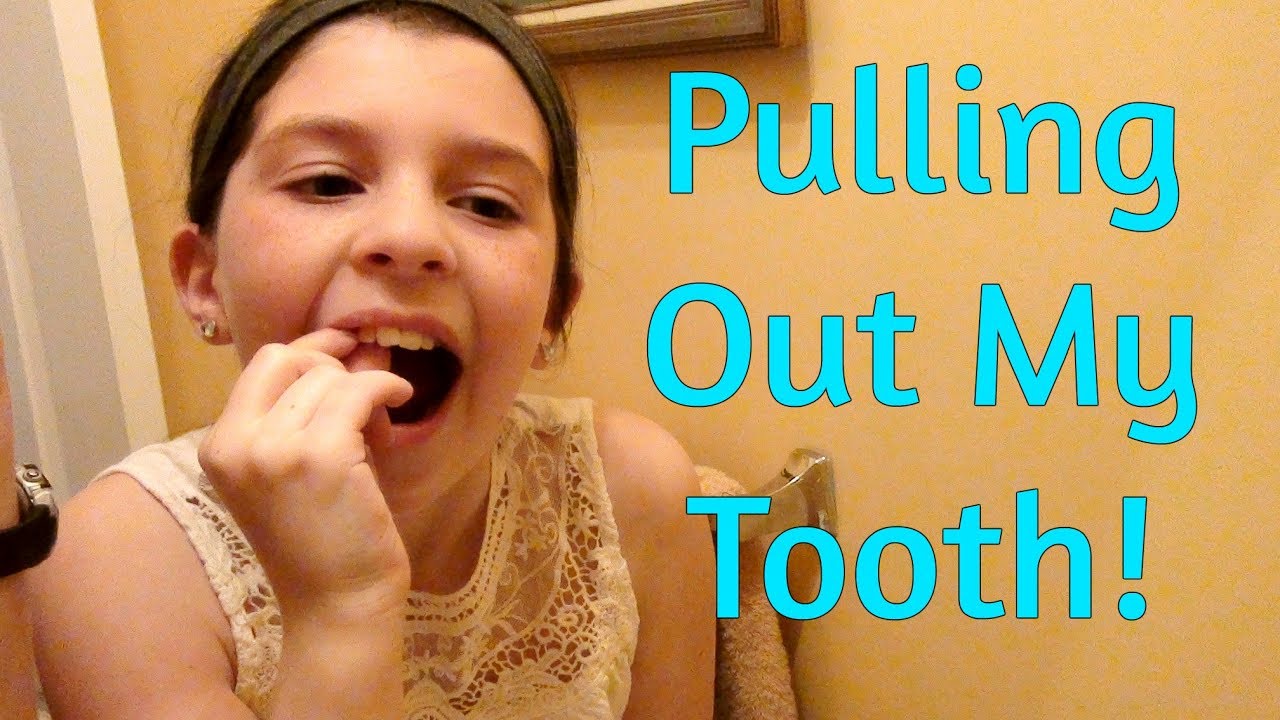
Gently grasp the tooth with your fingers (or the tissue). Try to get a good hold of the part of the tooth that’s above the gumline. You want to avoid digging into the gum itself. Then, with a quick, firm, but gentle tug, pull it straight out. Think of it like pulling a loose thread from a sweater. You don't want to yank and stretch; you want a clean, decisive pull.
The key here is confidence. Hesitation can make it worse. If you're nervous, your child will pick up on that nervousness. Project calm assurance. "Okay, let's do this! Ready? One, two, three… pull!"
Some people swear by a quick twist along with the pull, but I’d recommend sticking to a straight pull first. Less chance of accidentally… well, you know. Twisting might be more effective for some teeth, but it also feels a bit more aggressive. Let’s aim for minimal fuss, right?
The Food Factor (An Unconventional but Effective Method
This is where that gummy worm anecdote comes back into play. Certain foods, especially chewy ones, can be surprisingly effective tooth removers. Think:
- Chewy candies: Gummy bears, taffy (if it's not too hard).
- Crisp apples: The classic! Make sure to bite into it firmly.
- Carrots: Again, the satisfying crunch.
- Bagels or bread crusts: Something with a bit of resistance.
The trick here is to encourage your child to take a bite, and if the tooth is ready, it might just come out with the food. This is a fantastic way to make it feel like an accident, which is often the best kind of tooth extraction for a nervous child. You’re not pulling, the food is doing the work! It’s like the tooth decided, "Oh, this gummy worm is just too much for my dwindling support system, I must depart!"
However, a word of caution: if the tooth is very loose, they might accidentally swallow it. This happened to my cousin’s daughter. She was eating a lollipop, and poof, gone. She was more upset about losing the lollipop than the tooth, thankfully. But it’s something to be aware of. If it does happen, don't panic. Most of the time, it just passes through harmlessly.

What NOT to Do (Seriously, Don’t Even Think About It
Okay, this is important. There are some… less-than-ideal methods that have been passed down through generations, and they need to be put to rest. Please, for the love of all that is holy and dentist-approved, do not do these:
- The string-and-door method: You know, tying a string to the tooth and the doorknob and slamming the door? NO. Just… no. This is barbaric, terrifying, and has a high chance of causing injury and trauma. Your child will never trust you or doors again.
- Using pliers or other tools: Unless you are a trained dental professional with the right equipment and sterile environment, put away the tools. You are not a medieval torturer.
- Forcing it: If the tooth isn’t ready, it isn’t ready. Forcing it will only cause pain and potential damage.
- Ignoring signs of infection: Redness, swelling, pus, significant pain – these are not signs of a wiggly tooth. These are signs of an infection, and you need to see a dentist.
Seriously, folks. Let’s keep childhood tooth extraction within the realm of the slightly gross, not the outright dangerous.
The Aftermath: Bandages, Bites, and the Tooth Fairy
So, you’ve successfully extracted the tooth! Hooray! What’s next?
The Bleeding
A little bleeding is completely normal. The gum might look a bit raw. You can have your child rinse their mouth with warm salt water (about a teaspoon of salt in a glass of warm water). This helps to clean the area and can be soothing. They can also bite down gently on a piece of clean gauze or a damp tea bag for a few minutes to help stop any minor bleeding. Reassure them that it’s normal. "Look, your tooth came out! A little blood is just like a tiny souvenir."

The Soreness
The area might be a little tender for a day or two. Stick to softer foods for a while. No crunchy chips or super-hard candy, at least not on that side. Think smoothies, yogurt, soup, mashed potatoes. It’s a good excuse for a bit of a culinary vacation, right?
The Tooth Fairy Protocol
This is the fun part! Make sure the tooth is clean (a quick rinse should do it). Place it in a special little box, a tiny pouch, or even just a tissue. And then, the magic happens. Tuck it under the pillow and await the fairy’s visit. My daughter once tried to leave a drawing for the Tooth Fairy instead of the tooth. The Tooth Fairy, bless her, was very understanding and still left the money. Apparently, fairies appreciate art.
When to Call the Dentist (Because Sometimes, You Just Need a Pro
While most wiggly tooth situations are no big deal, there are times when you should seek professional help. Don't hesitate to call your dentist if:
- The tooth is very loose but won't come out after a significant period of wiggling/attempts. Sometimes a tooth gets stuck at an awkward angle.
- There is significant pain, swelling, or redness around the tooth. This could indicate an infection.
- You suspect the tooth has broken off, leaving part of it behind.
- Your child has had a fall or injury that involved their mouth and loosened teeth.
- You are simply too nervous or unsure. It’s okay to admit you need help! A dentist is trained for this.
Remember, the goal is a happy, healthy smile for your child. And sometimes, that includes a little bit of drama, a few brave wiggles, and a successful tooth extraction.
So, the next time you see that little pearly white doing the samba in your child’s mouth, take a deep breath. You’ve got this. Embrace the wigglyness. You’re about to witness a tiny miracle of childhood, and perhaps even score some major parenting points with the Tooth Fairy.