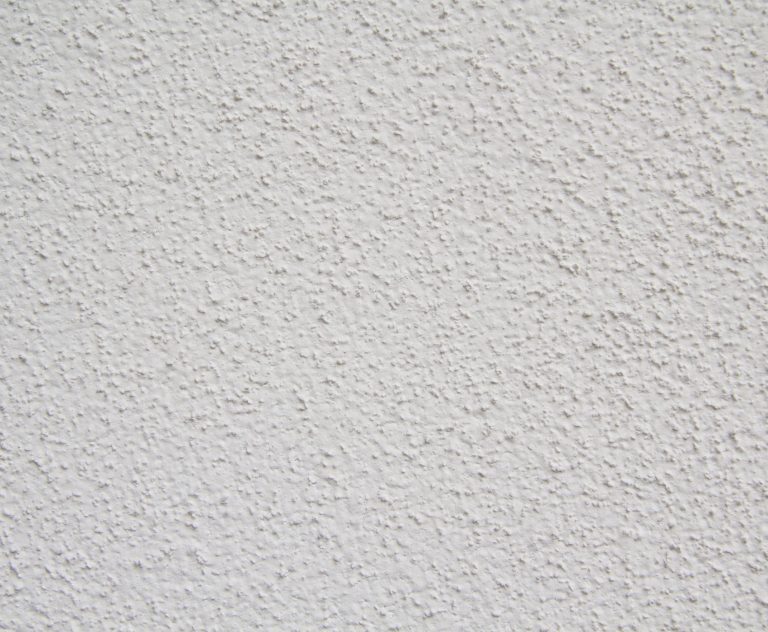
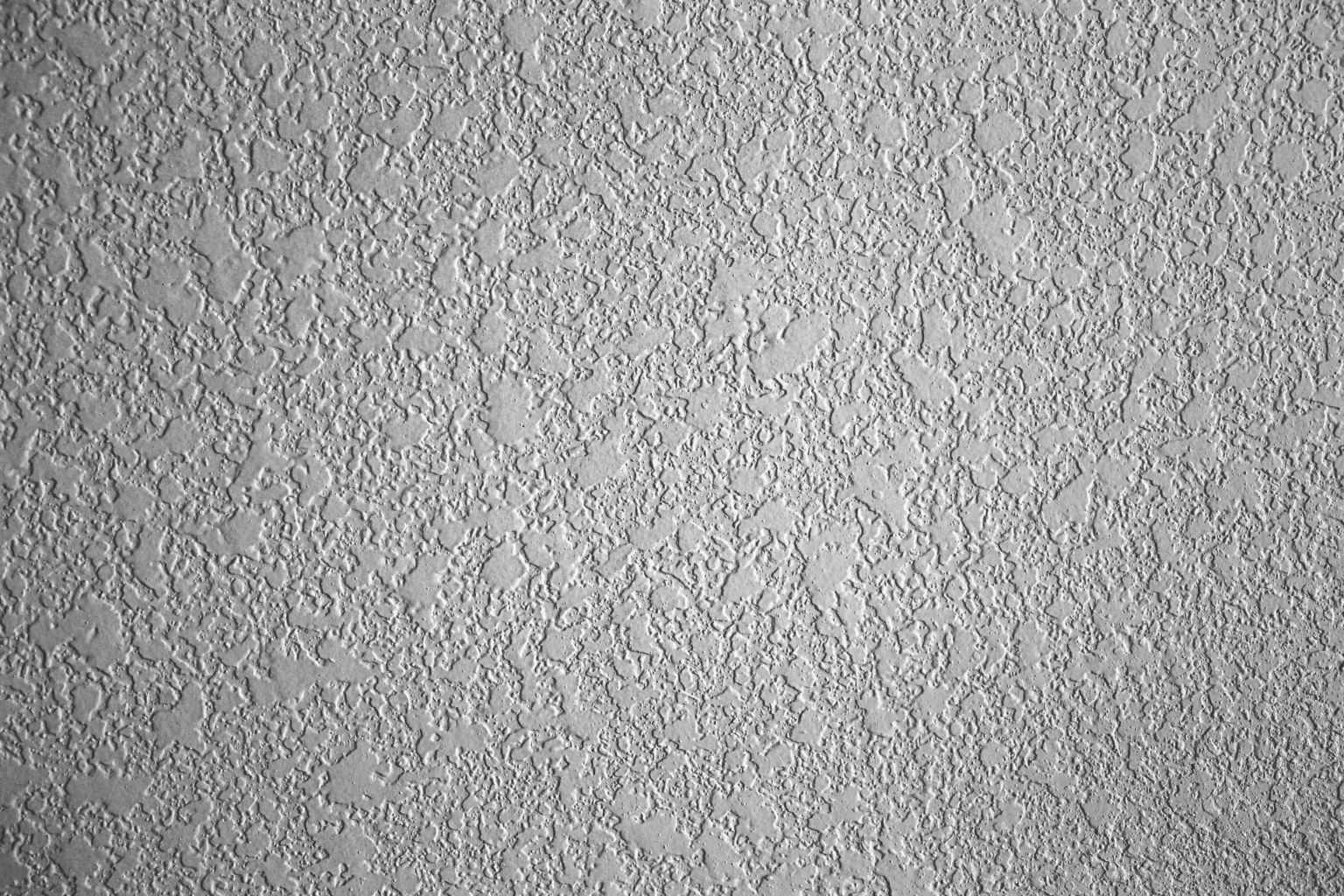
How To Mix Drywall Mud For Roll On Texture

Ever looked at a perfectly textured wall and thought, "Wow, that looks way too professional for me to ever do"? Well, get ready to have that thought erased! Mixing drywall mud for roller application isn't just a DIY hack; it's your ticket to transforming a plain, boring wall into a feature with personality. Forget those expensive wallpaper jobs or hiring a pro for a textured finish. With a few simple ingredients and a little elbow grease, you can achieve a professional-looking result that adds depth and character to any room. It’s surprisingly satisfying, a little bit messy (in the best way!), and opens up a world of creative possibilities. So, grab your gear, and let's get ready to roll on some awesome texture!
The magic of mixing drywall mud for roller application lies in its versatility. It’s a fantastic way to cover up minor imperfections, unify different wall finishes, or simply add that touch of visual interest that makes a space feel more complete. Think of it as giving your walls a cozy blanket or a stylish accent piece. The benefits are numerous: it's cost-effective, allowing you to tackle large areas without breaking the bank. It's relatively forgiving, meaning small mistakes can often be blended or worked with. Plus, the ability to control the texture from a subtle skip-trowel look to a more pronounced knockdown effect is entirely in your hands. This method is perfect for everything from refreshing a tired bedroom to giving a basement a much-needed facelift. It’s a project that truly empowers you to take control of your home's aesthetic.
The Essential Ingredients: What You'll Need
Before we dive into the mixing, let's gather your arsenal. Think of these as your trusty sidekicks in the quest for textured perfection.
Must Read
- Drywall Mud (Joint Compound): This is your base. You'll typically want to use a lightweight all-purpose joint compound. The "lightweight" aspect is key because it's easier to mix and apply, especially for beginners. Avoid the heavier "hot mud" or setting-type compounds for this particular project.
- Water: Your secret thinning agent. We'll be adding this in small increments, so patience is a virtue here!
- A Large Bucket: At least a 5-gallon bucket is ideal. You need plenty of room for mixing without making a huge mess.
- A Mixing Paddle or Stir Stick: A sturdy paint stirrer or a specialized drywall mud mixer attachment for a drill works wonders.
- A Measuring Cup: For accurately adding water.
- Gloves: Optional, but highly recommended if you prefer not to get your hands delightfully coated in mud.
- Safety Glasses: Always a good idea when working with dust and splashes.
The Mixing Process: Turning Powder into Perfection
This is where the fun really begins! We're transforming a simple powder into a creamy, spreadable masterpiece.

- Start with the Dry Mud: Pour your desired amount of drywall mud powder into your clean bucket. Don't fill the bucket to the brim; you'll need space for water and mixing.
- Gradually Add Water: This is the crucial step. Start by adding a small amount of water. Think of it like making a thick pancake batter initially. You can always add more water, but you can't easily take it away. Aim for about half the volume of water to mud as a starting point.
- Begin Mixing: If using a stir stick, start by gently incorporating the water into the powder. If you have a drill with a mixing paddle, this will make the job much faster and easier. Start on a low speed to avoid creating a dust cloud.
- Achieve the Right Consistency: This is where the art comes in. You're aiming for a consistency that's like thick yogurt or sour cream. It should be smooth, creamy, and easily spreadable with a roller, but not so thin that it drips everywhere.
- Scrape and Mix: As you mix, periodically scrape down the sides and bottom of the bucket to ensure all the dry powder is incorporated. This is especially important if you’re using a manual stir stick.
- The Consistency Test: To test if you've got it right, scoop some mud onto your stir stick. It should cling to the stick and slowly slide off in a thick ribbon. If it’s too stiff, add a tablespoon or two of water at a time and mix again. If it’s too watery, you can try adding a little more drywall mud powder, but be careful not to over-thicken it.
- Embrace the Smoothness: Keep mixing until you have a lump-free, creamy mixture. The smoother it is, the more consistent your texture will be.
Tips for Rolling Success
Now that your mud is perfectly mixed, let's talk about applying it for that fantastic texture.
Pro Tip: It's always better to err on the side of a slightly thicker mix. You can always thin it down with a tiny bit more water. Trying to thicken an overly watery mix can lead to an inconsistent texture.
When you're ready to apply, use a thick-nap roller. Think of the kind you'd use for painting popcorn ceilings. Load your roller generously with the mixed mud, then apply it to the wall in a random, overlapping pattern. Don't try to be too neat; the texture comes from the imperfections and variations in how you apply it. For a more pronounced texture, you can use a trowel or a specialized texture roller. Experiment on a scrap piece of drywall first to get a feel for the mud and the desired effect. Remember, the goal is to create visual interest, so have fun with it!