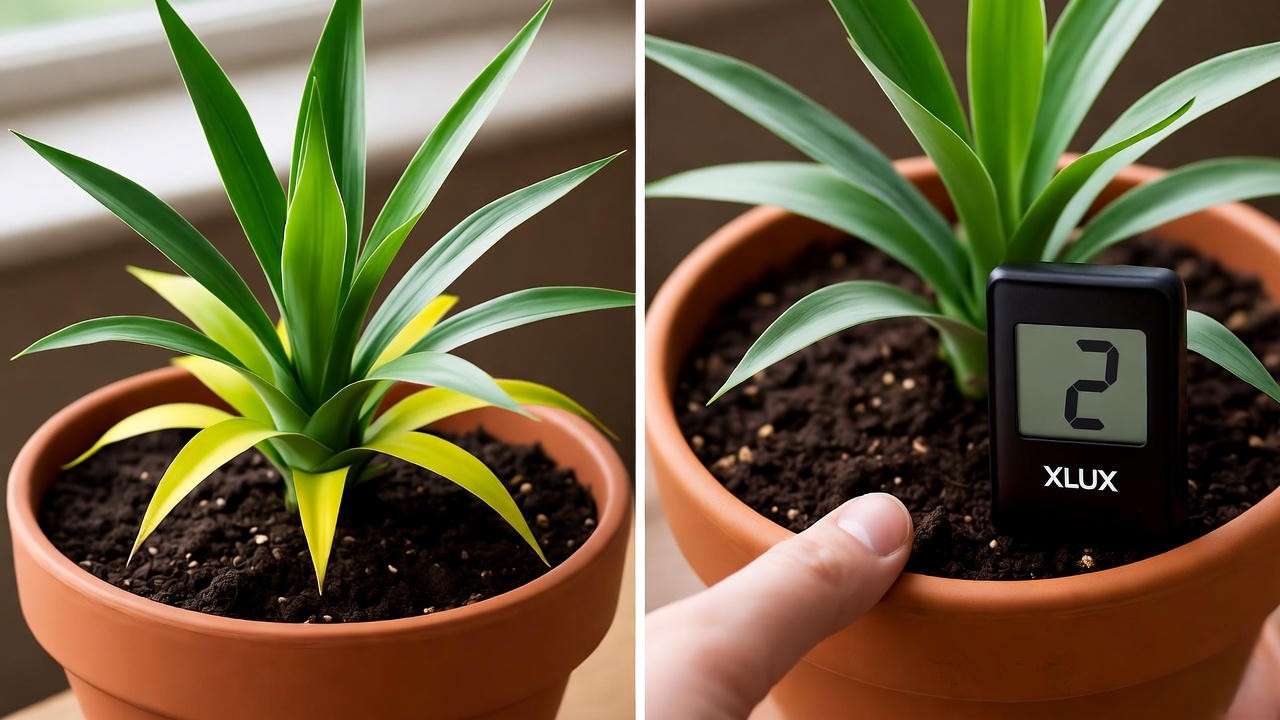
How To Look After A Yucca Plant

Ah, the Yucca. That sculptural, architectural marvel that brings a touch of the desert chic into our homes, no matter how far from the arid landscapes we might be. For those of us who crave a bit of green without the constant horticultural drama, the Yucca plant is an absolute dream. It’s the plant equivalent of that friend who’s always cool, calm, and collected, requiring minimal fuss but delivering maximum impact.
Think of your Yucca as your own personal, low-maintenance piece of living art. It’s got those dramatic, sword-like leaves that can transform a bland corner into a statement piece. Plus, let’s be honest, it’s got that almost prehistoric vibe going on, a bit like a tiny, domesticated dinosaur peeking out from your living room. And the best part? They’re notoriously forgiving. So, if your track record with houseplants is, shall we say, less than stellar, this is your moment to shine. Let’s dive into how to keep your Yucca looking its absolute best, with as little stress as possible.
Sun-Kissed and Happy: The Light Situation
Yucca plants adore sunlight. They hail from some of the sunniest spots on earth, so mimicking that environment indoors is key. Think of them as tiny desert dwellers who’ve relocated to your abode. They thrive in bright, direct sunlight. If you have a south-facing window, congratulations, you’ve just found your Yucca’s paradise. East and west-facing windows are also great options.
Must Read
If your home is a bit on the shadier side, don’t despair just yet. Yuccas are surprisingly adaptable. They can tolerate lower light conditions, but they won’t be as robust or grow as vigorously. You might notice a bit of legginess, where the plant stretches towards the light, which isn’t exactly the statuesque look we’re going for. So, while they can survive in less light, they’ll thrive in it. Aim for at least 6 hours of bright light per day if you can.
A fun fact for you: Many Yucca species are adapted to survive intense desert heat and sunlight by having thick, waxy leaves that help reduce water loss. That’s why they look so unfazed even on the hottest days – they’re built for it!
Watering Wisdom: Less is Definitely More
This is where most plant parents tend to overthink things, especially with drought-tolerant plants like the Yucca. Overwatering is, by far, the most common way to send your Yucca to the great potting shed in the sky. These guys are desert natives, remember? They’re used to going for long stretches without a drink.
The golden rule here is to let the soil completely dry out between waterings. And I mean completely. Stick your finger about two inches into the soil. If you feel any moisture, hold off. If it feels bone dry, then it’s time to water.
When you do water, water thoroughly. Give it a good soak until water runs out of the drainage holes at the bottom of the pot. Then, make sure to empty any excess water from the saucer. Sitting in soggy soil is a recipe for root rot, and no one wants that. Aim to water less frequently in the winter months, as the plant’s growth slows down and it requires even less moisture.
Think of it like this: your Yucca is more likely to forgive you for forgetting to water it than for drowning it. It’s a marathon, not a sprint, in the watering department.

Soil and Drainage: The Foundation for Greatness
Just as important as the watering schedule is the soil your Yucca calls home. These plants need excellent drainage. They don’t like to have their roots sitting in soggy conditions, which, as we’ve established, is the enemy.
A good quality potting mix that’s formulated for cacti and succulents is your best bet. Alternatively, you can create your own mix by combining regular potting soil with perlite or coarse sand. The goal is to create a gritty, well-aerated mix that allows water to flow through freely.
And speaking of drainage, make sure your pot has drainage holes. This might seem obvious, but you’d be surprised how many decorative pots come without them. If your chosen pot doesn’t have holes, either drill some yourself (with the right tools, of course!) or use it as a cachepot, placing a nursery pot with drainage holes inside.
This is a key factor in preventing those dreaded root rot issues. Happy roots mean a happy Yucca, and a happy Yucca means a happy you. It’s a beautiful, symbiotic relationship.
Feeding Time: A Light Touch
Unlike some of your more demanding leafy friends, Yucca plants are not heavy feeders. They’re perfectly content with a relatively sparse diet. Over-fertilizing can actually do more harm than good, leading to a build-up of salts in the soil that can burn the roots.
During the growing season, which is typically spring and summer, you can feed your Yucca about once a month. Use a balanced liquid fertilizer diluted to half strength. You can also opt for a slow-release fertilizer formulated for houseplants, following the package instructions carefully.
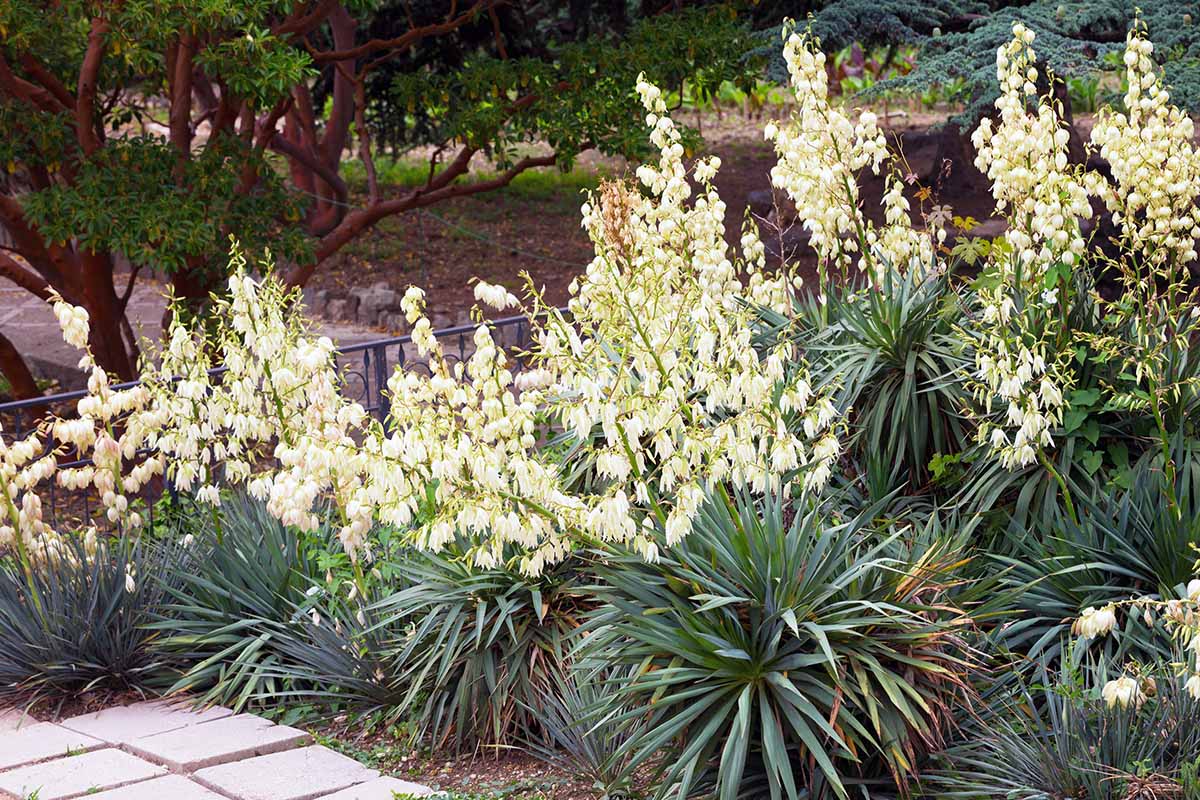
In the autumn and winter, when the plant is in its dormant phase, you can pretty much forget about feeding it altogether. It’s like a human teenager – all energy and growth in the summer, then ready to chill and hibernate come winter.
Remember, it's always better to err on the side of caution when it comes to feeding. A little bit of fertilizer goes a long way with these stoic plants.
Temperature and Humidity: Keeping it Comfy
Yucca plants are quite adaptable when it comes to temperature. They’re perfectly happy in average room temperatures, usually between 18-24°C (65-75°F). They can even tolerate cooler temperatures in winter, as long as it’s not freezing. They’re pretty tough cookies!
As for humidity, they’re not fussy at all. Being desert dwellers, they’re accustomed to dry air. So, you don’t need to worry about misting them or placing them on pebble trays to increase humidity. In fact, high humidity can sometimes be detrimental, potentially leading to fungal issues. Your average home environment is usually just fine for a Yucca.
This makes them ideal candidates for homes with dry air, or for those who live in naturally arid climates. They're truly a plant that says, "Don't worry about me, I've got this."
Repotting: When it's Time for a New Pad
Yucca plants are slow growers, so you won’t need to repot them very often. They actually like to be a bit root-bound. Overpotting can lead to excess moisture retention, which, you guessed it, is bad news.
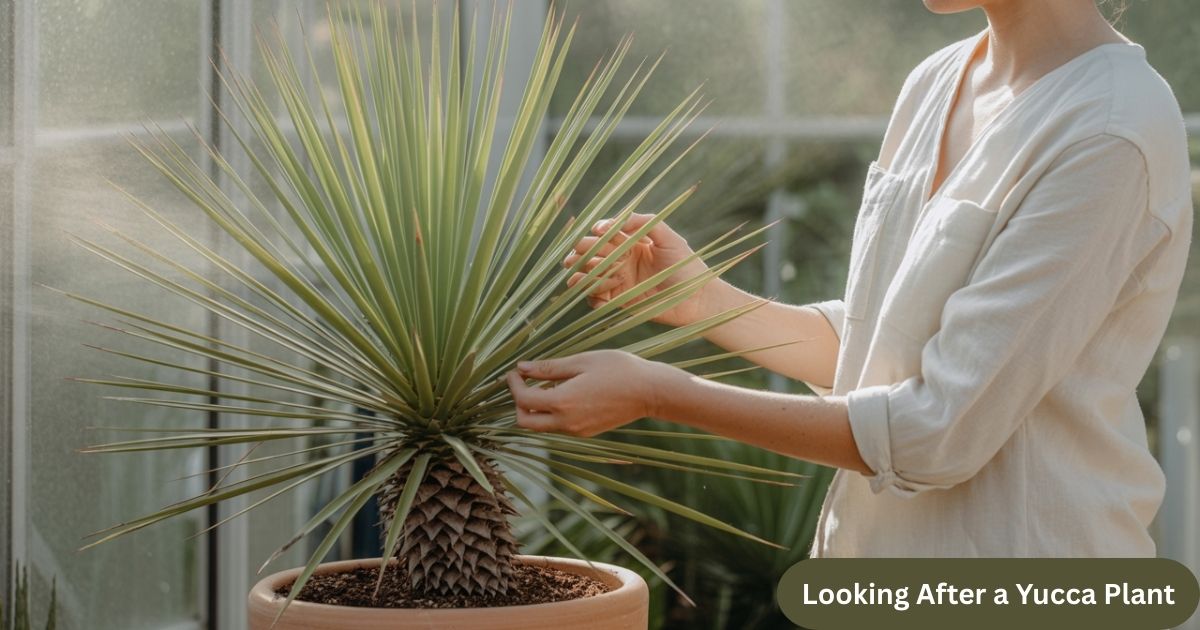
You’ll know it’s time to repot when the roots start to become really crowded, perhaps even circling the pot, or when the plant seems to be drying out unusually quickly even after watering. This usually happens every 2-3 years, or even less frequently for larger specimens.
When you do repot, choose a pot that’s only one size larger than the current one. Use fresh, well-draining potting mix. The best time to repot is in the spring, as the plant is starting its active growing season.
After repotting, wait a week or so before watering. This allows any disturbed roots to settle in and heal. It's a bit like giving them a chance to acclimate to their new digs.
Pest Patrol: Keeping the Critters at Bay
Generally, Yucca plants are quite resistant to pests. However, like any houseplant, they can occasionally attract unwelcome guests. The most common culprits are spider mites and mealybugs.
Spider mites love dry conditions, so if you’re noticing fine webbing and tiny speckles on your leaves, that might be them. Mealybugs are those fuzzy, white, cottony-looking insects that tend to cluster in the nooks and crannies of the plant.
If you spot them, don’t panic. You can usually deal with minor infestations by wiping the affected areas with a damp cloth dipped in soapy water. For more persistent problems, you can use an insecticidal soap or neem oil, following the product instructions carefully.

A healthy, well-cared-for plant is always less susceptible to pests, so keeping your Yucca happy with the right light and watering will go a long way in preventing issues.
Pruning and Cleaning: A Little TLC
Yucca plants generally don’t require much in the way of pruning. If you want to remove any yellowed or dead leaves, you can simply snip them off at the base. This helps keep the plant looking tidy and redirects its energy to healthy growth.
If your Yucca is getting a bit too tall or leggy, you can even prune it back quite drastically. They are remarkably resilient and will often produce new shoots from the base or along the trunk. This is a great way to rejuvenate an older plant or to propagate new ones.
Don’t forget to keep those beautiful leaves clean! Dust can accumulate on them, blocking sunlight and making the plant look dull. Gently wipe the leaves with a damp cloth every so often. This not only keeps your plant looking its best but also allows it to photosynthesize more effectively.
A quick note on the sap: Some Yucca species can have a sticky sap when cut. It’s generally harmless, but it’s a good idea to wear gloves if you’re doing any significant pruning, and to wash your hands afterwards. Think of it as their natural form of ‘sunscreen’.
Why We Love Our Yucca
There’s something deeply satisfying about nurturing a plant that’s as resilient and independent as a Yucca. They’re a constant reminder that beauty doesn't always require high maintenance. They’re the quiet achievers of the plant world, adding a touch of natural elegance to our everyday lives without demanding our constant attention.
In a world that often feels rushed and complicated, the simple needs of a Yucca plant can be incredibly grounding. It’s a small piece of nature in our homes, a breath of fresh air, and a testament to the enduring power of simplicity. Just a bit of light, a good drink when it’s truly thirsty, and a well-drained home are all it takes to keep this magnificent plant thriving. And in return, it offers a sense of calm, a touch of the wild, and a whole lot of stylish green goodness. It’s the perfect plant companion for our modern, sometimes chaotic, lives.