
How To Know If Silver Is Real
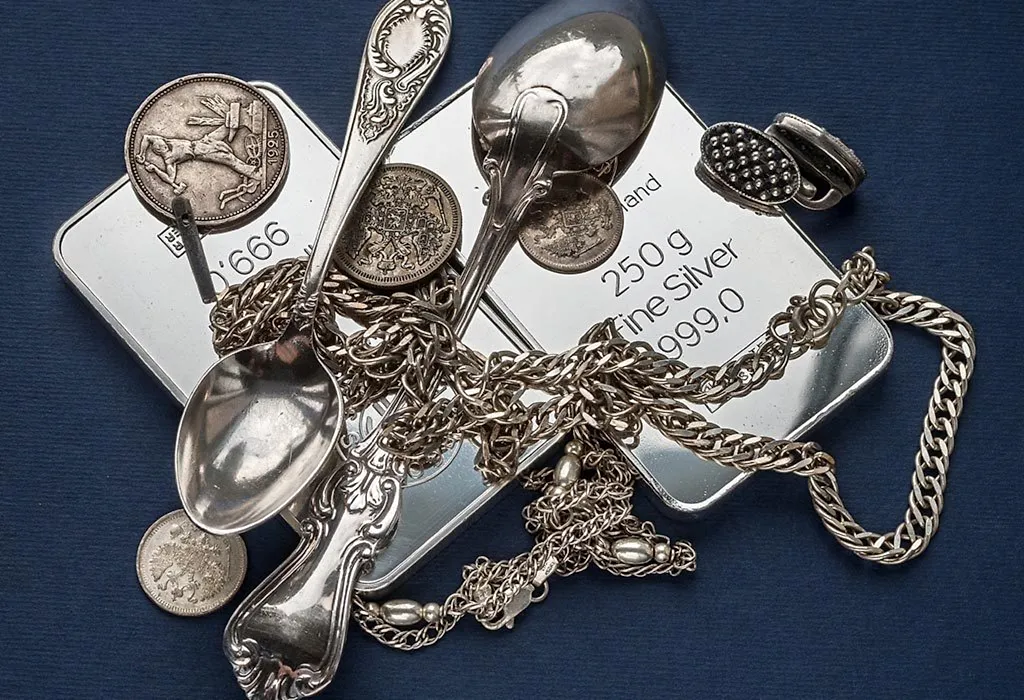
Ah, silver. It gleams, it glitters, it makes your aunt Mildred’s locket look positively regal. But how do you know if that shiny trinket is the real deal, or just a very convincing imposter?
Let’s be honest. Most of us aren’t professional metallurgists. We're more like enthusiastic amateurs with a vague sense of what’s shiny and what’s not. And sometimes, the line between a genuine treasure and a shiny piece of junk can be as blurry as my vision after a late night scrolling through antique shop listings.
So, gather ‘round, fellow detectives of dazzling deception. We’re about to embark on a thrilling, albeit slightly unscientific, adventure into the world of discerning real silver from its less-than-lustrous cousins.
Must Read
The Art of the Stamp: Tiny Telltales
Your first line of defense? The tiny markings that manufacturers love to hide. Think of them as secret handshakes for silver. You’ll often find them on the back of jewelry, on the bottom of silverware, or inside the band of a ring.
Look for things like "925". This is a big one. It means the piece is 92.5% pure silver, with the rest usually being copper to make it sturdy. It's like saying, "Yep, I'm the good stuff!"
You might also see "Sterling Silver" stamped right there. This is the universal language for "real silver, probably." It's the gold standard, or rather, the silver standard. No funny business here.
Sometimes, you’ll see other numbers like "800". This is still silver, but a bit less pure. Think of it as a cousin who’s really close, but not quite in the immediate family. Still good, just… different.
Now, here’s the rub. The absence of a stamp doesn't always mean it’s fake. Some very old or very handmade pieces might not have them. But for most things, especially newer items, a stamp is your friend.
The Magnet Test: A Sticky Situation
This is where things get a little more hands-on. Silver, real silver, is not magnetic. This means a regular magnet should just slide right off it. No clinging, no sticking, no dramatic attraction.
So, grab a magnet. A fridge magnet will probably do, but a stronger one is even better. Gently hold it near your mysterious shiny object. If it sticks, well, that’s a bit of a red flag. It might be made of a metal that looks like silver but is actually magnetic, like steel plated with something shiny.
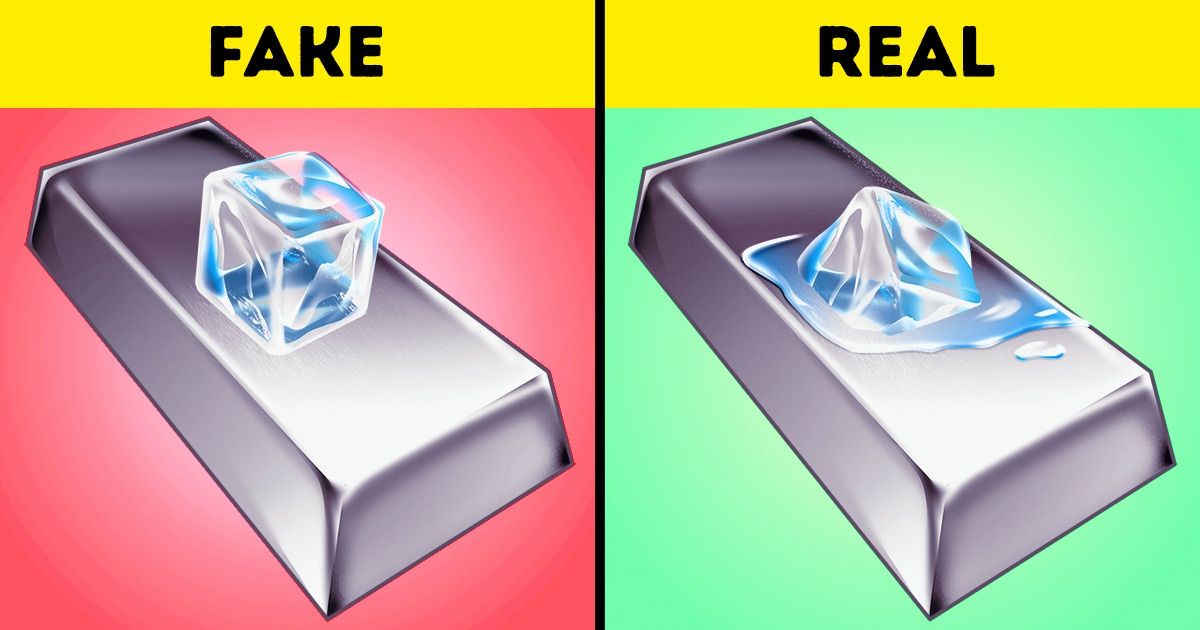
However, a word to the wise. Some very cheap plated items might also pass the magnet test because the plating itself isn't magnetic. So, this test is more about ruling things out than definitively saying "It's real!" It’s like a first date; promising, but you’re not planning the wedding yet.
This test is particularly useful for things like cutlery or larger decorative items where a hidden magnetic core is a dead giveaway. Imagine buying a silver-plated serving spoon only to find out it’s secretly a magnet for your fridge door. The indignity!
The "Bite" Test: A Controversial Classic
Okay, this one’s a bit… primal. And frankly, I’m not a huge fan of putting random metals in my mouth. But historically, people used to do it. The idea is that pure silver is a relatively soft metal.
So, the theory goes, if you gently bite down on a piece of real silver, you might leave a tiny indentation. It's like a little silver kiss mark. Don't go chomping down like you're tackling a steak, though. We're talking a gentle nibble.
If you leave a noticeable dent, that’s a good sign. If your teeth feel like they’re about to snap, or if nothing happens at all, it might not be pure silver. It could be something much harder, like stainless steel.
However, I implore you, please consider the hygiene factor. And the potential for dental damage. There are many other, less mouth-involved ways to test for silver. This is more of a historical footnote than a recommended practice for the modern silver enthusiast.
The Smell Test: A Nose for Authenticity
This one's for the olfactory adventurers. Real silver, when it's clean and pure, doesn't have a strong smell. It's pretty neutral. It’s the quiet, dignified member of the metal family.
However, if your silver smells… well, off. Like sulfur, or a strong metallic tang, that could be a sign of something else. This is especially true if the piece is tarnished. Pure silver tarnishes, yes, but it usually has a specific kind of tarnish, not a pungent odor.
If you rub a piece of silver and it gives off a strong, unpleasant smell, it might be an alloy with other metals that are reacting. Think of it as your silver screaming, "Help! I'm not what I seem!"
This test is often more about distinguishing real silver from things like brass or nickel, which can have more distinct metallic smells. So, trust your nose, but don’t rely on it solely. It’s a team player in the silver-detection game.
The Acid Test: For the Brave (and Prepared!)
This is where things get serious. The acid test is a more definitive way to check for silver, but it requires a special testing kit. These kits usually come with a testing stone and various acids for different metals.
You scratch a tiny bit of metal from your silver item onto the testing stone. Then, you apply a drop of silver-testing acid to the scratch. If it’s real silver, the scratch will react in a specific way. It might dissolve slightly, or change color in a way that indicates silver.
If you use an acid meant for, say, gold, and it fizzles and disappears, you know it’s definitely not gold. And if you use the silver acid and it does nothing, or reacts strangely, it’s probably not silver either.
This test is more accurate, but it can also be a little intimidating. You’re dealing with acids, after all. So, if you’re not comfortable with this, stick to the other, less volatile methods. Safety first, then shininess!
The Loupe and Visual Inspection: A Close Encounter
Sometimes, a good old-fashioned look with a magnifying glass can tell you a lot. Use a jeweler’s loupe or even a strong magnifying glass. Look for details.
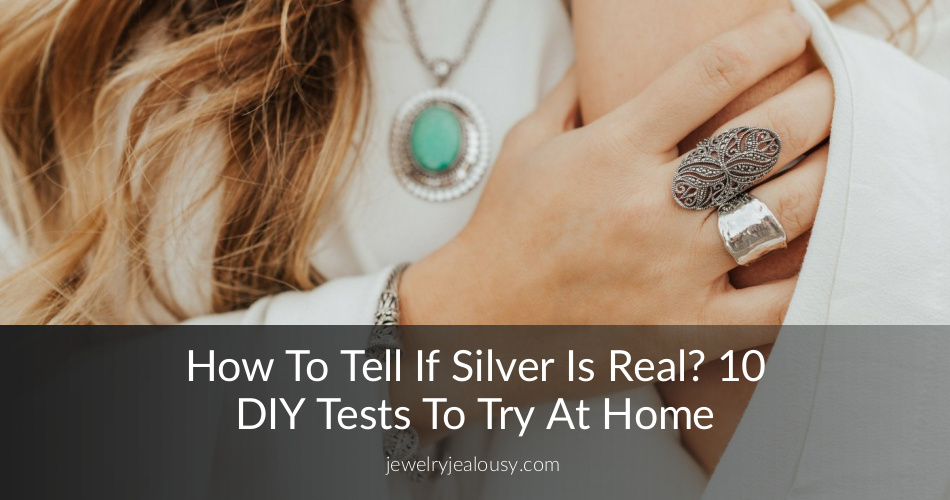
Are the markings crisp and clear, or fuzzy and indistinct? Is the color consistent across the piece? Are there any signs of plating that are worn away, revealing a different metal underneath? This is especially important for items that look too good to be true.
If you see a different colored metal peeking through at the edges, or in areas that get a lot of wear, it's likely plated. Think of it like finding a scratch on your car that reveals primer. It’s not the whole story.
Also, look at the craftsmanship. Real silver often has a certain weight and feel to it. Does it feel flimsy, or does it have a satisfying heft?
The Sound Test: A Ring of Truth
This is another one that’s a bit more for silverware and hollow items. Gently tap the piece. Real silver, especially sterling silver, often produces a clear, resonant ring. It’s a pure, almost musical sound.
Cheaper metals or plated items tend to have a duller thud. Think of the difference between a crystal glass and a plastic cup when you tap them. One sings, the other… well, it just makes a noise.
This test is subtle, and you’ll need something to compare it to if you’re not an expert. But with practice, you might be able to develop a feel for the distinct sound of genuine silver.
It’s like tuning an instrument. You’re listening for that perfect, clear note that tells you all is as it should be. A dull thud suggests something’s a bit off-key.
:max_bytes(150000):strip_icc()/GettyImages-170169567-f5b1debb75ef4a869613f1ff8e36253e.jpg)
The Tarnishing Clue: A Sign of Life
Now, I know what you’re thinking. "But silver tarnishes! So how is that a test?" And you’re absolutely right. Silver does tarnish. It's its way of reacting with sulfur in the air.
But here’s the trick: real silver tarnish is usually a particular shade of gray or black. It’s a gradual darkening. If a piece tarnishes very quickly, or develops odd rainbow colors, that might be a clue.
Also, if you try to clean a piece of real silver and the tarnish comes off easily, revealing bright silver underneath, that's a good sign. If the tarnish seems painted on or won't budge, it could be a fake.
Think of tarnish as the silver’s natural aging process. It’s like wrinkles on a wise old face. It tells a story. But weird, unnatural discoloration? That’s more like a bad facelift.
So, while tarnish itself isn't proof of fakery, the way something tarnishes, and how easily it can be cleaned, can be very telling. It’s about the quality of the aging, not the aging itself.
When in Doubt, Ask a Pro!
Ultimately, if you have a really important or valuable piece, and you’re still not sure, the best thing to do is take it to a reputable jeweler or a pawn shop. They have the experience and the tools to tell you for sure.
They can perform more advanced tests, like using an XRF scanner, which can tell you the exact elemental composition of the metal without damaging it. Now that’s a fancy test for the truly dedicated silver sleuth!
So, don’t be afraid to seek expert advice. It’s better to have a professional confirm your suspicions (or your discoveries!) than to spend your hard-earned cash on something that’s just a shiny impostor. Happy hunting for your precious metals!

