How To Know If A Cat Is Dying

Alright, gather 'round, my fellow feline fanatics and accidental cat-sitters. Let’s talk about the not-so-glamorous, but undeniably important, topic of when our furry little overlords might be packing their bags for the great litter box in the sky. Now, I’m not saying we should all be hovering over Fluffy with a crystal ball and a stethoscope 24/7, but a little heads-up can be handy. Think of it as being prepared, like knowing where the spare toilet paper is kept, but for your heart. And let’s be honest, cats are masters of mystery. One minute they’re plotting world domination from the top of the bookshelf, the next they’re… well, let’s get to that.
So, how do you know if your cat is, shall we say, contemplating retirement from this earthly realm? It’s not like they’re going to leave a note saying, "Dearest Human, I've found a sunbeam that's infinitely warmer and free of vacuum cleaner noises. Ta-ta!" Nope. They’re more subtle. Like a ninja cat burglar of your affections, their departure is usually signaled by a series of… shall we call them, less-than-enthusiastic behaviors.
The Great Indoorsman (or Woman) Emerges
First off, our usually adventurous kitties might suddenly decide that the entire universe exists within a five-foot radius of their favorite napping spot. Remember when Mittens used to scale the curtains like she was auditioning for Mission: Impossible? If she’s now struggling to hop onto the sofa, that’s a sign. It’s like your favorite athlete deciding to retire from the Olympics to become a professional couch potato. Suddenly, that trip to the food bowl feels like an expedition to Mount Everest.
Must Read
They’re not being lazy; they’re conserving energy. Think of it like a high-performance sports car running on fumes. Every movement is a calculated risk, and the primary objective is to not run out of gas before the next nap. So, if your cat’s main activity for the day involves shifting their weight slightly to avoid a rogue dust bunny, take note.
A Change in Appetite (or Lack Thereof)
This is a biggie. Cats are notoriously picky eaters. Some days, they'll act like they haven't eaten in a decade, even if you just refilled their bowl. Other days, they’ll turn their nose up at the finest salmon pâté, preferring to stare longingly at your half-eaten sandwich. But if your cat, who normally lives to eat, suddenly has zero interest in food, even their absolute favorite tuna treats? That’s a red flag waving faster than a kite in a hurricane.
Conversely, some cats might eat more as they get older or sicker, but this is often accompanied by weight loss. It’s like they’re trying to out-eat their own impending doom. It’s a bit morbid, but also… very cat. Imagine a tiny furry warrior stuffing their face before a battle they know they’re probably going to lose. Heartbreaking, really.

Hydration Station Woes
Along with food, water intake is key. If your cat’s usually a fountain of hydration, constantly lapping at their bowl, and you suddenly notice that bowl is staying stubbornly full, that's a cause for concern. Dehydration is a nasty business for anyone, let alone a creature who already seems to run on a delicate balance of naps and sass.
You might also notice them seeking out water sources in odd places. Think the leaky faucet in the bathroom, or a forgotten glass of water on your nightstand. This isn’t them being quirky; it’s them desperately trying to stay hydrated because their regular system is, shall we say, sputtering.
The Bathroom Business Blues
Okay, let’s talk about the litter box. It’s not the most glamorous topic, but it’s a crucial indicator. If your cat, who’s usually a meticulous litter box user, starts having accidents outside the box, that’s a sign. It’s like a previously well-behaved child suddenly deciding to redecorate the carpet with questionable "art."

This could be due to a few things. Sometimes it’s physical pain – it hurts to get in and out of the box, or it hurts to… well, you know. Other times, it’s a cognitive thing, where they’re getting confused. Whatever the reason, a sudden aversion to their designated facilities is a big fat warning bell.
A Shift in the Purr-sonality
Cats are known for their aloofness, their regal disdain for our mere human existence. But even the most independent cat has a soft spot for their chosen human. If your typically cuddly cat suddenly becomes distant, wanting to be left alone, or if your normally independent cat starts clinging to you like a fuzzy barnacle, it’s a sign something’s up.
They might be seeking comfort, or they might be trying to spare you the emotional blow. It’s their way of saying, "Hey, I might be feeling a bit… wobbly. Could you just… be there? Preferably with treats and chin scratches." Or, conversely, they might be saying, "Don't get too attached. I'm about to leave you with all my toys, and frankly, that’s a lot of responsibility."

Changes in Grooming Habits
A cat’s impeccable grooming is practically a national pastime. They spend hours making themselves look presentable, like tiny furry fashionistas. If you notice your cat is no longer keeping up with their usual rigorous grooming routine, their fur might start looking a bit… unkempt. Like they’ve given up on life and decided a good fluff is too much effort.
This is often a sign of discomfort or pain. It’s hard to reach those tricky spots when you’re feeling unwell. Imagine trying to touch your toes after a particularly grueling gym session. Yeah, not happening. So, a dull coat or matted fur could be their way of silently screaming, "Help! I can’t even reach my own butt!"
The Big Sleep: More Than Usual
Cats are professional nappers. They’ve elevated napping to an art form. But if your cat’s sleep schedule goes from “impressive” to “are they even alive?” that’s a significant change. They’ll be sleeping a lot more, and waking up for shorter periods. It’s like they’re practicing for their eternal slumber party.
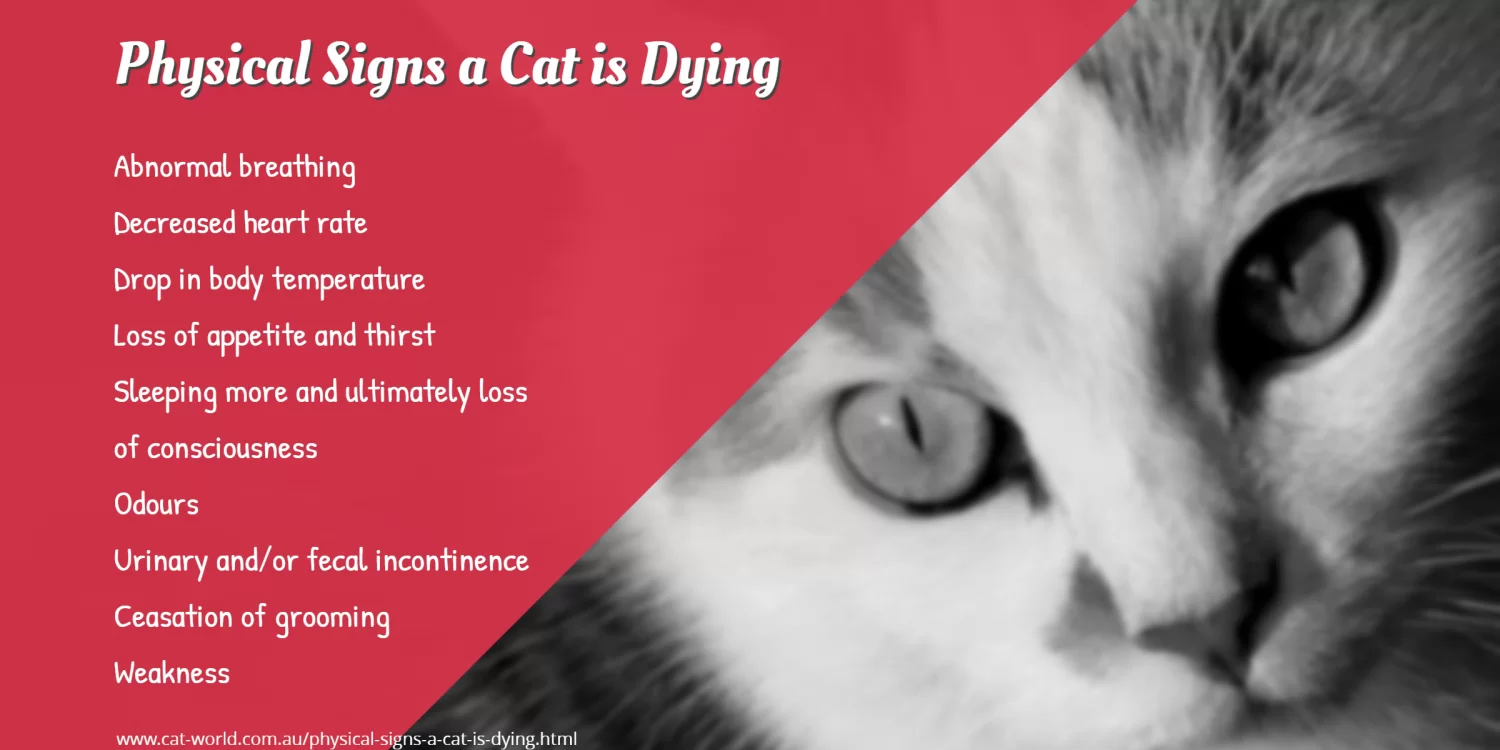
They might also seem less responsive when you try to wake them. Instead of a grumpy stretch and a yawn, they might just twitch an ear or offer a faint blink. It’s their way of saying, "Leave me be, mortal. I am experiencing profound existential tiredness."
When to Make the Call
Look, this isn't about diagnosing your cat like you're a veterinary superhero. It's about observing changes. If you notice a combination of these signs, and they persist, it’s probably time to have a chat with your vet. They’re the professionals, the keepers of all feline medical knowledge, and they can help you understand what’s going on and what the best course of action is for your beloved companion.
It's one of the hardest conversations you’ll ever have, but knowing when your cat is suffering and when to let them go with dignity is the ultimate act of love. So, while we can’t predict the future, being aware of these signs can help us make informed decisions and give our furry friends the best possible quality of life, right up until the very end. And hey, at least they’ll go knowing they were loved, even if they did occasionally try to trip you on the stairs. That's just feline charm, after all.