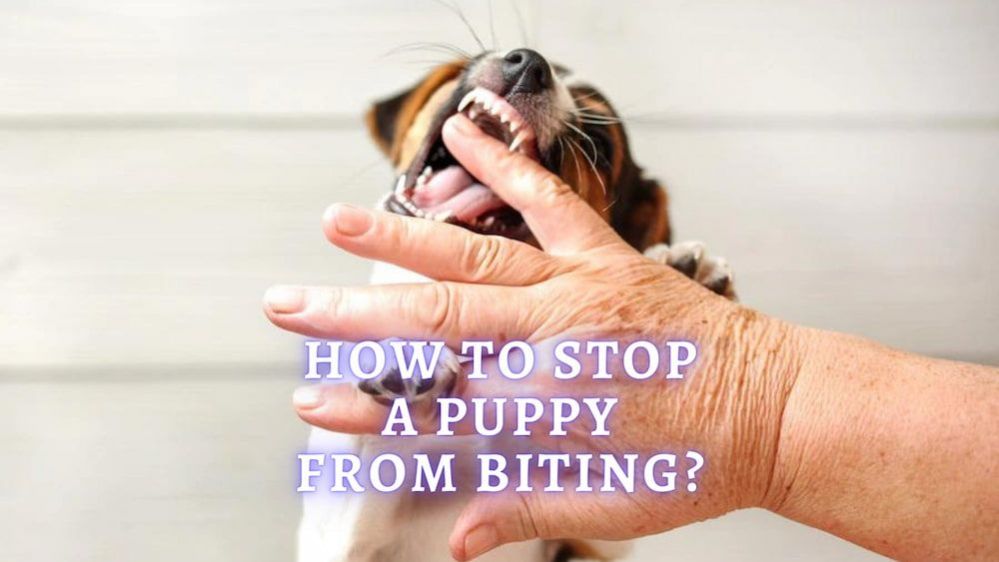
How To Keep A Puppy From Biting

So, you've got a new puppy! Congrats! Get ready for a whirlwind of adorable chaos, tiny paws, and… yep, those razor-sharp little teeth. Ouch! Everyone goes through this, you know. It's like they have a tiny, fluffy shark living inside them, right? But don't worry, we're going to tackle this nipping business together, just like we’re chatting over a giant latte.
First things first, you're probably wondering, "Why is my adorable fluffball trying to use my hand as a chew toy?" Well, it's totally normal, believe it or not. Puppies explore the world with their mouths. It's how they learn about textures, flavors, and whether that dust bunny is edible (spoiler: it's not). It's also how they play with their littermates. If they bite too hard, their buddies yelp and might stop playing. They're basically teaching each other bite inhibition, and we need to do the same!
So, what's the secret sauce to a less bitey puppy? It's all about redirection and teaching them what's okay to chew and what's not. Think of yourself as their personal chew-toy concierge. You're there to guide them, gently, to the right stuff. And trust me, they'll thank you later when they have a whole collection of appropriate chewables instead of mangled slippers.
Must Read
The most important thing, I think, is to stay calm . I know, I know, easier said than done when your fingers are the prime target. But if you scream or push them away aggressively, they might think it's a fun game! And then you've got yourself a whole new set of problems, haven't you? We want them to associate your hands with nice things, not scary things.
So, when that little land shark starts chomping on your finger, the first thing to do is a sharp, but not terrifying, "Ouch!" or "Yip!" This mimics how other puppies react. The key here is to make it sound like a real yelp, not a frustrated sigh. Imagine a tiny, high-pitched squeal of surprise. You're aiming for surprise, not terror.
The Yelping Technique
Okay, let’s break down the yelp. As soon as their teeth touch your skin, let out that loud "YIP!" and immediately withdraw your hand . Don't linger, don't try to pull your hand away slowly. Just… poof! Gone. Like a magic trick, but less sparkly and more about saving your digits.
What happens next? If your puppy is truly learning, they might pause for a second, looking confused. That's your cue! The moment they back off, offer them a suitable chew toy . A nice, sturdy one. Something they are allowed to gnaw on. Think rope toys, Nylabones, or those fun puzzle toys that dispense treats. Give it to them with a happy voice. "Here you go, buddy! Chew this instead!"
:strip_icc()/dog-bite-prevention-1117453-FINAL-d2d6e8c12f164292aabbeadc7765deb2.png)
If they were biting your hand and you yelped and withdrew, and they then immediately go for the toy you offered, that’s a huge win! Praise them! "Good boy! Good chew!" Lots of enthusiastic petting and happy talk. You're reinforcing that the toy is way more fun than your hand. It’s like saying, "Yes! You got it! This is what we want!"
What If They Don't Get It?
Now, what if your puppy is a little… shall we say, enthusiastic and keeps coming back for more finger-nibbling? This is where the "time-out" comes in. It’s not a punishment in the scary sense, more of a brief pause in the fun . If the nipping continues after you've yelped and tried to redirect, it's time to calmly disengage.
You can do this by simply standing up and turning your back for a few seconds. Or, if they're really in a frenzy, gently place them in their crate or a puppy-proofed playpen for a minute or two. Just a short break from the action. No toys, no interaction, just a moment to reset. The idea is to teach them that when they bite hard, the fun stops.
When you let them out, immediately try to re-engage with them with a toy. If they start biting again, you might have to repeat the process. It can feel like a broken record, I know. But consistency is absolutely key here. Your puppy is trying to figure out the rules of the human world, and you’re their guide.

The Chew Toy Arsenal
Let’s talk about toys. You need a good variety! Some puppies love soft, plush toys they can mouth. Others prefer the satisfying resistance of a tough rubber toy. And don't forget those interactive toys that make them work for their treats. These are fantastic for keeping their minds busy and their mouths occupied.
Always have a toy readily available. When you're playing with your puppy, keep a toy in your hand or nearby. If they start to mouth you, quickly swap your hand for the toy. This is called "toy swapping" , and it's a brilliant way to prevent biting before it even starts. It’s proactive training, people!
Some people even find success with bitter apple spray or other deterrents on their hands when they’re first starting out. I'm not a huge fan of relying solely on this, as it doesn't teach them what to chew, just what not to chew. But for some, it can be a helpful tool in conjunction with other methods. Just a little sprinkle of extra help!
Understanding the "Why" Behind the Bite
It’s also helpful to understand why they're biting at a particular moment. Are they overtired? Puppies get grumpy when they're overstimulated, just like toddlers. If you notice your puppy getting frantic, nippy, and a little wild, it might be time for a nap. Seriously, a good snooze can solve a surprising amount of puppy problems.

Are they bored? A bored puppy is a destructive puppy, and often a nippy puppy. Make sure they’re getting enough mental and physical stimulation. Short, frequent play sessions, training exercises, and walks are all great. Think of it as a puppy’s daily to-do list.
Are they teething? Oh, the teething phase! Their gums are sore, and chewing helps. This is where those puppy-specific chew toys that you can freeze can be a lifesaver. They provide soothing relief for those achy gums. It’s like a little puppy spa treatment for their mouth.
Playtime Etiquette
When you're playing with your puppy, whether it's fetch, tug-of-war, or just some good old-fashioned wrestling, always have a toy involved. If your puppy gets too mouthy during a game, stop the game immediately . Freeze, say "Oops!" in a neutral tone, and then redirect to a toy. If they continue to be nippy, end the play session for a few minutes.
Tug-of-war can be a great game, but you need to teach your puppy some rules. For instance, the game stops if their teeth touch your skin. Also, teach them to "drop it" on command. This is a super useful skill, not just for tug, but for life in general. Imagine them trying to eat something they shouldn't, and you can just say, "Drop it!" and they do. Pure magic!

Never, ever encourage biting on your hands or feet. Even if it’s "cute" when they're tiny, it’s a habit that will become a real problem when they’re bigger and stronger. Think of future-you, with a large dog trying to play-fight with your ankles. Not ideal, right?
Socialization is Key
While you're working on the biting, don't forget the importance of proper socialization . Exposing your puppy to different people, places, and other well-behaved dogs is crucial. When they interact with other dogs, they’ll learn those bite inhibition skills naturally. It’s like puppy school, but more… furry and slobbery.
Just make sure those playmates are a good match. You don’t want your puppy learning bad habits from a less-than-stellar canine role model. A gentle older dog can be a wonderful teacher. They’ll often give your puppy a firm but fair correction if they get too rough.
When to Seek Professional Help
Most puppies outgrow this phase with consistent training. But, if you’re finding that the biting is incredibly severe, or you’re just not making any progress, don't hesitate to reach out to a professional dog trainer or a veterinary behaviorist. They’ve seen it all, and they can offer personalized advice and support. They’re the superheroes of the dog world, really.
Remember, your puppy isn't trying to be a menace. They're just a baby figuring things out. Be patient, be consistent, and celebrate the small victories. Soon enough, those sharp little teeth will be replaced by bigger, blunter adult teeth, and your puppy will have learned what’s fair game and what’s not. And you’ll have a wonderful, well-behaved companion. You’ve got this!