How To Identify A Run Flat Tyre

Ever had one of those moments where you’re cruising along, belting out your favourite tune, windows down, feeling like a rockstar, only to hear that tell-tale thump-thump-thump? Yeah, the dreaded flat tyre. It’s enough to make even the most cheerful of drivers want to hide under their steering wheel. But fear not, intrepid road warriors! What if I told you there’s a secret weapon in your tyre arsenal, a superhero that lets you keep on trucking, even when the air decides to stage a mass exodus? We’re talking about the legendary, the magnificent, the downright marvellous Run Flat Tyre!
Now, you might be thinking, “Run Flat? Sounds like something out of a sci-fi movie where cars sprout wings and fly away from punctures.” And in a way, you’re not entirely wrong! These clever chaps are designed to keep your journey going, albeit at a slightly slower pace and with a bit more… oomph… from your steering wheel. But how do you spot these tyre titans before you’re caught in a flat-tyre-induced existential crisis?
<p>Let’s dive into the thrilling world of Run Flat identification!Must Read
First off, forget the idea that Run Flat tyres look like they’re made of solid diamond or have tiny little jet engines attached. They generally look like… well, normal tyres! This can be a bit of a curveball, I know. It’s like spotting a secret agent in a crowd of identical accountants. But there are clues, my friends, subtle whispers from the rubber that reveal their hidden talents.
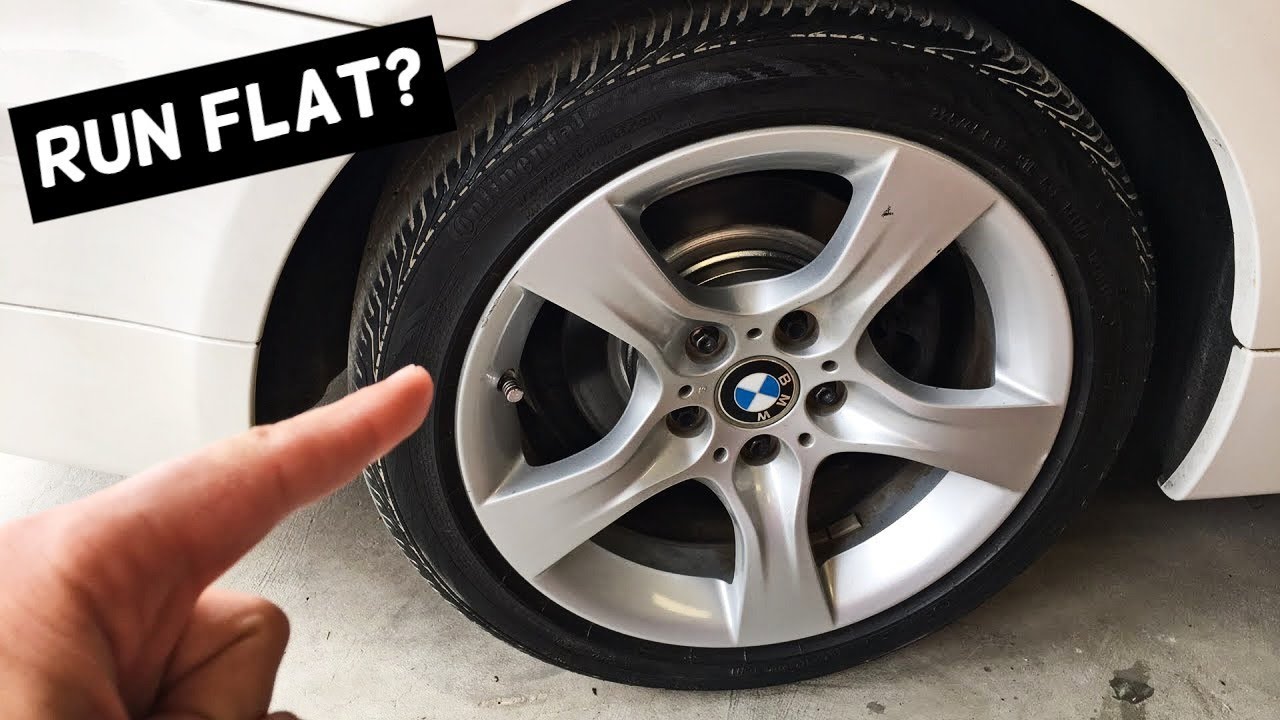
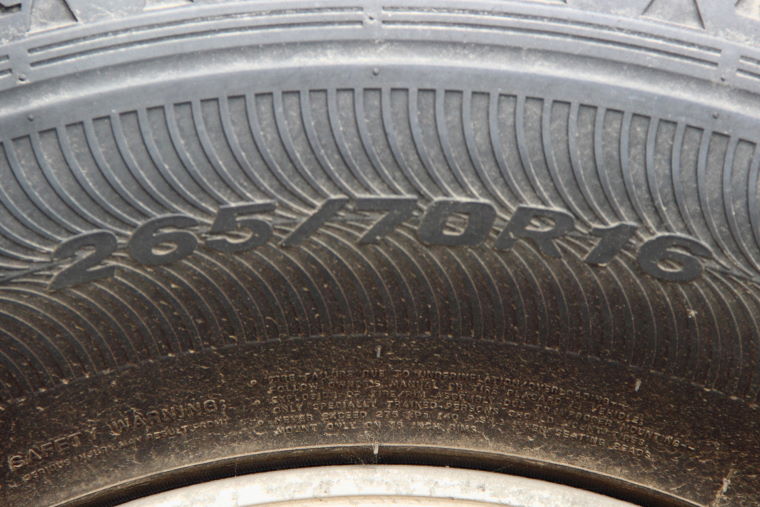
The most obvious, and often the most reliable, place to look is on the sidewall of the tyre. This is the meaty part that’s exposed to the world, the part that tells you all sorts of things about your rubber companions. Imagine it as the tyre’s ID badge, its little name tag. And on this ID badge, you’ll be looking for some very specific, very important, and dare I say, enchanting symbols.

The most common and internationally recognised symbols for Run Flat tyres are usually a series of letters. Think of them as secret codes, whispered only to those in the know. The big players in this game are:
- RFT: This is like the classic superhero logo. Short for “Run Flat Tyre,” it’s pretty self-explanatory. If you see RFT staring back at you, you’ve found yourself a Run Flat!
- RunOnFlat: Some manufacturers like to spell it out, like a proud parent announcing their child’s name. So, if you see the words RunOnFlat emblazoned on the sidewall, congratulations, you’ve hit the Run Flat jackpot!
- SSR: This is another common one, often seen on certain European brands. It stands for “Self-Supporting Runflat.” Think of it as the Run Flat’s sophisticated cousin, still a hero, just with a slightly more academic title.
- Z.P.: You might also come across Z.P., which stands for “Zero Pressure.” This is a clever way of saying that even if all the air escapes, the tyre can still support the weight of your vehicle. It’s like having a tyre with its own built-in emergency power supply!
- EMT: Another one to keep an eye out for is EMT, meaning “Extended Mobility Tyre.” This name practically screams durability and resilience, doesn't it?
These are the most frequent flyers, the usual suspects in the Run Flat identification lineup. However, the tyre world is a vast and sometimes baffling place, and different manufacturers might have their own little quirks. Some might use slightly different abbreviations or even their own proprietary branding. For example, Bridgestone often uses RFT, while Michelin might go with ZP. It’s like a tyre personality contest!

Now, here’s a little secret for you: even if you don’t see any of those exact acronyms, sometimes the tyre’s construction itself is a giveaway. Run Flat tyres have reinforced sidewalls. These are beefier, sturdier, and frankly, a lot less flappy than your average tyre’s sidewall. If you gently press on the sidewall of a normal tyre, it will give way quite easily, like a deflated balloon. A Run Flat tyre’s sidewall, on the other hand, will feel much more rigid and resistant. It’s like comparing a flimsy piece of paper to a sturdy plank of wood. It’s that much of a difference!
Think of it this way: when a normal tyre goes flat, it’s like a sad, deflated soufflé. It collapses completely. A Run Flat tyre, when flat, is more like a determined little soldier, still standing tall (or at least, standing upright) despite the odds. That’s thanks to those super-strong sidewalls.

So, the next time you’re giving your car a friendly pat-down, or just admiring its shiny wheels, take a moment to inspect those tyre sidewalls. Look for those magical letters. And if you’re still not sure, give the sidewall a little poke (gently, of course!). Does it feel like it could withstand a tiny, rubbery army? If so, you might just be looking at a Run Flat tyre!
Knowing whether you have Run Flat tyres is like having a secret superpower when it comes to tyre emergencies. It means you can often keep going for a little while longer, giving you the chance to get to a safe place to sort out the problem, rather than being stranded by the side of the road, performing a frantic juggling act with your spare tyre and a very uncooperative wheel nut. So, go forth, become a Run Flat tyre detective, and embrace the joy of knowing your tyres have your back, even when the air is gone!