How To Hold A Violin And Bow
So, you've got this beautiful, elegant instrument – the violin. It’s the one that makes you think of soaring concert halls, intimate jazz clubs, maybe even that scene in Casablanca. But before you're commanding its voice, there’s a little secret weapon you need to master: how to actually hold it and its trusty sidekick, the bow. Think of it as the opening chords to your musical journey, and trust us, it's not as intimidating as it might seem. It's more like learning to hug your favorite mug, but with a bit more… grace.
Let's start with the violin itself. This isn't a bulky guitar or a sprawling cello; the violin is designed to be an intimate partner. It nestles perfectly under your chin, almost like it’s been waiting for you. The key here is comfort. If you’re tense, the violin will feel like a runaway horse. Relaxed shoulders, a gentle tilt of the head – that’s the sweet spot. It’s about finding a natural balance, a cozy embrace.
Imagine you’re holding a small, precious bird. You wouldn’t squeeze it to death, right? You’d cradle it, allowing it to feel safe and free. That's the vibe we’re going for with the violin. It rests on your collarbone, supported by your jaw and shoulder. No clamps, no death grips. Think of a light, secure perch. Your left hand will then be free to dance around the fingerboard, coaxing those magical sounds.
Must Read
A common little hurdle? The shoulder rest. It's not a mandatory accessory for everyone, but for many, it’s a game-changer. It helps bridge the gap between your shoulder and the violin, providing a more stable and comfortable platform. Experiment with different sizes and shapes. It’s like finding the perfect pillow – once you have it, you wonder how you ever lived without it. Some people swear by them, others prefer a more minimalist approach. It’s all about what feels right for your body.
The Gentle Embrace: Holding the Violin
Let’s get down to the nitty-gritty. Stand or sit comfortably. If you’re sitting, a straight-backed chair is your friend. Avoid slouching – your spine is like the conductor of your body’s orchestra, and it needs to be upright for optimal performance (and posture!).
Now, bring the violin up. The scroll (that fancy curly bit at the top) should be pointing generally to your left. The body of the violin rests against your left collarbone and chest. Your jaw gently rests on the chin rest. It’s a delicate pressure, like a whisper. You’re not biting down; you’re simply allowing your chin to provide a stable anchor.
Your left shoulder should feel relaxed, not hunched up like you’re about to be startled. The violin should feel balanced, not like it’s about to slide off. If it feels wobbly, that’s your cue to adjust. This isn't a yoga pose you have to hold perfectly; it’s a dynamic relationship between you and the instrument.
Think of the famous violinists you admire. Watch videos of them. Notice how their bodies move, how the violin seems to be an extension of themselves. It’s a beautiful synergy. They're not fighting the instrument; they're in conversation with it.
The Role of Your Left Hand
Your left hand is where the magic of melody happens. It’s not there to hold the violin in place; that’s the job of your chin and shoulder. Instead, your left hand’s primary role is to support the neck of the violin and, of course, to press down the strings to create different notes. Your thumb should be relaxed, gently touching the side of the neck, not gripping it like a lifeline. Imagine your hand is a delicate birdcage, allowing the fingers to fly free.

The space between your thumb and index finger should be open, creating a relaxed curve. This allows for effortless movement up and down the fingerboard. If your hand feels cramped or tense, it’s going to be a struggle to play smoothly. It’s like trying to write a love letter with a clenched fist – not ideal!
Many beginners worry about their left hand looking awkward. That’s totally normal! It takes time to develop the dexterity and muscle memory. Think of it like learning to type. At first, you’re hunting and pecking, but eventually, your fingers just know where to go. The same applies here. With practice, your left hand will become agile and responsive.
The Bow: Your Voice's Conductor
Now, let’s talk about the bow. This is the wand that brings your violin to life. It’s not just a stick with hair; it’s a tool of expression. The way you hold it dictates everything from the volume to the tone and articulation of your sound. It’s where your personality truly shines through.
Forget about gripping it like you’re about to wield it in a duel. The bow hold is about finesse, control, and a relaxed grip. Think of it as holding a delicate teacup, but with a bit more purpose. You want to be able to move it freely across the strings, drawing out a beautiful sound.
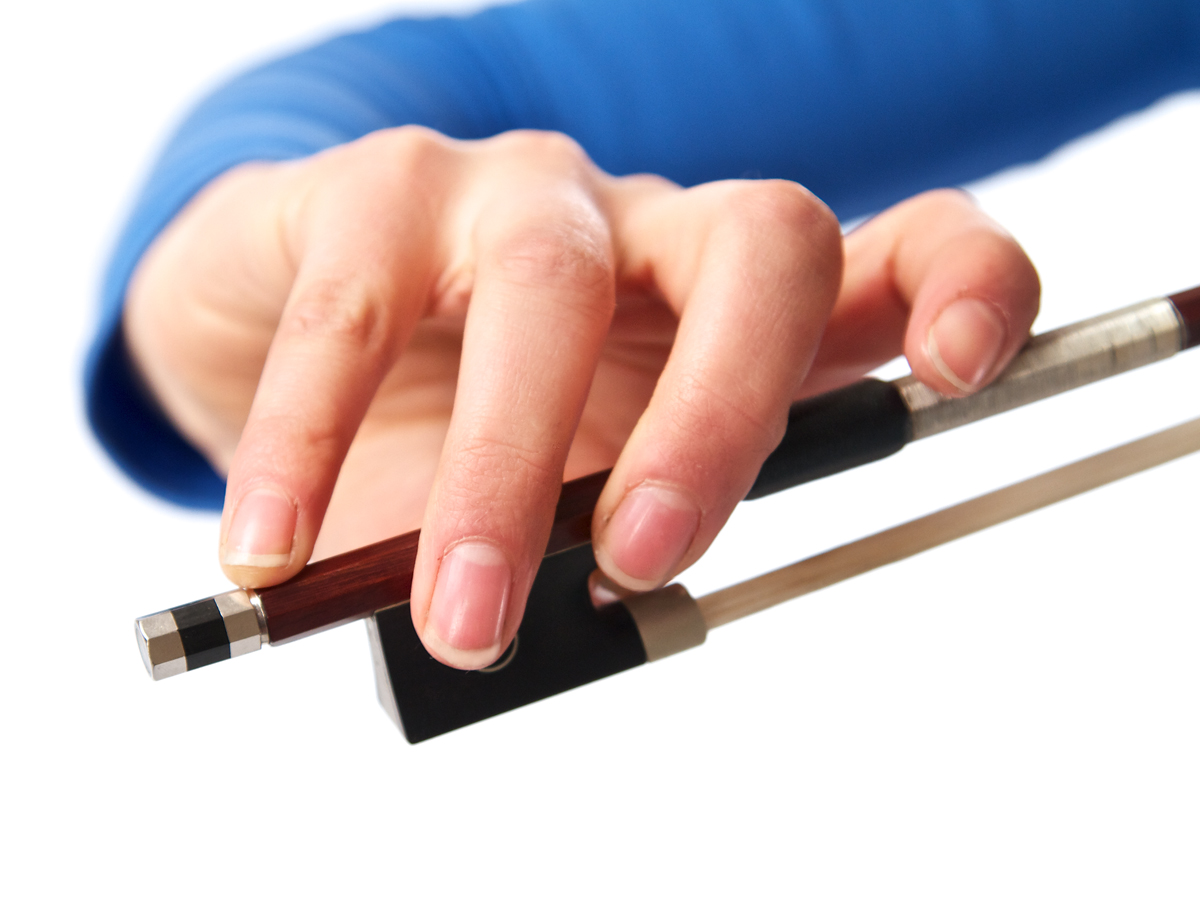
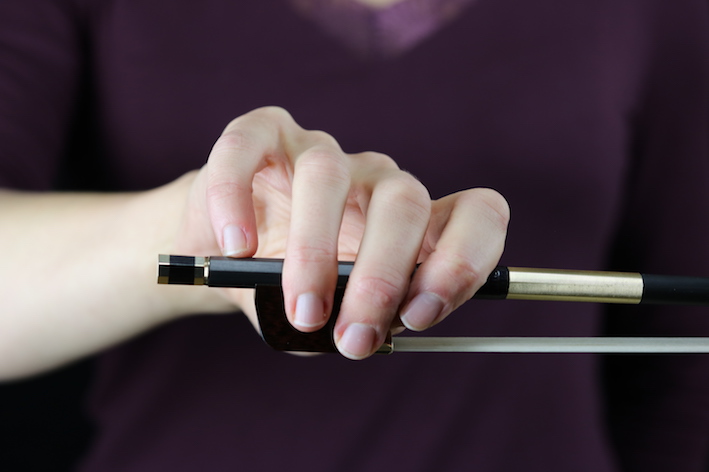
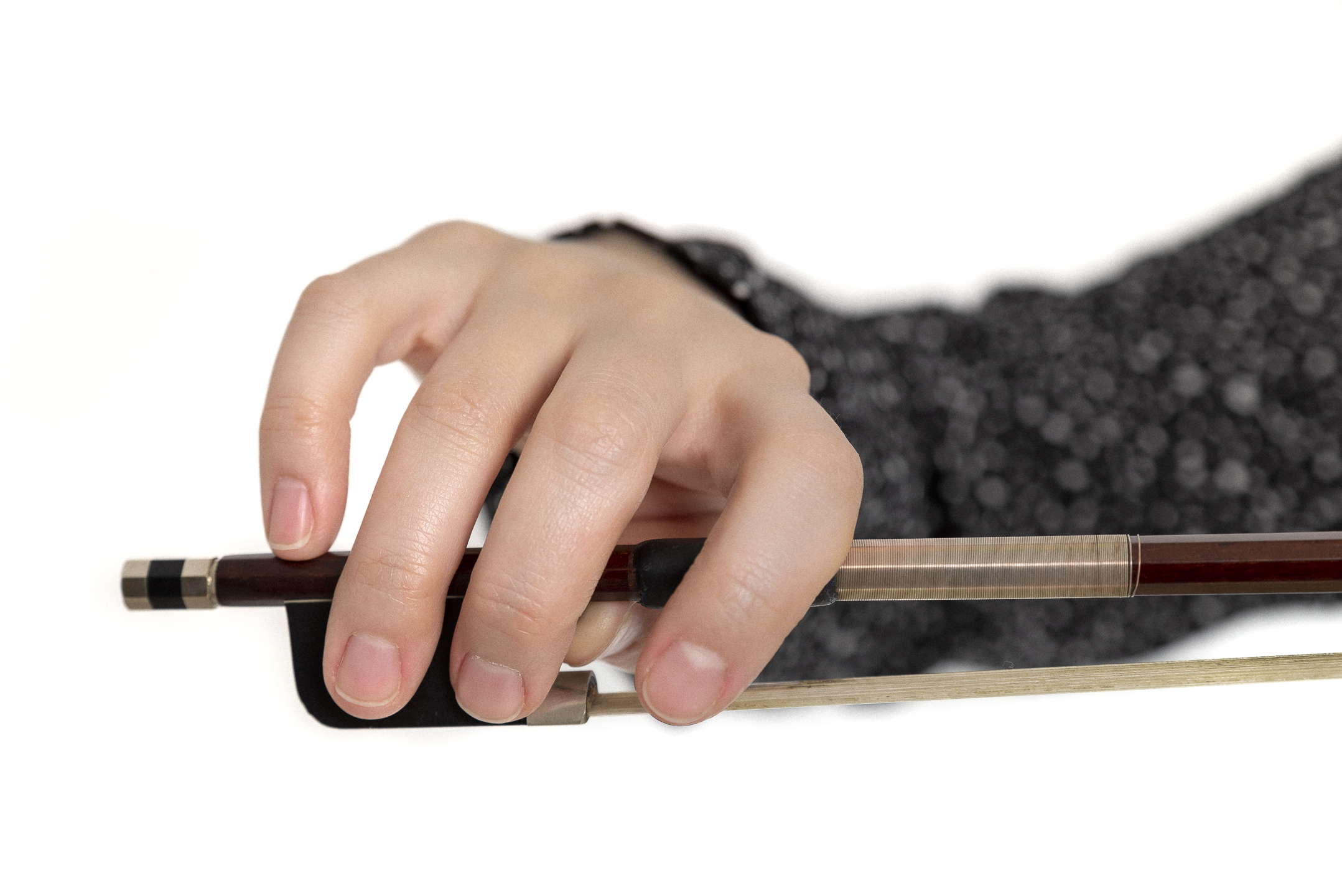
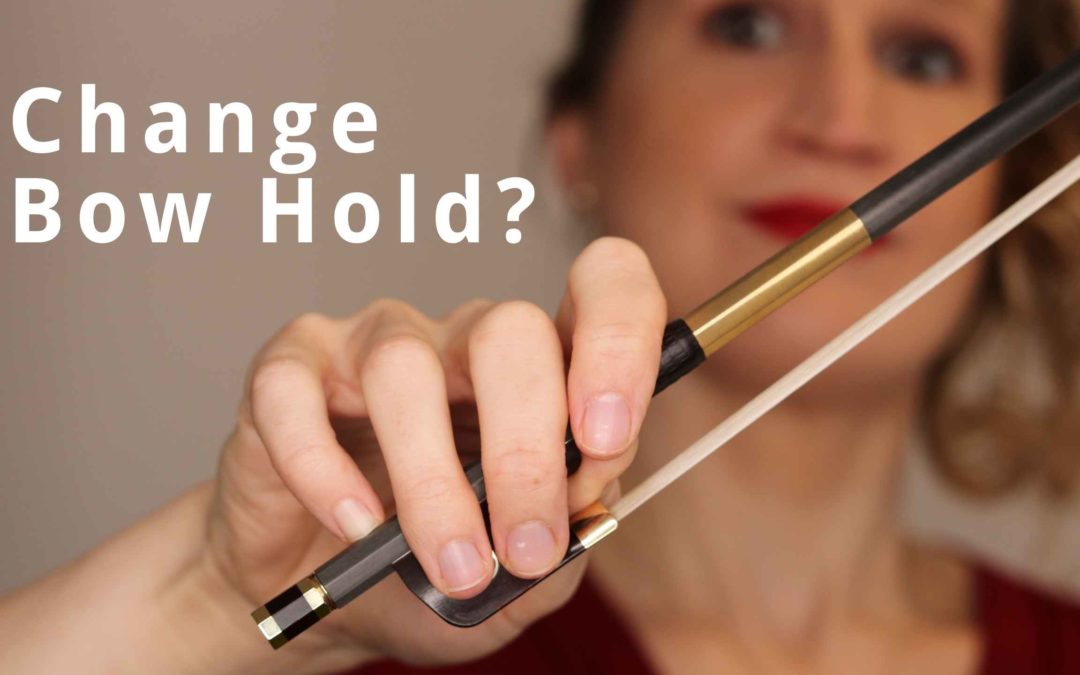
The traditional bow hold, often called the German bow hold (though many modern players use variations), is a good starting point. Your index finger rests on the stick, your middle and ring fingers curl around it, and your pinky rests lightly on top of the screw. Your thumb is gently curved underneath.
Mastering the Bow Hold
Let's break down that bow hold. Start by relaxing your hand and arm. Imagine you're letting your arm hang loosely by your side. Now, gently bring your hand towards the bow, as if you're going to pick it up.
Your thumb should be slightly bent and placed on the underside of the stick, near the frog (the part you hold). It’s the anchor, but a gentle one. Your index finger rests on top of the stick, somewhere between the frog and the middle of the bow. This finger is crucial for controlling pressure and dynamics.
Your middle and ring fingers then naturally fall over the stick, and your pinky rests lightly on the screw at the end. The key is lightness. You’re not squeezing; you're balancing. The bow should feel like an extension of your hand, not a separate entity.
One fun fact: the hair on the bow is typically made from horsehair. The friction created by the rosin (a sticky substance applied to the hair) on the strings is what produces the sound. So, in a way, you’re harnessing the power of a horse to create beautiful music!
A common beginner mistake is holding the bow too tightly, which leads to a scratchy, unrefined sound. This is where the concept of "weight" comes in. You're not pushing down with force; you're allowing the natural weight of your arm and the bow to do the work. It’s like gravity assisting you.
Try this: hold the bow loosely and let it rest on the strings. Feel the weight. Now, gently move your arm and hand. You should be able to produce a clear, resonant sound with minimal effort. If you’re forcing it, you’re probably gripping too tightly.
Bow Technique: The Art of the Draw
Holding the bow is just the first step. The real magic happens when you start to move it. This is called bowing. The two main directions are down-bow (from frog to tip) and up-bow (from tip to frog).

When you draw a down-bow, think of a smooth, flowing motion. Your arm should move from your shoulder, with your elbow and wrist acting as flexible hinges. The bow should be perpendicular to the strings, gliding smoothly without digging in or skidding. Imagine you’re painting a long, beautiful line of sound across the violin.
An up-bow is the reverse. Again, keep it fluid and controlled. Many find the up-bow a bit trickier to get a full, resonant sound. It requires a slight adjustment in your wrist and finger pressure. Think of it as a gentle lift, rather than a push.
Varying the speed and pressure of your bow strokes allows you to create different dynamics – from a whisper-soft pianissimo to a powerful fortissimo. This is where your musicality truly comes into play. It's like a painter choosing different brushes and colors to create their masterpiece.
Practical Tips for Success
Don’t be discouraged if it feels awkward at first. Every single violinist, from virtuosos to your local orchestra members, went through this stage. Patience and consistent practice are your best friends.
Tip 1: Mirror, Mirror on the Wall. Practice in front of a mirror. This will help you see your posture and your bow hold, allowing you to make adjustments in real-time. It’s like having a personal coach observing your every move.
Tip 2: Relax, Relate, Release. If you find yourself tensing up, stop. Take a deep breath, shake out your arms and shoulders, and then try again. Tension is the enemy of good violin playing.
Tip 3: The Sound Check. Focus on the sound you’re producing. Is it clear and resonant? Or is it scratchy and weak? Listen critically and adjust your bow pressure and speed accordingly.
Tip 4: Short and Sweet (Practices). It's better to practice for 15-20 minutes every day than for two hours once a week. Consistency builds muscle memory and develops your ear.
Tip 5: Seek Guidance. If possible, get a few lessons from a qualified violin teacher. They can spot subtle issues with your posture and bow hold that you might not notice yourself. It’s like getting insider tips from a seasoned pro.
Remember that the violin and bow are not adversaries to be conquered, but partners in a dance. The more you understand their mechanics and your own body's capabilities, the more beautiful and effortless the music will become.
It’s easy to get caught up in the technicalities, the correct angles, and the perfect pressure. But at the heart of it, holding a violin and bow is about establishing a connection. It’s about learning to communicate with an instrument that has a soul of its own.
This might sound a bit cheesy, but think about your morning coffee. You don't just gulp it down; you hold the mug, feel its warmth, inhale the aroma. It’s a moment of mindfulness, a gentle ritual. Learning to hold your violin and bow is similar. It’s about being present, about appreciating the feel of the wood, the tension of the strings, the weight of the bow. It’s about finding that quiet space where you and the instrument can begin to sing together.
And just like that first sip of coffee can set the tone for your entire day, those first moments of holding your violin with confidence and ease can set the stage for a lifetime of musical joy. So, relax, embrace your instrument, and let the music begin!