
How To Hold A Ping Pong Paddle

So, you've found yourself in the thrilling world of ping pong, or maybe you just inherited a paddle and are wondering, "What do I even do with this thing?" It’s a totally valid question! That little rectangular piece of wood (or, you know, composite material) with a rubbery surface might seem simple, but there's a whole universe of nuance in how you actually hold it. Forget those intense, laser-focused pros you see on TV for a second. Let's get down to the nitty-gritty, the chill way to get a grip on your paddle.
Think of it this way: you wouldn't try to hug a cat the same way you'd hug a teddy bear, right? Different tools, different techniques. Holding a ping pong paddle is kind of like that. There are a few main ways to do it, and each one unlocks a slightly different flavor of gameplay. It’s not about being "right" or "wrong" as much as it is about finding what feels natural and effective for you.
The Classics: Shake Hands and Penhold
The two most common ways people hold a ping pong paddle are the shake-hand grip and the penhold grip. Let's break 'em down.
Must Read
The Shake-Hand Grip: Like a Friendly Handshake
This is probably the most intuitive grip for most people, especially if you've played other racket sports like tennis or badminton. It's called the shake-hand grip because, well, it looks a lot like you're about to shake someone's hand. Pretty straightforward, huh?
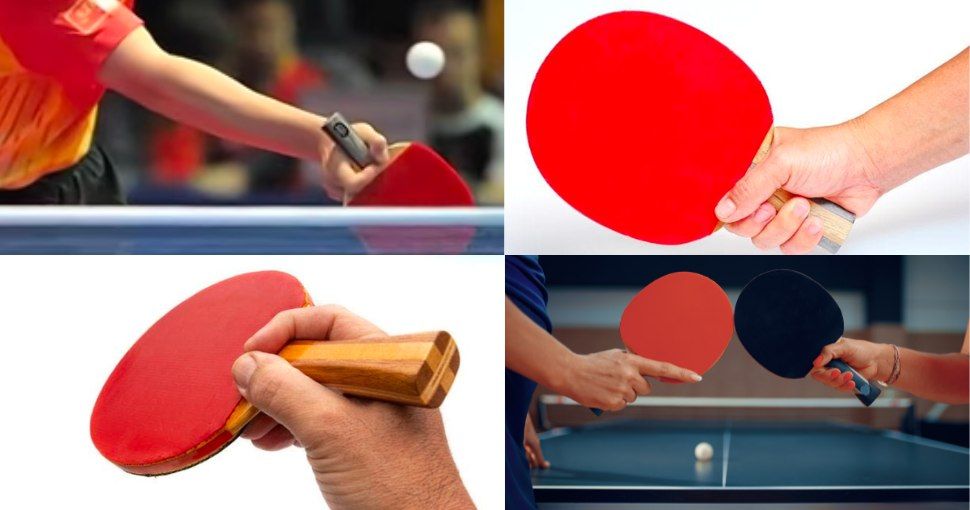
Here’s the deal: you basically hold the paddle like you would expect to shake hands. Your thumb rests comfortably on one side of the blade, and your index finger rests on the other. The rest of your fingers curl naturally around the handle. It’s relaxed, it’s familiar, and it’s a fantastic starting point for anyone getting into the game.
Why is it so popular? For starters, it offers a great balance for almost every shot in ping pong. You can easily swing for a powerful forehand, flick a quick backhand, and even get a decent flick on a serve. It’s like the Swiss Army knife of grips – versatile and reliable.
Think about the range of motion you get with this grip. Your wrist has a lot of freedom to move, which is super important for adding spin to the ball. You can really get under it for that fancy topspin or brush across it for a wicked backspin. It's all about that wrist action, and the shake-hand grip lets you really unleash it.

Imagine you're trying to paint a masterpiece. With the shake-hand grip, your whole arm and wrist are your brushes, capable of making broad strokes and fine details. It’s a dynamic grip that allows for a lot of expressiveness on the table.
The Penhold Grip: Like Holding a Pen to Write a Victory Note
Now, let’s venture into the slightly more exotic (to Western eyes, anyway!) penhold grip. This one looks just like what it sounds like – you hold the paddle like you're holding a pen or a chopstick. Your thumb and index finger pinch the handle, and the other fingers wrap around the back.
It's a grip that's super popular in Asia, and for good reason. It allows for some incredibly quick and precise wrist movements, especially for forehand shots. Players with a penhold grip can often whip their wrist around for an astonishing amount of spin and speed on the ball.
There are a couple of variations of the penhold grip, too! Some players tuck their fingers neatly together, while others spread them out a bit more for extra control. It’s all about finding that sweet spot where the paddle feels like an extension of your hand.

The biggest advantage here? Often, a penhold player can bring their paddle around much faster than a shake-hand player for their dominant side. Think of it like a fencer’s quick lunge – that rapid wrist flick can catch an opponent off guard. It’s all about that explosive power and precision.
But here’s the catch, and it's a fun one to think about: the backhand shot can be a bit trickier with a traditional penhold grip. Some players develop a special "reverse penhold backhand" technique, which is super cool to watch. It's like learning to write with your non-dominant hand, but on steroids. It requires a lot of dedication and practice, but when they nail it? Chef's kiss!
Beyond the Basics: Finding Your Comfort Zone
While shake-hands and penhold are the big two, don't feel like you're locked into them forever. As you play more, you might find yourself naturally adjusting your grip. Maybe your thumb angles a little differently, or your index finger finds a new resting spot. That’s all part of the fun!
Think of it like finding your favorite way to hold your coffee mug. Some people grip it with their whole hand, others loop a finger through the handle. There’s no "wrong" way if it feels good and it gets the job done, right? Your ping pong paddle grip is the same.
The key is to find a grip that feels comfortable, allows you to move your wrist with a good range of motion (especially for spin!), and gives you enough control over where the ball goes. If your hand feels like it's cramping up or you can't quite get the angle you want, it might be time for a slight adjustment.
Experimentation is your best friend here. Try holding it a little looser, a little tighter, with your index finger slightly higher or lower. See how each little change affects the feel and the way you can swing. It’s like tweaking the settings on a musical instrument to get the perfect sound.
Why Does It Even Matter? The Magic of Spin and Control
So, you might be asking, "Why all this fuss about how I hold this thing?" Well, it boils down to two magical words: spin and control. These are the secret sauce of ping pong, and your grip is your key to unlocking them.
When you hit the ball, you're not just pushing it. You're imparting spin. Imagine a tiny, invisible propeller on the ball. Topspin makes it dip down, backspin makes it float up or skid, and sidespin makes it curve in the air. The way you angle your paddle face, which is heavily influenced by your grip, determines the type and amount of spin you put on the ball.
And control! It's not just about smashing the ball as hard as you can. It's about placing it exactly where you want it on the table. A good grip gives you the fine motor control to steer the ball, to aim for those tricky corners, or to just softly lob it over the net when your opponent is out of position. It’s the difference between a wild shot and a winning shot.

Think of a golfer’s grip on their club. Even small adjustments can drastically change the trajectory of the ball. Ping pong is similar. Your grip is your fundamental connection to the paddle, and through it, you connect with the ball.
Putting It All Together: Just Play!
Honestly, the best way to figure out how to hold a ping pong paddle is to just play. Grab a paddle, find a table (even if it's just a makeshift one!), and start hitting the ball. Don't worry about doing it "perfectly" at first.
Pay attention to what feels comfortable in your hand. Does your wrist feel free to move? Can you generate a little bit of spin? Are you able to keep the ball on the table most of the time? These are all good signs.
If you're feeling adventurous, try both the shake-hand and penhold styles for a bit. See which one resonates with you. Maybe you'll find you’re a natural penhold player, or maybe the familiar shake-hand grip just feels like home.
Ultimately, holding a ping pong paddle is about finding that sweet spot where comfort, control, and the ability to put some wicked spin on the ball all come together. It’s a journey of discovery, and the best part is, the journey involves a lot of fun rallies! So, go forth, grip your paddle with confidence, and let the good times (and the good shots) roll!

