How To Hair Dye Out Of Clothes
Oh, the vibrant hues of hair dye! They promise a fresh start, a pop of personality, a little rebellion against the mundane. But let's be real, sometimes that pop lands squarely on your favorite t-shirt or the pristine white sofa. It's a moment of panic, a silent scream in the middle of a perfectly good at-home salon session. Don't fret, fellow adventurers of adventurous hair! That rogue splotch of indigo or that accidental streak of flamingo pink doesn't have to be a permanent fashion faux pas. We’re here to navigate the sometimes-tricky waters of hair dye removal from fabric, with a dash of chill and a whole lot of practical know-how.
Think of it as an unexpected plot twist in your day. You're trying to channel your inner Beyoncé with a bold new shade, and instead, you become a spontaneous abstract artist on your laundry. It happens to the best of us. Remember that scene in Friends where Phoebe tried to dye her hair, and it went hilariously wrong? While we might not have the comedic genius of a sitcom, we can definitely channel some of that resourceful spirit to salvage our garments.
The First Responders: Immediate Action is Key!
Alright, deep breaths. The absolute most important thing when you spot a hair dye stain on your clothes is to act fast. Like, faster than you can say "oops." The longer that dye sits, the deeper it seeps into the fabric fibers, making its eventual departure a more arduous journey. So, when the color catastrophe strikes, don't just sigh and toss the item aside for later. Grab it, assess the damage, and let’s get to work.
Must Read
Consider this your emergency styling kit. The quicker you can intervene, the higher your chances of a spotless victory. It’s like that moment in a heist movie when the alarm is about to go off, and you have to disarm the laser grid. This is your laser grid moment!
The Cold, Hard Truth: Cold Water is Your Friend
Your initial instinct might be to blast the stain with hot water, thinking it'll dissolve the color. Hold up, speed racer! Hot water can actually set certain types of dyes into the fabric, making them even more stubborn. Instead, reach for the cold water. Gently dab (don't rub, we'll get to that!) the stained area with a clean cloth or paper towel soaked in cold water.
This is all about dilution. You're trying to lift as much of the fresh dye out as possible before it has a chance to bond. Think of it as gently coaxing the color away, rather than forcing it. Imagine trying to get glitter off your skin after a craft project – a gentle approach is usually more effective than vigorous scrubbing.
Pro Tip: If the garment is white or a light color, you might want to put a few paper towels underneath the stained area as you dab. This prevents the dye from bleeding through to another part of the clothing.
When Dilution Isn't Enough: The Power of Household Heroes
So, you've done the cold water dab, and while it helped, there’s still a faint ghost of color haunting your threads. No worries, we’ve got a whole arsenal of household heroes ready to join the fight. These are the tried-and-true remedies that have been saving our laundry from sartorial meltdowns for generations.
Dish Soap: The Degreasing Dynamo
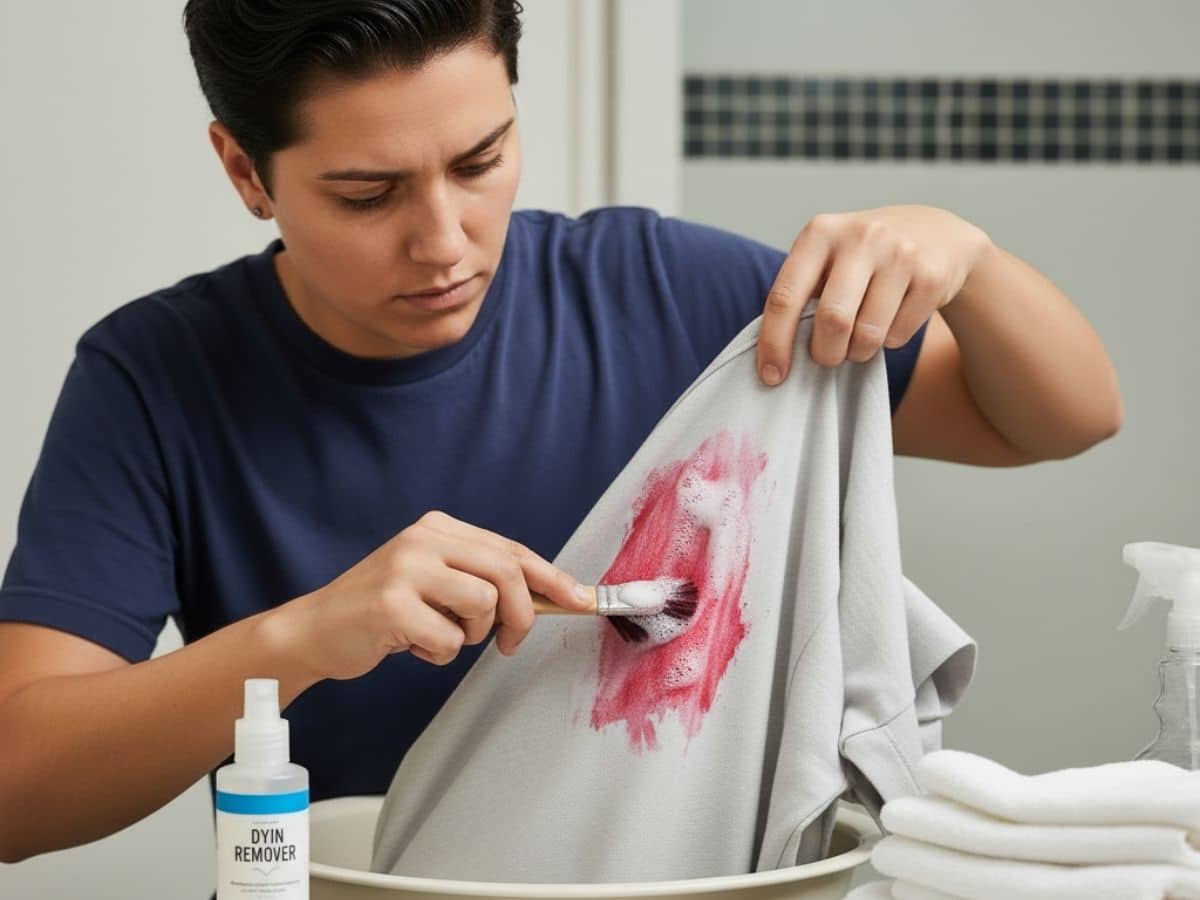
Yes, dish soap! That trusty bottle under your sink is more powerful than you think. The degreasing agents in dish soap can often break down the pigments in hair dye. Apply a small amount of liquid dish soap directly to the stain. Gently work it into the fabric with your fingers or a soft brush (like an old toothbrush). Let it sit for about 5-10 minutes, then rinse thoroughly with cold water.
This is particularly effective for dyes that have an oil-based component. It’s like giving your garment a mini spa treatment, but instead of cucumber slices, it’s getting a good ol’ sudsy scrub-down. Plus, think of all the dishes you've cleaned with it – it's got a proven track record!
Baking Soda Paste: The Gentle Abrasive
Baking soda is a wonder ingredient, and it can work its magic on fabric stains too. Mix a paste of baking soda and water (aim for a consistency similar to toothpaste). Apply this paste generously to the stained area and let it sit for at least 30 minutes, or even a few hours for tougher stains. The baking soda acts as a mild abrasive, helping to lift the dye out.
Once the paste has dried or sat for a while, gently brush it off and then rinse the area with cold water. This method is great because it’s relatively gentle on most fabrics. It’s like giving your clothes a gentle exfoliating treatment, helping to slough off that unwanted color.
Vinegar: The Acetic Ace
White vinegar is another kitchen staple that can be a lifesaver. Mix a solution of equal parts white vinegar and water. Soak the stained part of the garment in this solution for about 30 minutes. Then, gently scrub the stain with a soft brush before rinsing thoroughly with cold water. The acidity of the vinegar can help break down the dye pigments.
Some people even swear by using undiluted white vinegar directly on tougher stains, but always do a patch test in an inconspicuous area first to ensure it doesn’t damage the fabric color or texture. It’s a classic for a reason, much like a perfectly brewed cup of tea – reliable and effective.
The Heavy Hitters: When You Need a Little More Oomph
If the household heroes aren't quite cutting it, don't despair. We have a few more potent weapons in our arsenal, but these require a bit more caution. Always, always, always test these on an inconspicuous spot first, and follow the product instructions religiously.

Rubbing Alcohol (Isopropyl Alcohol): The Solvent Specialist
Rubbing alcohol can be surprisingly effective at dissolving hair dye pigments. Apply a small amount to a clean cloth or cotton ball and gently dab the stain. Work from the outside of the stain inward to prevent it from spreading. Rinse the area thoroughly with cold water afterwards.
Be mindful that alcohol can sometimes fade or damage certain delicate fabrics, so a patch test is absolutely crucial here. Think of it as a strong solvent, like the kind you’d find in an artist's studio – powerful, but needs careful handling. It's like the cool, edgy friend who can get things done, but you have to be a little careful around them.
Non-Acetone Nail Polish Remover: The Targeted Takedown
Similar to rubbing alcohol, non-acetone nail polish remover can also help lift dye. Again, apply to a cotton ball or cloth and dab the stain. Avoid harsh rubbing. Rinse well with cold water. It’s important to use the non-acetone variety because acetone can be quite harsh on fabrics.
This is best for smaller, more localized stains. It’s a precision tool, not a broad-spectrum cleaner. Think of it like using tweezers to remove a splinter – you’re going in for a targeted fix.
Oxygen Bleach (Color-Safe Bleach): The Brightening Braveheart
For stubborn stains on colorfast fabrics, an oxygen bleach (often marketed as color-safe bleach) can be a lifesaver. Follow the product instructions carefully. Usually, you’ll mix it with water and let the garment soak. Oxygen bleach works by releasing oxygen molecules that break down the stain without stripping the color from the fabric itself.
This is generally safer for colors than chlorine bleach, but a patch test is still highly recommended. It’s the superhero of stain removal, swooping in to save the day when other methods fail, but it still needs to be handled with respect.
The Washing Machine Gambit: The Final Frontier
After you've pre-treated the stain, it's time to send the item for its usual wash. Wash the garment as normal, using your regular detergent and the recommended water temperature for that fabric. If the stain was particularly stubborn, you might consider adding a laundry booster or an extra rinse cycle.
Crucially: Do NOT put the item in the dryer until you are absolutely sure the stain is gone. Heat from the dryer will set any remaining dye, making it practically impossible to remove. Air dry the garment and inspect it in good light. If the stain persists, repeat the treatment process. This is where patience truly pays off.
It’s like waiting for a movie to end before you can discuss the plot twists. You need to see the final result before you can celebrate or decide if another viewing (or treatment!) is necessary.
A Note on Different Fabrics: Tread Lightly!
It’s essential to remember that different fabrics react differently. Delicate fabrics like silk, wool, or rayon will require a gentler approach. Always start with the mildest methods (cold water, dish soap) and patch test meticulously before escalating. For tougher fabrics like cotton or linen, you have a bit more leeway.
If you're dealing with a brand-new item, check the care label for any specific instructions or warnings. It's always better to be safe than sorry. Imagine trying to handle a delicate pastry – you wouldn't use the same pressure as you would a brick, right? Same principle applies here.
When All Else Fails: The Professional Touch
If you’ve tried everything and the stain is still stubbornly clinging on, it might be time to call in the professionals. A good dry cleaner can sometimes work wonders on fabric stains that are beyond the scope of home remedies. They have access to specialized solvents and techniques that can tackle even the most challenging marks.

This is your last resort, your "call the cavalry" moment. But sometimes, the expertise of a professional is worth the investment, especially for beloved or expensive garments. It's like calling a mechanic for a car issue you can't diagnose – sometimes you just need an expert eye.
A Little Something Extra: Fun Facts and Cultural Notes
Did you know that the history of hair dyeing dates back to ancient Egypt? Cleopatra herself was rumored to use henna, a natural dye, to achieve her signature reddish-brown locks. Talk about a timeless beauty secret! And the vibrant, synthetic hair dyes we use today only really became popular in the early 20th century, revolutionizing the way people expressed themselves through their hair.
The accidental dye stain on clothing is almost a rite of passage for anyone who enjoys a bit of DIY hair color. It’s a small, common frustration that connects us all. It’s the sartorial equivalent of stubbing your toe – annoying, but universally understood.
A Gentle Reminder for the Future: Prevention is Pretty Sweet
While we've covered the cleanup, a little preemptive strike can save you a lot of hassle. When you're dyeing your hair, wear old clothes that you don’t mind getting a little (or a lot) colorful. Drape an old towel around your shoulders, and use petroleum jelly to protect your hairline and ears. These simple steps can significantly reduce the risk of those unwanted dye transfers.
Think of it as putting on a raincoat before a storm. It’s about being prepared and minimizing potential damage. A few minutes of preparation can save you hours of stain-fighting later.
Wrapping It Up: The Beauty of Resilience
So, there you have it. That rogue splotch of hair dye on your clothes doesn't have to be the end of the world. With a little patience, the right techniques, and perhaps a dash of household ingenuity, you can often rescue your favorite garments. It's a reminder that even in those small, unexpected mishaps, we have the power to adapt and overcome.
Just like in life, sometimes things get a little messy. We spill, we stain, we make mistakes. But the real beauty lies in our ability to clean ourselves up, learn from the experience, and emerge, perhaps a little wiser, and definitely with cleaner clothes. After all, life is too short for stained shirts and regrets. Go forth and conquer those color catastrophes with confidence (and maybe keep a good stain remover handy!).