How To Get Rid Of Watery Eyes

So, you’ve been experiencing those pesky watery eyes, huh? It’s that feeling when your eyes start to produce a little too much sparkle, almost like you’re starring in a dramatic movie scene at the most inconvenient times. Maybe it happens when you’re chopping onions, or perhaps it's just… randomly. Ever wondered why our eyes decide to unleash their inner waterworks? It’s actually a pretty fascinating biological dance!
Think of your eyes like tiny, super-efficient cleaning stations. They’re constantly producing tears, and for a good reason! These aren't just sad-tears; they're lubricating tears, protecting tears, and even anti-bacterial tears. They keep everything smooth, wash away dust and debris, and fight off little microscopic baddies. It’s like a tiny, invisible windshield wiper system, always keeping your vision crystal clear. Pretty neat, right?
But sometimes, this amazing system goes a little haywire. When your eyes feel irritated, or something’s just not quite right, they can kick into overdrive. It’s like when your car’s windshield wipers get stuck on high speed, even when it’s not raining. So, what’s behind this sudden flood?
Must Read
The Usual Suspects: Why Are My Eyes So Weepy?
Let’s break down some of the common culprits. Sometimes, it’s as simple as a tiny speck of dust making its way into your eye. Your tears are like little emergency responders, rushing to the scene to flush out the intruder. It’s their job to keep things pristine, and they take it very seriously!
Then there are the environmental factors. Ever walked through a windy field or been exposed to smoke? These can be major triggers for watery eyes. The air might be irritating your delicate eye surface, and your tears are just trying to soothe the situation. It’s their way of saying, “Whoa there, buddy, that’s a bit much!”
Allergies are another big one. Pollen, pet dander, dust mites – these little guys can send your eyes into a teary frenzy. It’s like your immune system is throwing a party for your eyes, and the only party favor is an endless supply of tears. Not exactly the most glamorous of celebrations, is it?

And don't forget about digital eye strain. Staring at screens for hours on end can actually dry out your eyes. Ironically, to compensate for the dryness, your eyes might start overproducing tears. It’s a bit of a paradox, like trying to put out a small fire by pouring a gallon of water on it – sometimes too much of a good thing can be… well, too much!
So, How Do We Turn Down the Tap?
Okay, so we know why it happens, but how do we actually manage it? The good news is, often it’s something you can address with simple, at-home remedies. It’s not always a trip to the eye doctor, although if it’s persistent or painful, definitely get it checked out!
First things first, let’s consider the environment. If you’re in a dusty or smoky area, try to get to cleaner air. If it’s windy, maybe a pair of sunglasses can act as a protective shield for your precious peepers. Think of them as tiny, stylish force fields!

When it comes to allergies, this is where it gets interesting. You might want to explore over-the-counter allergy eye drops. These can work wonders by reducing the inflammation and irritation that’s triggering those extra tears. It’s like giving your eyes a little calming massage.
For those of us glued to our screens, the 20-20-20 rule is your new best friend. Every 20 minutes, look at something 20 feet away for at least 20 seconds. This gives your eyes a much-needed break and can help prevent that teary aftermath. It’s a small habit that can make a big difference in how your eyes feel.
And what about when your eyes are feeling dry? Artificial tears, also known as lubricating eye drops, can be a lifesaver. They mimic your natural tears and provide that much-needed moisture. It’s like giving your eyes a refreshing drink of water. Just make sure to choose preservative-free options if you’re using them frequently, as preservatives can sometimes cause more irritation.

If you suspect your watery eyes are due to a blocked tear duct, that’s a bit more of a specialized situation. Sometimes, gentle warm compresses can help things along. Imagine giving your eye a warm hug – it can be quite soothing and might help to unclog things naturally. But again, for anything persistent with tear ducts, it’s always best to consult a professional.
Sometimes, it’s as simple as a gentle eyewash. You can use a sterile saline solution to rinse your eyes. This can help wash away irritants and leave your eyes feeling fresh. It’s like giving your eyes a little spa treatment.
When to Seek Professional Help
Now, while most watery eye issues are minor, there are times when you should definitely reach out to an eye doctor. If your watery eyes are accompanied by pain, a sudden change in vision, redness that doesn’t go away, or a thick discharge, it’s time to get it checked out. These could be signs of something more serious, like an infection or a scratch on the cornea.
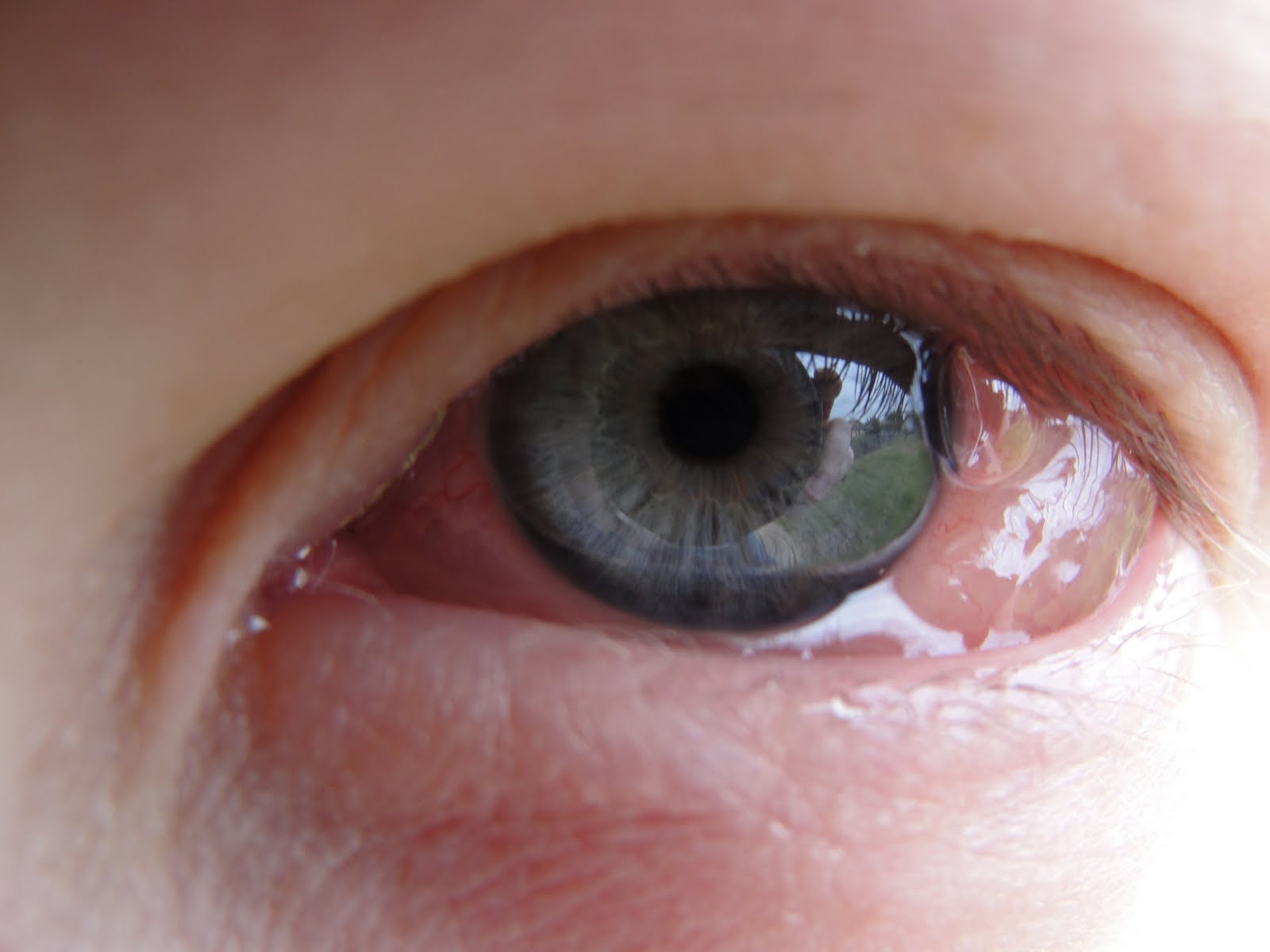
Your doctor can perform a thorough examination and figure out the exact cause of your watery eyes. They might be able to diagnose conditions like blepharitis (inflamed eyelids), dry eye syndrome, or even more significant issues. It’s always better to be safe than sorry when it comes to your vision!
And sometimes, even if it’s not a major issue, your doctor might have specialized treatments or prescription eye drops that can offer more targeted relief. They’re the experts, after all, and can guide you to the best solution for your specific needs.
Ultimately, watery eyes can be a bit of a nuisance, but understanding why they happen and exploring these simple remedies can often bring a welcome sense of relief. It’s a fascinating reminder of how our bodies work, and how even our smallest functions, like tear production, are incredibly important for our overall well-being. So next time your eyes get a little weepy, you’ll have a better idea of what’s going on and how to bring them back to their perfect, comfortable state!