How To Get Rid Of Sick Smell

Ah, the glorious aroma of sickness. It’s a scent so distinctive, so… unique, that it could probably win an award in a perfume competition, if only the judges had stronger stomachs. We've all been there, haven't we? You walk into a room, and BAM! It hits you. That subtle (or not-so-subtle) symphony of stuffy noses, achy throats, and… well, let's just say bodily fluids having a little party. It’s the olfactory equivalent of a toddler with a glitter bomb – messy, hard to ignore, and destined to linger.
But fear not, brave soldiers of domestic hygiene! Today, we’re embarking on a quest, a noble pursuit, a… frankly, slightly gross mission to banish the dreaded sick smell from your abode. Think of me as your personal scent-slayer, your aromatic avenger. Grab your metaphorical (and maybe literal) disinfectant wipes, and let’s get down to business.
Chapter 1: The Source – Because You Can't Fight What You Don't Know
First things first, we need to identify the perpetrator. Is it that fuzzy blanket that’s become a shrine to projectile vomiting? Is it the forgotten glass of questionable liquid on the nightstand? Or is it something… deeper? Like, the very essence of illness has somehow seeped into the upholstery?
Must Read
Let's be honest, sometimes the sick smell is just… there. It's like the ghost of colds past, haunting your living room. But often, it’s a physical thing. Your first line of defense is a thorough, albeit potentially nauseating, sweep of the crime scene. Check the usual suspects: bedding, clothes, anything your ailing loved one has been in close contact with. Think of yourself as a detective, but instead of fingerprints, you're looking for… well, let's call them 'biological signatures'.
The Laundry Pile: A Bacterial Bonanza
Your laundry basket is probably the number one offender. Those clothes, pajamas, and that ever-so-slightly damp tissue all combine to create a potent brew. Don't just toss them in the wash and hope for the best. Pre-treat is your friend.
For really stubborn smells, a good soak in hot water with a generous dose of baking soda or a specialist laundry sanitizer can work wonders. You know that feeling when you open the washing machine and the smell is still there? It’s like a cruel joke. We're aiming to avoid that.
And don't forget those plush toys! I know, I know, your kiddo loves Mr. Snuggles. But Mr. Snuggles might be harboring a secret life of germs. Many stuffed animals can go into a pillowcase and be tossed in the washing machine on a gentle cycle. Check the tags, folks! We don't want to turn Mr. Snuggles into a soggy, scent-laden disaster.

Chapter 2: Airing it Out – Let the Sunshine In (and the Stink Out!)
You know how they say fresh air is good for you? Turns out, it's also very good at kicking the sick smell to the curb. It’s like opening a window to tell the stink to pack its bags and find a new place to haunt.
Seriously, open those windows. Even on a chilly day, a good fifteen minutes of cross-ventilation can make a world of difference. Imagine the air molecules are tiny little bouncers, throwing the stink particles out the door. It’s a party, and the sick smell isn't on the guest list.
If you're feeling particularly ambitious (or if the smell is truly apocalyptic), consider a fan. Point it towards an open window and voila! You've just created your own personal wind tunnel of olfactory liberation. It’s like the Roomba of air purification, just with more breeze and less dust bunnies (hopefully).
Chapter 3: The Power of the Absorbents – Nature's Little Deodorizers
Sometimes, you need a little help from your friends. And by friends, I mean the incredible, unsung heroes of the kitchen and pantry: baking soda and vinegar.
Baking Soda: The Silent Killer of Odors
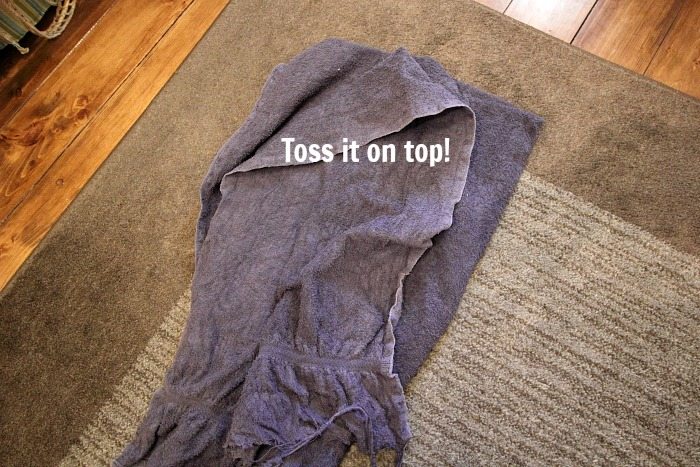
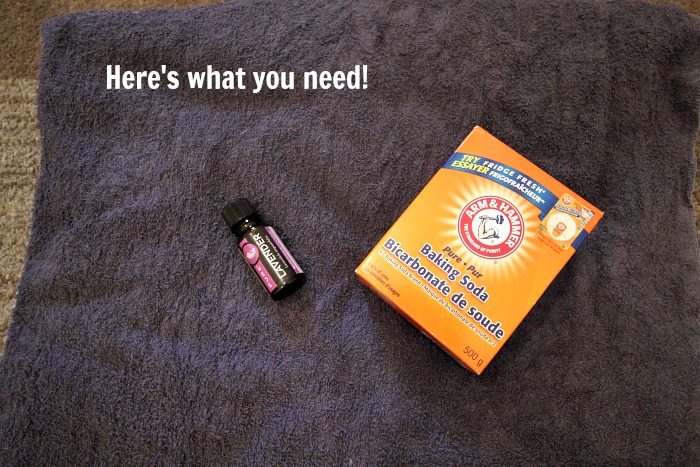
This stuff is like a tiny, powdery ninja for smells. You can put an open box (or bowl) of baking soda in the affected room. It's so unassuming, you might forget it's there, but it's silently working its magic, absorbing all those nasty molecules. Think of it as a tiny, smell-eating sponge.
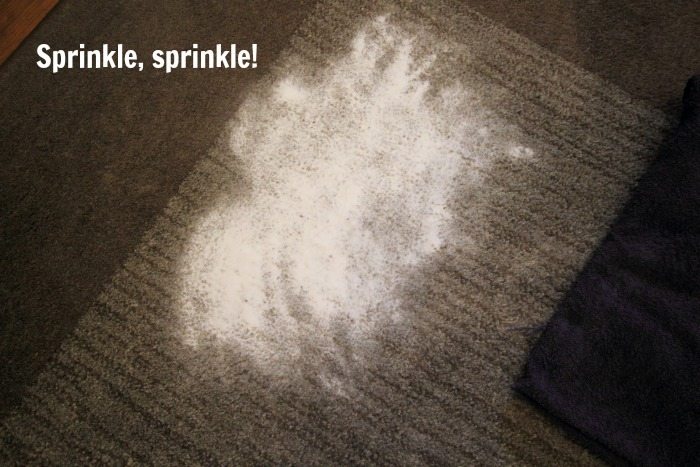
You can also sprinkle baking soda on carpets and upholstery, let it sit for a few hours (or overnight if you're brave), and then vacuum it up. It’s like a spa treatment for your furniture, minus the cucumber slices and awkward small talk.
Vinegar: The Tangy Tactician
Vinegar has a smell of its own, I'll grant you. It's… assertive. But once it dries, it takes the bad smells with it. You can create a simple DIY air freshener by boiling water with a cup of white vinegar. Let it simmer for a bit, and the steam will carry the vinegar molecules, which then bond with and neutralize the odor particles. It’s a bit like a vinegar fog, but a benevolent one.
For a more direct approach, you can also wipe down surfaces with a diluted vinegar solution. Just don't blame me if your cat gives you a suspicious look. They know.
Chapter 4: Scent-sational Solutions – Masking the Malaise (Temporarily!)
Now, let's talk about the fun stuff: making your house smell nice again. This is where you get to bring out the big guns – essential oils, candles, and the ever-reliable Febreze.
Essential Oils: Nature's Perfume for the Sickroom
Diffusing essential oils like eucalyptus, tea tree, or peppermint can not only add a pleasant aroma but also have some antimicrobial properties. Just a few drops in a diffuser can transform a stuffy room into a mini aromatherapy retreat. Imagine, recovering from the flu while feeling like you're at a fancy spa. It’s the dream, people!
You can also add a few drops to a spray bottle with water and spritz it around the room. Just be careful not to overdo it – we don't want to create a new, intensely floral sickness smell.
Candles and Sprays: The Quick Fixers
A good quality candle or a trusty air freshener spray can work wonders for a quick scent boost. But remember, these are often masking agents. They're like putting a tiny, fragrant band-aid on a gaping wound. They’ll make it smell better for a while, but you still need to address the underlying problem (the lingering germs).
Be mindful of strong, artificial scents, though. For someone who's already feeling a bit under the weather, a super-intense artificial fragrance can be overwhelming. Opt for something subtle and natural if possible.
Chapter 5: The Long Game – Preventing the Pungent Pests
The best way to get rid of sick smell is, of course, to prevent it from happening in the first place. This means good old-fashioned hygiene. Regular handwashing, sanitizing surfaces, and keeping your immune system in tip-top shape are your first lines of defense.
And when sickness does strike, act fast! Don't let those germs set up permanent residence and start redecorating with their olfactory contributions. Address spills immediately, wash bedding frequently, and keep those windows open. Think of it as a swift eviction notice for the stink.
So there you have it, folks. Your comprehensive guide to banishing the beastly, bothersome, and downright bewildering smell of sickness. Go forth, armed with baking soda and a sense of humor, and reclaim your home’s freshness. Your nostrils will thank you. And your guests? Well, they might just think you’ve hired a professional scent-freshener. But we know the real secret, don't we?
:max_bytes(150000):strip_icc()/SourcesofMoldandMildewintheHome-ce806df0302340cf9305715533e7ccb4.jpg)