How To Get Rid Of Period Stains

Hey there, gorgeous! So, we need to have a little chat. You know, one of those super-important, slightly-embarrassing-but-totally-necessary chats. We’re talking about those unwelcome guests that sometimes show up on your favorite underwear, your comfy pajamas, or even, gasp, your pristine white sheets. Yep, you guessed it – we're talking about period stains. Ugh, right? They’re like uninvited party crashers who leave a messy, crimson calling card. But don’t you worry your pretty little head about it! We’ve all been there, staring at that reddish-brown splotch with a mix of annoyance and a touch of "oh no, is this permanent?!" Good news, though: it’s usually not! Getting rid of period stains is way easier than you might think. Think of me as your friendly stain-fighting fairy godmother, here to sprinkle some magic (and a few practical tips) on your little red dilemmas.
First things first, let’s get one thing straight: accidents happen. Life isn’t always perfectly planned, and neither are our periods. So, if you’ve sprung a leak (literally!), take a deep breath. Panicking will only make the stain feel more formidable. Instead, channel your inner detective and get ready to solve this little mystery. We’re going to tackle these stains with grace, a bit of elbow grease, and some clever tricks up our sleeves. And honestly, the sooner you deal with it, the better. Letting a period stain set in is like letting a bad mood linger – it just gets harder to shake off.
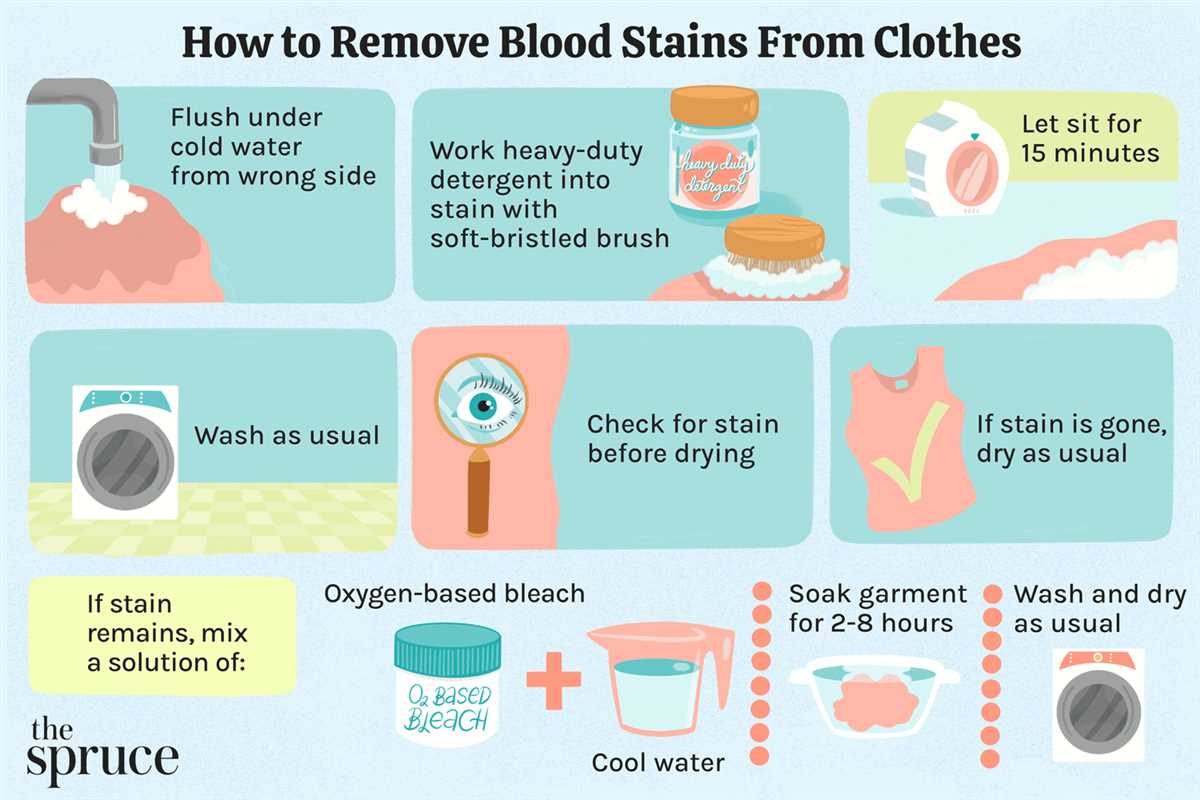
So, what’s the secret weapon in our stain-fighting arsenal? Cold water. I know, I know, it sounds almost too simple, right? But seriously, this is your absolute best friend when it comes to fresh period stains. Why cold water? Because warm water can actually cook the blood proteins, making them stick to the fabric like superglue. And nobody wants superglue-y blood stains. So, whenever you discover a stain, your first move should be to rinse it under cold, running water. Get as much of that blood out as you possibly can before anything else.
Must Read
Gently rub the fabric against itself under the water. Think of it as a mini spa treatment for your garment, but instead of cucumber slices, it’s a vigorous cold water massage. If it’s a really stubborn stain, you might need to let it soak for a bit. Fill a sink or a basin with cold water and let the stained item chill out in there for an hour or two, or even overnight if it’s a particularly persistent situation. This will help loosen up those dried-on bits. Remember, patience is a virtue, especially when it comes to stain removal!
Now, after the cold water rinse, if the stain is still hanging around like a lingering ex, it’s time to bring in the big guns. And by "big guns," I mean common household items that are surprisingly effective. One of the most readily available and super-effective options is hydrogen peroxide. You know, that stuff you use to clean cuts? It’s a bleaching agent, so it’s fantastic at breaking down blood stains. Just be a little cautious with it, especially on delicate or brightly colored fabrics, as it can cause some fading. Always do a patch test on an inconspicuous area first!
To use hydrogen peroxide, pour a small amount directly onto the stain. Let it bubble and fizz for a few minutes. You’ll see the stain start to lift. Then, rinse it out with cold water. You might need to repeat this process a couple of times for really tough stains. It’s like a little science experiment happening right in your sink! Just imagine the stain saying, "Oops, I've been spotted!" and dissolving away.

Another superhero in the stain-fighting world is baking soda. This humble pantry staple is a natural deodorizer and a gentle abrasive. You can make a paste by mixing baking soda with a little bit of cold water. Slather this paste all over the stain and let it sit for about 30 minutes to an hour. The baking soda will help lift and absorb the stain. Once it’s had its moment, gently scrub it off with a soft brush (an old toothbrush works wonders!) and then rinse with cold water.
This baking soda paste is particularly great because it’s usually safe for most fabrics, making it a reliable go-to. It’s like giving your garment a gentle exfoliation, but instead of revealing glowing skin, it’s revealing a stain-free surface. Who knew that dusty box in your pantry held such stain-removing power? It’s a true testament to the magic of simple ingredients!
If you’re feeling fancy and have some on hand, salt can also be your friend. Similar to baking soda, you can create a paste with salt and cold water. Apply it to the stain, let it work its magic for a while, and then gently scrub and rinse. Salt is a natural absorbent, so it’s really good at drawing out the moisture and the stain. Think of it as a tiny, salty sponge soaking up all the redness. It’s a bit of a less common trick, but it can be surprisingly effective!
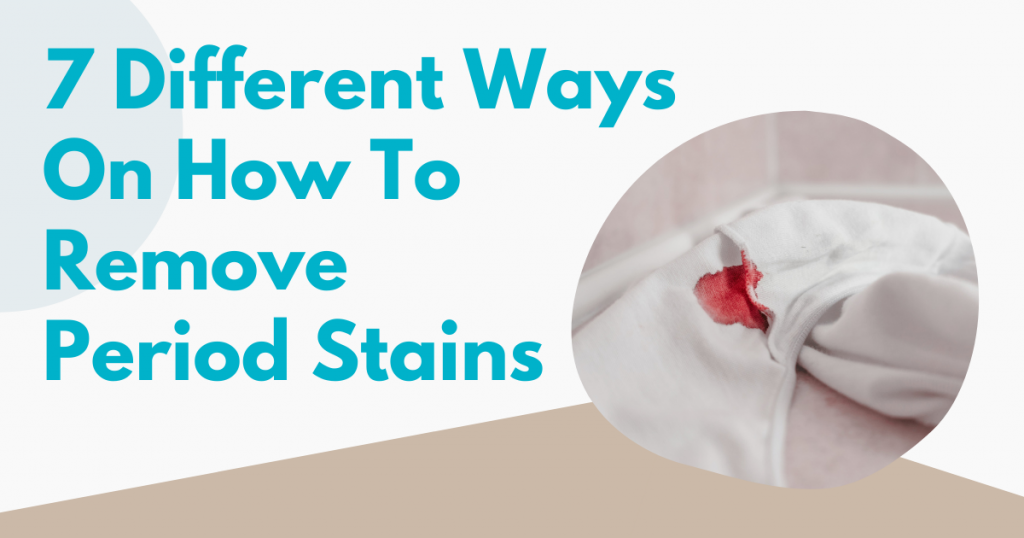
For those really persistent, set-in stains that just refuse to budge after all your efforts, you might need to bring out the heavy artillery: a dedicated stain remover. There are tons of excellent enzyme-based stain removers on the market. These are designed specifically to break down biological stains like blood, grass, and food. Just follow the instructions on the product, and usually, you’ll let it soak into the fabric for a bit before washing as usual.
When choosing a stain remover, look for one that specifically mentions its effectiveness against blood or protein-based stains. These are your best bet for tackling period stains. Remember to always read the label and use it in a well-ventilated area. We’re fighting stains, not giving ourselves a chemical facial!
Now, let's talk about the actual washing part. Once you’ve pre-treated your stain and it looks significantly better (or completely gone!), it’s time to toss the item into the washing machine. Always use cold water for the wash cycle, too. No exceptions! And add your regular detergent. If you’re feeling extra cautious, you can even add a little bit of baking soda or a laundry booster to the wash. It’s like giving your washing machine a super-powered boost!
After the wash cycle is done, here’s a crucial step: inspect the garment before you put it in the dryer. If the stain is still there, even faintly, do not put it in the dryer! The heat from the dryer will set the stain permanently, turning it into a badge of shame you’ll have to wear (or rather, not wear) forever. If you see any lingering traces, repeat the stain removal process with cold water and your chosen treatment. It might take a couple of rounds, but it’s worth it for that perfectly clean garment.

If the stain is gone, then hooray! You can proceed to drying your item as usual. Air drying is always a gentle option, especially for delicate fabrics, and it also gives you one last chance to admire your stain-free success before it goes back into your closet.
Sometimes, for those particularly tricky stains on delicate fabrics like silk or lace, you might want to consider a gentler approach. Instead of rubbing, try blotting. You can use a clean white cloth and gently dab at the stain with your chosen cleaning solution. This minimizes the risk of damaging the fabric fibers. It’s all about being strategic and knowing when to be firm and when to be gentle.
For stubborn stains on white items, a good old-fashioned sun soak can be incredibly effective. After you’ve washed the item, hang it out in direct sunlight. The UV rays from the sun have a natural bleaching effect that can help fade away any remaining discoloration. It’s nature’s laundry booster, and it’s totally free! Just make sure the fabric is completely wet when you hang it out for the best results.
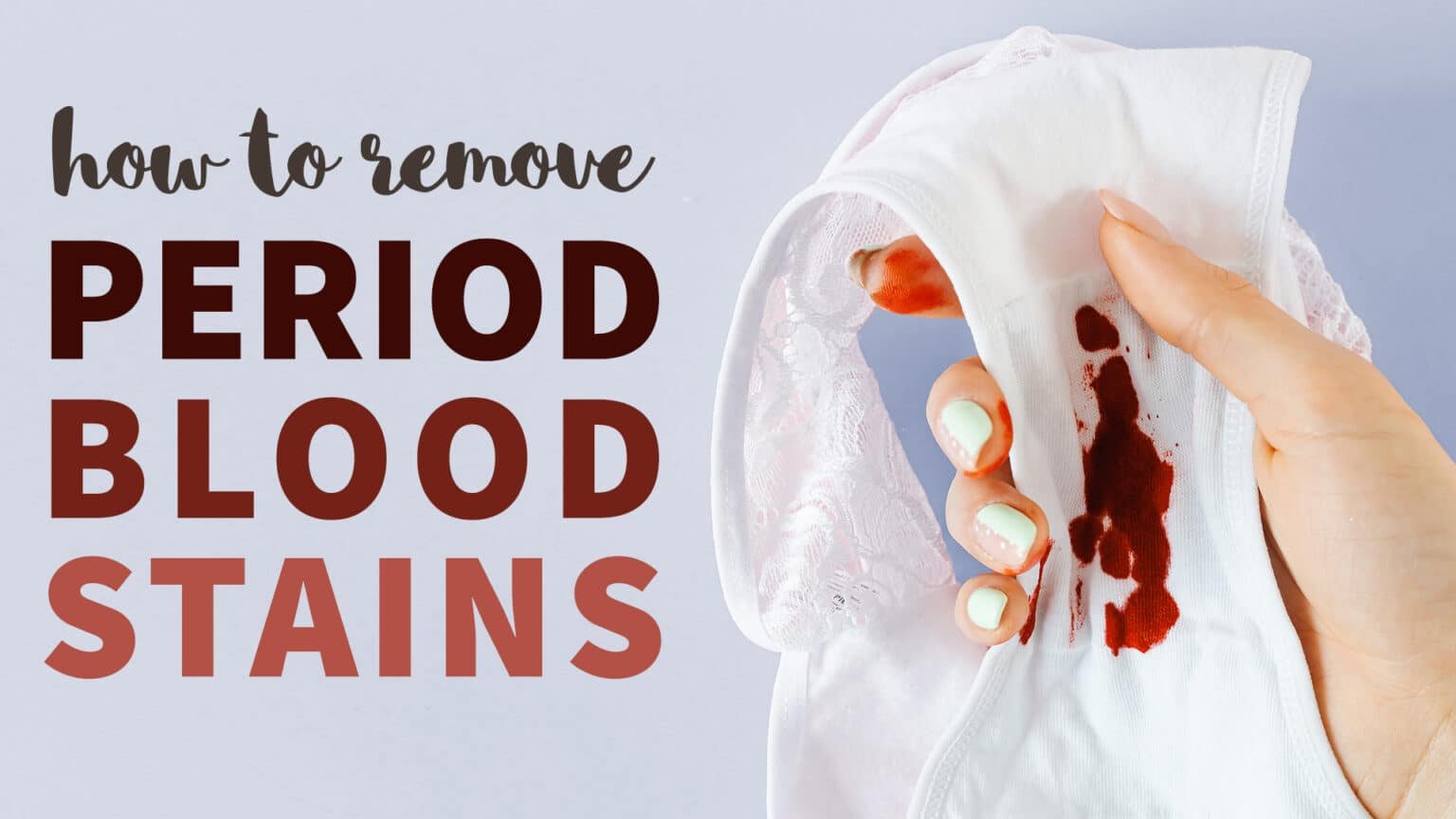
What about those really unfortunate, ancient stains that have been lurking in your laundry pile for ages? These are the toughest nuts to crack. For these, you might need to try a combination of methods. Start with the cold water rinse, then move on to a hydrogen peroxide soak, followed by a baking soda paste. You might even consider a commercial stain remover specifically designed for old stains. It’s a marathon, not a sprint, for these vintage marks!
And remember, prevention is always better than cure, right? While we can’t always predict when a stain will happen, keeping a small travel stain remover stick or some wet wipes in your purse or backpack can be a lifesaver when you’re on the go. A quick dab and rinse when the accident first occurs can make a world of difference in preventing a stubborn stain later on. It’s like having a tiny superhero in your pocket, ready to swoop in and save the day!
So, there you have it, my friend! A comprehensive, yet totally chill, guide to conquering those pesky period stains. From the power of cold water to the magic of baking soda, you’re now armed with the knowledge to tackle any crimson catastrophe. Remember, these little red surprises are a normal part of life, and dealing with them doesn’t have to be a drama. Think of each stain you remove as a small victory, a testament to your resourcefulness and your fabulous ability to keep things looking pristine.
You've got this! Go forth, embrace your inner stain-slayer, and know that your favorite undies and sheets are safe in your capable hands. And hey, if all else fails, remember that a really cute pair of polka-dot pajamas can disguise a multitude of sins. Wink, wink. Now go on and shine, knowing that you can handle anything life – or your period – throws at you, and come out squeaky clean on the other side. You’re amazing!