
How To Get Rid Of Mold Mites
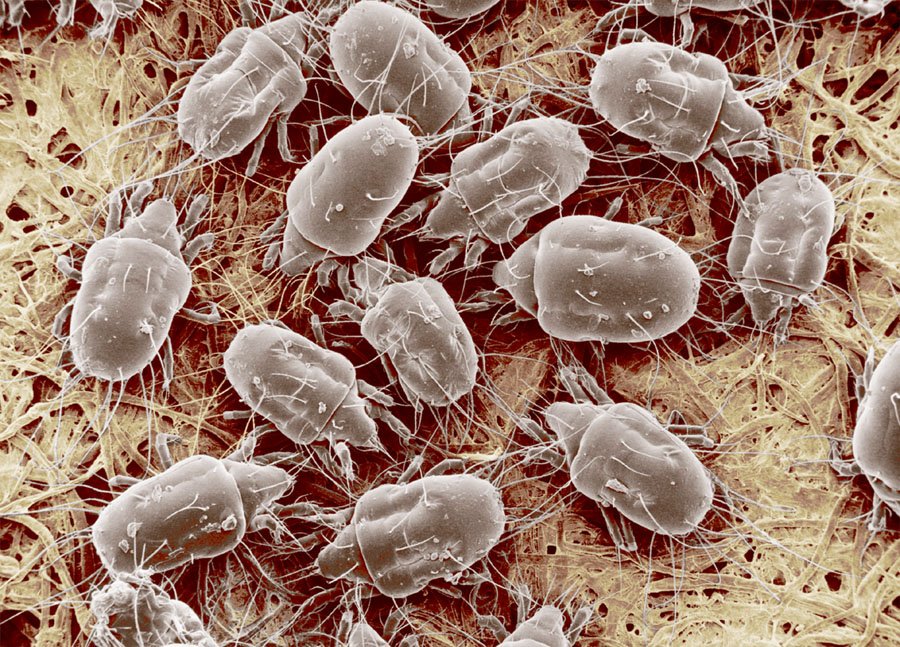
I remember the first time I noticed them. I was rummaging through a box of old books in the attic, the kind you hoard with the best of intentions, and I saw… movement. Tiny, almost imperceptible speckles skittering across the page. My first thought? Dust bunnies gone rogue. My second? A miniature invasion of something I couldn't quite identify. It wasn't until I squinted closer, armed with a magnifying glass and a healthy dose of unease, that I realized: they were mites. Mold mites, to be exact. Suddenly, my attic treasure hunt felt a lot less charming and a lot more… creepy-crawly.
So, you’ve found yourself in a similar predicament, haven't you? You’ve spotted these minuscule critters, probably in a damp corner, on a forgotten loaf of bread, or perhaps even lurking in your bathroom grout. The initial reaction is usually a mix of disgust and a burning desire to make them disappear. And let’s be honest, who wouldn't want that? They're not exactly the houseguests we invited.
If you’re anything like me, your brain immediately goes into overdrive. Are they dangerous? Will they infest my entire house? Do I need to burn everything down? (Okay, maybe that last one is a bit extreme, but the panic is real!) Fear not, fellow mite-battlers. While their presence is certainly unwelcome, mold mites aren't usually a cause for major alarm in the way, say, a colony of giant spiders might be. They're more of an indicator that something else is going on – namely, the presence of mold.
Must Read
And that, my friends, is the golden ticket to understanding how to get rid of mold mites. It's not just about zapping the tiny invaders themselves; it's about addressing the root cause of their existence. Think of it like this: if you have a leaky faucet, spraying water everywhere won't fix the problem. You need to find and fix the leak! Mold mites are the same. They're drawn to the mold like moths to a flame, so our mission, should we choose to accept it (and we really should), is to eliminate their food source.
The Tiny Terrors: What Exactly ARE Mold Mites?
Before we dive into the eradication process, let's get acquainted with our tiny adversaries. Mold mites, also known as "cheese mites" or "flour mites" depending on their preferred buffet, are microscopic arthropods. You’re talking about things so small they're barely visible to the naked eye. Seriously, they're the unsung heroes (or villains, depending on your perspective) of the decomposer world.
They thrive in humid environments with plenty of organic material to munch on. Think damp walls, neglected food items, even the dust that accumulates in neglected corners. They're not picky eaters, which makes them a bit of a nuisance. And while they don't typically bite humans or transmit diseases in the way some other tiny critters might, their presence can still be a sign of a larger issue, and some people can experience allergic reactions to them.

Interestingly, these little guys are incredibly resilient. They can reproduce at an alarming rate under the right conditions, which is why a small problem can escalate quickly if left unchecked. It’s like a tiny, silent army gearing up for a conquest of your pantry.
The Uninvited Guests: Where Do They Hang Out?
So, where are these microscopic mischief-makers likely to set up shop? Here are some of their favorite haunts:
- Damp areas: This is their absolute happy place. Bathrooms, kitchens, basements, laundry rooms – anywhere with a bit of moisture is prime real estate. Think around leaky pipes, condensation on windows, or even behind that slightly peeling wallpaper.
- Food storage areas: If you've ever found a dusty, slightly fuzzy patch on an old bag of flour, rice, or dried fruit, that could be a mold mite buffet. They love those dry goods!
- Compost bins: If you have an indoor compost bin, this is practically a five-star resort for mold mites. They're essential for the decomposition process, but you probably don't want them staging an exodus into your living space.
- Old books and paper: Like my attic discovery, these items can hold moisture and become breeding grounds if stored in less-than-ideal conditions.
- Potted plants: Overwatered plants and the soil they’re in can also be a haven for these tiny creatures, especially if there's mold growing on the surface.
Basically, anywhere with a bit of moisture and something organic for them to consume is fair game. It's a good idea to do a quick mental inventory of these areas in your home. Are any of them looking a little… neglected?
The Grand Plan: How to Evict the Mold Mites (and Keep Them Out!)
Alright, enough about the nitty-gritty of our invaders. Let's talk about the good stuff: getting rid of them. Remember that "root cause" thing we talked about? That's our primary weapon.
Step 1: Identify and Eliminate the Mold
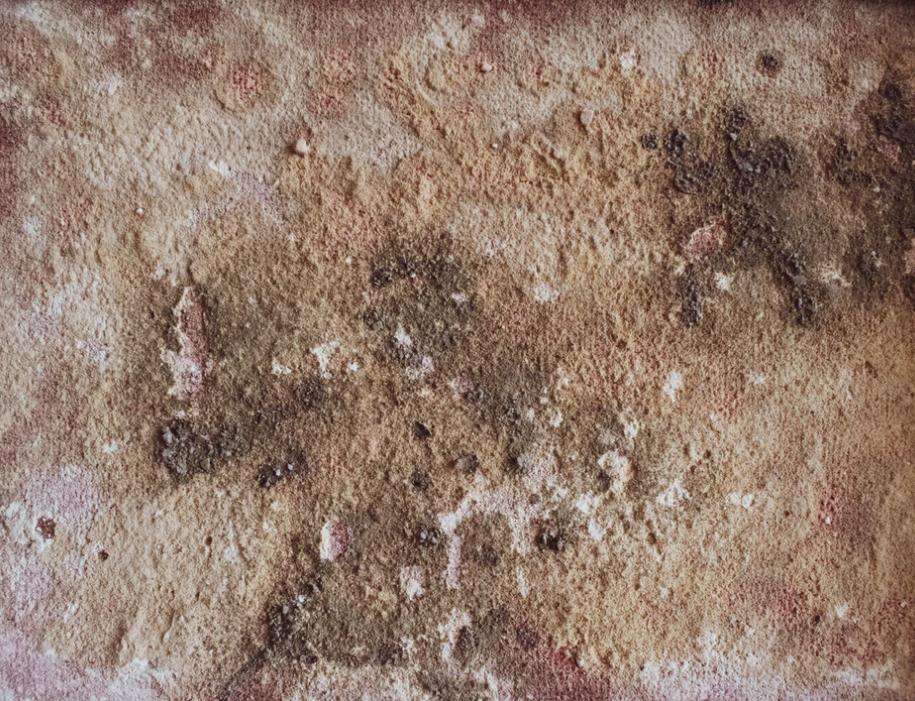
This is non-negotiable. You cannot get rid of mold mites permanently without addressing the mold they feed on. So, put on your detective hat and start searching for any signs of mold. Look for:
- Discoloration: Black, green, white, or even pinkish patches on walls, ceilings, or surfaces.
- Musty odors: That distinct damp, earthy smell is a dead giveaway.
- Visible fuzzy growth: Sometimes, you'll see the actual mold, looking like tiny, fuzzy cotton balls or patches.
Once you find it, it's time for action. For small areas of mold (think less than a square foot), you can often tackle it yourself. For larger or more widespread infestations, or if you suspect mold behind walls or in your HVAC system, it's probably best to call in the professionals. Don't mess around with serious mold problems!
For DIY mold removal, you'll typically need:
- Gloves and a mask: Protect yourself from mold spores. Seriously, don't skip this.
- A cleaning solution: A mixture of water and mild detergent is often sufficient for non-porous surfaces. For tougher spots, you might consider a diluted bleach solution (about 1 cup of bleach per gallon of water – but never mix bleach with ammonia, it creates toxic fumes!). Some people also swear by vinegar. Whichever you choose, ensure good ventilation.
- Scrubbing tools: A stiff brush or sponge.
- Plenty of rags: To wipe away the mold and moisture.
Gently scrub the affected area, then wipe it clean. Make sure to dry the area thoroughly afterward. Drying is key. You're not just removing the mold; you're making the environment inhospitable for its return.

Step 2: Tackle the Mites Directly (When Necessary)
Once the mold is gone, you might still see a few straggling mold mites. They're persistent little things! Here's how to give them the boot:
- Vacuuming: This is your best friend. Thoroughly vacuum all affected areas, paying extra attention to cracks, crevices, and corners. Once you're done, immediately take the vacuum bag or canister outside and empty it into a sealed trash bag. This prevents them from crawling back out. You might need to do this regularly for a while.
- Washing: For fabrics, bedding, and clothing that may have been exposed, a hot water wash (as hot as the fabric can tolerate) is a great way to kill any lingering mites.
- Cleaning surfaces: Wipe down all surfaces in the affected area with your chosen cleaning solution (detergent and water, vinegar, or a diluted bleach solution if appropriate). Again, dry thoroughly.
- Food items: If you find mold mites in your pantry, unfortunately, the affected food items likely need to be discarded. It's better to be safe than sorry. Clean out the pantry thoroughly afterward, wiping down shelves and containers.
Some people consider using insecticides, but in most cases, targeting the mold and maintaining cleanliness is sufficient. If you do opt for a pesticide, make sure it's specifically labeled for mites and follow the instructions precisely. And again, ventilation is your friend!
Step 3: Prevention is the Best Medicine
This is where the real magic happens. If you don't want to see these tiny terrors again, you need to make your home less appealing to them. This means:
- Control humidity: This is the number one rule. Use dehumidifiers in damp areas like basements and bathrooms. Ensure good ventilation by opening windows when possible, especially after showering or cooking. Fix any leaks promptly – no matter how small. Check for condensation on windows and pipes and address it. Aim for indoor humidity levels between 30% and 50%.
- Improve air circulation: Use fans to keep air moving, especially in areas prone to dampness. Open doors to rooms when they're not in use to allow air to circulate.
- Clean regularly: Don't let dust and debris accumulate. Regular vacuuming and dusting will remove potential food sources. Pay special attention to those nooks and crannies where dust bunnies like to party.
- Store food properly: Keep dry goods in airtight containers. Check the expiration dates and discard old or questionable items.
- Inspect and maintain: Regularly inspect your home for any signs of leaks or water damage. Address any issues immediately.
- Be mindful of houseplants: Don't overwater your plants, and ensure good drainage. If you see mold on the soil, remove it and allow the soil to dry out.
It might sound like a lot, but honestly, most of these are just good general housekeeping practices. They happen to be incredibly effective at keeping mold mites at bay.

The Takeaway: Moisture is the Enemy
So, there you have it. The secret to banishing mold mites isn't some exotic chemical or a complicated ritual. It's much simpler, and thankfully, much more sustainable. It all boils down to one crucial factor: moisture.
When you see mold mites, don't just focus on the mites themselves. See them as little warning signs, like a tiny, scurrying alarm system telling you, "Hey! There's something damp over here that shouldn't be!" Your mission, should you choose to accept it (and you really, really should if you value a mite-free home), is to eliminate that moisture and the mold it breeds.
It's a process, of course. You won't get rid of them overnight. But with a little diligence, a good dose of ventilation, and a vigilant eye for moisture, you can reclaim your home from these tiny, unwelcome tenants. And the next time you stumble upon a forgotten box in the attic, hopefully, the only movement you'll see is the excited flutter of your own heart at discovering a hidden gem, not a miniature army on the march!
So, go forth, control that humidity, and may your home be ever mite-free. You’ve got this!

