
How To Get Rid Of Mold Bathroom

Hey there, my fellow bathroom warriors! So, you've noticed a little guest has decided to move into your bathroom? Yeah, I'm talking about mold. That fuzzy, sometimes green, sometimes black, and always unwelcome intruder. Don't panic! It's a pretty common problem, and honestly, a bit like battling a stubborn stain on your favorite shirt – it just requires the right approach and a little elbow grease. Think of this as your friendly neighborhood guide to evicting those pesky moldy tenants.
Let's be real, no one wants to talk about mold. It sounds gross, and it probably is. But ignoring it is like pretending that pile of laundry will magically fold itself. Spoiler alert: it won't. Mold can not only make your bathroom look less than appealing (imagine hosting a party and your guests catch a glimpse of your shower walls looking like a science experiment gone wrong – awkward!), but it can also be a health concern. So, let's roll up our sleeves and get this done!
First Things First: Why Is Mold Even Here?
Before we launch into the mold-busting mission, it's helpful to understand our opponent. Mold, at its core, is just a type of fungus. And like most fungi, it loves damp, dark, and humid environments. Your bathroom? It's practically a mold spa! Showers, leaky pipes, condensation on windows – these are all prime real estate for mold to set up camp.
Must Read
Think of it this way: water is mold's best friend. Without moisture, mold can't really thrive. So, if you're seeing mold, it's a good indicator that somewhere in your bathroom, things are a little too moist for too long. It's not necessarily a sign of a major structural issue (though it could be, so keep an eye out for bigger problems like persistent leaks), but it definitely means we need to address the humidity situation.
The Mold Eviction Kit: What You'll Need
Alright, ready to suit up? You don't need a hazmat suit (unless you're dealing with a truly epic mold infestation, in which case, maybe call a pro and get a hazmat suit, just for dramatic effect). Here's your handy-dandy shopping list:
- Protective Gear: We're talking gloves (rubber is best!), and maybe some old clothes you don't mind getting a little… mushy. If you're sensitive to fumes or have respiratory issues, a mask is a good idea.
- Cleaning Solutions: We'll get to the nitty-gritty of what to use in a sec, but have a few options on hand.
- Scrubbing Tools: Old toothbrushes are surprisingly good for nooks and crannies. Sponges, scrub brushes, and even a squeegee can be your best friends.
- Ventilation: Open windows! Turn on that fan! Let some fresh air in to push out the old, moldy air.
The key here is to be prepared. Nothing kills motivation faster than realizing you're halfway through battling a moldy grout line and you've run out of cleaning spray. So, gather your supplies, put on some upbeat music (mold hates good vibes), and let's do this!
The Big Three: Your Mold-Busting Weapons
Now for the fun part (okay, maybe not fun, but satisfying!). There are a few tried-and-true methods for tackling mold. The best one for you might depend on the surface and how stubborn the mold is.
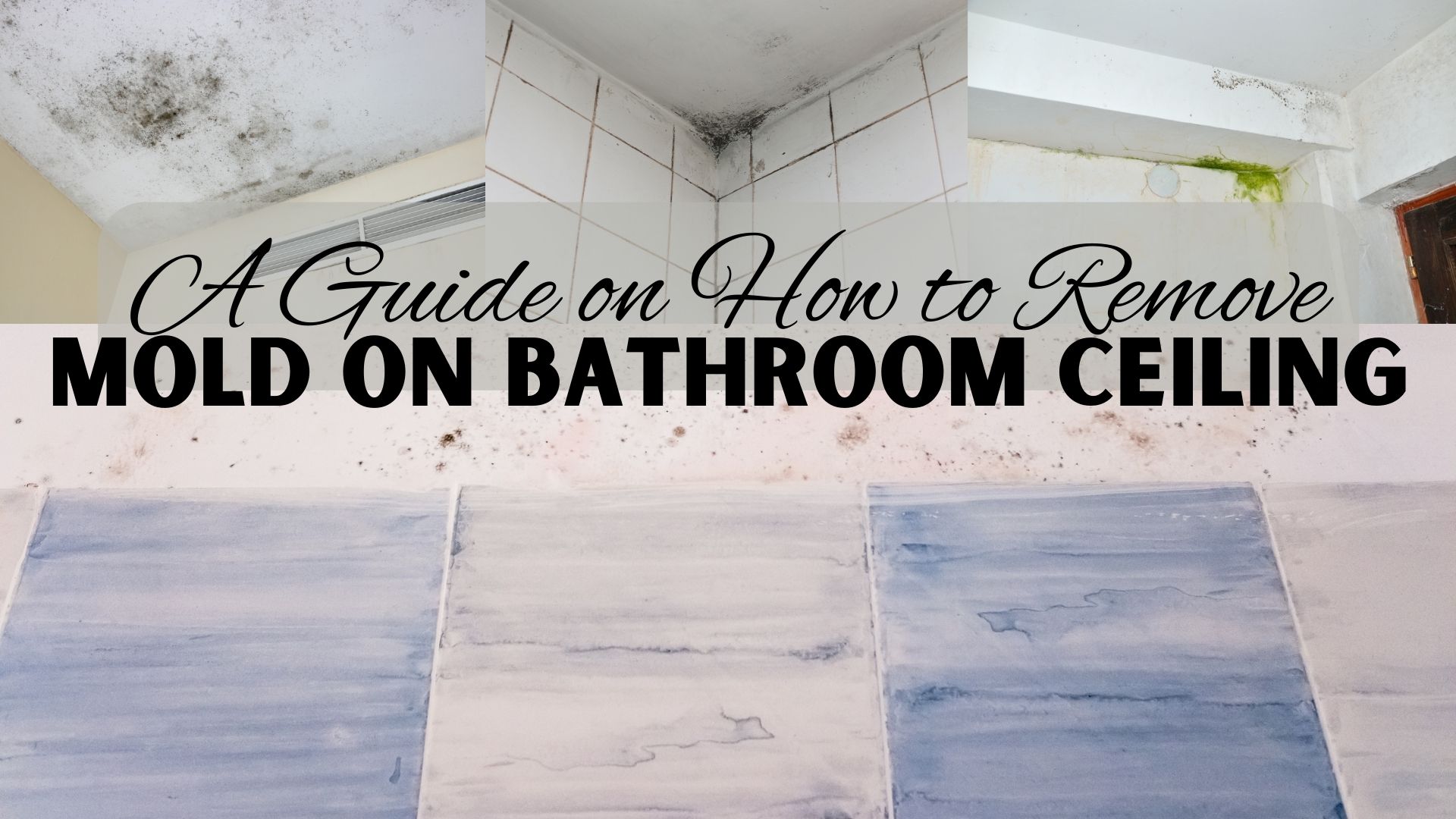
1. The Vinegar Vigor: A Natural Champ
White vinegar is like the gentle giant of mold removers. It's natural, it's cheap, and it's surprisingly effective against most types of mold. Plus, it smells way better than bleach (though it does have its own distinct aroma, let's not kid ourselves).
How to use it:
- Get yourself a spray bottle and fill it with undiluted white vinegar. Don't water it down!
- Spray the vinegar directly onto the moldy areas.
- Let it sit for at least an hour. This is crucial! You want that vinegar to really work its magic and kill the mold spores.
- After an hour, grab your scrub brush and give the area a good scrub.
- Rinse thoroughly with water.
- Wipe dry.
Vinegar works by being acidic, which mold hates. It penetrates the mold and kills it at its roots. For tougher spots, you might need a repeat application or a bit more vigorous scrubbing. Think of it as a good deep pore cleanse for your bathroom walls!
2. The Baking Soda Buddy: Gentle but Mighty
Baking soda is another fantastic, non-toxic option. It's a mild abrasive, which helps with scrubbing, and it also has deodorizing properties. So, not only will it help get rid of the mold, but it'll also make your bathroom smell fresher. Bonus points!
How to use it:
- Mix about a quarter of a tablespoon of baking soda with water in a spray bottle. You're aiming for a paste-like consistency if you're not using a spray bottle.
- Spray or apply the mixture to the moldy areas.
- Let it sit for a few minutes.
- Scrub with a brush or sponge.
- Rinse and wipe dry.
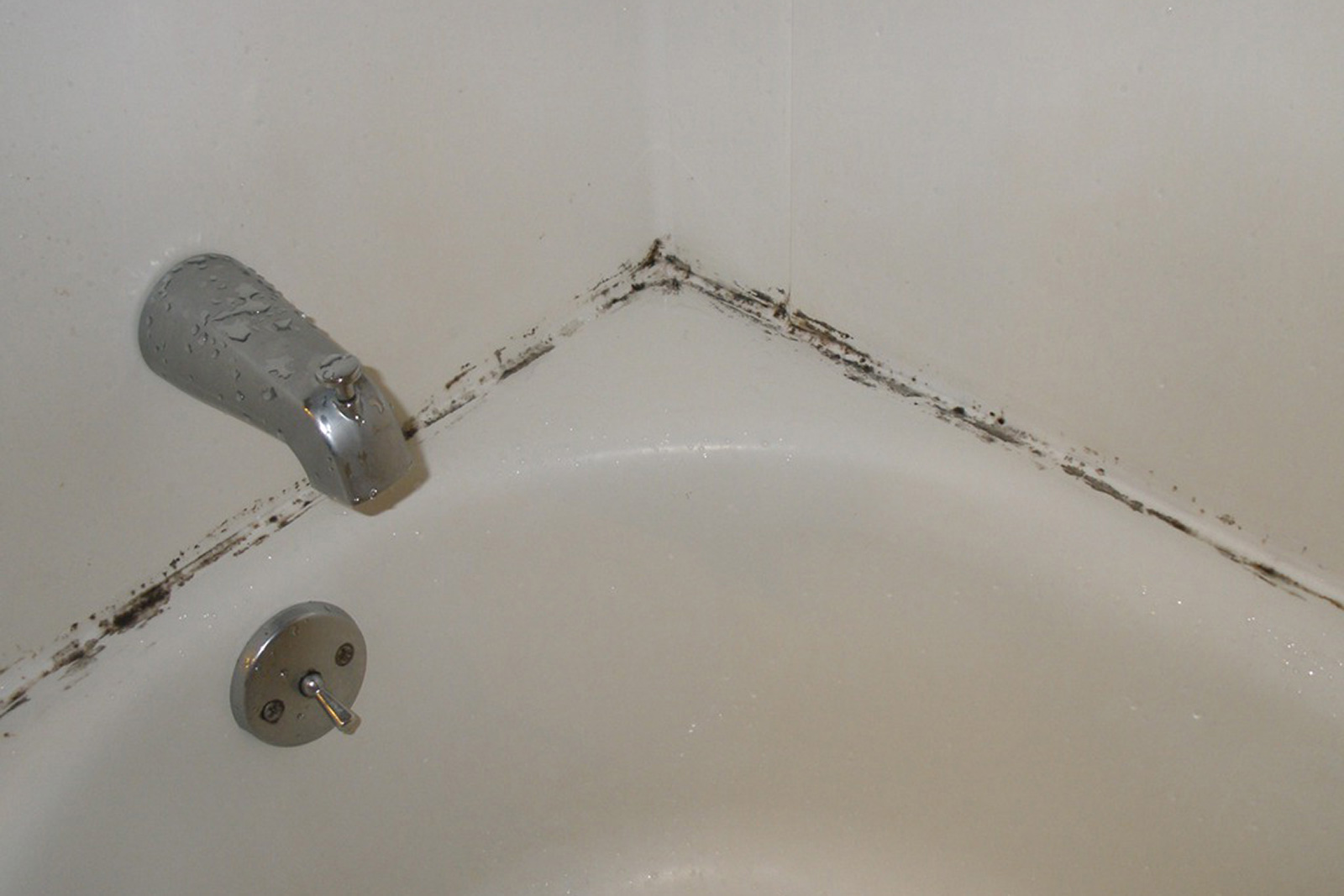
Baking soda is particularly good for grout and tile. You can even make a paste of baking soda and water, apply it to the moldy grout, let it sit, and then scrub it away. It’s like a mini-spa treatment for your grout lines!
3. The Bleach Brigade: For the Serious Stuff (Use with Caution!)
Okay, so bleach. It's the heavy hitter. It's powerful, and it can kill mold effectively. However, it's also a bit of a bully. It has strong fumes, it can damage certain surfaces, and it's definitely not something you want to mix with other cleaning products (seriously, don't mix bleach with ammonia – that's a recipe for toxic gas!).
How to use it (safely!):
- Ensure excellent ventilation! Open windows and turn on the fan.
- Mix one cup of bleach with one gallon of water. Never use straight bleach on surfaces unless the product specifically instructs you to do so (which is rare for household cleaning).
- Apply the solution to the moldy area using a sponge or cloth. Do not spray bleach if possible, as this can aerosolize it and be more dangerous.
- Let it sit for about 10-15 minutes.
- Scrub the area.
- Rinse thoroughly with clean water.
- Wipe dry.
Important warning: Bleach is most effective on non-porous surfaces like tile and glass. It can actually feed mold on porous surfaces like drywall or wood because it doesn't kill the mold roots. For those surfaces, vinegar or a specialized mold remover is a better bet.
And a little joke for you: why did the bleach break up with the vinegar? Because they just couldn't clean-erate their relationship anymore! Okay, I'll see myself out.
Target Practice: Where to Look for Mold
Mold isn't always obvious. It loves to hide in plain sight, or even better, in places you rarely look. So, let's do some mold detective work:
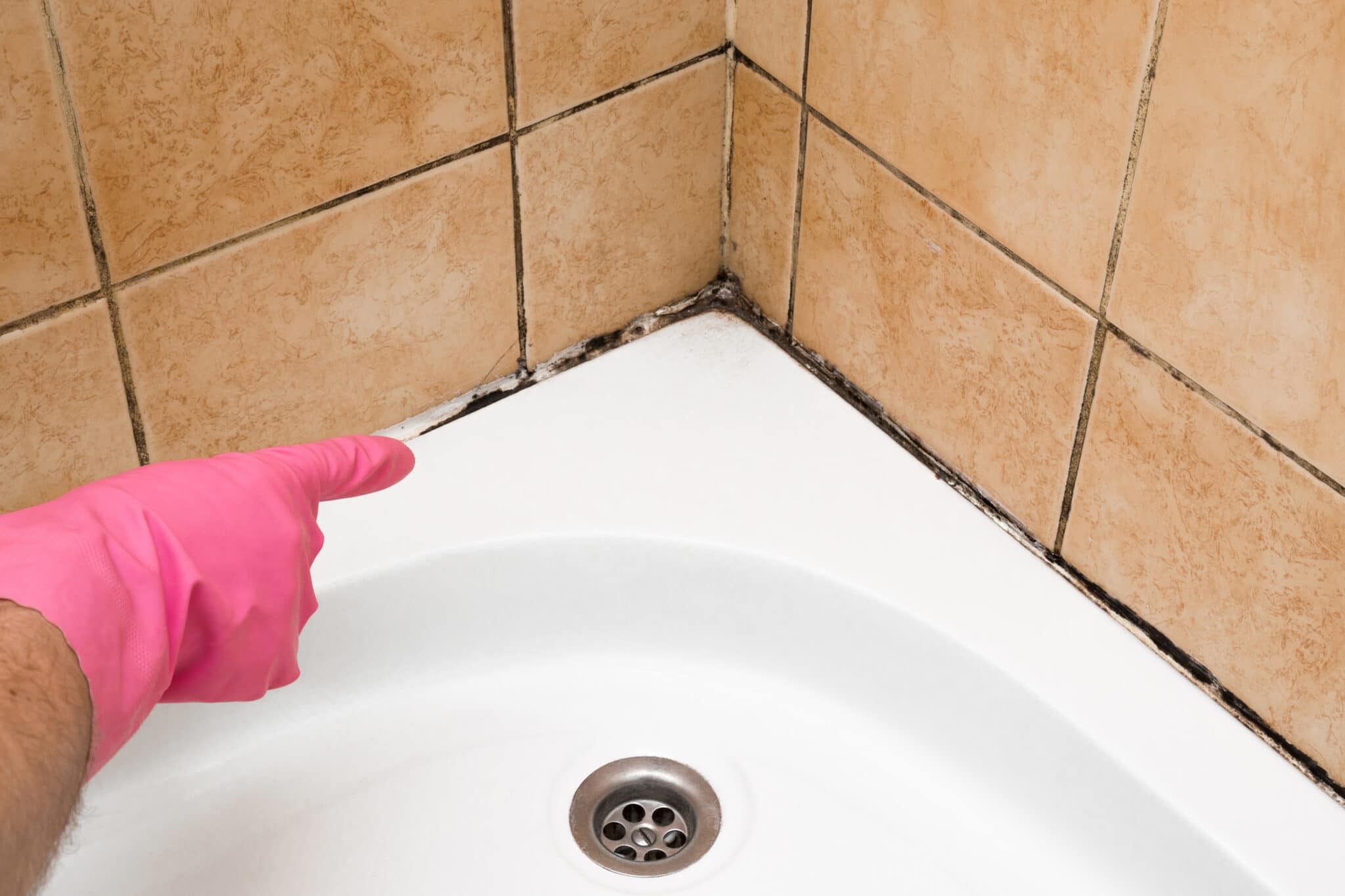
- The Shower and Bathtub: This is ground zero, folks. Check the grout lines, the caulk around the tub and shower doors, the shower curtain, and even behind the shower head.
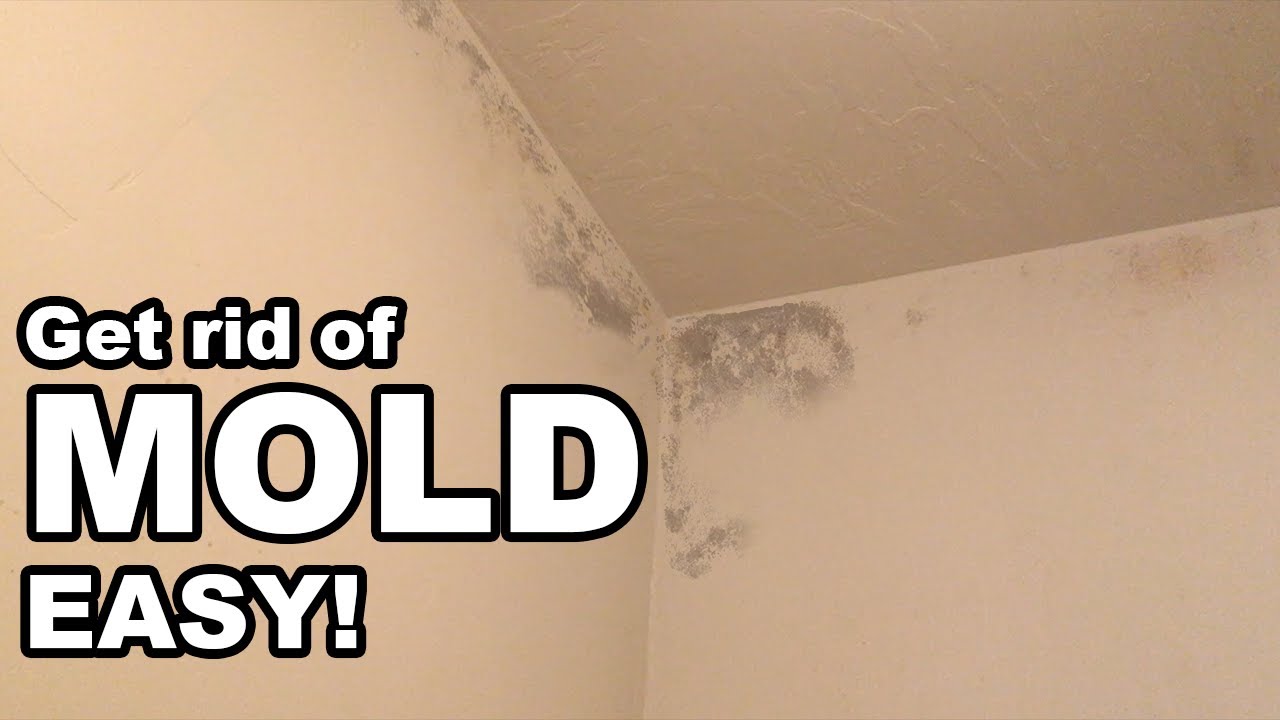
- Ceilings: Especially above the shower. That condensation can drip down.
- Around the Toilet: The base of the toilet can accumulate moisture.
- Sink Area: Look around the faucet and behind the sink.
- Underneath the Sink: Leaky pipes are a mold magnet.
- Window Seals: Condensation can gather here.
- Ventilation Fan: Sometimes mold can grow inside the fan housing.
Don't forget to check the back of any shower curtains or liners. Those things can get nasty. If you have a removable liner, take it down and give it a good soak (maybe with vinegar or a mold cleaner). If it's looking beyond help, it's probably time to invest in a new one. Treat yourself to a fancy new shower curtain – it’s a small victory!
Preventing Mold's Return: The Long Game
Getting rid of mold is great, but keeping it from coming back? That's the real win. Prevention is key, and it's all about controlling that moisture.
- Ventilation is Your Best Friend: ALWAYS turn on your bathroom fan during and after showers. Leave it running for at least 15-20 minutes. If you don't have a fan, open a window! Even a crack can make a difference.
- Wipe Down Surfaces: After showering, take a few seconds to squeegee or towel dry your shower walls, doors, and the edges of the tub. It makes a surprisingly big impact.
- Fix Leaks Immediately: That dripping faucet or leaky pipe is a mold party invitation. Get them fixed ASAP.
- Use Mold-Resistant Products: When you're re-caulking or painting, opt for products that are specifically designed to resist mold and mildew.
- Dry Out Your Towels: Hang your towels up properly so they can dry completely between uses. Don't leave damp towels balled up on the floor.
- Clean Regularly: Don't let mold get a foothold. A quick wipe down of your bathroom with a general cleaner once a week can go a long way.
- Consider a Dehumidifier: If your bathroom is particularly prone to humidity, a small dehumidifier might be a worthwhile investment.
Think of these as your mold-repellent superpowers. The more you practice these habits, the less you'll have to worry about those fuzzy little invaders.
When to Call in the Big Guns (aka Professionals)
Most of the time, you can handle bathroom mold yourself. But there are times when it's best to call in the professionals. If you're dealing with:
- A Large Area of Mold: If the mold covers more than a few square feet, it's a sign it might be more widespread than you think.
- Mold Inside Walls or Under Floors: This usually indicates a more serious moisture problem that needs expert diagnosis.
- Persistent Health Issues: If you or someone in your household experiences respiratory problems, allergies, or other health issues that seem to be linked to your bathroom, it's worth getting it checked out.
- You're Just Not Comfortable: And that's totally okay! Sometimes it's just nice to have a professional take care of it.
There's no shame in asking for help. Professionals have the equipment and expertise to deal with bigger mold problems safely and effectively.
The Grand Finale: A Mold-Free and Happy Bathroom!
So there you have it! Your guide to conquering bathroom mold. It might seem like a daunting task at first, but by understanding why mold appears, having the right tools, and employing a few simple strategies, you can absolutely win this battle. Remember to be patient, be thorough, and most importantly, be safe.
Imagine it now: a sparkling clean bathroom, free from those unsightly and potentially unhealthy fuzzy patches. A place where you can relax, refresh, and maybe even sing in the shower without worrying about what's growing on the walls. You've got this! Go forth and make your bathroom a mold-free paradise. You deserve it!

